
Are you intrigued by plants that respond to your touch? Look no further than the fascinating world of touch-sensitive plants! These unique specimens have been used for centuries in traditional medicine, adding an extra layer of intrigue to their beauty. Not only can they be used to create a stunning decorative display, but their medicinal benefits are also worth exploring.
In this article, we’ll delve into the properties and care requirements of these remarkable plants, covering everything from propagation tips to creative ways to incorporate them into your indoor space. Whether you’re an experienced green thumb or just starting out, understanding how to unlock the full potential of touch-sensitive plants is essential for getting the most out of their benefits. Let’s get started on this journey and discover what makes these plants so special!
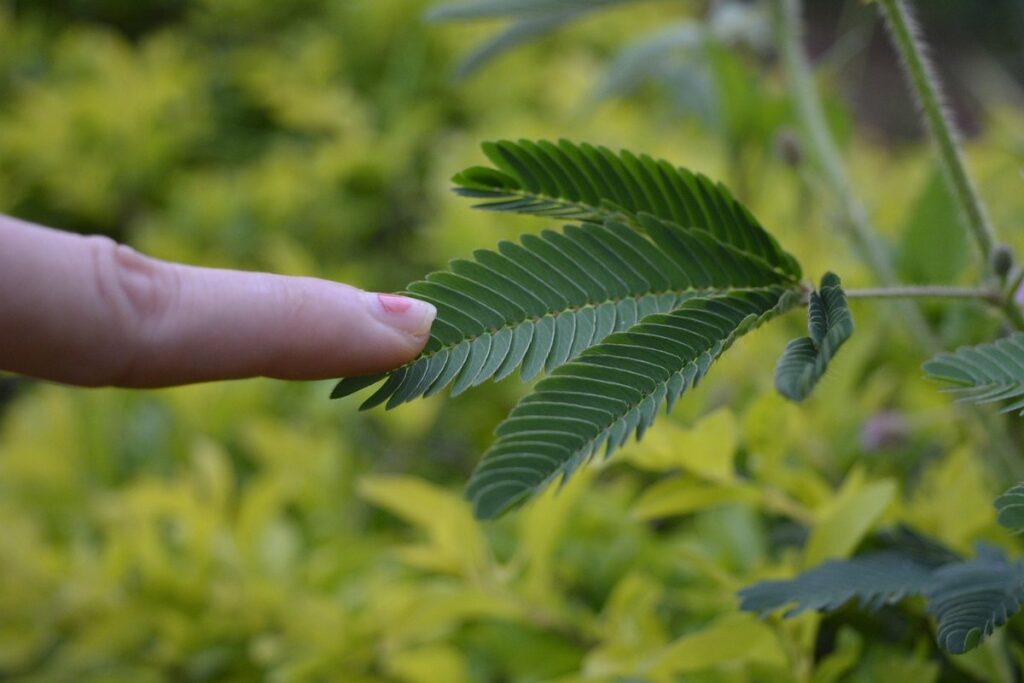
What is a Touch Sensitive Plant?
You’ve probably heard of the Mimosa Pudica, but do you know what makes it so unique? Let’s dive into the fascinating properties that make this plant stand out.
Characteristics of Mimosa Pudica
Mimosa pudica is indeed one of the most fascinating plants you’ll ever come across. One of its standout features is its unique compound leaves that are made up of multiple leaflets. These leaves are not just visually striking but also have an extraordinary way of responding to external stimuli.
When touched or exposed to vibrations, these leaves fold up quickly and shut their leaflets as a defense mechanism. This movement can be quite rapid, often within seconds, giving it the nickname “sensitive plant.” The reason behind this peculiar behavior is attributed to the presence of specialized cells called pulvini that contain water-filled cavities.
When stimulated, these cavities release gases rapidly, leading to a sudden change in the turgor pressure of the leaflets. This results in their folding up as a response to protect themselves from potential threats. If you’re looking to get your hands on one of these plants, be warned: handling Mimosa pudica can be quite addictive due to its intriguing behavior and the sense of wonder it evokes.
It’s also worth noting that some species exhibit more pronounced sensitivity than others. For example, the compound leaves of M. pumila will fold up more quickly in response to vibrations compared to those of M. hirta.
Common Names and Classification
The Mimosa Pudica plant is commonly known by several names, which can sometimes lead to confusion. Its scientific name, Mimosa pudica, is a binomial nomenclature that belongs to the Fabaceae family of plants. This classification reflects its close relation to legumes and pea-like flowers.
In some regions, the plant is referred to as “Sensitive Plant” or “Trembling Plant,” due to its unique behavior when touched or disturbed. In other parts of the world, it’s known as “Shy Plant” or “Hesitation Plant.” These names highlight the plant’s fascinating properties and reactions.
Regional designations also vary, with some countries using different names for the same plant. For example, in Spanish-speaking countries, Mimosa pudica is commonly referred to as “Pudique,” while in Portuguese-speaking regions, it’s known as “Mimosa Sensível.” Understanding these regional variations can be helpful when searching for specific information about care and cultivation.
Regardless of its name, the Mimosa Pudica remains a captivating plant that has garnered significant attention worldwide. Its distinctive behavior continues to intrigue botanists and plant enthusiasts alike, making it an essential topic in horticulture studies.
Benefits and Uses of Touch Sensitive Plants
Touch sensitive plants, like Mimosa Pudica, have a variety of practical benefits that make them ideal for indoor spaces, adding a unique touch to any room. Let’s explore their uses and advantages together.
Medicinal Properties
Touch Sensitive Plants have been found to contain an array of medicinal compounds that are being studied for their potential health benefits. Among these, flavonoids and alkaloids stand out as key contributors to the plant’s therapeutic properties.
Flavonoids, specifically quercetin and kaempferol, present in Mimosa Pudica, have demonstrated antioxidant and anti-inflammatory effects. These compounds can help mitigate oxidative stress, a known contributor to various diseases. Studies suggest that flavonoids may aid in reducing inflammation associated with conditions such as arthritis, and even exhibit neuroprotective properties.
Alkaloids found in the plant also show promise for their potential in treating certain medical conditions. For instance, studies indicate that alkaloids present in Mimosa Pudica possess antimicrobial activity against various pathogens, including bacteria, viruses, and fungi.
While further research is needed to fully understand and harness these medicinal properties, incorporating Touch Sensitive Plants into your care routine may offer unique benefits for overall well-being. Consider consulting with a healthcare professional before using any plant-based remedies, as their effectiveness and potential interactions can vary from person to person.
Aesthetic Appeal and Decorative Uses
Touch sensitive plants are not only fascinating to interact with but also add a unique visual element to indoor spaces. Their tendency to fold up their leaves when touched creates an intriguing display that can captivate viewers. The Mimosa Pudica’s distinctive foliage, characterized by its compound leaflets and delicate stem, contributes to its visually appealing nature.
When arranged thoughtfully, touch sensitive plants can become a striking feature in any room. For instance, a cluster of these plants placed on a shelf or in a hanging basket can add an air of whimsy and curiosity to a space. Consider combining them with other plants that have contrasting textures and colors to create a visually interesting display.
To maximize the aesthetic appeal of your touch sensitive plant, try placing it near a window where its behavior can be easily observed. This will also allow you to appreciate the subtle changes in light and shadow as it responds to different conditions.
How Does Mimosa Pudica React to Stimuli?
When you gently touch a mimosa pudica’s leaves, what happens next is truly remarkable. Let’s dive into how these sensitive plants react to different types of stimuli and conditions.
Mechanisms Behind the Movement Response
When you gently touch or vibrate the leaves of Mimosa pudica, the plant’s incredible movement is triggered by a complex sequence of events involving multiple cell types and signaling pathways. At the center of this phenomenon is the pulvinus, a specialized region at the base of each leaf petiole responsible for controlling the leaf’s orientation.
The touch or vibration causes an electrical signal to be generated in the epidermal cells lining the pulvinus, leading to an influx of potassium ions and a rapid depolarization of the cell membrane. This depolarization triggers a series of biochemical reactions that ultimately lead to the relaxation of tension in the leaf’s supporting structures, causing it to fold up in response.
As the leaf folds, the movement is amplified by the sudden release of stored elastic energy within the plant’s tissues. Within seconds, the entire leaf has dropped and folded into its characteristic “sleeping” position, a remarkable example of the intricate mechanisms that govern plant behavior.
Factors Influencing the Sensitivity
When it comes to Mimosa pudica’s sensitivity, you might be wondering what factors can affect its remarkable responsiveness. As it turns out, various environmental conditions play a significant role in determining the plant’s sensitivity.
For instance, light exposure is crucial for Mimosa pudica’s growth and sensitivity. While it thrives in bright, indirect light, excessive direct sunlight can cause the plant to become desensitized. On the other hand, low light conditions can make it less responsive to stimuli. When choosing a location for your plant, aim for bright, filtered light – ideally an east- or west-facing window.
Temperature also has a significant impact on the plant’s sensitivity. Optimal temperatures range between 65°F (18°C) and 75°F (24°C), with slight variations affecting its responsiveness. Moreover, humidity levels should be maintained within the moderate to high range, ideally above 50%. By replicating Mimosa pudica’s native tropical conditions, you can enhance its sensitivity and enjoy its fascinating responses.
Maintaining a consistent temperature and humidity level will also help your plant stay healthy and responsive over time.
Propagation and Care of Touch Sensitive Plants
To properly care for your Mimosa Pudica, you’ll want to learn how to propagate new plants from cuttings and what specific needs they require to thrive. We’ll walk through these essential steps together.
Seeds vs. Cuttings: A Comparison
When it comes to propagating mimosa pudica plants, you have two common methods at your disposal: seeds and cuttings. While both techniques can be effective, they come with their own set of advantages and disadvantages.
Using seeds is a more traditional approach to propagation, but it requires patience as it can take several weeks or even months for the seeds to germinate. On the other hand, using cuttings allows you to reproduce your favorite mimosa pudica plant quickly and efficiently, often resulting in genetically identical offspring. However, this method can be tricky, especially if you’re not familiar with rooting stem sections.
Some growers swear by taking 3-4 inch stem sections from mature plants, removing lower leaves, and planting them in well-draining soil. Others prefer to dip the cut ends in rooting hormone powder or liquid before planting for a higher success rate. With proper care and attention, cuttings can develop roots within a few weeks and even produce flowers and seed pods.
Ultimately, whether you choose to propagate your mimosa pudica plants from seeds or cuttings, it’s essential to provide them with the right conditions and care to ensure their survival and continued health.
Environmental Requirements
To ensure the successful growth of your touch sensitive plant, you’ll want to provide it with ideal conditions. Light is essential for mimosa pudica’s growth, but direct sunlight can be too intense and may cause scorching of its leaves. East- or west-facing windows are perfect for providing filtered light, while south-facing windows require sheer curtains to filter the strong sun rays.
Watering your touch sensitive plant requires finesse – it thrives in moist soil, but overwatering can lead to root rot. Water your mimosa pudica when the top inch of soil feels dry, and ensure good drainage holes to prevent waterlogged roots. A balanced fertilizer (20-20-20) will promote healthy growth, but apply it sparingly during the growing season.
Maintaining a consistent temperature between 65°F and 75°F (18°C and 24°C) is also crucial for optimal growth. Avoid placing your touch sensitive plant near heating or cooling vents, fireplaces, or drafty windows, as these can cause temperature fluctuations that may stress the plant. By providing these ideal conditions, you’ll be well on your way to enjoying a thriving and responsive mimosa pudica.
Common Problems and Solutions for Touch Sensitive Plants
As you care for your Mimosa pudica, it’s inevitable that you’ll encounter a few common issues – such as leaf drop or wilting. Let’s tackle these problems and explore their easy-to-implement solutions together.
Overwatering and Root Rot
Identifying root rot can be challenging, but it’s essential to catch it early on. When inspecting your touch sensitive plant, look for yellowing leaves, droopy stems, and black spots on the roots. These are all signs that your plant is struggling due to overwatering. To prevent root rot, make sure not to let water collect in the pot, and ensure good drainage holes.
Waterlogged soil can be a breeding ground for fungal diseases that cause root rot. To avoid this, check the moisture level of the soil by sticking your finger into it. If it feels wet or soggy, wait a few more days before watering again. You can also use a moisture meter to get an accurate reading.
In extreme cases, you may need to repot your plant in fresh potting mix and prune any affected roots. To do this, carefully remove the plant from its container, gently wash away as much of the old soil as possible, and trim off any rotting roots with sterile scissors. Afterward, treat your plant with a fungicide specifically designed for houseplants to prevent future outbreaks.
When watering, make sure not to get water on the leaves or crown to avoid promoting fungal growth. Instead, pour it directly into the pot’s drainage holes. Keep an eye out for any signs of disease and take action promptly if you notice anything amiss. Regular maintenance can help your touch sensitive plant thrive, but early detection is key in preventing root rot caused by overwatering.
Pests and Diseases
As you enjoy the unique properties of your touch sensitive plant, it’s essential to be aware of common pests and diseases that can affect its health. Regularly inspecting your plant will help you catch any potential issues early on.
Aphids, whiteflies, and mealybugs are frequent visitors to Mimosa pudica’s delicate leaves. These pests feed on sap, causing curled or distorted growth. To prevent infestations, keep your plant in a well-ventilated area with good air circulation. Regularly wipe down the leaves with a damp cloth can also help deter these pesky insects.
Root rot and leaf spot diseases are common issues for touch sensitive plants. Overwatering is often the culprit behind these problems. To avoid waterlogged soil, ensure your plant’s pot has proper drainage holes and only water when the top inch of soil feels dry. Inspect your plant’s roots periodically, and repot if you notice any signs of root decay.
Early detection and treatment are key to preventing pest and disease issues from getting out of hand.
Cultivation and Display of Mimosa Pudica in Indoor Spaces
Growing Mimosa Pudica indoors can be a fun and rewarding experience, but it does require some specific care and attention to its unique needs. With proper cultivation and display, you’ll be able to showcase this plant’s fascinating behavior in the comfort of your own home.
Ideas for Arranging the Plant
When it comes to showcasing the incredible abilities of Mimosa Pudica in your indoor space, its unique features deserve a thoughtful display. Consider placing the plant on a pedestal or riser to emphasize its sensitive leaves and create a sense of drama. This elevation also makes it easier for visitors to observe the plant’s reactions to touch without having to crouch down.
Alternatively, you can group several Mimosa Pudica plants together in a large planter or vase, allowing each plant to demonstrate its individual response to being touched. This display not only maximizes the visual impact but also highlights the fascinating similarities and differences between multiple plants.
To further enhance the experience, pair your Mimosa Pudica with other low-maintenance, visually appealing plants that complement its delicate nature. For example, pairing it with a snake plant or a succulent creates a striking contrast in textures and growth habits. By thoughtfully arranging your Mimosa Pudica, you can create an engaging display that showcases the plant’s remarkable abilities while also adding visual interest to your indoor space.
Maintenance Tips for Long-Term Care
To ensure your Mimosa pudica remains healthy and thriving over time, regular maintenance is crucial. Pruning is an essential aspect of this process, as it helps maintain the plant’s shape, promotes new growth, and encourages a fuller appearance.
Prune your touch-sensitive plant every 2-3 weeks during its active growing phase, which typically occurs in spring and summer months. Remove any weak or damaged stems, as well as those that have become leggy. Cut them off just above a leaf node using clean, sharp scissors or pruning shears to prevent spreading diseases.
Fertilization is also vital for your Mimosa pudica’s long-term care. Feed the plant with a balanced, water-soluble fertilizer (20-20-20) during the growing season, following the manufacturer’s instructions. You can fertilize every 2 weeks, but make sure not to overfertilize, as this may damage the roots.
Monitor your plant’s response to these maintenance activities and adjust as needed. By incorporating regular pruning and fertilization into your care routine, you’ll enjoy a lush, vibrant touch-sensitive plant that continues to thrive in its indoor environment for years to come.
Conclusion: Appreciating the Unique Charm of Touch Sensitive Plants
In conclusion, the touch sensitive plant is truly a remarkable specimen that deserves our appreciation and care. As we’ve explored throughout this guide, Mimosa Pudica’s unique properties make it an fascinating addition to any indoor or outdoor space. Its ability to fold its leaves in response to touch may seem like a novelty, but it’s also a testament to the plant’s adaptability and resilience.
Whether you’re a seasoned gardener or just starting out, learning about Mimosa Pudica can be a valuable experience that opens your eyes to the wonders of the plant kingdom. By understanding its needs and characteristics, you’ll be better equipped to provide the right conditions for it to thrive. So next time you encounter one of these plants, take a moment to appreciate their unique charm and quirks – they’re truly one-of-a-kind!
Frequently Asked Questions
Can I use touch-sensitive plants outdoors, or are they strictly indoor plants?
While touch-sensitive plants like Mimosa Pudica can thrive indoors, they can also be grown outdoors in temperate climates with protection from extreme temperatures and weather conditions. Ensure your plant receives partial shade to full sun, depending on the region you live in.
How do I prevent pests and diseases in my touch-sensitive plants?
Regularly inspect your plants for signs of infestation or disease, such as white powdery patches or tiny insects on leaves. Keep the environment clean, reduce overwatering, and use organic pest control methods whenever possible to minimize harm to both your plant and the ecosystem.
Can I propagate touch-sensitive plants using leaf cuttings?
While it’s technically possible to propagate Mimosa Pudica from leaf cuttings, this method is less reliable than using seeds. Seeds offer a higher success rate and can be purchased online or collected from mature plants after they have produced flowers.
How often should I water my touch-sensitive plant, especially during the winter months?
Adjust your watering schedule based on seasonal changes in temperature and humidity levels. Generally, reduce watering frequency to once every 7-10 days during the winter when growth slows down. Monitor soil moisture by sticking a finger into the top inch of soil to avoid overwatering.
Can I use touch-sensitive plants in hanging baskets or containers?
Yes! Touch-sensitive plants like Mimosa Pudica can be grown in hanging baskets or containers, adding an extra layer of visual interest and flexibility when arranging your indoor space. Simply ensure proper drainage and a well-balanced potting mix to support the plant’s unique needs.