
Are you tired of waiting weeks for your seeds to sprout? Do you want to get a head start on growing your favorite crops? Choosing the right seeds, storing them properly, and providing optimal growing conditions can make all the difference in seed germination. But with so many variables at play, it’s easy to get frustrated when things don’t go as planned. In this article, we’ll explore expert tips and methods for speeding up seed germination, from selecting the right seeds to creating an environment that fosters healthy growth. By mastering these techniques, you can boost crop yields, grow high-quality plants, and enjoy a more successful harvest. Whether you’re a seasoned gardener or just starting out, get ready to unlock the secrets of fastest seed germination and take your gardening game to the next level!
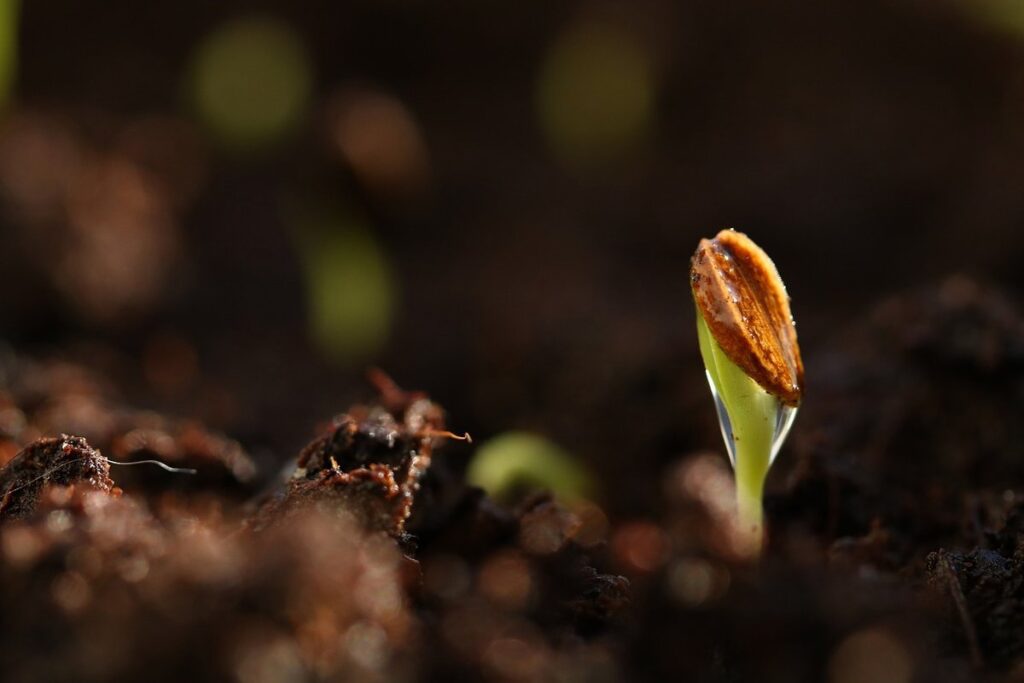
Understanding Seed Germination Basics
To get the most out of fast seed germination techniques, you need to understand the basics first: how seeds absorb water and what triggers their growth cycle.
Importance of Seed Germination Rates
As gardeners and farmers, you’re likely no strangers to the importance of seed germination rates. But just why do these rates matter? In simple terms, a high seed germination rate means more plants will emerge from each sowing, resulting in a healthier crop yield. Conversely, lower germination rates can lead to reduced yields, increased costs, and even crop failure.
To put this into perspective, consider the impact on plant growth. A strong start is crucial for seedlings to develop robust roots and establish themselves properly in the soil. With a high germination rate, you’ll get more plants off to a flying start, which can lead to faster maturation times and higher yields. Conversely, struggling seedlings can mean reduced vigor, lower productivity, and increased susceptibility to pests and diseases.
When choosing seeds for your garden or farm, look for varieties with high germination rates (typically above 80%). By selecting the right seeds, you’ll set yourself up for success and increase your chances of a bountiful harvest. This is particularly crucial when dealing with valuable crops like lettuce or tomatoes, where even small differences in yield can add up to significant savings.
Factors Affecting Seed Germination
Seed germination is a delicate process that can be influenced by various internal and external factors. Understanding these factors will help you create an optimal environment for seed germination. Temperature plays a crucial role; most seeds germinate between 65°F to 75°F (18°C to 24°C). Extreme temperatures, either too high or too low, can slow down the process.
Light exposure also affects germination rates. Some seeds require light to germinate, while others prefer darkness. For instance, seeds like those of radishes and lettuce benefit from direct sunlight, whereas seeds of peas and beans do better in a shaded area. Water is another critical factor; seeds need consistent moisture but excessive water can lead to rot.
Soil quality also impacts seed germination. Seeds thrive in well-draining soil with the right pH balance for optimal nutrient uptake. Poor soil structure or inadequate nutrients can slow down or prevent germination altogether. By understanding and controlling these environmental factors, you can create an ideal environment for seeds to germinate quickly and healthily.
Best Seeds for Fast Germination
To achieve fast germination, you’ll want to start with seeds that are naturally quick to sprout, and we’ve got a list of the top-performing varieties. These seeds are ideal for impatient gardeners who want to see results quickly.
Choosing High-Germination-Rate Seeds
When it comes to achieving fast seed germination, selecting high-germination-rate seeds is crucial. These seeds have been bred and tested for their ability to sprout quickly and efficiently, ensuring a higher success rate with minimal effort. Look for seed varieties that have been specifically labeled as “high-germination-rate” or “fast-growing,” such as basil, lettuce, and radish.
Some popular seed brands, like Botanical Interests and Seed Savers Exchange, specialize in producing high-quality seeds with excellent germination rates. When selecting seeds from these brands, pay attention to the specific varieties they offer. For instance, their ‘Genovese’ basil seeds have a reported germination rate of 90% or higher.
When shopping for high-germination-rate seeds, also consider factors like seed age and storage conditions. Fresh seeds with proper storage can significantly improve your chances of successful germination. Avoid purchasing old or low-quality seeds, as they may not perform well under optimal conditions. By choosing the right seeds, you’ll set yourself up for success in achieving fast and reliable seed germination.
Seed Storage and Handling Techniques
Proper seed storage and handling are crucial to maintaining their viability and increasing germination rates. When storing seeds, it’s essential to keep them away from direct sunlight, moisture, and heat sources. A cool, dry place with minimal light exposure is ideal. You can store seeds in airtight containers or envelopes made of paper or glassine to prevent moisture absorption.
When handling seeds, make sure to handle them gently to avoid damage. Seeds are delicate, and rough handling can cause scratches or cracks that can compromise their viability. Use tweezers or a small brush to handle individual seeds, especially when planting in small pots or trays.
Some seeds, such as those from tropical plants like orchids, require specific storage conditions. Research the optimal storage requirements for your seed type to ensure they remain viable. By following proper seed storage and handling techniques, you can maintain their viability and increase germination rates, ultimately achieving faster seed germination results.
Environmental Conditions for Fast Germination
To achieve fast seed germination, it’s essential to create optimal environmental conditions that encourage seeds to sprout quickly and healthily. We’ll explore these crucial factors in more detail below.
Optimal Temperature Ranges
When it comes to seed germination, temperature plays a crucial role. Different types of seeds require specific temperature ranges to break dormancy and initiate growth. For instance, warm-season crops like tomatoes and peppers thrive in temperatures between 70°F to 85°F (21°C to 30°C), while cool-season crops like broccoli and kale prefer temperatures between 60°F to 75°F (15°C to 24°C).
On the other hand, some seeds are sensitive to high or low temperatures. For example, beans and peas can rot if exposed to too much moisture at temperatures above 90°F (32°C), while lettuce and spinach are susceptible to bolting if planted when it’s too warm.
When selecting a location for germination, consider the temperature range required by your specific seeds. If you’re indoors, ensure that your propagation area is within the optimal temperature range for your chosen crop. If you’re outdoors, choose a spot with full sun and well-draining soil to minimize waterlogged conditions.
Water Requirements and Soil Quality
When it comes to seed germination, water is an essential component that can make or break the process. Proper watering techniques are crucial to ensure that seeds get the right amount of moisture without being too wet or dry. A well-draining soil mix can help prevent waterlogged conditions, which can lead to fungal growth and root rot.
To determine if your seed starting mix needs more water, check the soil’s moisture level by sticking your finger into it up to the first knuckle. If the soil feels dry, it’s time to water. Aim for a consistency like a damp sponge – not soaking wet, but not dry either. Overwatering can be just as detrimental as underwatering, so monitor your seeds’ progress closely.
A good rule of thumb is to water from the bottom up by placing the pot in a tray filled with water and allowing it to absorb through the drainage holes. This method helps prevent washing away delicate seedlings or disturbing their roots. Remember, seed germination rates can vary greatly depending on soil quality, so invest in a high-quality mix specifically designed for fast germination.
Techniques to Speed Up Germination
If you’re eager to coax those seeds into action, we’ve got just the techniques for you: speeding up germination through innovative methods that’ll get your plants growing faster than ever.
Seed Stratification and Scarification Methods
Seed stratification involves mimicking winter conditions to break dormancy in seeds that require cold temperatures to germinate. This method works best for species like alpines, cacti, and succulents. To stratify seeds, place them in a breathable container filled with moist peat moss or vermiculite. Seal the container and refrigerate at 35-45°F (2-7°C) for 30 to 90 days.
Scarification involves mechanically or chemically weakening seed coats to facilitate water absorption. This is particularly effective for seeds that have hard or impermeable coats, such as those of maple trees or walnut trees. Methods include soaking seeds in water for an extended period, using sandpaper to remove a small portion of the coat, or applying a chemical solution like hydrogen peroxide.
When performing scarification, always follow safety precautions and test the method on a few seeds first. Be cautious not to over-scarify, as this can damage the embryo within the seed. By incorporating these methods into your germination routine, you can significantly shorten the time it takes for seeds to break dormancy and sprout.
Chemical Inducers of Dormancy Breakage
Chemical inducers are substances that can break seed dormancy, making them an effective way to speed up germination. One of the most widely used chemical inducers is ethylene gas, which promotes cell elongation and division in seeds. Research has shown that exposure to 100-200 ppm of ethrene for 12-24 hours can increase germination rates by 10-20%.
Another commonly used chemical inducer is gibberellin acid (GA3), a plant hormone that regulates seed germination. GA3 can be applied as a spray or incorporated into the growing medium, and has been shown to enhance germination in seeds such as lettuce and tomato.
Other chemical inducers include nitrate, which increases germination by providing an energy source for seeds, and ammonium nitrate, which stimulates root growth and development. When using chemical inducers, it’s essential to follow the recommended application rates and timing to avoid damage to seeds or seedlings.
It’s also worth noting that some commercial products, such as stratification solutions or germination stimulants, contain a blend of chemicals designed to break dormancy and enhance germination. These products can be effective for specific types of seeds or conditions, but it’s always a good idea to research the product and follow the manufacturer’s instructions carefully.
Common Mistakes to Avoid
To get the best results from our fastest seed germination techniques, it’s crucial to avoid common pitfalls that can slow down growth. Let’s take a look at some mistakes to steer clear of.
Overwatering and Underwatering
When it comes to seed germination, two common mistakes can have devastating consequences: overwatering and underwatering. While it may seem counterintuitive, both extremes can lead to reduced germination rates or even plant death.
Overwatering is perhaps the most common mistake gardeners make when trying to speed up seed germination. When seeds are submerged in too much water, they can rot before they have a chance to sprout. This is because excess moisture prevents oxygen from reaching the seed’s embryonic roots, causing them to suffocate. To avoid overwatering, check your soil daily and only water when it feels dry to the touch.
Underwatering, on the other hand, can also be detrimental to seed germination. Without adequate moisture, seeds may not have enough energy to break through the soil surface. A general rule of thumb is to keep the soil consistently moist but not waterlogged. Aim for a balance by watering once or twice a day, depending on your climate and the specific needs of your seeds.
In either case, reduced germination rates can be a frustrating outcome. However, by being mindful of your watering habits and adjusting accordingly, you can create an optimal environment for seed germination to occur.
Incorrect Seed Depth Placement
When sowing seeds, it’s crucial to get their placement just right. This includes not only the spacing between seeds but also the depth at which they’re planted. Sowing seeds too deeply can be detrimental to germination, as it increases the distance oxygen and water need to travel to reach the seed. As a result, this can slow down or even prevent germination altogether.
A general rule of thumb is that seeds should be sown at a depth equal to twice their thickness. For example, if you’re planting a small seed like lettuce or radish, which is about 1/8 inch thick, it’s best to sow them about 1/4 inch deep. However, if you’re planting larger seeds like beans or peas, which are around 1/2 inch thick, they should be sown about 1 inch deep.
To avoid this common mistake, make sure to check the seed packet for specific instructions on depth and spacing. If you don’t have these guidelines, do some research on the specific variety of plant you’re trying to grow to get an idea of what works best.
Advanced Techniques for High-Yield Crops
If you’re looking to maximize your crop yields, you’ll want to explore advanced techniques that enhance seed germination rates and support healthy plant growth from the start. This section dives into those expert strategies.
Hydroponic and Aeroponic Systems
Hydroponic and aeroponic systems have gained popularity among growers due to their ability to provide precise control over water and nutrient delivery. This level of precision can significantly enhance seed germination rates by ensuring that seeds receive the exact amount of moisture and nutrients needed for optimal growth.
In hydroponics, roots are suspended in a nutrient-rich solution rather than soil. This allows for consistent and precise delivery of essential minerals and vitamins directly to the roots, promoting faster absorption and utilization. Aeroponics takes it a step further by misting the roots with a fine spray of nutrients, reducing water consumption while increasing oxygenation.
For seed germination specifically, these systems can be tailored to provide optimal conditions for rapid growth. By adjusting parameters such as pH, nutrient concentration, and temperature, growers can create an environment that fosters accelerated seedling development. This precision control allows for earlier detection of issues, enabling corrective action to prevent potential problems before they become severe.
When considering a hydroponic or aeroponic system for seed germination, it’s essential to choose the right components, such as high-quality nutrient solutions and a suitable growing medium. By doing so, growers can unlock the full potential of these advanced systems and enjoy significantly faster seed germination rates than traditional methods.
LED Lighting and Spectra Effects
When it comes to seed germination, light plays a crucial role. Different spectra and intensities can impact the speed and success of this process. One effective way to manipulate light for optimal seed germination is by using LED grow lights.
LED lighting offers several benefits when it comes to seed germination. For instance, blue LEDs (around 450-495nm) have been shown to promote root growth and enhance seed vigor. In contrast, red LEDs (600-700nm) tend to focus on promoting stem elongation and overall plant growth.
The optimal spectrum for seed germination is often a combination of both blue and red light. By providing a balanced ratio of these two spectra, you can create an ideal environment that promotes healthy root development while also supporting the emergence of shoots.
In practical terms, consider using LED grow lights with adjustable spectrums to tailor your lighting to specific crop requirements. Some growers even experiment with adding supplemental lighting in the form of ultraviolet (UV) LEDs to further boost germination rates and overall plant health.
Frequently Asked Questions
What is the ideal temperature range for seeds that require stratification?
The ideal temperature range varies depending on the specific plant species, but generally, it’s between 32°F (0°C) and 40°F (4°C). For example, tomatoes typically require a colder period of about 6-8 weeks at around 35-38°F (2-3°C), while lettuce can be stratified at as low as 25°F (-4°C).
Can I speed up seed germination by using LED lighting?
Yes. By providing the right spectrum and intensity, LED lighting can stimulate seed germination. For example, using a high-intensity red LED light can increase germination rates in seeds that require warmth to break dormancy.
How do I handle overwatering issues when trying to speed up seed germination?
To prevent overwatering, ensure the soil is consistently moist but not waterlogged. Regularly check the moisture level by gently inserting a finger into the soil or using a moisture meter. If you notice water pooling on the surface, adjust your watering schedule accordingly.
What are some common mistakes to avoid when storing seeds for fast germination?
Avoid exposing seeds to direct sunlight, high humidity, and extreme temperatures (above 70°F/21°C or below 50°F/10°C). Store seeds in an airtight container at room temperature, away from moisture sources. Also, be mindful of seed viability by checking the expiration date on the packaging.
Can I use chemical inducers to break dormancy, or is it better to rely solely on natural methods?
While some growers swear by chemical inducers for rapid germination, these substances can also have unintended consequences, such as altering plant growth patterns. For optimal results and long-term health, consider using seed stratification, scarification, or other non-chemical techniques instead.