
Stained glass corn has been a staple in art and architecture for centuries, its beauty and significance transcending cultures and time. From ancient civilizations that prized its vibrant hues to modern interpretations that push the boundaries of technique and design, stained glass corn continues to captivate artists and historians alike. Whether you’re an art enthusiast or simply a lover of stunning visuals, this iconic motif is sure to inspire and educate.
In this article, we’ll delve into the rich history behind stained glass corn, exploring its evolution from ancient Mesopotamia to modern times. We’ll examine step-by-step guides for creating your own stunning designs, as well as preservation methods for maintaining these delicate masterpieces. With a focus on techniques, artistry, and craftsmanship, this article will take you on a journey through the world of stained glass corn, revealing its secrets, stories, and splendor.
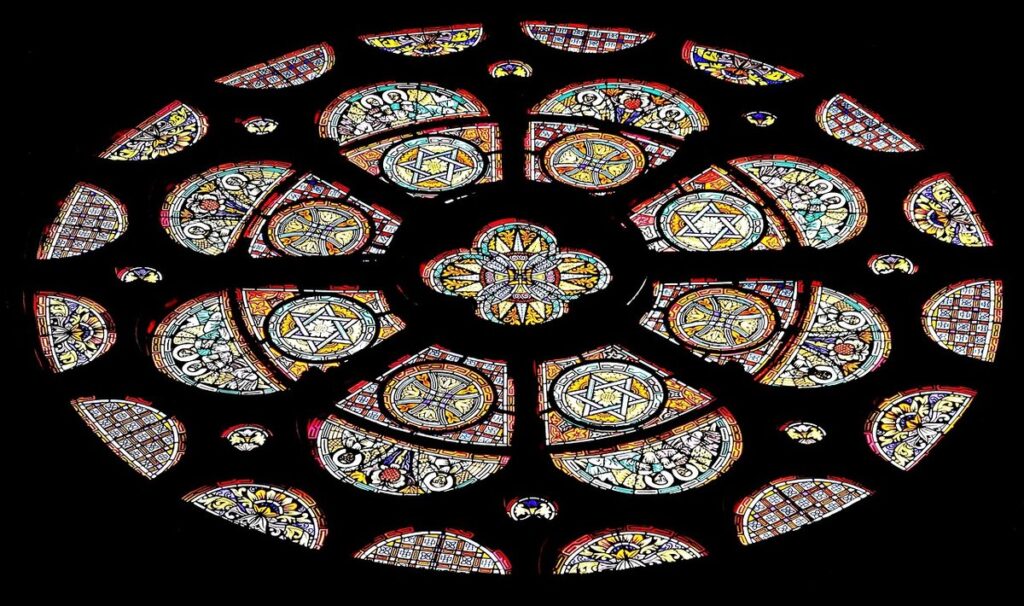
Origins and Evolution of Stained Glass
The origins and evolution of stained glass as we know it today is a rich and fascinating story, spanning centuries and multiple continents. Let’s dive into the history that has shaped this beautiful art form.
Ancient Civilizations and their Use of Stained Glass
Stained glass has been an integral part of human culture for thousands of years, with ancient civilizations like Egypt, Greece, and Rome using it to add beauty and significance to their architecture. In these early societies, stained glass was not only a decorative element but also held spiritual and symbolic meaning.
In ancient Egyptian temples, stained glass windows were used to depict gods and goddesses, while in Greek and Roman architecture, intricate mosaics made from stained glass pieces adorned the walls of public buildings. These early examples demonstrate the use of stained glass as a means to convey messages, tell stories, and honor deities. The significance of stained glass in these cultures highlights its importance as a medium for artistic expression.
Today’s artisans continue to draw inspiration from ancient civilizations when creating intricate designs for stained glass corn. By understanding the historical context and cultural significance of stained glass, designers can create pieces that not only reflect their own style but also pay homage to the rich heritage of this art form.
The Middle Ages and the Rise of Stained Glass Art
During the Middle Ages, stained glass art emerged as a dominant form of decoration in churches and cathedrals. As artisans honed their techniques, they created intricate designs and patterns that not only added visual appeal but also conveyed spiritual meaning. The development of stained glass art was closely tied to the rise of Christianity in Europe.
Artisans perfected their skills by experimenting with different glassmaking techniques, such as layering colors and textures to achieve unique effects. They drew inspiration from nature, creating designs that reflected the beauty of flowers, leaves, and other organic forms. These early stained glass pieces often featured geometric patterns and abstract designs, which added visual interest without compromising the sanctuary’s sacred atmosphere.
As stained glass art evolved, it became an integral part of medieval architecture. Windows were designed to be functional as well as aesthetically pleasing, allowing natural light to filter in while depicting biblical scenes and stories. This symbiotic relationship between form and function laid the groundwork for future innovations in stained glass design, ultimately contributing to its enduring popularity today.
Techniques and Materials Used in Stained Glass Corn
When it comes to crafting stunning stained glass corn, understanding the techniques and materials used is essential. Let’s explore the various methods and mediums that bring these beautiful pieces to life.
Gathering and Cutting Glass for Staining
When it comes to creating beautiful stained glass corn, gathering and cutting the right glass is an essential step. The type of glass used can greatly impact the overall appearance and durability of the final piece. Traditionally, stained glass artists use colored glass, which is made by adding metallic oxides or other materials to molten silica. This process creates a wide range of colors and textures that can be used to achieve specific effects.
For stained glass corn, it’s best to use medium-weight glass, typically around 1/4 inch thick, as this allows for the desired level of color saturation and texture. When cutting the glass, precision is key to achieving clean lines and sharp edges. A good quality glass cutter or diamond blade saw will make all the difference in producing smooth cuts.
To achieve precise cuts, always score the glass carefully and then snap it cleanly. This helps prevent chipping or cracking. Additionally, consider using a glass grinder to smooth out any rough edges and create a polished finish. Remember, patience is crucial when cutting and grinding glass – take your time, and you’ll be rewarded with beautiful results.
The Role of Oxides and Metals in Coloring Glass
When it comes to creating those vibrant colors we love in stained glass corn, oxides and metals play a crucial role. These substances are used to produce a wide range of hues by undergoing chemical reactions that alter their physical properties.
For instance, cobalt oxide is commonly used to create blue tones. When applied to the glass, it reacts with oxygen to form a stable compound that absorbs light in the green spectrum, giving us that signature blue color. Similarly, copper oxide can produce various shades of red, pink, and purple depending on its concentration and application technique.
To achieve these colors, artists mix oxides and metals into specific combinations using specialized equipment. They then apply the mixture to the glass using techniques such as spraying or painting. The ratio of metal to oxide also impacts the final color outcome, making precision a key aspect in achieving desired hues.
Stained Glass Corn Designs and Patterns
Let’s dive into some of the beautiful stained glass corn designs and patterns that have been created over the years, each one unique and full of character. We’ll explore their intricate details together!
Traditional and Modern Designs in Stained Glass Corn
Traditional designs often feature intricate floral patterns, such as stylized sunflowers and poppies, which evoke a sense of whimsy and romance. Geometric shapes, like chevrons and hexagons, add a touch of modernity to these classic designs. These traditional motifs were influenced by the Art Nouveau movement, which emphasized flowing lines and organic forms.
In contrast, modern stained glass corn designs often incorporate bold colors and abstract patterns, pushing the boundaries of what’s possible with this medium. Some artists blend traditional techniques with contemporary materials and styles, resulting in unique pieces that reflect their personal aesthetic. For instance, a fusion of geometric shapes with vibrant blues and greens can create a stunning mosaic that adds visual interest to any space.
When selecting a stained glass corn design, consider the cultural and historical context it represents. A traditional floral pattern might evoke a sense of nostalgia for a bygone era, while a modern abstract piece could reflect your personal style and taste. Ultimately, choosing a design that resonates with you will ensure your stained glass corn becomes a true work of art in your home or space.
Inspiration from Nature and the Importance of Symbolism
Nature has been a timeless source of inspiration for artists throughout history, and stained glass corn designs are no exception. The intricate patterns and organic forms found in nature have been translated into stunning works of art that adorn homes, churches, and public spaces. Leaves, flowers, and other natural motifs are particularly popular in stained glass corn designs, evoking a sense of serenity and connection to the natural world.
In various cultures and artistic movements, these natural motifs hold significant symbolic meanings. For instance, leaves often represent growth, renewal, and abundance, while flowers may symbolize love, passion, or spiritual growth. By incorporating these symbols into stained glass corn designs, artists can tap into a rich cultural heritage and convey deeper meanings to the viewer.
To infuse your own stained glass corn designs with natural symbolism, consider researching traditional folk art from around the world. For example, the Celtic knotwork tradition often incorporates leaves and vines to represent eternal life and spiritual connection. By drawing inspiration from nature’s beauty and symbolic significance, you can create truly unique and meaningful stained glass corn designs that transcend mere aesthetics.
Creating Stained Glass Corn: Step-by-Step Guide
Now that you have a basic understanding of stained glass corn, let’s dive into the fun part – creating your very own stunning piece. Follow these steps to craft beautiful stained glass corn designs.
Preparing the Design and Choosing Materials
When preparing to create stained glass corn, it’s essential to consider two critical aspects: design and materials. A well-planned design will not only ensure a visually appealing piece but also make the project more manageable.
Begin by sketching out your design, taking into account the size and shape of the corn you want to create. Consider the color theory behind stained glass art – warm colors like red, orange, and yellow evoke feelings of energy and warmth, while cool colors like blue and green can bring a sense of calmness. Balance these elements to achieve a harmonious composition.
Next, select materials that will bring your design to life. Glass sheets in various colors and textures are the foundation of stained glass art. Choose from transparent, opaque, or textured glass to add depth and visual interest. Don’t forget to consider the lead came – available in different widths and finishes – which will hold your glass pieces together. Finally, plan your project timeline and materials list carefully to avoid any last-minute surprises.
Assembly and Assembly Techniques
When it’s time to bring your stained glass corn design to life, the assembly process is where the magic happens. In this section, we’ll walk you through the essential techniques for attaching pieces together, using foils or copper foil wrapping, and soldering to create strong bonds.
To begin, choose a sturdy surface for your project, such as a wooden board or a worktable. Next, carefully cut out each glass piece according to your design, leaving about 1/8 inch of extra material around the edges. For small pieces, you can use copper foil to wrap the edges and attach them to larger sheets or other pieces.
For more intricate designs, foils like lead came or brass foil are ideal for creating strong bonds between multiple pieces. When using foils, apply a thin layer to each edge and press firmly onto another piece. To secure the bond, solder the seams with a well-ventilated torch, holding the flame at a 90-degree angle.
Preservation and Restoration of Stained Glass Corn
To keep your stunning stained glass cornpieces intact for generations, proper preservation and restoration techniques are crucial to maintain their beauty and integrity. We’ll delve into these essential methods next.
Factors Affecting Stained Glass Conservation
When it comes to preserving and restoring stained glass corn, understanding the factors that affect its longevity is crucial. Environmental conditions play a significant role in the deterioration of stained glass corn. Exposure to direct sunlight can cause colors to fade and lead to discoloration, while extreme temperatures can lead to thermal shock, causing the glass to crack or shatter.
Age-related deterioration is also a common issue affecting stained glass corn. Over time, the adhesive used to hold the glass pieces together can weaken, causing the corn to disintegrate. Furthermore, the patina that forms on the surface of the glass as it ages can be fragile and prone to damage.
Restoration attempts can sometimes do more harm than good. Improper cleaning methods or using the wrong materials can damage the delicate surfaces of the stained glass corn. For example, using harsh chemicals or abrasive cleaners can strip away the patina, causing permanent damage. To prevent such issues, it’s essential to work with a qualified conservator who has experience in restoring stained glass corn.
Proper care and conservation methods are vital for preserving stained glass corn. Regular cleaning with gentle methods and materials can help maintain its beauty and longevity. It’s also crucial to display the corn in a stable environment with controlled lighting conditions. By taking these steps, you can ensure that your stained glass corn remains vibrant and intact for generations to come.
Techniques and Methods for Restoring Stained Glass
Restoring stained glass pieces requires a delicate touch and a deep understanding of the materials involved. When it comes to cleaning, gentle methods are essential to avoid damaging the glass or removing its patina. A soft-bristled brush and mild soap solution can be used for general cleaning, while more stubborn stains may require specialized cleaners like conservators’-grade glass cleaner or even a mixture of distilled water and a small amount of ammonia.
Consolidants play a crucial role in stabilizing the glass and preventing further degradation. However, it’s essential to choose the right consolidant for the specific type of glass being restored. Acrylic-based consolidants are often used for leaded glass, while silane-based consolidants may be more suitable for copper foil work.
When repairing damaged stained glass pieces, conservators must consider both aesthetic and structural integrity. This may involve re-foiling or re-leading individual pieces, or even recreating entire sections using traditional techniques. In some cases, it’s necessary to remove old adhesive or grime before applying new consolidants or repair materials.
Conclusion: The Enduring Beauty of Stained Glass Corn
As we come to a close, let’s reflect on how stained glass corn has not only stood the test of time but also continues to captivate our imagination and inspire new creations.
Final Thoughts on the Significance of Stained Glass Art
As we conclude our journey through the world of stained glass corn, it’s clear that this ancient art form has left an indelible mark on human expression. Stained glass corn serves as a testament to the boundless creativity and skill of artisans who have poured their hearts into its creation over centuries. Its enduring beauty is a reflection of the timeless connection between art, culture, and spirituality.
One of the most significant aspects of stained glass corn is its ability to transcend time and trends. While artistic styles may come and go, the allure of stained glass remains constant. Its unique combination of color, light, and texture continues to captivate audiences around the world. Whether in a grand cathedral or a small, intimate setting, stained glass corn has a way of elevating the space it inhabits.
So what can we learn from this remarkable art form? First, its preservation is crucial for future generations. Many stained glass windows are being restored and conserved as part of cultural heritage initiatives. This not only ensures their survival but also provides opportunities for new artists to interpret and reinterpret these iconic works. Second, the beauty of stained glass corn lies in its ability to tell stories and evoke emotions. By paying attention to the symbolism, motifs, and narrative behind each piece, we can unlock a deeper understanding of our shared cultural heritage.
Ultimately, stained glass corn is more than just a decorative art form; it’s a living, breathing connection to our collective past. As we continue to evolve as a society, its relevance remains steadfast. We would do well to draw inspiration from its timeless beauty and the artisans who crafted it with such devotion.
Frequently Asked Questions
Can I use stained glass corn in modern architectural designs, or is it limited to traditional settings?
Yes, stained glass corn can be used in a wide range of architectural designs, from contemporary buildings to historic renovations. Its versatility and adaptability make it an excellent choice for modern projects. Consider combining traditional techniques with modern materials and styles to create a unique look that blends old and new.
How do I choose the right type of glass for my stained glass corn project?
The type of glass you choose will depend on the design, color palette, and desired level of transparency or opacity. Common types of glass used in stained glass work include soda-lime glass, borosilicate glass, and lead crystal. Consider factors such as durability, weight, and UV resistance when selecting the perfect glass for your project.
What are some common challenges when restoring or conserving old stained glass corn pieces?
Common challenges when restoring or conserving old stained glass corn pieces include broken or missing panes, rusted or corroded metalwork, and damage from environmental factors like pollution or extreme temperatures. Identify these issues early on and address them using specialized techniques and materials to preserve the integrity of the piece.
Can I create my own stained glass corn designs, or do I need professional training?
While professional training can be beneficial, creating your own stained glass corn designs is definitely possible with practice and patience. Start by experimenting with simple projects and gradually move on to more complex designs as you gain experience and confidence in your skills. Utilize online resources, tutorials, and workshops to learn new techniques and stay inspired.
How do I care for and maintain my stained glass corn pieces to ensure their longevity?
To keep your stained glass corn pieces looking their best, clean them regularly with mild soap and water, avoiding harsh chemicals or abrasive materials that can damage the glass. Consider applying a protective coating to prevent UV degradation and reduce fading over time. Additionally, store your pieces in a dry, secure location protected from direct sunlight and extreme temperatures.