
As a gardener, you’re likely no stranger to the challenges of growing delicious tomatoes. But have you considered how the fertilizers you use might be impacting not just your plants, but the environment too? Using natural fertilizers for tomato plants is a game-changer – not only can it reduce your environmental footprint, but it can also lead to healthier, more robust harvests. In this article, we’ll explore some of the best natural fertilizer options for tomato plants, including composting and manure tea. We’ll also dive into some easy-to-make homemade recipes that you can whip up in your own kitchen. By the end of this post, you’ll be equipped with the knowledge to create a greener harvest while reducing waste and minimizing harm to the planet – all while enjoying a bountiful tomato crop!
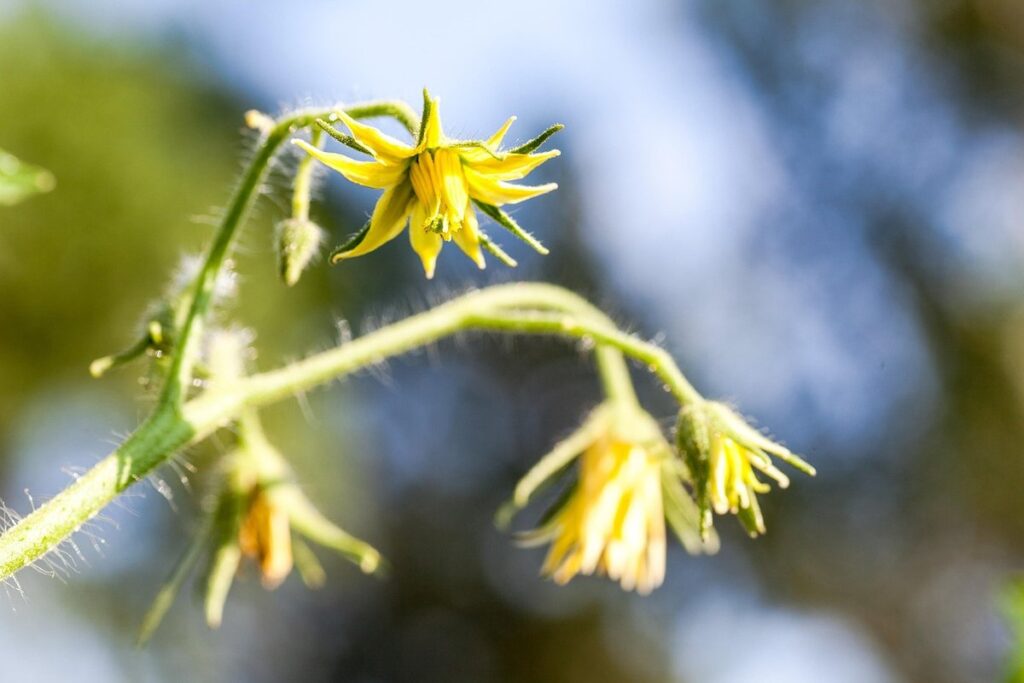
Understanding Tomato Plant Nutrition
To grow thriving tomato plants, you need to understand their unique nutritional needs and how natural fertilizers can provide essential nutrients for a bountiful harvest. Let’s dive into the world of tomato plant nutrition.
Soil pH and Its Impact on Nutrient Availability
Soil pH plays a crucial role in tomato plant growth as it significantly affects nutrient availability. Most plants, including tomatoes, thrive in slightly acidic to neutral soil pH, ranging from 6.0 to 7.0 on the pH scale. Soil pH below 5.5 can lead to an overabundance of manganese and aluminum ions, causing damage to the roots. On the other hand, alkaline soils with a pH above 8.0 may limit nutrient uptake due to high levels of phosphorus and potassium.
Understanding your soil’s pH level is essential for selecting suitable natural fertilizers. For example, if your soil is too acidic (pH below 6.0), adding dolomitic limestone can help balance the pH while providing calcium and magnesium. Conversely, if your soil is alkaline (pH above 7.0), using elemental sulfur can reduce the pH.
Testing your soil pH regularly will ensure you’re not inadvertently starving your tomato plants of essential nutrients. Keep in mind that natural fertilizers may take longer to affect the soil’s pH levels compared to synthetic products.
Essential Nutrients for Tomato Plants
When it comes to feeding your tomato plants, understanding the essential nutrients they require is crucial for optimal growth and harvest. Tomato plants need a balanced diet of macronutrients (NPK) and micronutrients to thrive.
The primary macronutrients NPK (Nitrogen, Phosphorus, Potassium) play a significant role in tomato plant development. Nitrogen promotes leafy growth and green coloration, while phosphorus supports root development, flower formation, and fruit growth. Potassium enhances overall plant health, resistance to disease, and water balance.
In addition to NPK, micronutrients like iron, magnesium, sulfur, calcium, boron, copper, chlorine, manganese, zinc, and molybdenum are also vital for optimal tomato plant growth. These micronutrients help with photosynthesis, cell wall development, and other essential functions. A well-balanced natural fertilizer will provide these micronutrients in the right amounts.
To give your tomatoes a nutrient boost, consider adding compost or manure tea to your fertilization routine. These natural sources of NPK and micronutrients can improve soil health and promote healthy plant growth.
Types of Natural Fertilizers
When it comes to choosing a natural fertilizer for your tomato plants, understanding your options is key. Let’s explore some popular types that’ll give you a healthy harvest without harming the environment.
Composting: Turning Kitchen Waste into Fertilizer
Composting is an effective way to turn kitchen waste into a nutrient-rich fertilizer for your tomato plants. To create a compost pile, start by collecting suitable materials such as fruit and vegetable scraps, eggshells, coffee grounds, tea bags, and yard trimmings like leaves and grass clippings. Avoid adding meat, dairy products, and oily foods as they attract pests and create unpleasant odors.
Maintaining optimal compost conditions is crucial for creating nutrient-rich fertilizer. Aim for a mix of 2/3 “brown” materials (dried leaves, straw) and 1/3 “green” materials (food scraps, grass clippings). Keep the pile moist, like a damp sponge, to speed up decomposition. Regularly turning the compost pile also helps to aerate it, preventing anaerobic conditions that can lead to unpleasant odors.
After 2-3 months of regular maintenance, your compost should be ready to use as fertilizer for your tomato plants. Simply mix it into the soil or use it as a top dressing around the base of the plants. With proper care and attention, you’ll have a steady supply of nutrient-rich fertilizer to promote healthy growth and boost your harvest.
Manure Tea and Other Animal-Based Fertilizers
Manure tea has gained popularity as a natural fertilizer due to its potential benefits for tomato plants. This liquid solution is made by steeping animal manure in water, which releases beneficial microbes and nutrients. The resulting liquid fertilizer can promote healthy microbial growth in the soil, increase nutrient uptake, and support overall plant growth.
However, there are also risks associated with using manure tea, particularly if it’s not prepared properly. Improper handling and storage can lead to contamination with pathogens like E. coli or Salmonella, which can be detrimental to human health. To minimize these risks, make sure to use fresh, weed-free manure, and let the mixture steep for 24-48 hours before application.
Other animal-based fertilizers like worm castings, bone meal, and fish emulsion are also effective options for tomato plants. Worm castings, in particular, offer a concentrated source of nutrients, including nitrogen, phosphorus, and potassium. They can be added directly to the soil or used as a foliar spray. When using animal-based fertilizers, it’s essential to follow the recommended application rates to avoid over-fertilizing your tomato plants.
Homemade Natural Fertilizer Recipes
Here are a few options for introducing the “Homemade Natural Fertilizer Recipes” section:
You’re eager to try out some DIY recipes that will give your tomato plants the nutrients they need. Below, we’ll share three easy-to-make natural fertilizer recipes perfect for boosting your harvest.
Or:
Let’s dive into three simple and effective homemade natural fertilizer recipes that you can whip up in no time.
Epsom Salt Solution for Tomato Plants
Epsom salt is a natural and cost-effective way to provide essential nutrients to tomato plants. To make an Epsom salt solution for foliar spraying, mix 1 tablespoon of Epsom salt with 1 gallon of water. You can adjust the ratio based on the severity of magnesium deficiency in your soil.
This solution works wonders by providing both magnesium and sulfur to the plant, which are crucial for healthy growth. Magnesium promotes photosynthesis and helps transfer nutrients from the roots to the leaves, while sulfur supports plant defense mechanisms and aids in nutrient uptake. Regular foliar spraying with Epsom salt can increase fruit yield, improve flavor, and enhance overall plant health.
For best results, apply the solution every 7-10 days during the growing season. You can also mix it with other natural fertilizers to create a comprehensive nutrient profile for your tomato plants. Keep in mind that over-fertilization is not recommended; monitor your plant’s response and adjust accordingly.
Fish Emulsion: A Liquid Gold for Your Garden
Making fish emulsion fertilizer is a simple process that requires patience and some basic household items. To make it, you’ll need 1 cup of fish bones, 1 gallon of water, and a blender or food processor. Combine the fish bones with water and blend until they’re fully dissolved. Strain the mixture through cheesecloth to remove any remaining solids. The resulting liquid is rich in nitrogen, phosphorus, and potassium – essential nutrients for your tomato plants.
Fish emulsion has numerous benefits for gardeners. It’s an excellent source of micronutrients, promotes healthy root development, and supports plant resistance to disease. Many gardeners swear by its ability to boost yields and improve fruit quality. However, there are potential drawbacks to consider: the strong odor can be overwhelming, and it may not be suitable for gardens with poor drainage.
If you’re sensitive to the smell or prefer alternative options, consider using kelp extract or seaweed solutions instead. These liquid fertilizers provide a similar nutrient profile without the pungent aroma. You can find them at most gardening stores or online retailers. When substituting fish emulsion with these alternatives, start with a small dose and monitor your plants’ response to avoid over-fertilization.
Organic Certification and Label Claims
When shopping for natural fertilizers, it can be overwhelming to navigate the various certifications and label claims that promise eco-friendliness. Let’s break down what these terms mean and how they impact your fertilizer choices.
What Does ‘Organic’ Really Mean?
When it comes to choosing natural fertilizers for your tomato plants, you may have come across terms like ‘natural,’ ‘organic,’ and ‘eco-friendly.’ But what do these labels really mean? As a tomato grower, understanding the differences between these terms is crucial in making informed decisions about your garden’s health.
The term ‘natural’ can be misleading, as it doesn’t necessarily guarantee that the product meets rigorous standards. In contrast, ‘organic’ fertilizers are produced from natural ingredients and meet specific guidelines set by the US Department of Agriculture (USDA). These products are made from materials like bone meal, alfalfa meal, and fish emulsion.
When shopping for organic fertilizers, look for the USDA Organic seal, which ensures that the product meets strict standards. For example, if a fertilizer is labeled as ‘USDA Organic,’ it must contain at least 95% organic ingredients and be free of synthetic additives and pesticides. By choosing organic fertilizers, you can create a healthier growing environment for your tomato plants while also supporting sustainable agriculture practices.
Benefits of Using Certified Organic Fertilizers
Using certified organic fertilizers offers numerous benefits that can significantly impact both our environment and human health. One of the primary advantages is the reduced environmental footprint compared to synthetic fertilizers. Organic options are made from natural materials, such as compost or bone meal, which break down slowly, releasing nutrients gradually without contributing to soil pollution.
By choosing certified organic fertilizers, you lower the risk of exposure to toxic chemicals that can harm human health. This is especially important for tomato plants, which are often grown in close proximity to living areas and consumed fresh or cooked in meals. Organic fertilizers also tend to be free from genetically modified organisms (GMOs), heavy metals, and other contaminants.
When shopping for certified organic fertilizers, look for the USDA Organic label, which ensures that at least 95% of ingredients meet strict standards. This means opting for products made with natural materials like fish bone meal or alfalfa meal instead of synthetic nitrogen-based options.
Implementing Natural Fertilizers in Your Garden
Now that you know your options, let’s dive into implementing natural fertilizers in a way that will give your tomato plants the boost they need to thrive. We’ll cover practical application tips and tricks.
When and How to Apply Natural Fertilizers
When it comes to applying natural fertilizers, timing is everything. It’s essential to know when to give your tomato plants a boost of nutrients. Here are some key stages where natural fertilizers can make a significant difference:
Before planting, incorporate a layer of compost or well-rotted manure into the soil. This will provide a slow release of nutrients as the plant grows. During seedling stage, use a balanced liquid fertilizer like fish emulsion or seaweed extract to promote healthy root development.
As your tomato plants reach the fruiting stage, switch to a high-phosphorus fertilizer (like bone meal or rock phosphate) to enhance fruit production and quality. Regularly water-in the fertilizers, following the recommended dosages on the label.
To incorporate natural fertilizers into your sustainable gardening routine, consider these tips: Start small and gradually increase application rates as you monitor plant responses. Combine multiple natural fertilizers for a more comprehensive nutrient profile. Consider using a fertilizer calendar to plan applications around specific growth stages. By doing so, you’ll not only nourish your tomato plants but also contribute to a healthier environment.
Common Challenges and Troubleshooting Tips
When using natural fertilizers for tomato plants, you may encounter some common challenges that can impact their growth and productivity. One of the most critical issues is nutrient deficiencies, which can be caused by an inadequate supply of essential nutrients like nitrogen, phosphorus, or potassium. To address this problem, regularly test your soil to determine its pH level and nutrient content. You can also supplement with organic amendments like compost tea or worm castings.
Another issue you may face is pest infestations, such as whiteflies, aphids, or slugs, which can harm your tomato plants and reduce yields. To control pests naturally, use physical barriers like fine mesh or row covers to prevent them from reaching your plants. You can also introduce beneficial insects like ladybugs or lacewings that prey on common garden pests.
If you notice stunted growth or yellowing leaves despite using natural fertilizers, it may be due to an overabundance of water or poor drainage. Be sure to monitor soil moisture levels and adjust irrigation accordingly. In some cases, it’s also helpful to repot your tomatoes in fresh potting mix to ensure they have a clean slate for healthy growth.
Conclusion: Embracing Natural Fertilizers for a Greener Harvest
As we’ve explored the world of natural fertilizers, it’s time to summarize our key takeaways and provide you with actionable tips for incorporating eco-friendly options into your tomato plant care routine.
Recap of Key Points
In conclusion, adopting natural fertilizers for your tomato plants is not only beneficial for the environment but also yields healthier and more robust produce. Let’s recap the key points discussed in this article.
One of the primary benefits of using natural fertilizers is their ability to promote a balanced nutrient profile in your soil. By avoiding synthetic chemicals, you’re creating an ecosystem that encourages microbial activity and improves overall soil health. This leads to stronger root systems, enhanced drought tolerance, and increased resistance to pests and diseases.
We’ve also seen how readily available natural fertilizer options can be. Banana peels, coffee grounds, and eggshells are just a few examples of household items you can repurpose for fertilization. Furthermore, we explored the importance of composting as a way to recycle organic waste into nutrient-rich soil amendments.
To put these principles into practice, start by incorporating 2-3 inches of compost or well-rotted manure into your tomato beds at planting time. Supplement with liquid fertilizers made from natural ingredients like seaweed extract or fish emulsion. With regular maintenance and monitoring, you’ll be on your way to harvesting a greener, more sustainable crop. By making these simple adjustments, you’ll not only benefit the environment but also enjoy improved yields and better-tasting produce.
Final Thoughts on Sustainable Gardening Practices
As you’ve made it through this journey of discovering natural fertilizers for your tomato plants, remember that sustainable gardening practices are just the beginning. Adopting eco-friendly methods not only benefits your garden’s health but also contributes to a healthier planet. By using natural fertilizers, you’re part of a growing movement that promotes environmentally conscious agriculture.
To further cultivate your knowledge and skills in sustainable gardening, explore online resources such as the USDA’s National Organic Program or local extension offices offering workshops on permaculture and regenerative gardening techniques. Continuously learning and adapting to new methods will help you refine your approach and achieve even more impressive harvests.
As you look ahead, consider incorporating additional practices into your routine, such as composting kitchen scraps, pruning trees for nutrient-rich mulch, or implementing crop rotation strategies. These simple actions collectively create a robust ecosystem that supports the well-being of both your garden and the environment.
Frequently Asked Questions
What is the ideal time to start using natural fertilizers for tomato plants?
The best time to start using natural fertilizers depends on your specific growing schedule, but a general rule of thumb is to begin incorporating them at transplanting or shortly after. This allows your tomato plants to establish themselves before they require additional nutrients.
Can I mix and match different types of natural fertilizers in one application?
Yes, you can combine various natural fertilizers for a more comprehensive nutrient boost. However, be mindful of potential pH shifts and ensure the overall balance is suitable for your tomato plants. Some combinations may work well together, while others might cancel each other out or cause adverse effects.
How do I know if my homemade fertilizer recipe is effective?
Evaluating the effectiveness of homemade fertilizers can be subjective, but look for visible improvements in plant growth and health. Monitor changes in leaf color, fruit production, and overall plant vigor. Keep track of your recipes and note any adjustments that yield better results.
What should I do if my tomato plants show signs of over-fertilization?
Over-fertilization symptoms include yellowing leaves, stunted growth, or excessive vegetative development at the expense of fruiting. Yes, immediately remove affected plants to prevent the spread of disease. Reduce fertilizer application rates for future batches and consider repotting in fresh soil with a more balanced pH.
Can I use natural fertilizers on established tomato plants, or are they best suited for seedlings?
While it’s never too late to start using natural fertilizers, they’re most beneficial during the early stages of plant development. Yes, you can still apply them to established plants, but the results might be less dramatic than if applied earlier in their growth cycle. Focus on maintaining a consistent nutrient supply and ensuring optimal soil health for continued success.