
If you’re like most gardeners, there’s nothing more frustrating than watching your prized tomato plants wither and die. You nurture them from seed to harvest, only to see them succumb to some unknown force. But don’t worry, you’re not alone! Dead tomato plants are a common problem that can be caused by a variety of factors, including overwatering, underwatering, pests, diseases, and even nutrient deficiencies. In this comprehensive guide, we’ll dive into the top causes of dead tomato plants and provide expert tips on how to prevent them in the first place. We’ll also share valuable advice on reviving dying plants, so you can salvage your crop and enjoy a bountiful harvest. Whether you’re a seasoned gardener or just starting out, this article is packed with practical advice to help you overcome the challenges of growing healthy tomato plants.
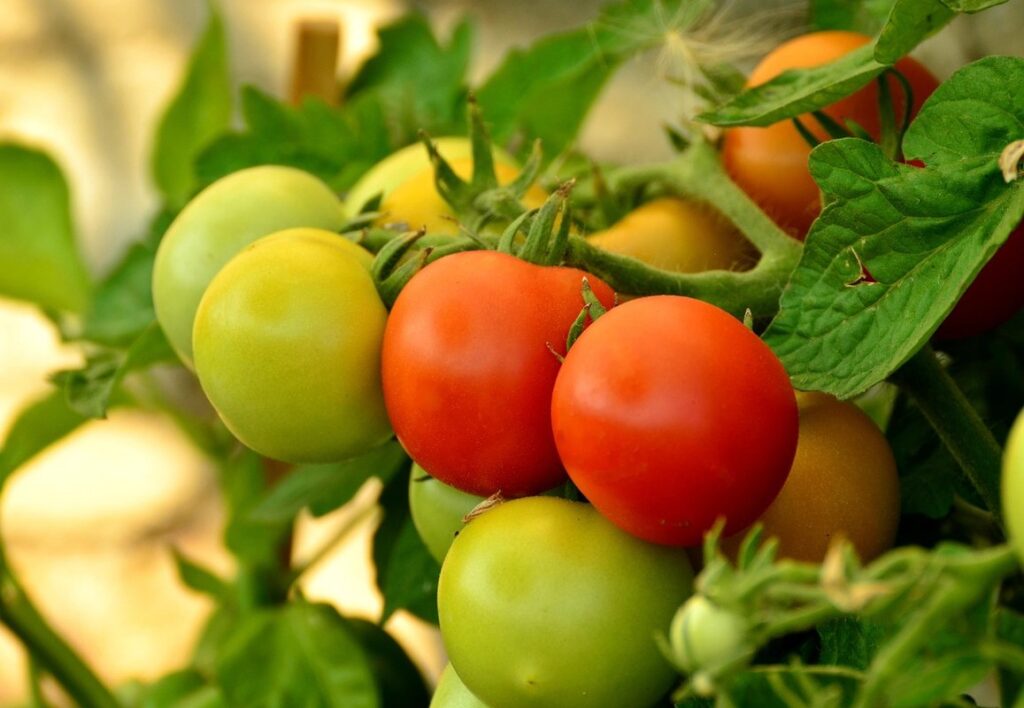
Common Causes of Dead Tomato Plants
So, you’ve lost a tomato plant and want to know what went wrong? Let’s explore some common causes that might have led to its untimely demise.
Overwatering and Root Rot
Overwatering is one of the most common mistakes gardeners make when caring for their tomato plants. While tomatoes need adequate water to produce fruit, excessive moisture can be detrimental to the plant’s health. When a tomato plant is consistently overwatered, its roots begin to rot, leading to root decay and ultimately, the plant’s death.
Signs of root rot include yellowing leaves, wilting, and a soft, mushy texture at the base of the stem. If left unchecked, root rot can spread quickly, causing the plant to decline rapidly.
To prevent overwatering and its associated problems, it’s essential to monitor soil moisture regularly. Water your tomato plants when the top 2-3 inches of soil feel dry to the touch. Also, ensure good drainage by adding organic matter like compost or well-rotted manure to improve soil structure and aeration.
To diagnose root rot, gently remove the plant from its container and inspect the roots. If they’re soft, mushy, or have a foul odor, it’s likely that your tomato plant is suffering from root rot. Prune affected roots, repot the plant in fresh, well-draining soil, and adjust your watering schedule to prevent future occurrences.
Underwatering and Nutrient Deficiency
Underwatering and nutrient deficiencies are often overlooked as causes of dead tomato plants, but they can be just as deadly. When a tomato plant doesn’t receive enough water, the leaves may wilt, and the fruit will become misshapen or rot. This can happen when the soil is allowed to dry out between waterings, or if the watering schedule is inconsistent.
Nutrient deficiencies, on the other hand, occur when essential nutrients like nitrogen, phosphorus, and potassium are lacking in the soil. Without these necessary macronutrients, tomato plants won’t be able to grow properly, and they may develop yellow or pale leaves.
Proper fertilization techniques can help prevent nutrient deficiencies. Use a balanced fertilizer with a ratio of 10-10-10 (nitrogen-phosphorus-potassium) during the growing season, and apply it according to package instructions. For underwatering issues, ensure that your plants receive at least one inch of water per week, either through rainfall or irrigation.
To avoid both problems, monitor your plant’s watering needs closely by checking the soil moisture daily. Additionally, take a sample of your soil to a local nursery or gardening store for analysis to determine any nutrient deficiencies and recommend corrective actions.
Pests and Diseases
Pests like hornworms can be devastating to tomato plants. These large green caterpillars feed on leaves and fruits, causing significant damage. To identify them, look for holes eaten into the foliage and actual worms hanging from the underside of leaves. Hand-picking is a simple control method – check your plant regularly, especially during peak insect seasons.
Aphids are another common pest that can kill tomato plants by sucking sap from stems and leaves. Check the undersides of leaves and along leaf veins for these small, soft-bodied insects. Use a strong spray of water to dislodge them or apply neem oil as a control method.
Fungal diseases such as fusarium wilt and root rot are often caused by poor soil drainage and overwatering. Monitor your plant’s watering schedule and make sure the pot has proper drainage holes. Remove any infected leaves or stems, and improve air circulation around the plant to prevent further spread of disease. Regularly inspect your plants for signs of fungal infections like yellowing leaves, black spots, and white powdery mildew.
Tomato Plant Care 101: Tips for Healthy Growth
To help you avoid another dead tomato plant, we’ll cover the essential tips and tricks for nurturing your plants into healthy, thriving producers of juicy tomatoes.
Soil Preparation and pH Balance
Proper soil preparation and pH balance are crucial for healthy tomato plant growth. Tomato plants thrive in well-draining, fertile soils with a slightly acidic to neutral pH range (between 6.0 and 7.0). Testing your soil’s pH level is the first step in achieving this balance. You can use a DIY kit or send a sample to a lab for analysis.
If your soil test reveals an unfavorable pH, adjustments can be made by adding lime to raise the pH or sulfur or elemental iron to lower it. For example, if your soil has a high pH (alkaline), add a half-inch layer of peat moss or well-rotted compost to help bring down the pH.
To avoid common mistakes, consider these tips: use organic matter like compost or manure to improve soil structure and fertility; avoid over-fertilizing, which can lead to nutrient imbalances; and choose varieties that are resistant to specific diseases and pests prevalent in your region. By prioritizing proper soil preparation and pH balance, you’ll set the stage for a healthy and thriving tomato plant.
Pruning and Training Techniques
Pruning and training techniques are essential for promoting healthy growth and increasing yields in tomato plants. By pruning your tomato plant, you’ll remove weak and diseased branches, allowing the plant to focus its energy on producing fruit rather than foliage. This process also reduces disease susceptibility by eliminating areas where pathogens can spread.
To prune a tomato plant, start by removing any weak or spindly growth from the base of the stem. Use clean and sharp pruning shears to cut the stems just above a leaf node. Next, identify the main stem and remove any suckers (shoots that grow between the main stem and a branch) to direct the plant’s energy towards producing fruit. Finally, thin out the branches to allow for good air circulation and sunlight penetration.
By training your tomato plant, you can encourage it to grow in a more compact shape, making it easier to support with stakes or trellises. Use twine or clips to gently guide the stems upwards, securing them to the support as needed. This will also help prevent the plant from becoming too leggy and reduce the risk of disease. Regular pruning and training can make all the difference in promoting healthy growth and maximizing your tomato harvest.
Supporting Your Tomato Plant with Stakes or Cages
When growing tomato plants, it’s essential to provide them with the right support to prevent damage from environmental factors. Wind, rain, and excessive sun exposure can cause branches to break, leading to a weakened plant that’s more susceptible to disease and pests.
Using stakes or cages is an effective way to keep your tomato plant upright and secure. For smaller plants, individual stakes can be used to tie the main stem to a vertical pole, while larger plants may require a sturdy cage made of metal, wood, or bamboo. When choosing between stakes and cages, consider the space available in your garden bed and the plant’s growth habits.
To set up your tomato plant with stakes or cages, start by installing the support system before planting the seedling. This will prevent you from damaging the roots during installation. For cages, make sure to leave enough space for air circulation to prevent moisture buildup, which can lead to disease. Regularly check and adjust the supports as your plant grows, ensuring it remains secure and healthy throughout its life cycle.
What to Do When Your Tomato Plant Dies
If your tomato plant has met its untimely demise, don’t worry – we’ve got you covered. Here’s what to do next to salvage your harvest and learn from the experience.
Identifying the Cause of Death
When you discover that your tomato plant has died, it’s essential to identify the cause of death to prevent similar issues from arising with future plants. Start by inspecting the plant carefully for signs of overwatering or underwatering. Overwatered plants often have yellow or droopy leaves, soft stems, and may be producing more water than usual. In contrast, underwatered plants will exhibit wilted leaves, dry soil, and possibly a brownish tint on the leaves’ edges.
Look out for pests such as aphids, whiteflies, or spider mites, which can cause curled or distorted leaves, sticky sap on the plant’s surface, or actual insects visible on the plant. Fungal diseases like powdery mildew or leaf spot can manifest as white powder or black spots on the leaves.
To diagnose the issue, inspect the roots and stem for any signs of disease or pests. Check if the soil is waterlogged or dry to the touch. Sometimes, simply repotting the plant in fresh potting mix can resolve the problem. Keep a close eye on your plant’s behavior during its growth cycle and take preventative measures accordingly.
Disposing of Dead Plants Safely
When disposing of dead plants, it’s essential to do so safely to prevent the spread of diseases and pests. Composting is a great way to recycle your dead tomato plant, but it requires some care to avoid contaminating the compost pile with diseases or seeds from the plant.
To compost your dead tomato plant, follow these steps: start by removing any diseased or moldy parts, as these can be difficult to break down and may harm other plants in the compost pile. Then, chop the plant into smaller pieces to increase its surface area for decomposition. Add the chopped plant material to a well-ventilated compost bin along with other “green” materials like kitchen scraps and grass clippings.
If you prefer not to compost your dead tomato plant, make sure to remove it from your garden or indoor space promptly to prevent the spread of diseases to other plants. Wear gloves when handling the dead plant material to avoid transferring any potential pathogens to other areas. Finally, dispose of the dead plant in a sealed bag or bin to keep pests and diseases under control. By following these safe disposal methods, you can help maintain a healthy garden ecosystem.
Prevention is Key: Tips for Future Success
To prevent dead tomato plants from plaguing your garden in the future, it’s essential to adopt a proactive approach. Regular monitoring is crucial – check on your plants daily for signs of stress, such as yellowing leaves or droopy stems. Be aware that this can be an early indicator of overwatering or underwatering.
Proper care techniques are also vital. Ensure you’re providing the right amount of sunlight (at least 6 hours a day) and water (about 1 inch per week). Keep in mind that different tomato varieties have varying needs, so research your specific plant to avoid common mistakes.
Familiarize yourself with common issues like pests, diseases, and nutrient deficiencies. For example, tomato blight can be caused by fungal spores spreading through moisture on the leaves. By understanding potential problems, you’ll be better equipped to take preventative measures. Keep your soil consistently moist during the first week after transplanting, but avoid overwatering thereafter. This will help prevent waterlogged roots and related diseases.
Stay informed about best practices in your local climate, as this can significantly impact plant growth. For instance, tomatoes grown in warmer regions may require more frequent watering than those in cooler climates.
How to Revive a Dying Tomato Plant
Don’t throw away your dying tomato plant just yet! Instead, learn how to breathe new life into it and give it another chance at thriving.
Signs of Revival and Improvement
As you continue to care for your struggling tomato plant, it’s essential to be aware of the signs that indicate revival and improvement. One of the first noticeable changes is new growth – tiny white buds or small leaves emerging from the once-barren stem. This is a clear sign that your plant has responded positively to treatment.
Increased leaf production is another indicator that your plant is on the mend. New leaves will typically be smaller than older ones, but they should have the same vibrant green color. As new growth continues, you may also notice an improvement in the overall health of existing leaves – they may appear more robust and less wilted.
If you’re seeing these signs, it’s likely that your plant has successfully responded to treatment. However, don’t get too excited just yet! It’s crucial to continue providing optimal care to ensure continued progress. Keep monitoring your plant’s response and adjust its environment accordingly. With patience and persistence, even the most ailing tomato plants can be coaxed back to health.
Treatment Methods for Dying Plants
If you’ve noticed your tomato plant is struggling to stay alive, it’s essential to intervene promptly. One of the most effective treatment methods for dying plants is re-potting. This involves gently removing the plant from its current container and placing it in a fresh one with well-draining soil. Make sure the new pot is only slightly larger than the previous one, as tomato plants prefer to have their roots constricted.
When re-potting, it’s also crucial to repot with fresh soil. Old or depleted soil can harbor diseases and pests that may be contributing to your plant’s decline. Look for a high-quality potting mix specifically designed for vegetables like tomatoes, which will provide the necessary nutrients and acidity.
If re-potting isn’t feasible, adjusting care techniques is another option. This might involve adjusting watering schedules, providing more or less sunlight, or fertilizing with a balanced fertilizer. Be cautious not to over-fertilize, as this can damage your plant’s roots and exacerbate the problem.
Conclusion: Growing Healthy Tomato Plants is Key
Growing healthy tomato plants is key to enjoying a bountiful harvest. By understanding the common causes of tomato plant death, you can take preventive measures and provide your plants with the care they need to thrive. Make sure to choose disease-resistant varieties, provide adequate sunlight and water, and maintain good soil quality. Regularly inspect your plants for signs of pests or diseases, and address any issues promptly. With proper care and attention, even beginner gardeners can successfully grow healthy tomato plants that produce delicious fruits all season long. Remember, growing tomatoes is a skill that takes practice, so don’t be discouraged if you encounter setbacks – just learn from them and keep trying!
Frequently Asked Questions
Can I revive a dead tomato plant if it’s been more than a week since it stopped growing?
Yes, while it’s challenging to revive a severely neglected plant, it’s not impossible. If the plant still has some green leaves and hasn’t developed any fungal diseases, you can try pruning it back, adjusting its watering schedule, and providing optimal growing conditions.
What are some common mistakes beginners make when caring for tomato plants that can lead to dead plants?
Common rookie errors include overwatering or underwatering, poor soil quality, inadequate sunlight, and insufficient fertilization. To avoid these pitfalls, ensure you research the specific needs of your plant variety, monitor its health closely, and adjust your care routine accordingly.
How do I prevent root rot in my tomato plants during periods of high rain or flooding?
To minimize the risk of root rot, elevate your plants using a raised bed or container with good drainage. If you can’t move your plants, consider installing a French drain system to redirect excess water away from their roots. Regularly inspect your plant’s roots and adjust its watering schedule to prevent overwatering.
What are some non-toxic household items I can use to treat fungal diseases affecting my tomato plants?
To tackle fungal infections without harming the environment or your family, try using natural remedies like neem oil, garlic spray, or baking soda. Always research the specific product’s safety and efficacy before application and follow the manufacturer’s instructions carefully.
How long does it take for a healthy tomato plant to recover from nutrient deficiencies once they’ve been corrected?
Recovery time varies depending on the severity of the deficiency, soil quality, and plant health. Typically, you can expect to see noticeable improvements within 7-14 days after adjusting your fertilization schedule and providing optimal growing conditions.