
Have you ever noticed that your prized tomato plants have developed an unexpected tint to their leaves? Purple tomato leaves can be both fascinating and alarming at the same time. While they might add a pop of color to your garden, this discoloration can also indicate underlying issues with your plants’ health.
In this article, we’ll delve into the common causes behind purple tomato leaves, exploring how nutrient deficiencies and environmental factors contribute to this phenomenon. We’ll examine how these conditions can impact your plant’s growth and productivity. By understanding the root causes of purple leaves, you’ll be better equipped to take preventative measures and ensure your tomatoes thrive.
By the end of our discussion, you’ll have a solid grasp on what drives this condition and learn actionable tips to prevent damage to your plants, ultimately maximizing their potential for a bountiful harvest.
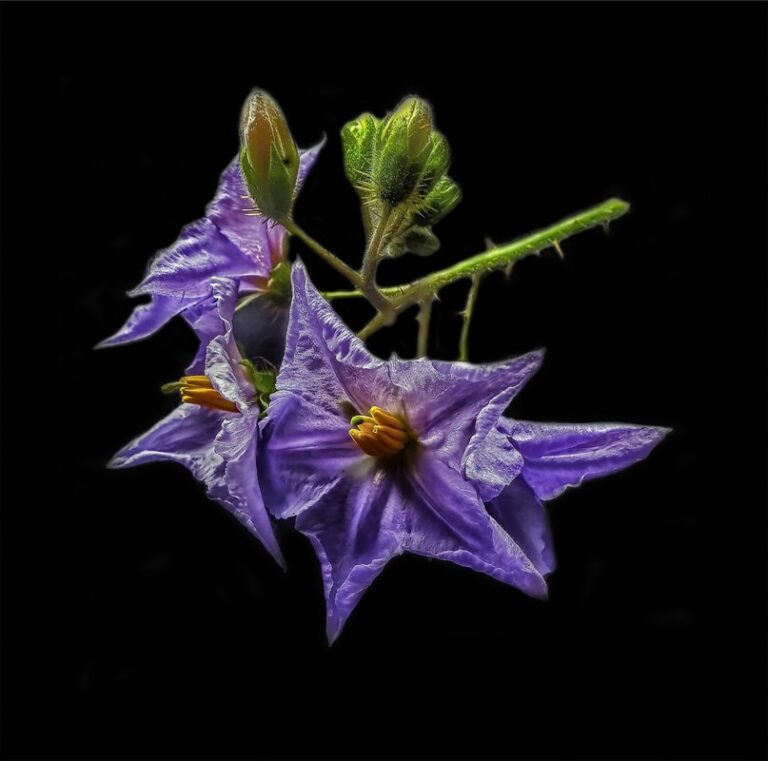
What Are Purple Tomato Leaves?
Let’s dive into the world of purple tomato leaves and explore what causes them, from nutrient deficiencies to pests and diseases. This unique phenomenon can be a sign of something more significant going on in your garden.
Normal vs. Abnormal Leaf Color
When we’re trying to determine if our tomato plant’s leaves are displaying an abnormal purple tint, it’s essential to understand what constitutes normal color variation. Tomato leaves typically come in shades of green, from light minty tones to deep forest greens. However, some plants may exhibit yellow or pale yellowish-green hues due to factors like nutrient deficiencies or exposure to extreme temperatures.
These variations are perfectly natural and don’t necessarily indicate any underlying issues with the plant’s health. For instance, tomatoes grown in well-draining soil tend to have leaves that are more vibrant green, whereas those in soil with high water retention may display a paler yellowish hue.
To distinguish between normal color variation and an abnormal purple tint, inspect your plant’s leaves closely. Are they uniformly colored or do you notice any unusual discoloration? If the leaves appear wilted or show signs of disease, it could be unrelated to their color.
Keep in mind that environmental factors such as soil quality, temperature, and moisture levels can significantly impact leaf color. When evaluating your tomato plant’s leaves, consider these factors and assess whether the purple tint is an isolated incident or a widespread occurrence on the plant.
Factors Contributing to Purple Leaves
When we talk about purple tomato leaves, it’s not just a matter of aesthetics – there are underlying factors at play. Environmental conditions can significantly contribute to this phenomenon.
Temperature fluctuations are one such factor. Tomatoes are sensitive to extreme temperatures, and when exposed to sudden changes, the plant may exhibit unusual coloration as a stress response. For instance, a prolonged heatwave or a harsh cold snap can cause the leaves to turn purple. It’s essential to monitor temperature fluctuations in your garden or indoor setup to prevent such occurrences.
Nutrient deficiencies are another crucial factor to consider. A lack of magnesium or potassium can lead to interveinal chlorosis, resulting in yellowing or purpling of the leaves. Prolonged exposure to pests or diseases can also weaken the plant’s ability to absorb essential nutrients, further exacerbating the issue. Regular soil testing and balanced fertilization can help mitigate these problems.
Pesticide exposure is another environmental factor that should not be overlooked. The residues from certain chemicals can damage the plant’s photosynthetic apparatus, causing the leaves to turn purple. This emphasizes the importance of using integrated pest management techniques and adopting organic practices whenever possible.
Common Causes of Purple Tomato Leaves
Purple tomato leaves can be a mystery, but understanding their causes is key to fixing the issue. Let’s dive into some common reasons behind this puzzling phenomenon.
Nutrient Deficiencies: A Likely Culprit
When it comes to the vibrant purple color of tomato leaves, nutrient deficiencies often play a significant role. Potassium, for instance, is an essential mineral that helps regulate the balance of water within plant cells. A potassium deficiency can lead to dulling of leaf color, which may manifest as a pale or washed-out appearance.
Magnesium, another crucial nutrient, is also involved in photosynthesis and chlorophyll production, processes that determine leaf greenness. If your soil lacks sufficient magnesium, you may observe symptoms like yellowing between the veins or interveinal chlorosis, making the leaves appear less vibrant than usual. To check for potassium or magnesium deficiencies, simply have a soil test done to see if these nutrients are in adequate supply.
It’s worth noting that other essential micronutrients can also affect leaf color. For example, a lack of manganese might cause yellowing on the lower part of leaves or edges becoming distorted and curled. So, monitoring your plant’s nutrient intake is crucial for maintaining healthy-looking foliage – especially when dealing with an unusual color like purple!
Pests and Diseases: Unlikely but Possible Causes
When it comes to purple tomato leaves, most gardeners think of environmental factors like soil pH, temperature fluctuations, and nutrient deficiencies. However, some uncommon causes might be hiding in plain sight – pests and diseases that can indirectly contribute to abnormal leaf colors.
Pests like aphids, whiteflies, and spider mites can weaken the plant’s defenses and create an environment conducive to disease development. For instance, aphid infestations can lead to a buildup of toxins in the plant, altering its natural pigmentation process. Similarly, diseases such as fusarium wilt can cause internal damage, disrupting the plant’s ability to produce normal-colored leaves.
To identify whether pests or diseases are at play, inspect your plants closely for signs of infestation or infection. Check for unusual growth patterns, discoloration, or other anomalies that might indicate pest or disease activity. If you suspect an issue, take action promptly by introducing beneficial insects, practicing good sanitation, and applying targeted treatments as needed.
By keeping a watchful eye on your plants and being aware of these unlikely causes, you can address the root problem and promote healthy growth, including normal-colored leaves.
Impact on Plant Health and Yield
As we explore the mystery of purple tomato leaves, let’s dive into how these unusual leaves impact plant health and crop yields. You’ll learn what to expect from your own plants.
Understanding the Severity of Leaf Damage
When purple leaves appear on tomatoes, it’s essential to assess their impact on photosynthesis, nutrient uptake, and overall plant health. Photosynthesis is the process by which plants convert sunlight into energy, and it’s critical for growth and development. Purple leaves can block or reduce light penetration, thereby inhibiting photosynthesis.
Reduced photosynthesis can lead to stunted growth, lower yields, and decreased fruit quality. To determine the severity of leaf damage, inspect your plant regularly. Check for signs of discoloration, yellowing, or browning, which may indicate nutrient deficiencies or stress caused by environmental factors.
Assess the extent of the damage by comparing affected areas with healthy ones. If only a few leaves are affected, it might not be detrimental to overall yield. However, if multiple leaves are damaged, consider implementing corrective measures such as pruning or adjusting your watering schedule.
Keep in mind that some plants may develop purple leaves due to natural pigmentation variations, and these won’t necessarily impact plant health. To confirm whether the damage is severe, monitor your plant’s growth rate and adjust its environment accordingly.
Potential Effects on Tomato Fruit Production
Purple tomato leaves can have a significant impact on plant health, but what about fruit production? If left unchecked, leaf damage can affect not only the quantity of tomatoes but also their quality. This is because damaged leaves often indicate underlying issues that require attention.
Leaf damage can lead to reduced photosynthesis, causing plants to allocate more energy towards repairing itself rather than producing fruit. This can result in smaller or lower-quality tomatoes. Research suggests that even minor leaf damage can reduce tomato yields by up to 20%. Moreover, a study on organic farming practices found that crops with severely damaged leaves produced fewer marketable fruits.
To mitigate the effects of purple tomato leaves on fruit production, it’s essential to identify and address the underlying causes. Inspect your plants regularly for signs of pests or diseases. Remove any affected leaves to prevent the spread of disease and encourage healthy growth. By taking proactive steps, you can minimize the impact on fruit quality and quantity, ensuring a healthier and more productive crop. Regular pruning and monitoring will help maintain optimal plant health and maximize yields.
Prevention and Management Strategies
If you’re struggling with purple tomato leaves, understanding how to prevent and manage this issue is crucial. In this next part, we’ll explore practical strategies for a healthier plant.
Optimizing Growing Conditions
Maintaining optimal growing conditions is crucial for healthy tomato plants. When it comes to purple tomato leaves, ensuring the right environment can help prevent their appearance. One of the primary factors to consider is temperature. Tomato plants thrive between 65°F and 70°F (18°C and 21°C), while temperatures above 80°F (27°C) can lead to stress and discoloration.
Watering schedules are also vital for healthy tomato growth. Aim to provide about 1 inch of water per week, either through rainfall or irrigation. Avoid overwatering, as this can cause fungal diseases that may turn your tomatoes’ leaves purple. Soil pH is another critical aspect to manage. Tomato plants prefer a slightly acidic to neutral soil pH between 6.0 and 7.0.
Monitor your plants’ specific needs based on climate, season, or even the time of day. By maintaining an optimal temperature range, adhering to a consistent watering schedule, and managing soil pH, you can minimize the likelihood of purple leaves appearing. This proactive approach will not only promote healthy growth but also reduce stress on your tomato plants. Regularly inspect your plants for signs of nutrient deficiencies or environmental stressors that may contribute to purple leaf discoloration.
Monitoring and Addressing Nutrient Deficiencies Early On
When it comes to maintaining healthy tomato plants, regular monitoring of nutrient levels is crucial. Nutrient deficiencies can lead to purple discoloration on leaves, stunted growth, and reduced yields. To prevent this, it’s essential to establish a routine for checking soil pH and nutrient levels. Use a soil testing kit or consult with your local nursery for guidance.
Pruning techniques also play a significant role in promoting balanced growth. Remove lower branches to increase air circulation and prevent fungal diseases that can cause leaf discoloration. Regular pruning will also encourage bushy growth, making it easier to inspect leaves for signs of nutrient deficiencies.
Mulching around the plants is another key practice to maintain soil health. Organic mulch like straw or bark chips helps retain moisture, suppress weeds, and regulate soil temperature. As a bonus, mulching can help prevent overwatering, which can lead to nutrient deficiencies in tomato plants.
By incorporating these practices into your gardening routine, you’ll be better equipped to detect and address any emerging issues before they escalate into more severe problems like purple leaf discoloration.
Conclusion: Balancing Aesthetics and Plant Health
As you’ve explored the possible causes of purple tomato leaves, it’s essential to consider how to balance your desire for a visually appealing plant with its overall health. This delicate balance is crucial for a thriving garden.
Recap of Key Takeaways
In recap, we’ve explored the causes and consequences of purple tomato leaves, from nutrient deficiencies to environmental stressors. We’ve seen that nitrogen toxicity is a common culprit, causing an overabundance of chlorophyll production that manifests as purple coloration. On the other hand, magnesium and iron deficiencies can also lead to similar symptoms.
To prevent or address these issues, make sure to maintain optimal soil pH levels between 6.0-7.0 for optimal nutrient uptake. Regularly test your soil to identify any imbalances and adjust fertilization accordingly. Don’t over-fertilize – it’s better to err on the side of caution and use balanced, water-soluble formulas.
In addition to proper nutrition, also monitor temperature fluctuations and humidity levels in your growing space. Avoid exposing your plants to extreme temperatures or drafts that can cause stress. By paying attention to these environmental factors and maintaining a healthy balance, you’ll be better equipped to prevent the unsightly appearance of purple leaves.
Recommendations for Future Research and Monitoring
As we conclude our exploration into the enigmatic world of purple tomato leaves, it’s essential to acknowledge that there is still much to be discovered. Further research and monitoring are needed to fully comprehend the effects of this phenomenon on plant health.
One area warranting further investigation is the role of environmental factors in triggering the appearance of purple leaves. As we’ve seen, temperature fluctuations, light exposure, and nutrient deficiencies can all contribute to this condition. However, more studies are required to determine the specific interactions between these variables and their impact on tomato plants.
Another crucial aspect for future research involves exploring the potential long-term consequences of purple leaves on plant productivity and disease resistance. For instance, do plants that exhibit purple foliage experience reduced yields or increased susceptibility to pests and diseases? Understanding these dynamics can inform best practices for farmers and gardeners seeking to mitigate the effects of this condition.
Researchers should also prioritize investigating the genetic basis of purple leaves in tomato varieties. By identifying the specific genes responsible for this trait, scientists may be able to develop more robust breeding programs that prioritize plant health while still incorporating desirable aesthetic qualities.
FAQs: Frequently Asked Questions About Purple Tomato Leaves
You’ve probably got some questions about those mysterious purple tomato leaves, and we’re here to help clarify things for you in this next section. We’ll answer your most pressing queries about this phenomenon.
Common Misconceptions and Clarifications
One common misconception about purple tomato leaves is that they are always a sign of disease or pests. While it’s true that fungal infections can cause leaves to turn purple, not all purple leaves are caused by pathogens. In fact, some varieties of tomatoes naturally produce purple foliage due to genetic factors.
Another misconception is that purple leaves are inherently unhealthy for the plant. However, many plants with purple leaves, including tomatoes, can still grow and thrive without issue. To clarify this point, consider the example of ‘Purple Prince’ tomato variety, which boasts beautiful deep purple foliage but produces healthy fruit.
To determine whether your tomato’s purple leaves are caused by disease or genetics, inspect the plant for other symptoms such as black spots, yellowing leaves, or white powdery patches. If you suspect a fungal infection, treat the affected area with a fungicide and improve air circulation around the plant.
Best Practices for Gardeners and Farmers
To maintain healthy plants and minimize the risk of abnormal leaf colors like purple tomato leaves, follow these best practices. Regular soil testing is crucial as it helps you identify nutrient deficiencies that could lead to discoloration.
Maintain optimal pH levels between 6.0-7.0 for most tomatoes. This range ensures essential nutrients are readily available to your plants. For instance, iron and manganese become more accessible at slightly acidic to neutral pH levels.
Monitor moisture levels closely as overwatering can cause nutrient deficiencies and promote fungal growth that leads to unusual leaf colors. Regular pruning of lower leaves not only improves air circulation but also encourages the plant’s natural defenses against pests and diseases.
Fertilize with a balanced, water-soluble fertilizer during the growing season. This ensures your plants receive the necessary nutrients for healthy growth without overloading them.
Frequently Asked Questions
What can I do immediately if I notice purple leaves on my tomato plants, while I’m still learning more about the causes?
While you’re researching the reasons behind your plant’s discoloration, it’s essential to address any potential threats to its health. Start by inspecting your plant for pests and diseases, and take action accordingly. Ensure proper air circulation around the plant and maintain a clean growing environment to prevent the spread of infections. If necessary, prune affected areas to minimize damage.
Can I still harvest tomatoes from plants with purple leaves?
Yes, in many cases, you can continue harvesting tomatoes from plants with purple leaves. However, the impact on fruit production will depend on the severity and duration of leaf discoloration. Monitor your plant’s overall health and adjust your care routine accordingly. If the condition persists or worsens, consider removing affected areas to prioritize the plant’s well-being.
How can I monitor my tomato plants for nutrient deficiencies that might contribute to purple leaves?
Regularly inspect your plants’ leaves for signs of nutrient deficiencies, such as yellowing or curling leaves. Soil testing will help you identify any underlying nutrient imbalances. Adjust your fertilization schedule based on test results and ensure you’re providing a balanced diet for your plants.
Can environmental factors like temperature fluctuations cause purple leaves?
Yes, temperature extremes can contribute to plant stress, leading to discoloration. Keep an eye on temperature fluctuations in your area and provide protection for your plants during extreme weather events. Ensure proper irrigation to maintain consistent soil moisture levels, which can also impact leaf color.
What’s the most effective way to prevent nutrient deficiencies that lead to purple leaves?
To minimize the risk of nutrient deficiencies, implement a regular fertilization schedule tailored to your plant’s needs. Monitor your plants’ response and adjust as necessary. Soil testing will help you identify potential issues early on, allowing for prompt corrective action.