
Are you ready to bring some festive flair into your home with a beautiful Christmas cactus? These stunning plants are not only long-lasting, but they’re also surprisingly easy to care for. If you’ve ever struggled to keep houseplants alive or want to add a touch of holiday magic to your decor, learning how to start and care for a Christmas cactus is a great place to begin. With the right variety and some simple propagation methods, you can have your very own blooming beauty in no time. But it’s not just about getting your plant started – we’ll also cover essential tips on soil requirements, watering schedules, and how to encourage those gorgeous flowers to bloom year after year.
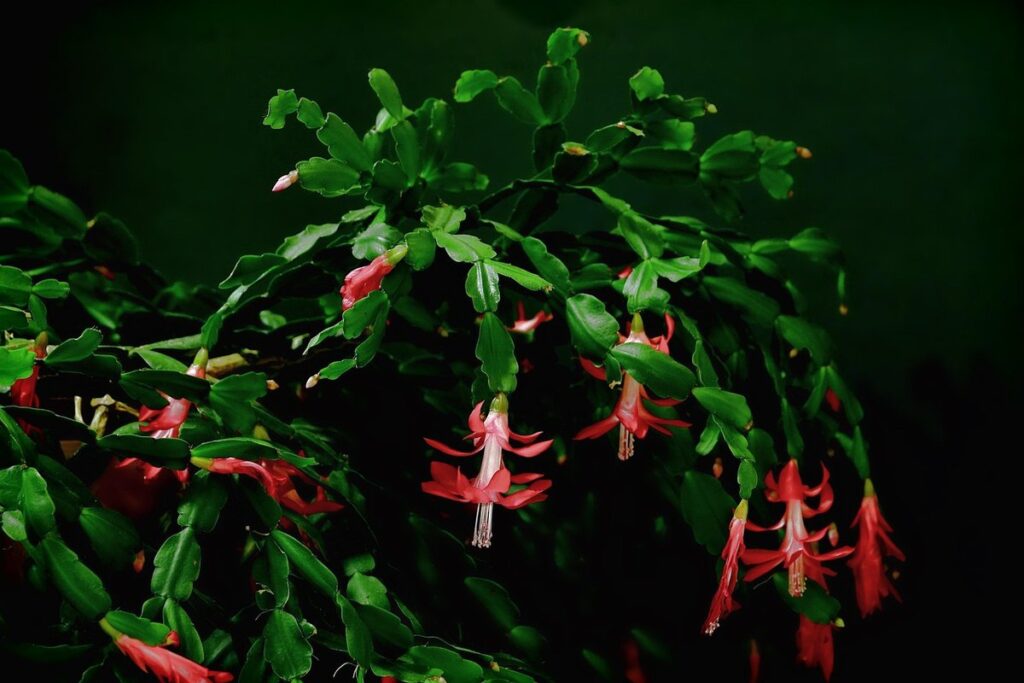
Choosing the Right Christmas Cactus Variety
With so many gorgeous varieties to choose from, selecting the perfect Christmas cactus can be overwhelming – let’s break down your options.
Understanding the Types of Christmas Cacti
When it comes to choosing the right Christmas cactus variety, understanding the different types available is crucial. With over 200 species and hybrids, you’ll find a wide range of unique characteristics and growing requirements.
One popular hybrid is ‘Silver Snow’, known for its beautiful white flowers with silvery streaks. This variety prefers well-draining soil and indirect sunlight, making it perfect for indoor spaces. On the other hand, ‘Perle von Nurnberg’ boasts delicate pink flowers and requires more humidity to thrive. As a general rule, Christmas cacti with larger flowers tend to prefer brighter light, while those with smaller blooms do better in shadier conditions.
Some other notable varieties include ‘Zimmermann’, which produces vibrant red flowers, and ‘Liliputt’, featuring small white blooms. When selecting your Christmas cactus, consider the amount of light and space you can provide. Researching the specific needs of each variety will help ensure you’re giving your new plant the best chance to thrive.
Keep in mind that some hybrids are bred specifically for their unique characteristics, such as compact growth or unusual flower colors. By choosing a variety that suits your lifestyle and growing conditions, you’ll be well on your way to creating a stunning Christmas cactus display.
Factors to Consider When Selecting a Christmas Cactus
When selecting a Christmas cactus variety for your home, it’s essential to consider several factors beyond just its appearance. Plant size is one crucial aspect to think about – will the mature plant fit comfortably on a shelf or mantle? Larger varieties can take up significant space, so it’s vital to measure your available area before making a purchase.
The shape of the cactus is another consideration, as some have sprawling habits that require more support than others. If you’re short on space or prefer a more compact option, look for varieties with upright growth habits.
Color also plays a significant role in selecting the right Christmas cactus variety. While some people adore traditional red and pink hues, others may prefer more subtle shades like white, lavender, or even bi-colored options. Consider your personal preferences and the overall aesthetic you’re aiming to achieve in your home when choosing a colored variety.
Ultimately, think about how your new plant will fit into its surroundings and complement the existing decor. By considering these factors, you’ll be able to find the perfect Christmas cactus for your unique space and ensure it thrives under your care.
Preparing Your Environment for Your Christmas Cactus
To get started on growing a healthy Christmas cactus, you’ll first need to prepare its environment by choosing a bright spot and keeping it away from drafts. This will help your plant thrive.
Creating an Optimal Climate for Your Plant
Christmas cacti thrive in cooler temperatures, which is one of the reasons they’re ideal for indoor spaces. The ideal temperature range for these plants is between 40°F to 60°F (4°C to 15°C). While they can tolerate some fluctuation, staying within this range will promote healthy growth and prevent potential damage.
To maintain a suitable environment, you can use heating or cooling systems to regulate the temperature in your home. If you live in an area with a mild climate, placing the Christmas cactus near a window that receives gentle morning sunlight can also help keep it cool. Conversely, if you’re located in a colder region, moving the plant away from drafts and radiators is essential.
Maintaining adequate humidity levels is equally crucial for your Christmas cactus’s well-being. You can achieve this by placing the pot on a tray filled with water and pebbles or using a humidifier near the plant. This will create a microclimate that promotes healthy growth, prevents overwatering, and encourages blooming.
Lighting Requirements for a Healthy Christmas Cactus
When it comes to growing a healthy and thriving Christmas cactus, lighting is one of the most critical factors to consider. These plants are native to the tropical regions of South America, where they receive bright, indirect light year-round. To replicate this environment, you’ll want to position your Christmas cactus in a spot that receives plenty of natural light, but not direct sunlight.
In terms of specific lighting requirements, aim for an east- or west-facing window, which provides gentle, indirect light throughout the day. Avoid placing your plant near south-facing windows, as the intense sunlight can cause scorching and discoloration.
If you don’t have a bright, sunny spot in your home, there are still options available. You can also use artificial lighting to supplement the natural light. A grow light placed 6-8 inches above the soil surface will provide the necessary spectrum for photosynthesis without causing damage to the plant’s delicate tissues.
To ensure optimal light exposure, rotate your Christmas cactus every few days to prevent it from leaning towards one side. By doing so, you’ll promote even growth and help your plant stay healthy and robust throughout the year.
Propagation Methods for Your Christmas Cactus
To successfully multiply and share your prized Christmas cactus, you’ll want to learn the best methods for propagating these beautiful plants. We’ll cover the most effective ways to do so in this section.
Stem Cuttings: The Most Popular Method
Taking stem cuttings is one of the most popular methods for propagating Christmas cacti. To start, you’ll want to select healthy stems that are around 4-6 inches long and have at least two nodes or “joints” where the leaves meet the stem. Avoid taking cuttings from weak or damaged areas of the plant.
Next, prepare your cutting tool by cleaning it with soap and water to prevent any bacteria or debris from affecting the propagation process. Now, carefully snip the chosen stem just above a node using a sharp, sterile knife or pruning tool.
Place the cut end in a glass of water or a propagation tray filled with a well-draining potting mix. Water should be changed every 7-10 days to prevent root rot. Keep the area around the cutting bright and warm but not in direct sunlight, as this can cause overheating. Within 2-4 weeks, roots will develop, and you’ll start to see new growth on the stem cutting. Once rooted, transplant the cutting into a small pot filled with a well-draining cactus mix and provide it with proper care, including infrequent watering and bright indirect light.
Leaf and Segment Propagation
If you’re looking for alternative methods to propagate your Christmas cactus, leaf and segment propagation are excellent options. Unlike stem cuttings, these methods allow you to create new plants using individual leaves or segments, rather than the entire stem.
Leaf Propagation: This method involves removing a healthy leaf from the mother plant and allowing it to root in a well-draining potting mix. The advantages of leaf propagation include increased chances of success, as even damaged leaves can be used, and the ability to propagate multiple plants at once. However, this method can be slower than stem cutting, and the new plant may not have the same vigor as one grown from a stem cutting.
Segment Propagation: Similar to leaf propagation, segment propagation involves removing individual segments (or “pads”) from the mother plant and allowing them to root. This method is ideal for Christmas cacti with multiple stems or for those who want to create more compact plants. Segments can be rooted in water or a potting mix, and they often produce roots within 2-3 weeks.
Both leaf and segment propagation offer advantages over stem cutting, including increased flexibility and reduced risk of failure. By trying out these alternative methods, you can increase your chances of successfully starting new Christmas cactus plants.
Soil and Fertilization Requirements for Your Christmas Cactus
To thrive, your Christmas cactus needs a well-draining potting mix that’s rich in organic matter. We’ll cover the essential soil and fertilization requirements to support its growth.
The Importance of Well-Draining Potting Mix
When it comes to starting and maintaining a healthy Christmas cactus, choosing the right potting mix is crucial. A well-draining potting mix specifically designed for cacti will help prevent root rot, ensure proper water absorption, and support healthy growth.
To choose the right mix, look for one that contains ingredients like perlite, vermiculite, or sand. These components will improve drainage and aeration in the soil, reducing the risk of overwatering. A general-purpose potting mix is not suitable for Christmas cacti, as it can retain too much moisture and cause root rot.
When preparing your plant’s soil, start by gently removing any existing potting mix from the roots. Then, fill a container with fresh, well-draining potting mix, leaving enough space to accommodate the plant’s roots. Plant your Christmas cactus in the new mix, making sure not to bury it too deeply. Water sparingly after repotting to prevent overwatering.
By selecting and preparing a well-draining potting mix, you’ll create an optimal environment for your Christmas cactus to thrive.
Fertilizing Your Christmas Cactus During Different Seasons
As you care for your Christmas cactus, it’s essential to fertilize it during different seasons to promote healthy growth and flowering. During spring and summer, when your plant is actively growing, use a balanced, water-soluble fertilizer (20-20-20) at half the recommended strength. Apply this once a month to provide necessary nutrients.
In fall, slow down the fertilization process by using a fertilizer with higher phosphorus content (10-20-10). This will promote root development and help your plant prepare for dormancy during winter. You can skip fertilizing altogether during the winter months when your Christmas cactus is dormant.
When choosing a fertilizer, opt for one specifically designed for indoor plants or cacti. These products usually contain micronutrients that cater to the unique needs of these types of plants. Be sure to follow the manufacturer’s instructions and start with small applications to avoid burning your plant’s roots. For example, if you’re using Miracle-Gro Indoor Plant Food, mix 1 tablespoon with 1 gallon of water according to the product label.
Watering and Humidity Management for a Healthy Christmas Cactus
To keep your Christmas cactus thriving, you’ll need to get familiar with proper watering and humidity management techniques that cater to its unique needs. This is where attention to detail really matters.
The Risks of Over- or Under-Watering
When it comes to watering your Christmas cactus, it’s easy to get caught up in the uncertainty of whether you’re giving it too much or not enough water. However, neglecting this crucial aspect can lead to disastrous consequences for your plant.
Over-watering is one of the most common mistakes made by novice plant owners. When exposed to excessive moisture, the roots of your Christmas cactus can quickly become infected with root rot, a condition that causes them to turn black and mushy. This not only kills the roots but also leads to leaf drop, as the plant struggles to absorb nutrients from the damaged tissue.
On the other hand, under-watering can cause stress to your plant, leading to brittle leaves and reduced growth. But what’s the middle ground? To monitor your plant’s water needs, make sure the soil is dry to the touch between waterings. Check for this by inserting a finger or chopstick into the soil about an inch deep. If it feels dry, it’s time to water. Conversely, if it still feels damp, give it another day or two before re-checking. By getting a feel for your plant’s specific needs, you can avoid these common pitfalls and keep your Christmas cactus thriving.
Maintaining Optimal Humidity Levels
Maintaining optimal humidity levels is crucial for healthy growth and development of your Christmas cactus. When it comes to this delicate plant, keeping the air humid is essential for preventing leaf drop and promoting vibrant blooms. Ideally, you want to maintain a relative humidity level between 50-60% around your plant.
In its natural habitat, the Christmas cactus would typically thrive in environments with high humidity levels. However, most homes struggle to achieve these conditions, especially during dry winter months when central heating is on full blast. To create a more humid environment for your plant, try placing it on a tray filled with water and pebbles or using a humidifier nearby.
It’s also essential to monitor the humidity level in your home, as fluctuations can cause stress to your plant. If you live in an extremely dry climate, consider grouping plants together to create a microclimate that retains moisture in the air.
Common Pests and Diseases Affecting Christmas Cacti
If you’re growing a Christmas cactus, you’ll want to be aware of some common pests and diseases that can affect these plants, from spider mites to root rot.
Identifying Common Pests and Their Treatment Options
Christmas cacti are susceptible to common pests like mealybugs, spider mites, and scale. These tiny creatures can quickly infest your plant, causing damage and discoloration. Mealybugs, for instance, secrete a sticky substance called honeydew that attracts other insects and promotes fungal growth.
To treat these pests, you’ll need to use a combination of removal techniques and chemical treatments. Start by gently washing the affected areas with a soft-bristled brush or a cotton swab to remove any visible pests. Next, mix neem oil or insecticidal soap with water according to the product’s instructions and spray it evenly over the plant’s leaves and stems.
Allow the solution to dry completely before watering your Christmas cactus. Repeat this process every 7-10 days until you no longer see signs of pests. For severe infestations, consider applying a systemic insecticide, but be sure to follow the product’s instructions carefully to avoid harming your plant.
Recognizing and Treating Fungal Infections
Fungal infections are one of the most common problems faced by Christmas cactus growers. These infections can be caused by over-watering, poor air circulation, and high humidity levels. When the roots of your Christmas cactus are consistently waterlogged, it creates an ideal environment for fungal pathogens to thrive.
Symptoms of a fungal infection include soft, mushy stems, black or brown spots on the leaves, and a white powdery growth on the surface of the plant. If left untreated, these infections can quickly spread and kill your Christmas cactus.
If you suspect that your Christmas cactus has contracted a fungal infection, act quickly to prevent it from spreading further. To treat the infection, use a fungicide specifically designed for houseplants. Follow the instructions carefully and make sure to spray both the tops and undersides of the leaves as well as the soil around the roots.
Some popular fungicides include neem oil, sulfur-based products, and chlorothalonil. However, be cautious not to overdo it – using too much fungicide can harm your plant. It’s also essential to improve air circulation by moving your Christmas cactus to a brighter location or using fans to circulate the air.
Caring for Your Christmas Cactus During Holidays and Special Events
When you’re not busy admiring your newly started Christmas cactus, it still needs attention to thrive during holidays and special events when your routine might be disrupted.
Preparing Your Plant for Decorations and Guests
As the holiday season approaches and you’re getting ready to display your Christmas cactus, it’s essential to prepare it for the spotlight. This means taking a few precautions to ensure your plant remains healthy and thriving amidst the festivities.
Firstly, avoid placing your Christmas cactus near direct heat sources, such as radiators or fireplaces, as this can cause damage to the plant. Instead, position it in an area with bright, indirect light, like an east- or west-facing window. This will help maintain its vibrant color and prevent scorching of the leaves.
When displaying your Christmas cactus on a table or mantle, use a sturdy decorative pot that won’t topple over, especially if you have young children or pets around. Make sure to water it only when necessary, as excess moisture can lead to root rot in cold temperatures. With these simple precautions, your Christmas cactus will be the star of the show, and with proper care, it’ll continue to bloom beautifully throughout the holiday season.
Maintaining a Healthy Christmas Cactus Through the Holiday Season
As you enjoy the festive season with your new Christmas cactus, it’s essential to maintain its health and vibrancy. Overindulgence in decorations and gatherings can lead to neglect of your plant’s needs. To keep your cactus thriving through the holiday season, ensure it receives sufficient light.
Keep in mind that Christmas cacti don’t require direct sunlight, but a bright spot with indirect light is ideal. Avoid placing them near drafty windows or in areas with intense artificial lighting, which can cause stress and impact blooming cycles.
Regular watering remains crucial, even during the holidays. However, reduce frequency to once every 7-10 days as temperatures tend to rise indoors. Check soil moisture by sticking your finger into the pot; if it feels dry, water sparingly. Be cautious not to overwater, which can lead to root rot and other issues.
Monitor temperature fluctuations, keeping your cactus away from heating vents or radiators, where temperatures often soar above 70°F (21°C). If you must bring it near a fireplace or heater, maintain a safe distance of at least three feet. By providing the right conditions, your Christmas cactus will continue to flourish and delight during the holiday season.
Frequently Asked Questions
How often should I repot my Christmas cactus as it grows?
Repot your Christmas cactus every 2-3 years, or when the soil becomes packed and the plant outgrows its container. This will give the roots room to expand and prevent waterlogging. Choose a pot that is only slightly larger than the previous one to maintain moisture retention.
Can I grow multiple Christmas cacti in the same pot?
While it’s technically possible, growing multiple Christmas cacti in the same pot can lead to competition for resources and increased risk of pests and diseases. It’s generally recommended to plant each cactus separately to ensure they receive adequate light, water, and nutrients.
What are some common mistakes people make when propagating Christmas cacti?
Some common errors include overwatering or underwatering the cutting, not providing sufficient humidity, or exposing the cut end of the stem to direct sunlight. To avoid these issues, ensure you’re using a well-draining potting mix and maintaining optimal humidity levels (around 40-50%) during the propagation process.
Can I propagate Christmas cacti in the winter months?
While it’s possible to propagate Christmas cacti year-round, the plant is typically dormant during the winter months. To encourage successful propagation, wait until spring or early summer when the plant is actively growing and producing new growth.
How do I identify a healthy stem cutting for propagation?
Look for stems with at least 3-4 segments (joints) and a healthy base with no signs of rot or damage. Cut from the mother plant during its active growing season, typically in spring or summer, to increase the chances of successful propagation.