
As the weather starts to cool down, you’re probably thinking about preparing your garden for the cold months ahead. One essential task on your winter to-do list is pruning your hydrangea plants. Pruning at the right time can make all the difference in keeping your hydrangeas healthy and thriving come springtime.
But why prune in the first place? By removing dead or damaged wood, you’re allowing your hydrangea to conserve energy and focus on producing beautiful blooms next season. However, pruning incorrectly can do more harm than good. In this article, we’ll walk you through a comprehensive guide on how to prune your hydrangeas effectively for winter. We’ll cover the best tools to use, when to prune, and essential tips for removing deadwood, as well as what to expect in the post-pruning care process.
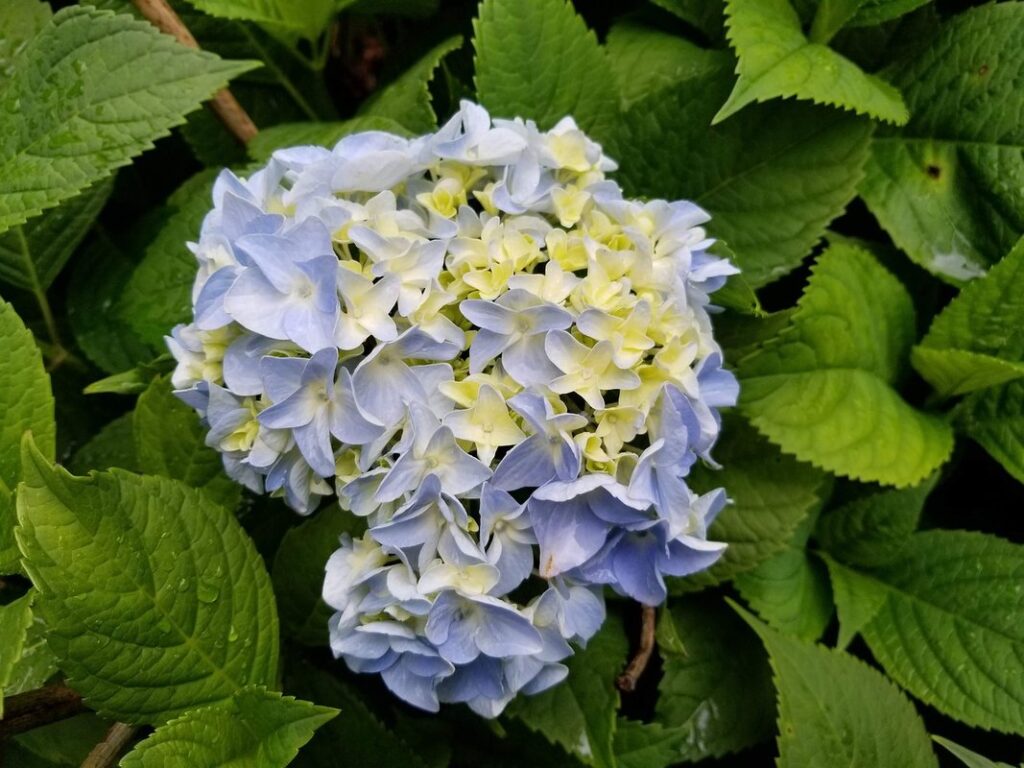
Understanding Your Hydrangea’s Needs
To help you prune your hydrangeas effectively, let’s first understand their basic needs, including sunlight, water, and nutrient requirements. This foundation will inform your pruning decisions.
Seasonal Changes and Their Impact on Hydrangeas
As you prepare to prune your hydrangea for winter, it’s essential to understand that these beautiful shrubs undergo significant changes throughout the year. Their growth patterns and pruning needs vary with the seasons, which can be a bit tricky to navigate.
In spring, hydrangeas emerge from dormancy, producing new growth on the tips of their branches. This is an excellent time for pruning, as you can shape the plant and remove any dead or damaged stems. However, if you prune in early spring, you may inadvertently cut off next year’s flower buds, which are typically formed in late summer.
In summer, hydrangeas reach their full foliage, producing an abundance of leaves. This is a good time for maintenance pruning to control the plant’s size and promote healthy growth. Be cautious not to over-prune, as this can lead to weak and spindly stems.
As fall approaches, hydrangeas begin to slow down their growth, preparing for winter dormancy. This is an excellent time for heavy-duty pruning, as the plants are less stressed and more resilient to cuts.
When it comes to pruning for winter, timing is everything. Ideally, you should prune your hydrangea in late winter or early spring, about 2-3 weeks before new growth begins. This allows the plant to heal quickly and reduces the risk of disease and pest issues.
Identifying the Right Time to Prune
When it comes to pruning hydrangeas, timing is crucial. You see, hydrangeas are either dormant or active at different times of the year, and these periods significantly impact their ability to heal from cuts. During dormancy, typically between November and March, depending on your location, hydrangeas have stopped growing altogether. This makes it the ideal time for pruning as there’s no sap flow, minimizing the risk of disease entry points.
On the other hand, when they’re active, usually between April and October, new growth is happening rapidly. Pruning during this period can lead to the cut area being more susceptible to infection, which could result in root rot or fungal diseases. In addition to these periods, it’s essential to note that hydrangeas go through different growth stages. Young plants tend to require more pruning as they develop, whereas mature ones need less maintenance.
To determine whether your hydrangea is dormant or active, observe the new stem growth, if any. If there are no signs of greenery and the plant appears bare, it’s likely in a dormant state.
Preparing Your Tools and Hydrangea
Before you start pruning your hydrangeas, make sure you have the right tools and your plant is ready for a good trim to prepare it for winter. Gather your pruning shears, gloves, and a sharp saw if needed.
Choosing the Right Pruning Tools
When it comes to pruning hydrangeas, having the right tools is essential for making clean cuts and promoting healthy growth. You’ll want to start with a pair of good-quality loppers, specifically designed for cutting thicker branches. Look for loppers with long handles (at least 30 inches) and sharp blades that can cut through wood up to 1-2 inches in diameter.
Pruning shears are also a must-have for hydrangea pruning. Choose a pair with high-carbon steel blades and comfortable grips, allowing you to make precise cuts without straining your hands or wrists. Some pruning shears come with curved or angled blades, which can be beneficial for reaching into tight spaces or cutting thicker stems.
Don’t forget about the importance of protecting yourself while pruning! A good pair of gloves will help prevent thorns and sap from causing discomfort and irritation. Opt for a pair made from durable materials like leather or synthetic fabrics that provide grip and protection.
By investing in these essential tools, you’ll be well-equipped to tackle your hydrangea pruning task with confidence and precision.
Before You Start: Inspecting Your Hydrangea
Before you start pruning your hydrangea, it’s essential to inspect your plant for signs of disease or pests. This will help you identify and address any potential issues before they worsen during the winter months. Check the leaves, stems, and flowers for any visible damage, discoloration, or unusual growth patterns.
Look for signs of common hydrangea diseases like powdery mildew, leaf spot, or root rot, which can cause wilting, yellowing, or blackening of leaves. Also, check for pests like aphids, whiteflies, or spider mites that can suck sap from the plant, causing damage.
To inspect your hydrangea thoroughly, examine each branch and twig, looking for any knots, cracks, or splits in the bark. Check the flower heads for signs of botrytis, a fungal disease that causes soft, grayish-brown patches on the flowers. If you notice any issues, treat them promptly before pruning to prevent further damage. A healthy plant will respond better to pruning and be more resilient during the winter months.
Removing Deadwood
Removing deadwood from hydrangeas is a crucial step in winter pruning, helping prevent disease and encouraging healthy new growth to emerge in the spring. Remove any weak, diseased, or damaged stems now.
Identifying Dead Branches
When it comes to pruning hydrangeas for winter, identifying dead wood is a crucial step. Dead branches can be detrimental to the overall health and appearance of your plant, so it’s essential to know what to look for.
Dead wood in hydrangeas typically appears as dry, brittle, or cracked stems that are no longer green or flexible. These sections may also have a rough texture, feel light for their size, or break easily when bent. To identify dead branches, gently grasp the stem and inspect it closely. If you notice any of these characteristics, it’s likely dead wood.
Another way to identify dead wood is to check for signs of decay or disease. Look for soft spots, mushy textures, or a sour smell coming from the affected area. These can be indicative of root rot or other issues that require immediate attention.
When inspecting your hydrangea, examine the base of the plant as well, where it meets the ground. This is often a common area for dead wood to develop due to moisture accumulation and fungal growth. By identifying and removing these sections, you’ll help prevent the spread of disease and encourage healthy new growth come springtime.
Safely Removing Dead Wood
When it comes to pruning hydrangeas for winter, removing dead wood is a crucial step to ensure the health and longevity of your plants. Dead branches can harbor diseases and attract pests, so it’s essential to remove them carefully.
To start, put on your gloves and safety glasses to protect yourself from thorns and debris. Inspect the plant thoroughly, looking for branches that are clearly dead or damaged. These will often be brittle, dry, or have visible signs of decay.
Use loppers or pruning shears to cut the dead wood at a 45-degree angle, making clean cuts just above a bud eye or a lateral branch. Cut on the outside of the plant, working from the bottom up to avoid damaging any healthy growth. Make sure to disinfect your tools between cuts to prevent the spread of diseases.
If you’re pruning large branches, consider using a saw or a pruning tool with a long handle for leverage and control. Remember to step back regularly to assess your work and ensure you’re not cutting too much or too little.
Shaping Your Hydrangea
When pruning hydrangeas, shaping your plant is just as important as cutting back its size. In this next step, we’ll walk you through how to shape your hydrangea for a healthy and thriving winter.
Understanding the Different Types of Pruning
When it comes to pruning hydrangeas, understanding the different types of pruning is crucial for their health and beauty. There are three primary types of pruning: renewal, tip, and reduction. Each type serves a specific purpose and should be used at the right time.
Renewal pruning involves cutting back stems to about 12-18 inches from the ground. This type of pruning is typically done in late winter or early spring when new growth begins. It’s essential for rejuvenating old or overgrown hydrangea plants, promoting healthy new growth, and encouraging more blooms.
Tip pruning focuses on removing select branches to maintain a desired shape or promote bushy growth. It should be done throughout the growing season, typically after blooming has finished. For tip pruning, cut just above a bud eye (where a leaf meets the stem) with a sharp, clean cut using pruning shears or loppers.
Reduction pruning is used to control the overall size of a hydrangea plant. This type involves cutting back branches by about one-third to half their length. Reduction pruning can be done at any time but is most effective when done during the dormant season to minimize stress on the plant.
Pruning Techniques for Shape and Size Control
When it comes to pruning hydrangeas, controlling their shape and size is crucial for maintaining their appearance throughout the winter months. To achieve this, you’ll need to prune your hydrangea in a way that promotes a balanced growth pattern.
For shape control, focus on removing any dead or damaged branches, cutting them back to about 6-8 inches from the ground. This will help maintain the plant’s natural shape and encourage new growth. Next, select the strongest branches and cut them back by one-third to one-half of their length. This will not only maintain the desired shape but also direct the plant’s energy towards producing more flowers.
To control size, prune your hydrangea in late winter or early spring, removing about one-quarter to one-half of the oldest growth. This will help regulate the plant’s size and promote a more compact, bushy appearance. Be sure to cut just above a bud eye (the small swellings on the stem from which new branches grow) at an angle, using clean, sharp pruning shears.
Some examples of hydrangea varieties that benefit from size control pruning include ‘Limelight’ and ‘Bigleaf’. By following these techniques, you’ll be able to maintain your hydrangeas’ shape and size, ensuring they look their best throughout the winter months.
Winter Care for Hydrangea Stems
When winter arrives, it’s essential to protect your hydrangea stems from harsh weather conditions and potential damage. This includes providing them with proper care and protection during the cold months.
Protecting Stems from Extreme Weather Conditions
As winter approaches, it’s essential to protect your hydrangea stems from harsh weather conditions. Snow cover can be beneficial for hydrangeas, providing insulation and protecting the plant from extreme cold temperatures. However, prolonged periods of snow can cause waterlogged soil, leading to root rot. To mitigate this risk, make sure to add a 2-3 inch layer of mulch around the base of the plant before winter. This will help regulate soil temperature and prevent moisture buildup.
Another critical step is to prepare your hydrangea stems for extreme cold snaps. If you live in an area with prolonged periods of frost or temperatures below 0°F (-18°C), consider applying a thick layer of burlap or frost blanket around the plant’s base. This will provide additional insulation and protect the stems from damage caused by freezing winds.
In addition to these measures, ensure your hydrangea is planted in an area with good air circulation to prevent moisture accumulation and promote healthy growth come springtime. By taking these simple precautions, you’ll be able to safeguard your hydrangea’s stems against extreme winter weather conditions.
Mulching Around the Base
When it comes to protecting your hydrangea stems from harsh winter conditions, mulching around the base of the plant is an essential step. This simple yet effective technique provides numerous benefits that can help safeguard your shrub’s health and resilience.
Mulching acts as a protective barrier against extreme temperatures, moisture fluctuations, and wind damage. By covering the soil with a layer of organic material, such as wood chips or straw, you create a buffer zone that shields the roots from frost heave and root rot. This is particularly important for hydrangeas, which are sensitive to root disturbance.
To mulch effectively, apply a 2-3 inch layer of material around the plant’s base, keeping it several inches away from the stem. You can also replenish the mulch as needed throughout the winter months. Additionally, consider incorporating other protective measures, such as applying a thick layer of evergreen boughs or using anti-desiccant sprays to further shield your hydrangea’s stems.
Post-Pruning Care
Now that you’ve pruned your hydrangeas, it’s essential to provide them with proper care during the winter months to ensure their health and vitality. We’ll walk you through some crucial steps for post-pruning care.
Watering Your Pruned Hydrangea
After pruning your hydrangea, it’s essential to provide it with adequate water. Pruning can be stressful for plants, and watering helps them recover quickly. When to water is just as crucial as how much. As a general rule, water your pruned hydrangea thoroughly once a week during its first month of recovery.
Watering deeply but infrequently encourages the roots to grow deeper into the soil, making your plant more resilient to droughts and extreme weather conditions. To avoid overwatering, check the soil moisture by inserting your finger into the soil up to the knuckle. If it feels dry, water thoroughly until you see water coming out of the drainage holes.
Avoid getting water on the leaves or flowers to prevent fungal diseases. Water at the base of the plant instead, allowing it to absorb the moisture through its roots. This simple yet crucial step ensures your pruned hydrangea has a strong foundation for next year’s blooms. By following this watering schedule and tip, you’ll help your hydrangea recover from pruning and thrive come springtime.
Fertilizing After a Winter Prune
Now that you’ve pruned your hydrangea, it’s essential to provide it with the right nutrients for optimal growth. Fertilizing after a winter prune is a crucial step in promoting healthy foliage and blooms.
Hydrangeas require a balanced fertilizer to maintain their vibrant color and encourage new growth. Look for a fertilizer that contains nitrogen (N), phosphorus (P), and potassium (K) in a ratio of 10-10-10 or similar. You can use either a slow-release or water-soluble fertilizer, depending on your preference.
Timing is everything when it comes to fertilizing hydrangeas after pruning. It’s best to fertilize them in late winter to early spring, around February or March, as this allows the nutrients to kickstart new growth. Avoid fertilizing during the active growing season (summer) as this can promote excessive foliage growth at the expense of blooms.
When applying fertilizer, make sure to follow these steps: dig a small hole around the base of your hydrangea, pour in the recommended amount of fertilizer, and mix it into the soil. This ensures the nutrients are easily absorbed by the plant’s roots. Repeat this process every 6-8 weeks for optimal results.
Common Mistakes to Avoid When Pruning Hydrangeas
When pruning hydrangeas for winter, it’s easy to make mistakes that can harm your plants. Be sure to avoid these common oversights that can lead to poor growth and reduced blooms.
Incorrect Timing or Technique
Pruning hydrangeas can be a daunting task, especially for beginners. However, some common mistakes made during the process can lead to unsightly results and even damage the plant. One of the most significant errors is pruning at the wrong time.
Hydrangeas typically bloom in late spring or early summer, and pruning them immediately after blooming can remove next year’s flower buds. It’s essential to prune hydrangeas in late winter or early spring before new growth begins. This allows you to cut back any dead or damaged branches while minimizing the loss of next year’s blooms.
Another mistake is using incorrect pruning techniques. Cut stems at a 45-degree angle, making sure each cut is about one-quarter inch above a leaf node. Avoid cutting too close to the ground, as this can shock the plant and lead to disease. Instead, focus on removing any dead or diseased branches, and reduce the overall height of the shrub by about one-third.
When in doubt, it’s always best to consult with a gardening expert or conduct further research before attempting to prune your hydrangeas.
Over-Pruning and Its Consequences
Over-pruning is one of the most common mistakes gardeners make when pruning hydrangeas. When you remove too much of the plant’s growth, it can put significant stress on the shrub, making it more susceptible to disease and pests. This is particularly problematic for hydrangeas, as they are already sensitive plants that prefer mild winters.
When a hydrangea is over-pruned, its energy reserves are depleted, leaving it vulnerable to winter damage. The plant may not have enough stored energy to produce new growth in the spring, which can impact flower production and overall health. To avoid over-pruning, only remove dead, diseased, or damaged branches. Prune no more than one-third of the plant’s new growth each year.
If you’ve already over-pruned your hydrangea, don’t worry! With proper care and attention, it should recover quickly. Water it regularly, fertilize in the spring, and provide support as needed to help the plant regain its strength.
Frequently Asked Questions
What if I missed pruning my hydrangea last winter? Can I still prune it now?
Don’t worry, you can still prune your hydrangea this fall or even early spring. However, keep in mind that pruning too late in the season might reduce flowering potential for next year. It’s best to prune as soon as possible after the blooming period, ideally around late summer or early fall.
Can I use regular gardening shears to prune my hydrangeas?
While regular gardening shears can work, it’s recommended to use loppers or pruning saws for thicker branches (about 1-2 inches in diameter). This will help you avoid damaging the stem and make the pruning process more efficient. Loppers are ideal for stems up to 3/4 inch thick.
How often should I inspect my hydrangea for deadwood after pruning?
Regular inspections after pruning are crucial to maintaining your hydrangea’s health. Check your plant every 2-3 weeks, looking out for signs of new growth and potential problems like pests or diseases. This will help you address any issues promptly.
What if I accidentally prune a healthy branch by mistake? Can it recover?
If you accidentally remove a healthy branch, the affected area might initially appear to be dead. However, hydrangeas have the ability to heal and recover from minor pruning mistakes. If you notice that the cut is clean and not too severe, your plant may still regrow new growth from nearby buds.
How do I care for my pruned hydrangea during extreme weather conditions?
To protect your newly pruned hydrangea from harsh weather, ensure it’s well-watered and provided with adequate mulch around its base. This will help retain moisture, regulate soil temperature, and prevent damage from wind or frost. Regularly inspect the plant after storms to catch any potential problems early on.