
Houseplant enthusiasts often face a pesky problem: unwanted visitors. Millipedes, with their long, many-legged bodies, can infest your indoor garden, causing damage and stress. These pests thrive in moist environments, making houseplants an ideal breeding ground. If you’re tired of spotting millipedes in your plants or worrying about their presence, this article is for you. We’ll explore the signs of a millipede infestation, how to prevent them from taking over your indoor garden, and effective methods to get rid of them using both natural deterrents and chemical control. By the end of this guide, you’ll be equipped with the knowledge to maintain a pest-free indoor garden, ensuring your plants stay healthy and thriving.
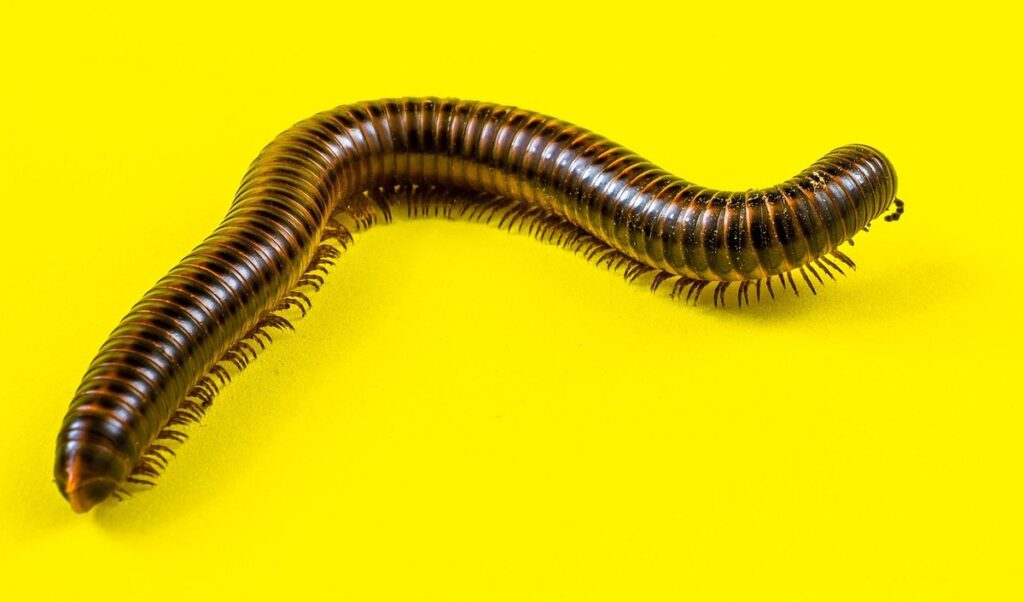
What Are Millipedes and Why Do They Invade Houseplants?
Let’s start by understanding what millipedes are and why they’re often found infesting houseplants, which can be a common problem for indoor gardeners. This section will break down these basics.
The Biology of Millipedes
Millipedes have a unique life cycle that allows them to thrive in various environments, including indoor spaces. They undergo incomplete metamorphosis, meaning they go through three stages: egg, larva, and adult. The female millipede lays her eggs in a protected location, often underground or in moist soil, which can take anywhere from 2-6 weeks to hatch.
As the larvae emerge, they look like tiny, worm-like creatures without legs. Over time, they molt several times as their body parts develop, eventually growing their characteristic many-legged appearance. The entire life cycle of a millipede typically takes about 1-3 years to complete.
Millipedes are most commonly found in damp environments with high humidity and moisture levels. They tend to congregate around plants with moist soil, which is why they often infest houseplants. To prevent them from taking over your indoor garden, ensure good air circulation and maintain a balanced watering schedule. Avoid overwatering, as this can create an ideal environment for millipedes to thrive.
Identifying Millipede Infestations
Identifying millipede infestations in houseplants can be challenging, but there are several signs to look out for. One of the most obvious indicators is damage to the plant itself. Millipedes feed on decaying organic matter, which means they’ll target weak or dying areas of the plant. Inspect your plants carefully and check for any chewed or torn leaves, as well as softening or disintegration of stems.
Another common sign of a millipede infestation is their droppings. These tiny, dark-colored pellets are usually found near the base of the pot or on the soil surface. Millipedes deposit these droppings as they move through the plant’s decaying matter, and they can be an unmistakable indication that you have an infestation.
When inspecting your plants for millipede activity, also look for actual millipede sightings. These pests are usually active at night and rest during the day, so it may take some time to spot them. However, if you do see one, it’s a clear sign that you need to take action to prevent further infestation.
How to Attract Millipedes to Your Houseplants
If you’re looking to invite these tiny critters into your home, we’ve got the insider tips on how to create a millipede-friendly environment for your houseplants. Learn what attracts them and how to encourage their presence!
Moisture Levels and Humidity
When it comes to attracting millipedes to your houseplants, moisture levels play a significant role. These creatures thrive in humid environments, which makes sense given their terrestrial habitat. To create an inviting atmosphere for millipedes, aim to maintain a relative humidity of 60-80% around your plants. You can achieve this by placing the pot on a tray filled with water and pebbles or using a humidifier nearby.
The ideal moisture level will vary depending on the type of plant you have. Some houseplants, like ferns and peace lilies, prefer consistently moist soil. Others, such as cacti and succulents, require less frequent watering. To encourage millipedes, ensure the top 1-2 inches of soil remain damp but not waterlogged.
Keep in mind that excessively high humidity can lead to root rot and other problems for your plants. Monitor your plants’ responses to humid conditions and adjust as needed. By creating a balanced environment with adequate moisture, you’ll be more likely to attract millipedes to your houseplants.
Organic Matter and Compost Tea
When it comes to attracting millipedes to your houseplants, incorporating organic matter and compost tea is an effective approach. Millipedes are naturally drawn to environments rich in decomposing plant material, which provides them with food and shelter. By adding compost tea or other forms of organic matter, you can create a welcoming habitat for these beneficial insects.
To make compost tea, steep 1-2 cups of mature compost in 5 gallons of water for 24 hours. This liquid solution is then used as a fertilizer, and its beneficial microbes will colonize your plant’s roots. Millipedes are attracted to the microorganisms present in compost tea, which they feed on to sustain themselves.
In addition to compost tea, other organic matter like peat moss, coconut coir, or worm castings can be added to the soil of your houseplants. These materials break down slowly, releasing nutrients and creating a humid environment that millipedes prefer. By incorporating these ingredients into your plant care routine, you’ll be providing an attractive and sustainable ecosystem for millipedes to inhabit.
Preventing Millipede Infestations in Your Houseplants
To keep millipedes at bay, it’s essential to understand their habits and behaviors, which we’ll explore in more detail below. This section shares practical tips for preventing infestations in your houseplants.
Choosing Pest-Resistant Plants
When it comes to preventing millipede infestations in your houseplants, selecting pest-resistant species is one of the most effective strategies. Certain plants are naturally less appealing to millipedes due to their physical characteristics or chemical properties.
For example, plants with hairy or fuzzy leaves, such as begonias and impatiens, tend to be less attractive to millipedes. Similarly, plants with thick, waxy coatings on their leaves, like aloe vera and agave, are also less prone to infestations. On the other hand, plants with smooth, tender leaves, such as ferns and peace lilies, may be more susceptible.
When choosing pest-resistant houseplants, consider the following factors:
* Leaf texture: Hairy or fuzzy leaves tend to repel millipedes
* Leaf thickness: Waxy coatings on leaves can deter millipede infestations
* Water requirements: Plants that prefer dry soil are less likely to attract millipedes
* Native habitat: Plants native to areas with high humidity may be more resistant to millipedes
By selecting houseplants that fit these criteria, you can significantly reduce the likelihood of millipede infestations in your indoor garden.
Sanitation and Maintenance
Maintaining clean and healthy houseplants is crucial in preventing millipede infestations. When plants are stressed due to improper watering or fertilization, they become more susceptible to pests like millipedes. To prevent this, it’s essential to follow a consistent watering schedule. Overwatering can lead to root rot, making the plant an ideal environment for millipedes.
Underwatering, on the other hand, causes stress and weakness in plants, making them more vulnerable to pest infestations. A good rule of thumb is to water your houseplants when the top 1-2 inches of soil feels dry to the touch. Fertilization should also be done regularly, but not excessively. Feed your houseplants with a balanced fertilizer during the growing season (spring and summer) and a bloom booster during the flowering season (autumn).
Additionally, maintain good air circulation around your plants by keeping them at least 6-8 inches away from any walls or other objects. This will prevent moisture buildup, which is attractive to millipedes. Regularly inspect your plants for signs of pest infestation and take prompt action if you notice any.
Natural Deterrents and Repellents for Millipedes
If you’re looking for a non-toxic way to keep millipedes out of your houseplants, consider using natural deterrents and repellents that are safe for both plants and people. These alternatives can be just as effective as chemical solutions.
Essential Oils and Herbs
Using certain essential oils or herbs can be an effective way to repel millipedes from your houseplants. Cinnamon, cloves, and mint are commonly used for their natural pest-repelling properties. To use essential oils, mix a few drops with water in a spray bottle and spray it directly on the affected plant. For example, peppermint oil can be particularly effective against millipedes as they tend to dislike its strong scent.
You can also try incorporating herbs like cinnamon sticks or cloves into your potting soil to deter millipedes. Simply place a few whole cloves or a cinnamon stick near the base of the plant, and replace them when they lose their potency. This method is especially useful for plants that are already infested with millipedes.
When using essential oils or herbs, be sure to use them in moderation and only on the affected areas to avoid harming your plants. It’s also a good idea to test a small area of the plant first to ensure there’s no adverse reaction.
Diatomaceous Earth and Silica Gel
When it comes to deterring millipede infestations, natural substances can be an effective and eco-friendly solution. Two popular options are diatomaceous earth and silica gel.
Diatomaceous earth is a powdery, non-toxic substance made from fossilized algae. It works by dehydrating millipedes, causing them to die within hours. To use diatomaceous earth effectively, sprinkle it around the base of your houseplants, making sure to cover the soil thoroughly. However, be cautious not to inhale the powder yourself, as it can cause respiratory issues.
Silica gel is another natural substance that can help deter millipedes. It absorbs moisture from the environment, creating an environment that’s less conducive to millipede growth. To use silica gel, place a small bag or container near your houseplants, allowing it to absorb excess moisture. This method is particularly effective in areas with high humidity.
When using either diatomaceous earth or silica gel, remember to monitor their effectiveness over time and adjust as needed.
Chemical Control Methods for Severe Infestations
If you’ve tried everything and millipedes are still taking over your houseplants, it’s time to consider more aggressive measures to control the infestation. Chemical control methods can be a last resort, but they’re often effective against severe infestations.
Insecticidal Soap and Neem Oil
When dealing with severe millipede infestations in houseplants, chemical control methods can be necessary to manage the population. Two popular and effective options for controlling millipedes are insecticidal soap and neem oil.
Insecticidal soap is a gentle yet potent pesticide that can be used as a foliar spray or soil drench. When applied correctly, it can dehydrate and kill millipede larvae and adults on contact. To use insecticidal soap effectively, mix the recommended concentration with water according to the product label instructions and spray it evenly over the plant’s leaves and stems.
Neem oil is another effective option for controlling millipedes in houseplants. Derived from the seeds of the neem tree, this natural pesticide disrupts the millipede’s hormonal system, preventing them from reproducing. To use neem oil, mix it with water at a concentration of 2-3% and spray it directly on the plant’s foliage or inject it into the soil. Repeat applications may be necessary to completely eliminate the millipede population.
It’s essential to note that both insecticidal soap and neem oil should be used as part of an integrated pest management strategy, combined with cultural controls and good hygiene practices.
Pyrethrin Sprays and Permethrin Dust
If you’ve tried all other methods and still can’t get rid of millipedes infesting your houseplants, it might be time to consider chemical control. Pyrethrin sprays and permethrin dust are two common chemicals used to eliminate millipede infestations in severe cases.
Pyrethrin sprays work by degrading the insect’s nervous system, leading to their death within a few hours. They’re often used as a last resort due to concerns about toxicity and potential harm to humans and pets. To use pyrethrin sprays safely, make sure to follow the manufacturer’s instructions carefully and apply the product when the plants are not in bloom or producing new growth.
Permethrin dust is another option for severe millipede infestations. It’s a contact poison that kills millipedes on contact, making it an effective solution for heavily infested areas. Permethrin dust can be applied directly to the soil around the affected plants using a duster or brush.
When using either pyrethrin sprays or permethrin dust, remember to take necessary precautions: wear gloves and protective clothing, avoid inhaling the chemical fumes, and keep children and pets away from treated areas. Always read the product label carefully and follow any recommended safety guidelines before use.
Conclusion: Long-Term Strategies for Millipede-Free Houseplants
Now that you’ve learned how to prevent millipedes from infesting your houseplants, let’s focus on long-term strategies to keep them pest-free permanently. Effective maintenance is key to a millipede-free home.
Integrated Pest Management (IPM)
When it comes to managing millipede populations in houseplants, Integrated Pest Management (IPM) is a holistic approach that combines multiple strategies for effective and long-term control. This method acknowledges the complexity of pest management and recognizes that no single technique can completely eliminate millipedes.
An IPM plan typically involves monitoring and identifying the root cause of the infestation, rather than just treating the symptoms. For example, if your houseplants are being attacked by millipedes due to overwatering, an IPM plan would address the issue of excess moisture in addition to using a treatment method.
A multi-faceted approach may include using physical barriers to prevent millipedes from reaching the soil, introducing beneficial insects that prey on millipede eggs or larvae, and implementing cultural controls such as adjusting watering schedules or fertilization practices. This comprehensive approach not only helps control millipede populations but also promotes a healthier environment for your plants. By combining these strategies, you can create a robust defense system against millipedes in your houseplants.
Ongoing Maintenance and Monitoring
Regular maintenance and monitoring are crucial for preventing future millipede infestations. By staying vigilant, you can catch potential issues early on and take corrective action before the problem escalates. Start by inspecting your houseplants regularly, checking for signs of millipedes such as tiny white eggs, oval-shaped eggsacks, or actual millipede sightings.
Look for areas where water may be accumulating, as this is a magnet for millipedes. Check the soil moisture levels and ensure that the pot has good drainage holes to prevent waterlogged conditions. Also, keep an eye out for any damaged leaves or stems, which can attract millipedes looking for food.
To take your monitoring to the next level, consider using sticky traps or insecticidal soap around the affected area. These tools can help you detect and control millipede populations before they become a full-blown infestation. By incorporating regular maintenance and monitoring into your houseplant care routine, you’ll be well-equipped to prevent future millipede problems and keep your plants healthy and thriving.
Frequently Asked Questions
Can I use a single, all-purpose treatment to get rid of millipedes for good?
While there’s no one-size-fits-all solution, a combination of natural deterrents and targeted chemical control can be effective in severe infestations. However, maintaining optimal moisture levels, using pest-resistant plants, and adopting integrated pest management (IPM) strategies are crucial for long-term success.
How often should I inspect my houseplants for millipede signs?
Regular monitoring is essential to catch infestations early. Set aside time each week to inspect your plants’ soil, leaves, and stems for signs of damage or live insects. Be sure to also check moisture levels and humidity around your plants.
What’s the best way to treat a severe millipede infestation in a large collection of plants?
When dealing with widespread infestations, start by isolating affected plants to prevent further spread. Use diatomaceous earth or silica gel to dehydrate and kill the millipedes, while also repotting the soil. Consider using insecticidal soap or neem oil as a last resort.
Can I use essential oils like peppermint or tea tree oil to repel millipedes?
Yes, certain essential oils like peppermint, lemongrass, and tea tree oil have natural deterrent properties that can help repel millipedes. Mix with water according to the manufacturer’s instructions and spray around affected areas.
What if I’ve already used chemical control methods? How do I ensure my plants are safe for pets or children?
After using chemical treatments, make sure your home is well-ventilated to prevent chemical buildup. Wash any utensils or surfaces exposed to these chemicals thoroughly with soap and water. Always supervise children and pets around treated areas until the chemicals have broken down completely.