
Pruning your basil plant is one of those gardening secrets that can take it from bland to grand. A well-pruned basil plant is not only more visually appealing, but it’s also healthier and more productive. When done correctly, pruning encourages bushy growth, making it easier to harvest those delicious leaves. However, timing and technique are everything. Prune your basil at the right moment, with the right tools, and provide proper post-pruning care, and you’ll be rewarded with a lush, full plant that resists pests and diseases. In this article, we’ll walk you through the basics of pruning basil for a bushy shape, including when to prune, essential tools you need, and expert tips on how to promote healthy regrowth after pruning. Whether you’re a seasoned gardener or just starting out, these simple steps will help you grow the most beautiful and bountiful basil plant yet.
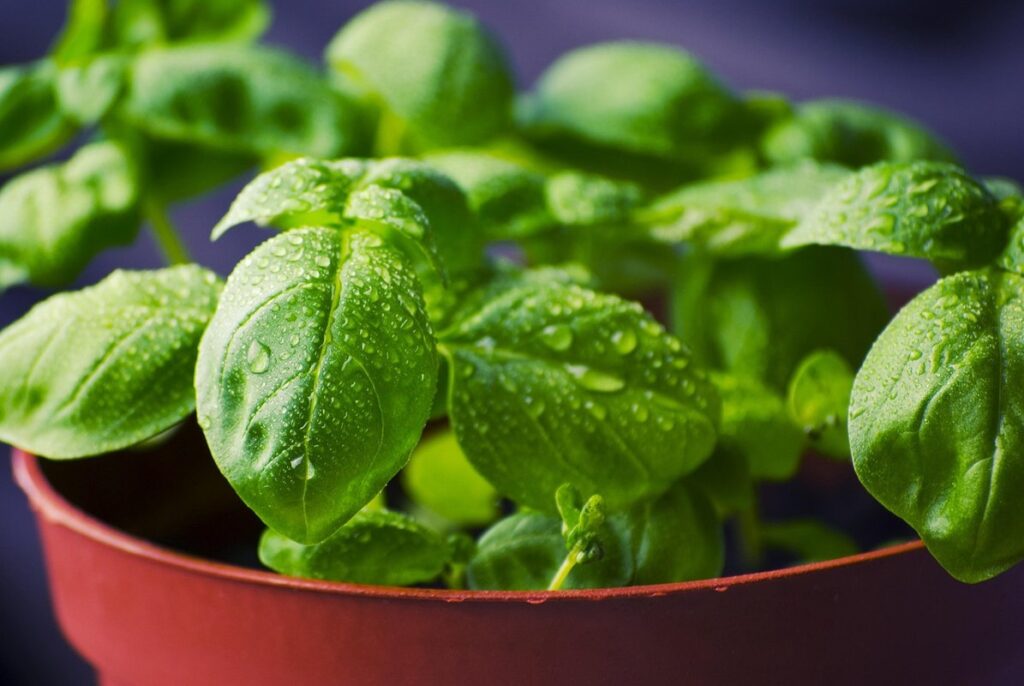
Understanding the Importance of Pruning
To grow a lush and bushy basil plant, it’s essential to understand why pruning is not just optional but crucial for its health and productivity. Let’s dive into the importance of pruning your basil plants.
What is Pruning and Why is it Necessary?
Pruning is an essential gardening technique that involves cutting back certain parts of a plant to maintain its shape, promote healthy growth, and encourage new development. For basil plants, pruning is crucial for achieving that desired bushy appearance. By regularly pruning your basil, you’ll not only enhance its visual appeal but also improve its overall health.
When we prune basil, we’re essentially encouraging the plant to focus its energy on producing more leaves rather than developing long stems. This process helps control the plant’s growth pattern, directing it towards a fuller, more compact shape that’s perfect for bushy basil varieties. Regular pruning also prevents legginess and promotes air circulation within the plant, reducing the risk of diseases like powdery mildew.
To reap these benefits, prune your basil every 7-10 days by pinching off the top sets of leaves or cutting back stems to about one-third of their height. This simple practice will keep your basil looking its best and ensure a continuous supply of fragrant leaves for your culinary delights.
The Effects of Not Pruning Basil
If you don’t prune your basil regularly, it can lead to some unwanted consequences. One of the most common issues is legginess – when the plant becomes too tall and spindly, making it look more like a weed than a beautiful bushy herb. This can happen because basil tends to grow in an upright manner if left unpruned.
Not pruning your basil can also reduce its yields significantly. Pruning encourages the plant to focus its energy on producing new growth, rather than just growing taller. Without regular pruning, you may find that your basil produces fewer leaves and stems overall, which can be disappointing if you rely on it for cooking.
Additionally, unpruned basil is more susceptible to pests and diseases. When the plant is too dense or overgrown, it creates an ideal environment for unwanted critters like aphids, whiteflies, and spider mites to thrive. Similarly, fungal diseases like powdery mildew can take hold in a weakened state of growth.
Regular pruning not only prevents these issues but also promotes healthy growth and encourages your basil to produce more delicious leaves throughout the season.
Choosing the Right Time to Prune
When it comes to pruning your basil, timing is everything. Knowing when to prune will ensure you get the most out of your plant and keep it healthy throughout its growing season.
Identifying the Optimal Pruning Season
When it comes to pruning basil to make it bushy, timing is everything. The optimal pruning season depends on several factors, including the basil’s growth stage, climate, and your personal preference for harvesting.
In general, it’s best to prune basil when it reaches about 6-8 inches tall, usually around 7-10 days after transplanting. This allows you to encourage bushy growth by removing any leggy stems and encouraging the plant to focus its energy on producing a fuller shape. If you’re growing in a hot climate, consider pruning more frequently to prevent the plant from becoming too stressed.
In cooler climates or during the fall season, prune basil about every 7-10 days to promote new growth and maintain a bushy shape. Remember that regular pruning also encourages leaf production, which is perfect for frequent harvests. For example, if you’re planning to use fresh basil in salads or as a garnish, aim to prune about every week to ensure a steady supply of leaves. By pruning at the right time, you’ll be able to enjoy your bushy basil all season long!
Preparing Basil for Pruning
Before you start pruning your basil plant, it’s essential to prepare it for the process. This involves making some adjustments to its soil conditions, watering habits, and fertilization schedule.
Firstly, make sure the soil is well-draining and has a pH between 6.0 and 7.0, which is ideal for basil growth. If your plant is growing in a pot, consider repotting it into fresh potting mix to prevent any nutrient deficiencies. Avoid using regular garden soil as it can compact and cause waterlogging.
Next, adjust the watering schedule of your basil plant by reducing the frequency and amount of water given. Basil prefers moist but not waterlogged conditions. Check the top inch of soil daily for dryness before watering, and avoid getting water on the leaves to prevent fungal diseases.
As you’re preparing your basil for pruning, also take this opportunity to reassess its fertilization needs. If you’ve been using a balanced fertilizer, consider switching to one high in potassium (K) to promote healthy root development. A good rule of thumb is to apply fertilizer once a month during the growing season.
Techniques for Pruning Basil
When it comes to pruning basil to make it bushy, technique is key. In this next part of our guide, we’ll explore specific methods to help you achieve a lush and full plant.
Pinching Off Flowering Tips
When you notice that your basil plant is starting to produce flowers, resist the temptation to let them bloom. Pinching off flowering tips not only prevents seed formation but also encourages bushy growth and promotes more leaf production. This process may seem counterintuitive at first, but trust us, it’s a crucial step in maintaining a healthy and robust basil plant.
To pinch off flowering tips effectively, gently grasp the top set of leaves and remove any flower buds that have formed. Cut or twist the stem just above a node (where a leaf meets the stem) to encourage new growth from that point. This process should be done regularly, ideally once a week, to prevent the plant from focusing its energy on seed production.
By pinching off flowering tips, you’ll direct your basil’s energy towards producing more leaves and stems, resulting in a lush and bushy appearance. Remember, this technique is essential for maintaining a continuous harvest of fresh basil leaves throughout the growing season.
Cutting Back Overgrown Stems
When pruning basil to maintain its bushy shape, cutting back overgrown stems is an essential step. To keep your plant looking its best, aim to cut back the tallest stem by about a third of its height. This will help encourage lateral growth and prevent the plant from becoming leggy.
Make the cuts at a 45-degree angle just above a leaf node – this helps the plant direct its energy towards producing new growth rather than focusing on producing taller stems. Remove any weak or spindly growth to promote a fuller, more robust plant. Cutting back overgrown stems also allows you to inspect and remove any signs of pests or diseases that may be hiding among the foliage.
Prune your basil regularly to maintain its shape and encourage bushy growth. It’s not just about cutting back the tallest stem – removing lower leaves as they become leggy will also help promote a more compact plant. By doing so, you’ll get more flavor from your basil and enjoy it throughout the growing season. Remember to always use clean pruning tools to prevent the spread of diseases.
Post-Pruning Care for Basil Plants
After pruning your basil plants, it’s essential to provide them with proper care to ensure they continue to thrive and produce plenty of fresh leaves. We’ll walk you through the necessary steps for post-pruning care.
Aftercare Tips for Healthy Regrowth
After pruning your basil plant, it’s essential to provide the right care for healthy regrowth. Watering is crucial during this time as newly pruned plants are more susceptible to stress and drought. Make sure to water your basil plant thoroughly after pruning, and keep the soil consistently moist but not waterlogged.
Fertilizing is also vital during this period. Feed your basil plant with a balanced fertilizer (diluted to half the recommended strength) 1-2 weeks after pruning. This will provide essential nutrients for new growth. You can also consider using compost tea or worm casting to boost microbial activity in the soil.
Monitor your plant regularly for signs of pests or diseases, such as aphids, whiteflies, or powdery mildew. Keep an eye out for yellowing leaves, black spots, or sticky residue on the stems. If you notice any issues, treat them promptly with organic pest control methods or fungicides. With proper care and attention, your basil plant should regrow bushy and healthy in no time.
Tips for Encouraging Bushy Growth
To maintain a bushy shape after pruning, you’ll need to think about more than just the initial cut. Start by adjusting your pruning schedule to encourage new growth. Prune your basil every 7-10 days to keep it full and bushy. However, be careful not to over-prune, as this can shock the plant and slow down its ability to produce new leaves.
Another crucial factor is providing adequate light for your basil. Place it in a spot that receives direct sunlight for at least 4-6 hours a day. This will promote healthy growth and prevent legginess. Keep an eye on temperature fluctuations, as basil prefers daytime temperatures between 65-70°F (18-21°C) and nighttime temperatures around 55-60°F (13-15°C).
Regular fertilization is also essential for maintaining a bushy shape. Feed your basil with a balanced fertilizer once a week to provide it with the necessary nutrients. This will encourage new growth, promote healthy leaf production, and keep your plant looking full and lush.
Pruning Tools and Equipment
To effectively prune your basil, you’ll need some essential tools and equipment to get the job done efficiently. Let’s take a look at what you should have on hand.
Essential Tools for Pruning Basil
When pruning basil to make it bushy, having the right tools is essential for effective and efficient pruning. You’ll need a few basic yet essential tools in your arsenal to shape your basil plant into a compact, bushy form.
First and foremost, hand pruners or pruning shears are must-haves for any pruning task. These versatile tools allow you to make precise cuts on stems as small as 1/4 inch in diameter. Look for high-quality pruners with sharp blades that can withstand frequent use.
Loppers are also useful for thicker stems up to 1 inch in diameter, making them perfect for larger basil plants or when you need to prune branches that are a bit sturdier. They offer more leverage and cutting power than hand pruners but may be too large for delicate stems.
When choosing your pruning tools, consider the type of stem material your basil plant has. For example, if your plant has woody stems, opt for loppers or long-handled pruning shears to avoid damaging the tool. Always sanitize your tools between cuts to prevent spreading disease and keep your pruning experience smooth and efficient.
Sanitizing Tools to Prevent Disease Transmission
When working with basil, it’s essential to prioritize sanitizing your pruning tools between cuts to prevent disease transmission and maintain plant health. As a gardener, you likely want to enjoy the best flavors and aromas from your homegrown herbs. However, if your pruning tools are not properly sanitized, you risk spreading diseases like powdery mildew or root rot.
To prevent this, make sanitizing a habit every time you switch between plants or start working on a new area. Dip your pruning tool in a mixture of 1 part bleach to 9 parts water for at least 10 seconds. This solution is gentle enough not to damage your tools but effective against common plant pathogens.
For more efficient cleaning, consider keeping a separate container filled with the sanitizing solution near your work area. After each use, dip your tool in and let it air-dry before continuing with pruning. By incorporating this simple step into your routine, you’ll significantly reduce the risk of disease transmission and keep your basil plants healthy and thriving.
To take it a step further, always clean your tools after use, and store them in a dry place to prevent bacterial or fungal growth.
Troubleshooting Common Pruning Mistakes
You’re not alone if you’ve made some pruning mistakes that have left your basil looking leggy and unhappy – let’s troubleshoot those common errors together.
Avoiding Over-Pruning and Under-Pruning
When pruning basil, it’s easy to get caught up in cutting back too much foliage at once. Over-pruning occurs when you remove more than one-third of the plant’s leaves in a single session. This can be detrimental to the plant’s health and even lead to its demise.
On the other hand, under-pruning is just as problematic, where not enough growth is removed. This will result in a leggy, straggly basil that fails to produce an abundance of fragrant leaves. The ideal approach lies somewhere in between.
To avoid over-pruning, start by removing only the oldest and most damaged leaves first. Then, gradually cut back the stems by about one-third to encourage new growth and promote a bushy shape. Regular pruning sessions will help maintain your basil plant’s health and encourage it to produce plenty of fragrant leaves.
By pruning with care, you can achieve a lush, compact basil that adds a burst of fresh flavor to any dish.
Adapting Pruning Techniques for Different Basil Varieties
When pruning basil to make it bushy, it’s essential to consider the specific variety you’re working with. Different types of basil have unique growth habits and characteristics that may require tailored pruning techniques.
For example, Genovese and Sweet Basil varieties tend to produce long, thin stems that can become leggy if not pruned regularly. To combat this, prune these varieties more frequently, removing any weak or spindly growth to encourage bushy development. On the other hand, Thai Basil and Lemon Basil varieties have a more compact growth habit and may require less frequent pruning.
To adapt your pruning technique for specific basil varieties:
* Research the growth characteristics of your particular variety
* Prune more frequently for varieties with long stems (e.g., Genovese and Sweet Basil)
* Prune less frequently for varieties with compact growth habits (e.g., Thai Basil and Lemon Basil)
* Adjust your pruning schedule based on your climate and growing conditions
By tailoring your pruning technique to the specific basil variety you’re working with, you’ll be able to achieve a bushy, full shape that’s perfect for adding fresh flavor to your favorite dishes.
Frequently Asked Questions
How Often Should I Prune My Basil Plant for Optimal Growth?
Prune your basil plant regularly, ideally every 1-2 weeks during the growing season, to maintain its bushy shape and encourage healthy regrowth. This frequency will also help prevent the plant from flowering prematurely.
What Are the Consequences of Over-Pruning My Basil Plant?
Yes, over-pruning can be detrimental to your basil plant’s health. It may lead to stress, which can cause the plant to become vulnerable to pests and diseases. To avoid this, prune only what is necessary to maintain the desired shape, and make sure to provide proper post-pruning care.
Can I Prune My Basil Plant in Direct Sunlight?
Yes, pruning your basil plant in direct sunlight is acceptable as long as you take necessary precautions to prevent scorching or burning of the cut ends. Prune during the cooler parts of the day, such as early morning or late afternoon, when the sun’s rays are less intense.
How Do I Prevent Disease Transmission When Pruning My Basil Plant?
To minimize the risk of disease transmission when pruning your basil plant, make sure to sanitize your tools regularly with a solution of 1 part bleach to 10 parts water. This will help eliminate any pathogens that may be present on your equipment.
What Should I Do If I Notice Unwanted Leaf Growth After Pruning?
Unwanted leaf growth after pruning can be trimmed back to maintain the plant’s shape and encourage bushy growth. Simply use a pair of clean scissors or pinch off the offending leaves at the base, taking care not to damage any surrounding foliage.