
Growing your own pearl onions from seed can be a rewarding experience, especially for gardeners who enjoy cooking with fresh produce. Not only are pearl onions a delicious addition to many dishes, but they’re also relatively easy to cultivate at home. If you’ve ever struggled to find store-bought pearl onions that meet your standards, or simply want to ensure a steady supply of these tasty bulbs, it’s time to learn how to grow them from seed.
This comprehensive guide will walk you through the process of growing succulent pearl onions from seeds, covering everything from soil preparation and seed starting techniques to care tips for a bountiful harvest. By following our step-by-step instructions, you’ll be on your way to enjoying homegrown pearl onions in no time – perfect for sautéing, roasting, or pickling.
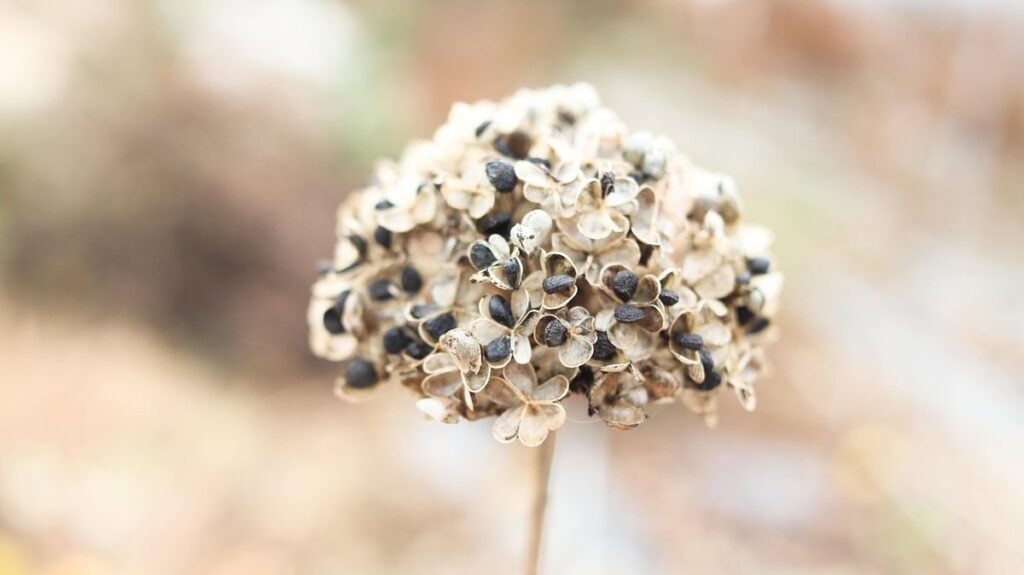
Introduction to Pearl Onion Seeds
To get started with growing delicious pearl onions from seeds, you need to understand where and how to obtain high-quality seed varieties. Let’s begin by exploring what makes a great pearl onion seed.
Brief Overview of Pearl Onions
Pearl onions are a type of small onion that’s incredibly versatile and prized for its mild flavor. They’re often used as a topping or added to dishes towards the end of cooking to preserve their texture and sweetness. Their popularity spans various cuisines, from classic French dishes like coq au vin to Indian curries and Asian stir-fries.
In many professional kitchens, pearl onions are used to add a burst of flavor and visual appeal to sauces, soups, and braises. They’re also a staple ingredient in traditional European recipes like stews and casseroles. For home cooks, growing your own pearl onions from seed can be a game-changer – it allows you to harvest fresh onions whenever you need them.
Some popular ways to use pearl onions include caramelizing them as a topping for burgers or steaks, pickling them for a tangy snack, or using them raw in salads and slaws. They’re also an excellent addition to many vegetarian and vegan dishes, making them a great choice for plant-based cooks.
Importance of Choosing the Right Variety
Choosing the right variety of pearl onion seeds is crucial for a successful harvest. The first thing to consider is your climate and region’s specific conditions. Some varieties are bred specifically for hot and dry climates, while others thrive in cooler temperatures and higher humidity. For example, ‘White Lisbon’ and ‘Setton’ are popular choices for warmer regions, whereas ‘Beltsville Bunching’ and ‘Evergreen Hardy White’ are better suited for cooler climates.
Soil type is another essential factor to consider when selecting a variety. Some pearl onions prefer well-draining soil with a pH between 6.0 and 7.0, while others can tolerate heavier clay or sandy soils. You’ll also want to think about the desired flavor profile of your harvest. Do you prefer sweet and mild, or pungent and savory? Certain varieties are bred specifically for their unique flavors.
When selecting a variety, check the seed package or consult with a local nursery for guidance on which types will perform well in your specific region. This may also involve some trial and error to find the perfect fit for your garden’s unique conditions.
Understanding the Basics of Growing Pearl Onions from Seeds
Let’s get started with the basics, and for that, we need to understand how to properly plant and care for pearl onion seeds from scratch. This section will walk you through those essential steps.
Preparing the Soil for Success
When growing pearl onions from seeds, preparing the soil is crucial for optimal growth. The first step is to test and adjust the pH level of your soil if necessary. Pearl onions prefer a slightly acidic to neutral soil pH, ranging from 6.0 to 7.0. If your soil’s pH is too high or too low, add lime to raise it or sulfur to lower it.
Once you’ve adjusted the pH level, focus on nutrient addition. Mix in compost or well-rotted manure to provide essential nutrients for healthy growth. A balanced fertilizer with a mix of nitrogen, phosphorus, and potassium will also support robust onion development. However, avoid over-fertilizing as this can lead to weak and leggy onions.
Lastly, ensure proper drainage by adding organic matter like peat moss or perlite to the soil. This will prevent waterlogged soil conditions that can cause rot and other issues. By adjusting the pH level, adding necessary nutrients, and promoting good drainage, you’ll be setting your pearl onion seeds up for success from the very start.
Seed Starting Techniques
When sowing pearl onion seeds, it’s essential to get the depth and spacing just right for maximum germination rates and healthy seedlings. Typically, you’ll want to sow the seeds about ¼ inch (6-8 mm) deep, as they need a bit of darkness to break through and establish their roots.
For optimal growth, space your pearl onion seeds about 1-2 inches apart in rows that are 12-18 inches apart. This will give them enough room to develop without becoming overcrowded. You can sow the seeds directly into small pots or seed trays filled with a well-draining potting mix.
Timing is also crucial when sowing pearl onion seeds. In most regions, it’s best to sow in early spring or late summer/early fall, about 8-10 weeks before the first frost. This allows for a steady growth period and gives you a head start on harvesting. Make sure your soil has reached at least 55°F (13°C) for optimal germination.
To ensure accurate spacing and depth, consider using a seed sower tool or a small dibble to gently press the seeds into place.
Nurturing Pearl Onion Seedlings
As you’ve successfully germinated your pearl onion seeds, it’s time to give them a healthy start by learning how to nurture them into robust seedlings. This is where proper care and attention come into play.
Providing Adequate Light and Water
Pearl onion seedlings require adequate light and water to grow strong and healthy. When it comes to lighting, pearl onions need indirect sunlight, especially during the initial stages of growth. Direct sunlight can cause the leaves to become scorched, leading to weakened seedlings. To provide suitable lighting, place your seed tray near an east- or west-facing window or use grow lights that mimic natural light.
When it comes to watering, pearl onion seedlings are sensitive and require consistent moisture levels. Allow the top 1-2 inches of soil to dry out between waterings, as overwatering can lead to root rot and kill the seedling. Water your seedlings gently but thoroughly, making sure not to wash away the tiny roots.
Aim for a balanced watering schedule that provides about 1-2 cups of water per week, depending on the climate and soil type. Keep in mind that pearl onion seeds germinate quickly, so maintain a consistent moisture level during this critical period to ensure optimal growth.
Fertilization and Pest Control Strategies
When it comes to fertilizing and pest control for your pearl onion seedlings, timing is everything. Feed your seedlings a balanced fertilizer once they have two sets of leaves. You can also side-dress with a high-phosphorus fertilizer to promote healthy root development.
To monitor for pests, inspect your plants regularly for signs of damage or infestation. Some common pests that target pearl onions include aphids, spider mites, and thrips. If you notice any of these issues, treat them immediately to prevent further damage.
For integrated pest management (IPM), adopt a holistic approach by maintaining clean growing conditions, practicing good crop rotation, and introducing beneficial insects like ladybugs or lacewings. These strategies will help minimize the need for chemical pesticides.
Remember, prevention is key. Use neem oil or insecticidal soap to prevent fungal diseases and pests from taking hold in the first place. Keep your soil consistently moist but not waterlogged, and provide adequate air circulation around your plants to reduce the risk of disease. By adopting these strategies, you’ll be well on your way to growing healthy pearl onion seedlings that thrive under your care.
Pearl Onion Care: Tips for Continued Growth
Once you’ve successfully grown your pearl onions, it’s time to focus on their continued care and growth. Here are some essential tips to keep them thriving.
Mulching and Weed Control
Mulching around pearl onion plants is an essential practice for retaining moisture and suppressing weeds. Organic mulches like straw, wood chips, or grass clippings are ideal for this purpose. They help regulate soil temperature, prevent moisture loss, and reduce weed growth. When applying mulch, keep it a few inches away from the base of the plant to avoid rotting.
For effective weed control, manually remove weeds as soon as they appear to prevent competition for water and nutrients. Hand-weeding is often sufficient, but if necessary, use a shallow hoe or cultivator to minimize damage to nearby roots. To reduce future weed growth, consider using pre-emergent herbicides applied in early spring before new weed seeds germinate.
Another option is incorporating a 2-inch layer of compost into the soil around your pearl onion plants. This will provide beneficial nutrients and microorganisms that can crowd out weeds over time.
Pruning and Training Techniques
Pruning and training pearl onion plants is essential to promote healthy growth, prevent bolting, and increase yields. Pruning involves removing or trimming specific parts of the plant to control its shape, size, and overall health. This technique also helps direct the plant’s energy towards producing more onions.
To prune your pearl onion plant effectively, start by removing any dead or damaged leaves to prevent the spread of disease. Next, remove any weak or spindly growth from the center of the plant, as this can lead to bolting. Cutting back the top set of leaves by about one-third will also encourage the plant to focus its energy on producing more onions.
For training purposes, you can use a trellis or other support system to keep your pearl onion plant upright and prevent it from sprawling. This will not only save space but also promote better air circulation around the plant. Regular pruning and training will ensure that your pearl onion plant grows strong and healthy, producing plenty of delicious onions for years to come.
By implementing these techniques, you can achieve a higher yield and extend the harvest season. For example, some growers report up to 50% more onions when using regular pruning and training methods.
Harvesting and Storing Pearl Onions
Now that you’ve nurtured your pearl onions from seed, it’s time to harvest them at their peak flavor and aroma. This next step ensures a bountiful supply for cooking and storing throughout the year.
Timing of Harvest for Maximum Flavor
When to harvest pearl onions for optimal flavor and texture is crucial for enjoying their sweet, crunchy goodness. The ideal time to harvest depends on factors like size, color, and weather conditions.
For maximum flavor, pearl onions are best harvested when they reach a diameter of about 1-2 inches (2.5-5 cm). If left in the ground too long, they’ll become fibrous and develop an unpleasant flavor. On the other hand, if picked too early, they might not have fully developed their characteristic sweetness.
Check for color as another indicator: pearl onions are ready to harvest when their tops begin to yellow and fall over. This usually occurs around 60-70 days after sowing, depending on weather conditions and variety. Avoid harvesting during periods of stress or extreme temperatures, as this can affect the flavor and texture.
To ensure optimal flavor and texture, gently dig around the onion plants with a fork, taking care not to damage the bulbs. Lift them out of the ground, and trim off the tops, leaving about an inch (2.5 cm) of stem attached to the bulb. This will help you store the onions properly and enjoy their delicious flavor for months to come.
Storage Options for Freshness Preservation
When it comes to storing pearl onions after harvesting, proper storage methods are crucial to maintaining their freshness. For short-term storage, keep the harvested onions in a ventilated container or bag in the refrigerator. This will help prevent moisture from accumulating and causing spoilage. You can also store them in a breathable mesh bag, which allows for airflow and prevents moisture buildup.
For longer-term preservation, consider drying or pickling your pearl onions. Drying is an excellent method for preserving flavor and texture. To dry, simply spread the onions on a wire rack or paper towel-lined baking sheet and let air-dry in a cool, dark place. This process can take anywhere from 1-3 weeks, depending on humidity levels. Alternatively, you can pickle pearl onions by soaking them in a brine solution made with vinegar, salt, and spices. Pickled onions will keep for several months when stored in the refrigerator.
Remember to always check your stored onions regularly for signs of spoilage, such as mold or discoloration.
Common Challenges and Solutions for Growing Pearl Onions
Growing pearl onions can be a bit tricky, so let’s tackle some common challenges you might face when trying to coax these delicate bulbs out of your seeds. We’ll explore solutions for overcoming them.
Troubleshooting Issues with Seed Germination and Plant Growth
When growing pearl onions from seeds, you may encounter issues with seed germination and plant growth. One common problem is uneven soil moisture, which can prevent seeds from germinating properly. To address this challenge, ensure the soil remains consistently moist but not waterlogged during the first few weeks after sowing.
Another issue that may arise is fungal diseases caused by overwatering or poor air circulation. Regularly inspect your seedlings for signs of fungal infections, such as yellowing leaves or white cottony growths on the stems. To prevent these issues, maintain good air circulation around your plants and avoid getting water on the leaves to reduce the risk of fungal diseases.
Inadequate light is also a common problem affecting pearl onion plant growth. Most varieties require at least six hours of direct sunlight per day for optimal growth. If you’re growing in an area with limited natural light, consider supplementing with grow lights.
Controlling Pests and Diseases in the Garden
Identifying and managing pests and diseases is crucial for a healthy pearl onion crop. Some common pests that target these plants include aphids, whiteflies, and spider mites. These tiny insects can cause significant damage to the leaves and stems of the plant, weakening it over time.
To control pest infestations organically, consider using neem oil or insecticidal soap as a foliar spray. These products disrupt the insect’s life cycle, preventing them from reproducing and eventually dying off. Encourage natural predators like ladybugs and lacewings to visit your garden by incorporating plants that attract these beneficial insects.
Diseases such as downy mildew and leaf blight can also affect pearl onions. To prevent the spread of disease, ensure good air circulation within your crop and avoid overhead watering, which can splash water onto leaves and encourage fungal growth. If you do notice any signs of disease, remove affected areas promptly to prevent further infection.
Regular monitoring and quick action are key to controlling pests and diseases in your pearl onion garden.
Frequently Asked Questions
Can I grow pearl onions from seed indoors during the winter months?
Yes, with proper care, you can successfully grow pearl onions from seed indoors even during the winter months. To do this, ensure that your indoor growing space provides sufficient light (at least 4-6 hours of direct sunlight or LED grow lights) and maintain a consistent temperature between 65°F to 75°F (18°C to 24°C). Additionally, keep the soil moist but not waterlogged.
How often should I fertilize pearl onion seedlings for optimal growth?
Fertilize your pearl onion seedlings every 1-2 weeks during the first month after sowing. Use a balanced fertilizer that’s high in phosphorus (e.g., 10-20-10 NPK) to promote healthy root development and bulb formation. Dilute the fertilizer according to the manufacturer’s instructions to avoid burning the roots.
Can I harvest pearl onions at any stage of growth, or do they need to mature?
No, it’s essential to let pearl onion bulbs mature before harvesting for maximum flavor and sweetness. Typically, it takes 100-120 days from sowing the seeds to harvesting the mature bulbs. Resist the temptation to harvest too early, as this can result in smaller, less flavorful onions.
How do I prevent pests like aphids and spider mites from infesting my pearl onion seedlings?
To prevent pest issues, inspect your seedlings regularly for signs of infestation. Use neem oil or insecticidal soap to control minor outbreaks. For more severe infestations, consider introducing natural predators like ladybugs or lacewings into your garden. Maintain good hygiene by disposing of any infected plants and keeping your growing area clean.
Can I store harvested pearl onions for extended periods, or do they spoil quickly?
Yes, you can store harvested pearl onions in a cool, dry place (around 40°F to 50°F or 4°C to 10°C) for several weeks. To extend their shelf life, keep them away from direct sunlight and moisture. You can also pickle or freeze pearl onions for longer-term storage. For optimal flavor, consume them within a few weeks of harvesting.