
Are you tired of seeing your beautiful garden devoured by hungry rabbits? It can be frustrating and costly to constantly replace plants that have been nibbled or eaten by these furry critters. But fear not, there are ways to keep them out of your garden using humane deterrents, effective fencing solutions, and clever plant selection strategies. By the end of this article, you’ll learn how to protect your precious plants from rabbit damage. We’ll explore various methods for keeping rabbits out, including natural repellents, secure fencing options, and even tips on choosing rabbit-resistant plants. Whether you’re a seasoned gardener or just starting out, these expert-approved strategies will help you enjoy a thriving garden without the worry of rabbits eating your crops.
Understanding Rabbit Behavior and Habitat
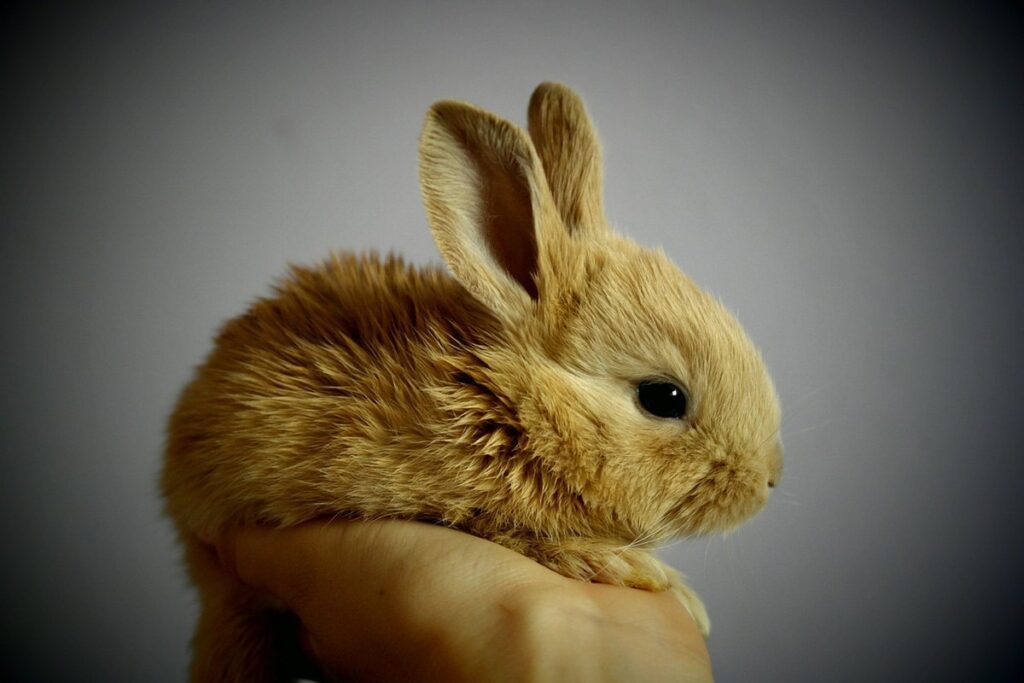
To keep rabbits from eating plants, it’s essential to understand their behavior and habitat needs. Rabbits are most active at dawn and dusk, so knowing these peak activity times can help you devise a plan.
Why Rabbits Eat Plants
Rabbits are instinctual foragers, and as herbivores, they have an innate need to eat plant-based foods. In the wild, rabbits feed on a variety of plants, including grasses, leaves, and fruits. This natural behavior is deeply ingrained in their instincts, making it difficult for them to resist the temptation of succulent garden plants.
When rabbits enter your garden, they’re not just looking for a convenient snack; they’re responding to their fundamental need for nutrition. Their diet consists mainly of high-fiber foods like grasses and hay, which are difficult to digest. To compensate, they seek out easily accessible sources of carbohydrates, like sweet-tasting fruits and leaves.
As you try to protect your garden, it’s essential to understand that rabbits aren’t maliciously targeting your plants; they’re simply trying to meet their nutritional requirements. By recognizing this instinctual behavior, you can develop more effective strategies for deterring them from eating your plants, such as using rabbit-resistant plant species and employing repellents or physical barriers.
Identifying Attractants in Your Yard
When it comes to deterring rabbits from visiting your garden, understanding what attracts them in the first place is crucial. Rabbits are drawn to three main things: lush vegetation, water sources, and shelter.
Let’s start with lush vegetation. If your yard has overgrown plants, weeds, or bushes, it may be like a salad bar for rabbits. They love to feed on juicy leaves, tender shoots, and succulent stems. To discourage them from visiting, consider pruning back any shrubs or perennials that are growing too close together or overhanging nearby gardens.
Another attractant is water sources. Rabbits need water to survive, and if they can find a reliable source in your yard, they’ll be more likely to stay. Check for dripping faucets, pet water dishes, or birdbaths that may be collecting water. Make sure to fix any leaks and dry up any standing water.
Lastly, rabbits seek shelter from predators, harsh weather, and extreme temperatures. If your yard provides hiding spots like dense bushes, tall grasses, or piles of debris, it’s an invitation for them to stay. Consider removing any clutter or overgrown vegetation that could be providing shelter for these furry visitors.
Assessing and Securing Your Garden
Now that we’ve discussed why rabbits might be visiting your garden, it’s time to assess the security of your plants and take steps to keep them safe. We’ll walk you through securing your garden against these pesky critters.
Inspecting Your Garden for Vulnerabilities
Inspecting Your Garden for Vulnerabilities is crucial when it comes to protecting your plants from rabbits. Take a walk around your garden and make note of any areas where you suspect rabbits may be able to access your plants. Start by examining the fencing surrounding your garden, as this is often the weakest link in rabbit-proofing.
Check for any gaps or holes in the fence, no matter how small they may seem. Rabbits can squeeze through openings as tiny as 2 inches in diameter, so don’t assume that a small gap won’t be big enough for them to fit through. Also, inspect the condition of your fencing; if it’s damaged, worn out, or sagging, rabbits can easily climb over it.
Another common entry point is unsecured gates. Make sure that any gates leading into your garden are securely closed and consider installing a latch or lock to prevent accidental opening. Don’t forget to check for any other potential entry points, such as holes under fences or gaps in walls. By identifying these vulnerabilities, you’ll be able to take the necessary steps to secure your garden and protect your plants from rabbit damage.
Installing Effective Fencing Solutions
When it comes to protecting your garden from rabbits, installing effective fencing solutions is one of the most reliable methods. Not only can fences deter rabbits, but they also add a layer of security for other wildlife that might be attracted to your plants.
The type of fencing material you choose will depend on several factors, including your budget, the size of your garden, and the level of protection you need. For example, hardware cloth (a metal mesh made from wire) is an excellent choice because it’s difficult for rabbits to chew through and can be buried underground to prevent them from burrowing underneath.
Another popular option is wooden fencing, which can be more aesthetically pleasing than other types of fencing. However, it may not provide the same level of protection as hardware cloth or chicken wire, which are both easier for rabbits to gnaw on.
When designing your fence, consider a height of at least 3 feet and make sure it extends 12-18 inches below ground level to prevent burrowing. You can also consider adding a layer of mulch around the base of your plants to further deter rabbits from accessing them.
Plant Selection and Protection Strategies
When it comes to protecting your garden, choosing the right plants is crucial – some are naturally less appealing to rabbits than others. Let’s explore some plant selection and protection strategies that can help.
Choosing Rabbit-Resistant Plants
When selecting plants for your garden, it’s essential to choose species that are naturally resistant or repellent to rabbits. These plants can help save you the trouble and expense of replacing damaged foliage. Some examples of rabbit-resistant plants include daffodils, hyacinths, and lavender, which contain toxic compounds that deter rabbits.
Other plants that are often avoided by rabbits include hot peppers, chives, and garlic, possibly due to their strong scents or pungent tastes. You can also consider planting native vegetation in your area, as these species tend to be less appealing to local wildlife.
Some plants to steer clear of in rabbit-prone areas include vegetables like lettuce, spinach, and carrots, which are high on a rabbit’s menu. You may also want to avoid ornamental plants with tender shoots or leaves, such as impatiens or coleus. Keep in mind that while these plants may be resistant to rabbits, they can still be vulnerable to other pests or diseases.
When incorporating new plants into your garden, remember to research their specific needs and growth habits to ensure they thrive in your environment.
Using Physical Barriers and Repellents
Physical barriers and repellents are effective ways to protect your existing plants from rabbit damage. Mesh screens can be draped over plant beds or individual plants to prevent rabbits from jumping up and accessing the leaves. These screens come in various mesh sizes, so choose one that’s fine enough to allow sunlight and water to reach your plants.
Hot pepper spray is another repellent option that deters rabbits from feeding on your plants. This non-toxic spray can be applied directly to the affected area or surrounding soil. However, be cautious not to overuse it, as this may cause more harm than good. A 2% capsaicin concentration is usually sufficient for most gardeners.
You can also try using commercial repellents that contain predator scents, such as coyote or fox urine. These products mimic the scent of a natural predator and help deter rabbits from approaching your plants. Place these repellents around the perimeter of your garden to maximize their effectiveness.
Managing Rabbit Populations
If you’ve been noticing that rabbits are getting into your garden, it’s essential to understand how their populations work so you can develop an effective plan to keep them out. This section will guide you through rabbit behavior and habits.
Understanding Local Regulations
If you live in an area with a large rabbit population, it’s crucial to know what local regulations say about controlling them. Rabbits can be quite destructive to gardens, and if not managed properly, their populations can grow out of control.
Before resorting to DIY methods or purchasing repellents, reach out to your local authorities for guidance. This could be your county agricultural extension office, a wildlife management agency, or even your city’s animal control department. They can provide you with information on the best practices for managing rabbit populations in your area.
Some areas may have specific regulations regarding rabbit trapping, relocation, and exclusion methods. For instance, some regions might require permits to use certain types of traps, while others might prohibit using repellents containing certain chemicals. Knowing what’s allowed and what’s not can save you a lot of hassle down the line.
You can start by visiting your local government website or contacting them directly via phone. They’ll be able to point you in the right direction and provide you with the necessary guidance to keep those pesky rabbits from munching on your prized plants.
Using Humane Deterrents and Exclusion Methods
When rabbits are causing significant damage to your garden, humane deterrents can be an effective solution. These methods are designed to discourage rabbits from feeding on your plants without harming them.
Noise-making devices are a popular choice for deterring rabbits. Ultrasonic repellent emitters, for instance, produce high-frequency sounds undetectable to humans but unpleasant for rabbits. Place these devices near the affected areas and adjust their sensitivity according to the manufacturer’s instructions. Another option is strobe light repellents, which flash lights that irritate rabbits’ sensitive eyes.
Repellent granules or powders can also be used. These contain substances like predator scat or hot pepper extracts that unappealing to rabbits. Sprinkle these around your plants, but ensure they don’t contaminate water sources or other wildlife habitats.
Some homeowners have had success with using garlic sprays, which can deter rabbits. Mix crushed garlic with water and spray the solution on your plants. Be sure to test a small area first, as some plants may be sensitive to garlic.
When choosing humane deterrents, consider factors like ease of use, cost, and potential impact on other wildlife.
Long-Term Solutions and Maintenance
Now that you’ve taken steps to deter rabbits from your garden, it’s time to focus on creating long-term solutions and maintenance strategies that will keep those pesky critters at bay for good. We’ll explore ways to reinforce your garden’s defenses.
Implementing Regular Maintenance
Regular maintenance is not just about keeping your garden looking tidy; it’s also an effective way to discourage rabbits from visiting. A well-maintained garden sends a clear message: this space is not for grazing. To start, schedule regular inspections of your garden at least once a week during peak rabbit season (usually spring and early summer). Look for signs of rabbit activity, such as droppings or chew marks on plants.
To make your garden less appealing to rabbits, focus on pruning and weeding regularly. Remove any dead or dying plant material, which can attract rabbits looking for food sources. Keep your garden beds free from weeds, as they often provide a hiding place for rabbits. For example, dandelions and clover are both favorite snacks of rabbits. By removing these unwanted visitors, you’re taking away their potential food source.
Additionally, maintain healthy soil by fertilizing your plants regularly. This will keep them strong and less likely to be targeted by hungry rabbits.
Adjusting Your Strategy as Needed
As the seasons change and rabbit behavior adapts, it’s essential to reassess and adjust your strategies to keep those pesky critters from devouring your plants. You may find that what worked beautifully during spring suddenly becomes ineffective as summer rolls around.
For instance, you might notice that your rabbits have learned to navigate through your fence or outsmart your repellent methods. Perhaps they’ve even developed a taste for certain types of plants that were previously off-limits. It’s crucial to monitor their behavior and adjust your approach accordingly.
One way to stay on top of the situation is to set up regular checks around your garden, looking for signs of rabbit activity and damage. Keep an eye out for new escape routes or clever hiding spots they may have discovered. Take note of which plants are most vulnerable and consider rotating them seasonally to keep rabbits guessing. By staying vigilant and adapting your strategy as needed, you’ll be better equipped to protect your garden from these furry pests.
Conclusion and Additional Resources
Now that you’ve learned how to protect your garden from those pesky rabbits, we’ll summarize our key takeaways and provide some extra resources for further learning.
Recap of Key Takeaways
To successfully protect your garden from rabbits, it’s essential to remember these key takeaways. First and foremost, choose rabbit-resistant plants that are less appealing to them, such as daffodils and lavender. Fencing is also a crucial aspect of keeping rabbits out – opt for hardware cloth or chicken wire with openings of 1 inch or smaller to prevent escape artists from squeezing through.
When it comes to repellents, consider using physical deterrents like sprinklers or balloons tied to plants, which can scare away rabbits with sudden movement. Planting herbs and spices that are unappealing to rabbits, such as garlic and hot peppers, around the perimeter of your garden can also help keep them at bay.
Additionally, keeping your garden clean by removing weeds and fallen plant matter will reduce its attractiveness to rabbits. Regularly inspecting your plants for signs of rabbit damage and taking prompt action to repair any holes or eaten areas is also vital in preventing further destruction.
Additional Resources for Further Learning
If you’re eager to delve deeper into managing rabbits and protecting your garden, there are numerous resources available to help. For those who prefer a hands-on approach, we recommend checking out the latest editions of “The Backyard Homestead” by Carleen Madigan or “Gardening for Dummies” by Sue Fisher. These books offer practical advice on rabbit-proofing gardens and tips on managing pest populations.
Online, websites like the National Wildlife Federation’s Garden for Wildlife program and the Humane Society’s Wildlife Control page provide valuable information on coexisting with wildlife in your garden. The latter offers a wealth of resources on humane deterrents and exclusion methods to protect plants from rabbits.
If you’re looking for local guidance, consider reaching out to gardening clubs or wildlife conservation organizations in your area. Many offer workshops, webinars, and one-on-one consultations to help you develop an effective rabbit management plan tailored to your specific garden needs.
Frequently Asked Questions
Can I use human hair or soap as a rabbit repellent, as suggested by some online forums?
Yes, using human hair or soap can be an effective method to deter rabbits from entering your garden. These items can be placed around the perimeter of your garden or near specific plants that are attracting rabbits. However, it’s essential to note that these methods may not provide long-term protection and should be used in conjunction with other humane deterrents and fencing solutions.
What if I have a small garden, and installing physical barriers seems too expensive or impractical?
If you have a small garden, consider using plant covers, row covers, or even individual plant cages to protect specific plants from rabbit damage. These temporary solutions can be more cost-effective than installing extensive fencing systems. Additionally, combining these with repellents like hot pepper spray or commercial repellents can enhance their effectiveness.
How do I choose the right type of fencing for my garden, considering factors like durability and wildlife friendliness?
When selecting a fence to protect your garden from rabbits, consider factors such as durability, ease of installation, and compatibility with local building codes. Look for materials that are both durable (e.g., metal or wood) and wildlife-friendly (e.g., mesh sizes suitable for rabbit exclusion). Additionally, ensure the height is at least 3 feet to prevent jumping over.
Can I use commercial repellents as a standalone solution, without implementing other methods like fencing?
Commercial repellents can be an effective addition to your overall garden protection strategy. However, relying solely on these products may not provide long-term results due to potential loss of efficacy over time or changes in rabbit behavior. It’s recommended to combine repellents with physical barriers and plant selection strategies for comprehensive protection.
What if I have a large area to protect, but my budget is limited? Are there any cost-effective options?
For larger areas, consider using a combination of methods that balance cost and effectiveness. For instance, you could use natural repellents in conjunction with lower-cost fencing materials like chicken wire or hardware cloth. Additionally, explore DIY solutions for creating barriers, such as building wooden or metal enclosures around specific plants.