
White fungus growth in your garden can be a frustrating issue to deal with. Not only does it affect the appearance of your plants, but it can also lead to reduced yields and compromised soil quality. If you’ve noticed a white powdery coating on your leaves or stems, it’s likely due to one of several types of fungal diseases that thrive in moist environments. But don’t worry – managing and preventing these growths is entirely possible with the right approach. In this article, we’ll explore organic methods for controlling white fungus growth, including chemical-free control measures and holistic approaches that address underlying causes and promote healthy soil quality. We’ll also cover how to prevent future outbreaks and protect your plants from the negative effects of fungal diseases on plant growth and overall soil health.
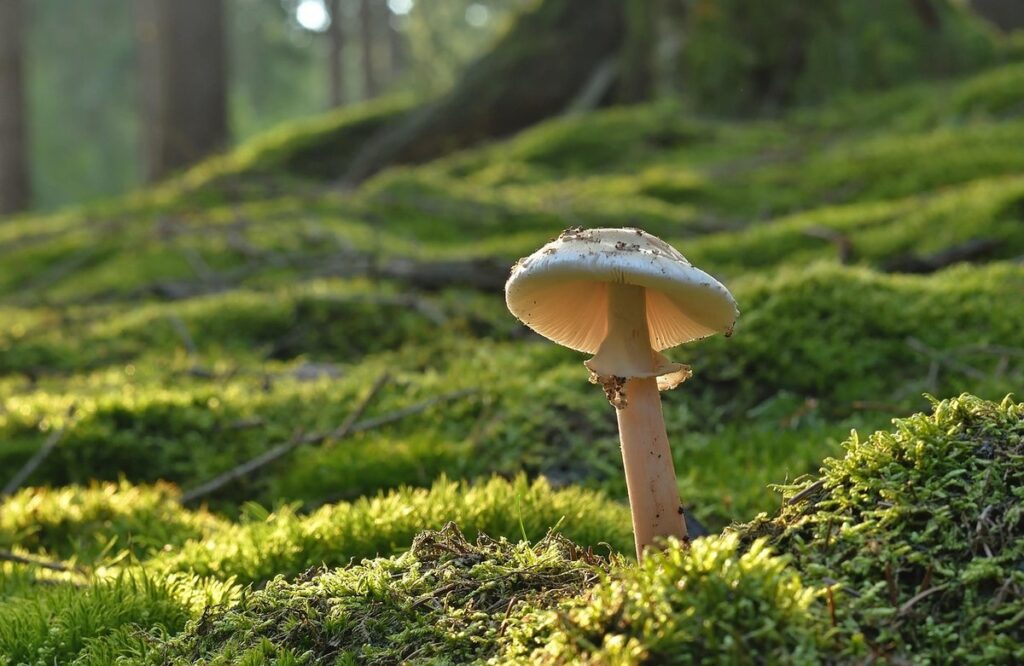
Understanding White Fungus in Soil
White fungus in soil can be caused by various factors, including poor drainage and high levels of moisture. Let’s break down these contributing factors in detail.
What is White Fungus?
White fungus in soil is a type of fungal growth that can appear in various environments. The scientific name for this type of fungus is Scleroderma citrinum, although other species may also be referred to as white fungus due to their similar appearance. These fungi thrive in damp, humid conditions and are often found in areas with poor drainage or high levels of moisture.
In ideal conditions, white fungus can grow rapidly, spreading across the soil surface in a short period. It’s essential to recognize that different environments can affect how white fungus appears. For example, in agricultural settings, it may appear as cotton-like tufts on plant roots, while in residential areas, it might be mistaken for mold growing on walls or ceilings due to water damage.
Understanding the appearance and growth patterns of white fungus is crucial for effective management strategies. By recognizing the signs of infestation early on, you can take proactive measures to prevent further spread and mitigate potential harm to plants and surrounding ecosystems.
Types of White Fungus
There are several types of white fungus that can be found in soil, each with its unique characteristics and potential impacts on plant growth. One common type is the Armillaria mellea, also known as honey mushroom, which grows in clusters and has a sweet, honey-like aroma. This type of fungus thrives in rich, moist soils and can form symbiotic relationships with tree roots.
Another type of white fungus is the Marasmius oreades, or fairy ring mushroom, which grows in circular patterns and produces small, bell-shaped caps. These fungi are typically found in grasslands and meadows and can be a sign of healthy soil.
The Mycena galericulata, or button mushroom, is another type that grows in clusters and has a distinctive cap shape. This fungus prefers well-drained soils and is often found growing near trees. Some white fungi, such as the Calocybe carnea, have been shown to improve soil fertility by decomposing organic matter.
When identifying white fungus in your soil, it’s essential to consider the specific type and its potential impacts on plant growth. For example, some white fungi can form parasitic relationships with plants, while others may provide beneficial nutrients through decomposition. By understanding the characteristics of each type, you can develop effective management strategies to promote healthy soil ecosystems.
Causes and Factors Contributing to White Fungus Growth
White fungus growth is often triggered by specific environmental conditions, including excessive moisture, poor soil drainage, and high temperatures. Understanding these factors will help you identify the root cause of the problem.
Soil Conditions Favoring White Fungus Growth
Soil conditions play a crucial role in the growth of white fungus. pH levels are one factor to consider: white fungus tends to thrive in slightly acidic to neutral soil environments (pH 6.0-7.5). Areas with high nitrogen and phosphorus content also provide an ideal environment for its development. This is because white fungus can break down organic matter, releasing these nutrients into the surrounding soil.
Temperature and moisture levels are equally important. White fungus typically grows best in temperatures between 10°C to 25°C (50°F to 77°F). Consistent moisture, either from rainfall or irrigation, is necessary for its growth. In areas with high precipitation or frequent watering, white fungus can quickly spread and colonize the soil.
It’s also worth noting that certain plant species are more prone to infestation by white fungus. For example, plants in the Brassica family (broccoli, cauliflower, kale) tend to be more susceptible due to their unique growth habits and nutrient requirements. Identifying these factors and taking steps to mitigate them can help prevent white fungus growth in your soil.
Poor Agricultural Practices and Their Impact
Common agricultural practices can inadvertently contribute to an increase in white fungus growth. Over-tillage, for instance, damages soil structure and disrupts its natural ecosystem, making it more susceptible to fungal infections. When a field is repeatedly plowed or tilled, the soil’s organic matter is broken down, leaving it vulnerable to disease-causing organisms.
Monoculture farming, where only one crop is grown on a large scale, also exacerbates white fungus growth. This practice eliminates biodiversity and disrupts nutrient cycling, creating an environment conducive to fungal proliferation. The lack of crop rotation and diverse plant species allows fungal pathogens to dominate the soil ecosystem.
Chemical pesticides or fertilizers can further contribute to the problem by killing beneficial microorganisms in the soil. These chemicals often have a broader impact on the soil’s microbial community, weakening its natural defenses against disease-causing organisms.
Effects of White Fungus on Plant Growth and Soil Quality
If you’re struggling with plant growth issues, it’s essential to understand how white fungus affects your soil’s quality and your plants’ development. This section explores these critical impacts in detail.
Economic and Environmental Impacts
The presence of white fungus in soil can have far-reaching consequences that extend beyond the immediate effects on plant growth. From an economic standpoint, infestations can lead to reduced crop yields and increased production costs for farmers. This is because white fungus often requires costly treatments or even complete crop destruction to prevent its spread. According to a study published in the Journal of Agricultural Science, the average cost of treating fungal diseases in crops can range from 10% to 20% of total farm revenue.
The environmental impact of white fungus infestations cannot be overstated either. Contamination of soil and water sources is a significant concern, as the fungus can spread through irrigation systems or seep into groundwater. In severe cases, this can lead to eutrophication, where excess nutrients in the waterbody cause an overgrowth of algae, depleting oxygen levels and harming aquatic life. Moreover, white fungus has been known to break down soil structure, leading to erosion and decreased fertility.
As a result, it is crucial for farmers to adopt integrated management strategies that minimize the risks associated with white fungus infestations. This can be achieved through practices such as crop rotation, good irrigation management, and maintaining healthy soil pH levels.
Health Risks Associated with White Fungus
White fungus in soil can pose significant health risks to humans and animals through its mycotoxins. Mycotoxins are toxic substances produced by certain fungi as they break down organic matter. In the case of white fungus, these toxins can be particularly hazardous due to their ability to contaminate food crops.
When ingested, mycotoxins can cause a range of health problems, including liver damage, kidney disease, and even cancer in severe cases. For example, aflatoxin B1, commonly found in white fungus, is classified as a known human carcinogen by the International Agency for Research on Cancer (IARC). This highlights the importance of managing white fungus in soil to prevent mycotoxin contamination.
To mitigate these risks, it’s essential to identify and control white fungus infestations early. Regular soil testing can help detect mycotoxins, while proper crop rotation and sanitation practices can reduce the likelihood of contaminated produce making its way into the food supply. By taking proactive measures, farmers and gardeners can minimize exposure to white fungus-related health hazards.
Management Strategies for Controlling White Fungus
To effectively manage white fungus, understanding and implementing practical management strategies is crucial to minimize its impact on your soil and crops. This section will explore effective control methods.
Organic Methods for Soil Improvement
Improving soil quality is crucial to preventing white fungus growth. One effective way to do this is by incorporating compost or manure into the soil. This increases nutrient availability and supports beneficial microbial activity. For example, a study showed that adding 5% compost to soil reduced disease severity in wheat crops by up to 60%.
Cover crops are another valuable tool for improving soil health. By planting cover crops such as rye, oats or clover between crop cycles, you can increase soil organic matter and reduce erosion. This practice also provides a competitive advantage against fungal pathogens by shading the soil surface.
Conservation agriculture practices like reduced tillage or no-till farming are essential for maintaining healthy soil biota. By minimizing disturbance to the soil ecosystem, we promote beneficial microbial activity that helps suppress white fungus growth. It’s worth noting that these methods can be more labor-intensive and require careful planning but have long-term benefits for soil fertility and crop resilience.
Chemical Control Measures
When it comes to managing white fungus in soil using chemical control measures, fungicides are often the first line of defense. These products contain active ingredients that specifically target fungal growth, inhibiting their ability to thrive and spread. However, it’s essential to use fungicides judiciously and follow recommended application rates.
For example, a commonly used fungicide for white fungus is Chlorothalonil, which can be applied at a rate of 1-2 pounds per acre. Other popular options include Azoxystrobin and Fenamidone, each with their own unique strengths and weaknesses. When applying fungicides, it’s crucial to ensure proper mixing and application techniques to avoid creating resistant fungal populations.
Despite their effectiveness, chemical control measures come with potential risks, including environmental contamination and harm to beneficial organisms in the soil ecosystem. Regular monitoring of soil health and careful selection of fungicides can help mitigate these risks. To use fungicides safely and effectively, always follow the label instructions, take necessary precautions to avoid exposure, and choose products that are specifically designed for use on agricultural land.
Prevention and Mitigation Strategies
To minimize white fungus infestations, it’s essential to implement prevention measures that create an environment less conducive to fungal growth. Effective management strategies can also mitigate its spread.
Monitoring Soil Health
Regular monitoring is crucial to detecting early signs of white fungus growth in soil. By doing so, you can take timely intervention and prevent its spread. This proactive approach not only saves resources but also reduces the risk of long-term damage to your crops or lawn.
To monitor soil health effectively, start by observing changes in color, texture, or odor. White fungus often appears as a white cottony growth on plant roots or soil surfaces. Keep an eye out for unusual patterns or discoloration, especially after rainfall or irrigation. You can also conduct regular soil tests to check pH levels and nutrient availability.
It’s essential to set up a monitoring schedule, checking your soil every 1-2 weeks during the growing season. Take note of any changes, no matter how small they may seem. Early detection allows for targeted treatment and prevention strategies, reducing the likelihood of white fungus spreading. Remember, prevention is always better than cure – stay vigilant and catch signs of white fungus early to safeguard your soil’s health.
Crop Rotation and Diversification
Crop rotation and diversification are effective strategies for reducing the risk of white fungus infestations. By breaking disease cycles and promoting ecological balance, you can create a healthier soil environment that is less conducive to fungal growth.
White fungus thrives in monoculture systems where crops with similar root structures grow season after season. This creates an environment where diseases easily spread through water and air-borne spores. Crop rotation disrupts this cycle by introducing new root structures and changing the nutrient demands of the soil, making it harder for white fungus to survive.
To implement crop rotation effectively, choose crops that have different growth habits, maturity periods, and nutrient requirements. For example, if you’ve grown a heavy feeder like corn or soybeans in the previous season, switch to a legume like beans or peas in the next season. This will not only reduce the risk of white fungus but also improve soil fertility.
Incorporating multiple crop types can be as simple as planting an alternating pattern of vegetables and flowers or rotating your crops seasonally.
Conclusion: Managing White Fungus in Soil Through Holistic Approaches
Now that we’ve explored the causes and effects of white fungus, let’s discuss how to effectively manage it through holistic approaches tailored for your specific soil needs.
Integrating Organic and Chemical Methods
When it comes to managing white fungus in soil, there’s no one-size-fits-all solution. In reality, a combination of organic and chemical methods is often the most effective approach, depending on the severity of the infestation and the specific conditions of your soil.
Organic methods can provide a gentle yet powerful way to combat white fungus, especially when dealing with mild to moderate infestations. These approaches typically involve modifying the soil environment to create an unfavorable atmosphere for fungal growth. For instance, you could incorporate compost tea into your irrigation system or add beneficial microorganisms that compete with pathogens for resources.
Chemical treatments can be more aggressive and are often reserved for severe cases where organic methods have failed. However, it’s essential to exercise caution when using chemical fungicides, as they can harm beneficial microbes and contaminate soil if not applied properly. When integrating chemical methods, consider using biofungicides that target specific fungal populations while minimizing harm to beneficial organisms.
Ultimately, the key to successful white fungus management lies in a nuanced understanding of your soil’s unique characteristics and needs. By monitoring pH levels, nutrient balances, and microbial activity, you can create an environment inhospitable to fungal growth. It’s also crucial to adopt integrated pest management strategies that incorporate regular testing, data-driven decision-making, and adaptability.
To integrate organic and chemical methods effectively, start by assessing the severity of your infestation and the specific soil conditions at play. From there, develop a tailored approach that balances short-term control measures with long-term ecological balance. This might involve initial chemical treatments to rapidly suppress fungal growth, followed by organic interventions to foster a more resilient ecosystem.
Frequently Asked Questions
How do I identify the type of white fungus affecting my soil?
Identifying the correct type of white fungus can be crucial for choosing an effective control method. Look for distinctive characteristics such as color, texture, and growth patterns. For example, Scleroderma citrinum is often grayish-white in color and has a cottony or powdery appearance. Consulting with a gardening expert or conducting further research on the affected fungus can also help you determine the best course of action.
Can I use chemical fungicides to control white fungus?
Yes, chemical fungicides can be effective in controlling white fungus growth. However, they should be used as a last resort and under the guidance of an experienced gardener. Chemical treatments can harm beneficial microorganisms in the soil, leading to long-term damage to ecosystem health. Consider integrating organic methods with minimal risk of adverse effects.
How do I maintain healthy soil conditions to prevent future white fungus growth?
Maintaining optimal soil drainage is key to preventing white fungus growth. Ensure that your garden has adequate aeration and water penetration. Mulching and composting can also promote beneficial microbial activity, helping to suppress fungal diseases. Regularly monitor your soil’s moisture levels and adjust watering schedules accordingly.
Can I still grow plants in contaminated soil?
No, it is generally not recommended to plant new crops in soil with active white fungus growth. This can lead to further spread of the disease and potentially contaminate other areas of your garden. Instead, consider treating the affected area or using resistant crop varieties. Once you’ve managed to eliminate the fungal growth, follow proper sanitation practices to minimize the risk of re-infestation.
How do I balance organic and chemical methods for effective management?
To strike a balance between organic and chemical control measures, start by assessing your soil’s specific needs. Consider factors such as nutrient levels, pH, and microbial activity. Then, choose integrated strategies that complement each other. For example, using fungicides in combination with beneficial microbe applications can create an environment less conducive to fungal growth while minimizing harm to the ecosystem.