
As we trade in our winter coats for warmer temperatures, it’s time to give our gardens some much-needed attention. But if you’re like many gardeners, your early spring perennials are probably still dormant, waiting for the right moment to burst into bloom. Choosing the right plants and providing them with optimal care can make all the difference in creating a vibrant and thriving perennial bed.
In this article, we’ll delve into the world of early spring perennials, covering topics from soil preparation and watering techniques to designing a beautiful garden bed with companion plants. We’ll explore some must-have perennials for your early season bloomers, and share expert tips on how to care for them to ensure they reach their full potential. By the end of this article, you’ll have a clear understanding of what it takes to create a stunning early spring perennial display in your own garden.
Choosing the Right Perennials for Early Spring
When it comes to filling your garden with vibrant life, selecting the right perennials for early spring is crucial. Let’s explore some top picks for a stunning display of color and texture.
Understanding Hardy Zones and Perennial Types
When choosing perennials for early spring, it’s essential to consider your hardiness zone and select plants that thrive in your specific climate. To determine your hardiness zone, visit the USDA Plant Hardiness Zone Map online, which categorizes regions based on average annual extreme minimum temperature.
Once you know your zone, look for perennials that are labeled as “hardy” or “cold-tolerant” and specifically bred to perform well in early spring. Some excellent options for zones 3-5 include Hellebores (Christmas roses), which bloom from late winter to early spring, and Epimedium (barrenwort), which offers delicate white or pink flowers in March.
When selecting perennials, also consider the specific conditions of your garden, such as soil type and sunlight requirements. For example, if you have clay-heavy soil, look for plants like peonies or hostas that can tolerate moisture and shade. If your garden receives full sun, opt for drought-tolerant perennials like daylilies or coneflowers.
By choosing the right perennials for your zone and conditions, you’ll set yourself up for success in creating a vibrant and thriving early spring garden.
Selecting Perennials Based on Bloom Time and Color
When selecting perennials for early spring, it’s essential to consider their bloom time and color. Choosing varieties with staggered bloom times ensures a prolonged display of color in your garden. This means selecting plants that flower at different times, from late winter to early summer.
For example, Hellebores (Christmas Roses) often bloom from late winter to early spring, providing a pop of color during the coldest months. Meanwhile, early-blooming tulips and daffodils emerge in late March or early April, followed by peonies and bearded irises in May.
To create a stunning display, group perennials with similar bloom times together. Plant a mix of cool-season (blooming in late winter to early spring) and warm-season (blooming in late spring to summer) perennials. This will ensure a succession of color throughout the growing season.
Some popular varieties that showcase vibrant blooms in early spring include ‘Winter Jewels’ Hellebores, ‘Early Empress’ tulips, and ‘Monsieur Jules Elie’ peonies. By incorporating these plants into your garden design, you’ll enjoy an extended display of color from late winter to early summer.
Popular Early Spring Perennials for Your Garden
If you’re eager to bring some color and life back into your garden after a long winter, look no further than these early spring perennials. From vibrant tulips to delicate crocuses, we’ve got you covered!
Hydrangea: Bigleaf and Panicle Varieties
Hydrangeas are a popular choice for early spring gardens, and for good reason. These stunning perennials come in two main varieties: bigleaf and panicle hydrangeas. Bigleaf hydrangeas (Hydrangea macrophylla) are known for their massive, round clusters of delicate blue or pink flowers that can grow up to 12 inches in diameter. They prefer well-drained soil and partial shade, making them a great choice for gardeners with shady spots.
Panicle hydrangeas (Hydrangea paniculata), on the other hand, produce long, cone-shaped flower clusters that are often white or pink. They’re more tolerant of drought and heat than bigleaf hydrangeas, but still require regular watering to thrive. One key benefit of panicle hydrangeas is their ability to bloom on new wood, meaning they’ll produce flowers even if the previous year’s stems were damaged.
When planting hydrangeas in your early spring garden, make sure to choose a location with suitable sunlight and soil conditions. Water regularly, but avoid overwatering, which can lead to root rot and other problems. By following these tips and choosing the right variety for your garden, you’ll be enjoying beautiful hydrangea blooms in no time.
Daffodils: Symbolizing Renewal and Hope
Daffodils are often one of the first signs that spring is on its way. Their bright yellow trumpet-shaped blooms can add a burst of color to an otherwise barren landscape. But beyond their beauty, daffodils also hold symbolic meaning – they represent renewal and hope.
As early spring perennials, daffodils are incredibly resilient. They’re often the first plants to emerge from dormancy in late winter or early spring, signaling that it’s time to start new growth. This is because they have a unique growth habit: their bulbs store energy during the summer months, allowing them to bloom again the following year.
To plant daffodils, choose a spot with well-draining soil and full sun to partial shade. Plant the bulbs 3-4 times deeper than the height of the bulb itself, about 6-8 weeks before the first frost. Water regularly during their growing season, but avoid overwatering. After blooming, allow the foliage to die back naturally – this will help the bulbs recharge for next year’s bloom.
By incorporating daffodils into your garden, you’ll not only be adding a pop of color but also welcoming renewal and hope as spring awakens.
Hellebores: Evergreen Flowers for Early Spring Interest
When it comes to adding early spring interest to your garden, few plants are as reliable and beautiful as hellebores. These evergreen flowers produce nodding bells of color that emerge from late winter to early spring, often while other perennials are still dormant.
Hellebore varieties come in a range of colors, including white, pink, purple, and bi-colored, and offer some of the longest flowering periods of any perennial. Some popular hellebore varieties include ‘Winter Jewels’, which produces vibrant red flowers from late winter to early spring, and ‘Crown Jewel’, which blooms with pale yellow flowers in mid-spring.
To care for your hellebores, be sure to provide them with well-draining soil and partial shade. Water regularly during the growing season, but avoid overwatering, as this can lead to root rot. Hellebores are also deer-resistant and relatively low-maintenance, making them a great choice for busy gardeners.
One of the best ways to add hellebore interest to your garden is by mass-planting a variety in a single location. This will create a stunning display of color that will draw the eye and provide early spring interest.
Planting and Caring for Early Spring Perennials
Now that you’ve selected your early spring perennials, it’s time to learn how to plant them correctly. In this next part of our guide, we’ll cover essential tips for planting and caring for these beautiful flowers.
Preparing the Soil for New Plantings
Before planting perennials in early spring, it’s essential to prepare the soil properly. This involves more than just digging up a bed and adding some fertilizer. To ensure healthy growth and optimal flowering, you need to understand your soil’s pH level, amend its composition if necessary, and guarantee proper drainage.
Start by testing your soil’s pH level using a DIY kit or sending it off to a laboratory for analysis. Most perennials prefer slightly acidic to neutral soil (pH 6.0-7.0), but some varieties thrive in more alkaline environments. Based on the test results, you may need to add elemental sulfur to lower the pH or lime to raise it.
Next, inspect your soil’s texture and composition. Add organic matter like compost or well-rotted manure to improve its structure and fertility. Avoid over-tilling, which can damage soil microorganisms essential for nutrient cycling. Proper drainage is also crucial; ensure the bed slopes slightly to prevent waterlogging and consider installing a French drain if necessary.
Watering and Mulching Techniques
When it comes to watering and mulching early spring perennials, there are several key strategies to keep in mind. First, water is essential for establishing a strong root system and promoting healthy growth. However, overwatering can be detrimental, causing roots to rot and making the plant more susceptible to disease.
A good rule of thumb is to water your early spring perennials when the top 2-3 inches of soil feels dry to the touch. This is especially important for newly planted perennials that need time to establish a robust root system. Aim to provide about 1 inch of water per week, either through rainfall or irrigation.
When it comes to mulching, organic materials like wood chips, bark, and leaves are excellent choices. These materials retain moisture, suppress weeds, and regulate soil temperature. Apply a 2-3 inch layer of mulch around the base of your perennials, keeping it a few inches away from the crown. This will help prevent moisture from accumulating and causing rot.
By following these watering and mulching techniques, you can create an ideal environment for your early spring perennials to thrive.
Tips for Success: Common Mistakes to Avoid
When planting early spring perennials, it’s easy to make mistakes that can harm your garden – here are some common errors to watch out for.
Overcrowding and Under-Planting Perennial Beds
When planting perennials, it’s easy to get carried away and overcrowd the bed. However, this can lead to a range of problems, including reduced air circulation, increased risk of disease, and less space for new growth. Overcrowding can also make maintenance more difficult, as you’ll need to navigate through dense foliage to reach individual plants.
Under-planting is just as problematic, as it can create gaps that are hard to fill in later. To avoid these issues, start by measuring your bed and calculating the mature size of each perennial variety. This will give you a clear idea of how much space they’ll need to thrive.
Aim for a minimum of 12-18 inches between larger perennials, with smaller varieties spaced around 6-8 inches apart. Leave enough room for growth, as perennials will spread over time. Consider grouping plants by their mature size or growth habits to create a balanced and harmonious design. By planning ahead and leaving sufficient space, you’ll set your early spring garden up for success.
Dealing with Pests and Diseases
As you nurture your early spring perennials, it’s essential to be aware of common pests and diseases that can affect their health. Aphids, slugs, and snails are notorious for attacking these plants, causing damage and stunting growth. To prevent infestations, adopt good gardening practices such as maintaining a clean garden bed, removing weeds, and avoiding overwatering.
Aphids are often identified by their soft, pear-shaped bodies, while slugs and snails leave behind silvery trails on leaves and stems. If you notice any of these signs, treat the affected area with neem oil or insecticidal soap. For more severe infestations, consider introducing beneficial insects like ladybugs or lacewings to control aphid populations.
To prevent diseases, ensure good air circulation around plants and avoid overhead watering, which can spread fungal spores. Regularly inspect your perennials for signs of disease, such as powdery mildew on leaves or black spots on stems. If you catch issues early, treat the affected area with fungicides or bactericides according to the product’s instructions.
Some popular early spring perennials like hostas and daylilies are particularly susceptible to deer damage. To deter these herbivores, use repellents containing hot peppers or garlic. By being proactive in pest and disease management, you can maintain a healthy and thriving garden throughout the growing season.
Designing an Early Spring Perennial Garden
As you plan your early spring perennial garden, let’s dive into designing a beautiful and thriving space that showcases these gorgeous blooms from February to May. We’ll cover essential considerations for layout and selection.
Creating a Colorful Composition
When designing an early spring perennial garden, creating a colorful composition is crucial to ensure that it stands out during this season. To achieve this, consider the 60-30-10 rule: allocate 60% of your color palette to a dominant hue, 30% to a secondary color, and 10% to an accent color.
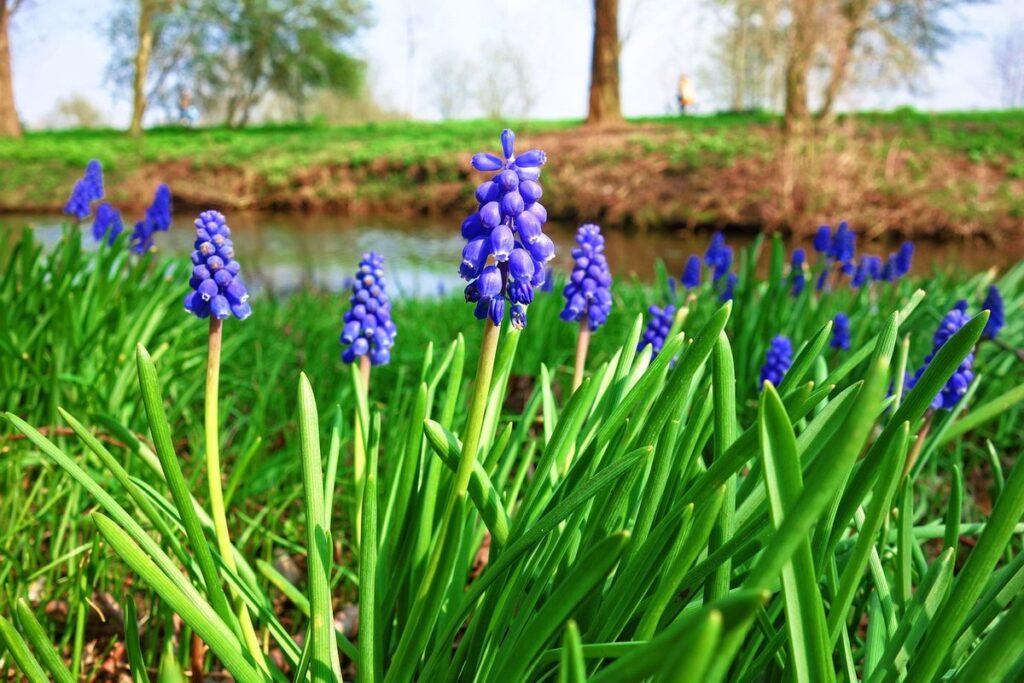
Choose early spring perennials with varying bloom times to extend the flowering period in your garden. For instance, plant Hellebores (Christmas roses) as a base layer, followed by daffodils, tulips, or grape hyacinths for added color variety. Balance large-leaved plants like hostas and daylilies with smaller ones like creeping thyme or vinca minor.
Incorporate different textures to create visual interest. Combine smooth-leaved perennials with those featuring ruffled or fuzzy foliage, such as bleeding heart (Dicentra spectabilis) or lamb’s ear (Stachys byzantina). Consider the growth habits of your plants and group tall species like coneflowers and black-eyed susans towards the back of your garden bed.
Integrating Companion Plants for Biodiversity
When designing an early spring perennial garden, it’s essential to consider incorporating companion plants that can enhance biodiversity, attract pollinators, and improve overall ecosystem health. By choosing a mix of flowers, herbs, and grasses that complement your perennials, you’ll create a thriving environment that promotes beneficial relationships between different species.
For example, planting marigolds alongside tomatoes can deter nematodes, which are microscopic worms that can harm roots, while also attracting beneficial insects like bees and butterflies. Similarly, basil is known to repel pests that target vegetables like aphids and whiteflies. By incorporating these companion plants into your garden design, you’ll create a more resilient ecosystem that’s better equipped to handle challenges like disease and pests.
Some other benefits of integrating companion plants include improved soil health through nitrogen fixation and weed suppression. For instance, beans are legumes that have the ability to fix nitrogen in the soil, while comfrey acts as a fertilizer plant by attracting beneficial insects that help break down organic matter. By incorporating these complementary plants into your garden design, you’ll be creating a vibrant tapestry of life that will support your perennials and attract pollinators all season long.
Frequently Asked Questions
What are some common mistakes to avoid when preparing the soil for new plantings?
When preparing the soil, it’s essential to avoid compacting it too much, which can prevent roots from growing properly. Also, be cautious not to over-tilled, as this can damage existing microorganisms and disrupt the soil structure. Instead, focus on gently loosening the top 6-8 inches of soil and adding organic matter like compost or well-rotted manure.
Can I grow a mix of early spring perennials in containers?
Yes! Growing early spring perennials in containers is a great option for small spaces or areas with poor soil. Just be sure to choose varieties that are compact or dwarf, and use high-quality potting mix specifically designed for container gardens. Also, keep in mind that you may need to water more frequently in containers, so monitor the moisture levels closely.
How do I determine if my early spring perennials have reached their full potential?
To ensure your perennials are reaching their full potential, look for signs of healthy growth, such as new foliage and blooming flowers. Check the plant’s overall appearance, including its shape, size, and color. Also, consider factors like sunlight, water, and fertilization to determine if you’re providing optimal conditions.
What companion plants work well with early spring perennials?
Companion planting is a great way to add biodiversity and interest to your perennial garden. Some popular choices for early spring perennials include creeping thyme (Thymus serpyllum), vinca minor (Periwinkle), and hostas, which can provide groundcover and shade for smaller plants.
How do I protect my early spring perennials from pests and diseases?
To prevent pests and diseases, maintain good garden hygiene by removing weeds and debris, and inspect your plants regularly. Use physical barriers or organic pest control methods whenever possible. Also, consider using resistant varieties and practicing crop rotation to minimize the risk of disease.