
Growing your own avocado tree can be a truly rewarding experience, especially when you finally get to harvest its delicious fruits. But let’s face it: growing an avocado tree that bears fruit isn’t always easy. With so many factors at play, from choosing the right variety to providing expert care, it’s no wonder many of us struggle to coax our trees into producing a bountiful crop.
In this comprehensive guide, we’ll walk you through everything you need to know to grow a thriving avocado tree that bears fruit. We’ll start with selecting the best variety for your climate and grafting options to ensure a strong start. Then, we’ll dive into expert care tips and tricks to help your tree flourish under your care. Whether you’re a seasoned gardener or just starting out, our guide will give you the knowledge and confidence to grow a productive avocado tree that brings joy to your kitchen for years to come.
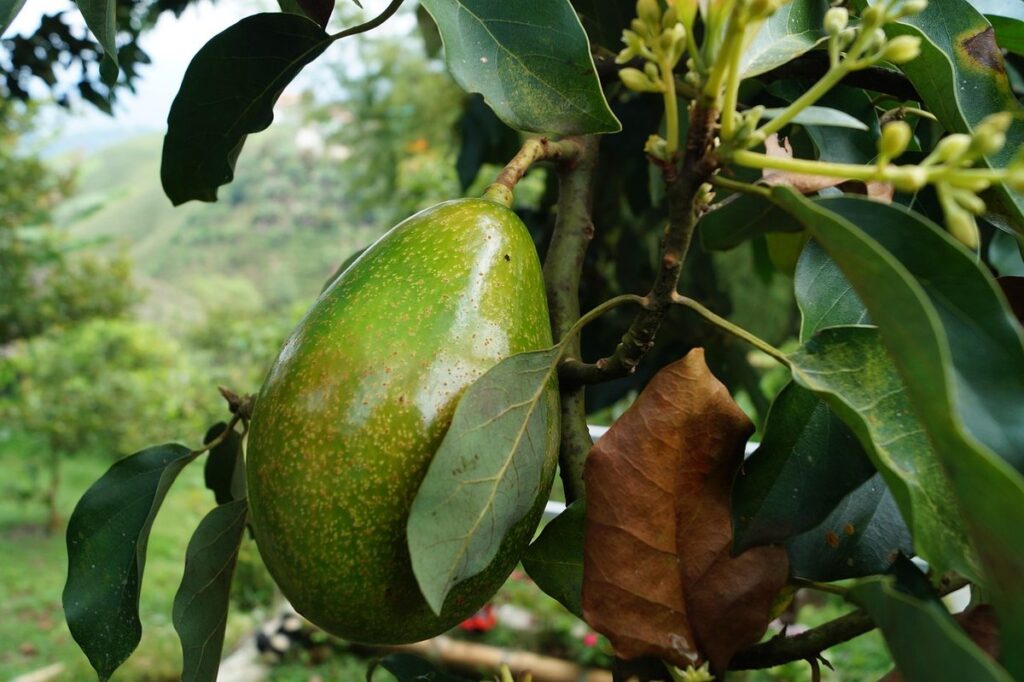
Choosing the Right Variety
When it comes to growing a fruitful avocado tree, selecting the right variety is crucial for success. Let’s dive into the different types of avocados and how to choose the one that will thrive in your garden.
Selecting a Fruitful Variety
When selecting an avocado tree to grow at home, it’s essential to choose a variety that is known for its fruit production. Some popular varieties like ‘Hass’, ‘Fuerte’, and ‘Bacon’ are bred specifically for their high yields and exceptional flavor. These trees have been cultivated over decades to optimize fruit quality and quantity.
To research the best avocado variety for your climate, start by consulting with local nurseries or gardening experts. They can provide valuable insights into which varieties perform well in your region’s specific conditions. You can also check online databases, such as the University of California’s Avocado Variety Database, which lists over 100 avocado varieties and their characteristics.
When evaluating a variety, consider factors like temperature tolerance, disease resistance, and fruit size and quality. For example, ‘Hass’ trees are known for their high yield but may require more maintenance due to their sensitivity to frost. On the other hand, ‘Fuerte’ trees are more resilient but produce smaller fruit. By choosing a variety that suits your climate and needs, you’ll be well on your way to growing a fruitful avocado tree that thrives in your care.
Considering Factors for Selection
When selecting an avocado tree for your garden, there are several factors to consider beyond its mere aesthetic appeal. You’ll want to think about disease resistance, climate adaptability, and space requirements to ensure that your tree thrives and produces a bountiful harvest.
Firstly, disease resistance is crucial in maintaining the health of your avocado tree. Some popular varieties like ‘Hass’ are more prone to root rot, while others like ‘Fuerte’ have natural resistance to fungal diseases. Researching the specific diseases prevalent in your region will help you choose a variety that can withstand them.
Climate adaptability is also vital, as different regions have unique temperature and humidity profiles. Avocado trees generally prefer mild winters and warm summers, but some varieties can tolerate cooler temperatures better than others. For instance, ‘Bacon’ avocados are more tolerant of frost, making them suitable for growers in cooler climates.
Lastly, consider the space requirements of your chosen variety. Some avocado trees can grow up to 80 feet tall, while others remain compact and bushy. If you have limited space, look for dwarf or semi-dwarf varieties that still offer fruit production. Ultimately, selecting a tree that suits your climate, soil conditions, and available space will set you up for success in growing a fruitful avocado tree.
Obtaining the Right Seed or Graft
When it comes to growing a fruitful avocado tree, selecting the right seed or graft is crucial for success. In this critical step, we’ll walk you through the process of obtaining a high-quality starting material.
Using Fresh Seeds
Extracting seeds from avocados is a simple process that can be done at home. To start, select a fresh and healthy avocado with no visible signs of mold or rot. Cut the avocado in half lengthwise around the pit, then gently twist the two halves in opposite directions to release the seed. Rinse the seed under running water, and use a vegetable brush to remove any remaining flesh or debris.
Once cleaned, you’ll need to dry the seed thoroughly with a paper towel. This is an important step, as excess moisture can cause the seed to rot before it has a chance to sprout. Allow the seed to air-dry for several days or weeks, depending on the humidity in your area. When it’s completely dry, you can proceed with planting.
Keep in mind that growing an avocado tree from seed is a long-term process that may not yield fruit right away. In fact, it can take anywhere from 3-10 years for a seed-grown tree to produce its first avocado. However, with proper care and patience, your chances of success are higher than you might think.
Understanding Grafting Options
Grafting is a crucial technique in avocado cultivation that allows you to combine the benefits of different tree varieties into one. By grafting a high-quality scion onto a robust rootstock, you can enhance the overall health and productivity of your avocado tree.
There are several types of rootstocks used in avocado grafting, each with its unique characteristics. Some popular options include ‘Duke’ and ‘Bacon’, which are known for their resistance to root rot and nematodes. Other varieties like ‘Fujisaki’ and ‘Gwen’ offer improved fruit quality and disease tolerance.
The process of grafting involves carefully joining the scion onto the rootstock, ensuring a tight seal between the two plant parts. This is typically done in a controlled environment, such as a nursery or greenhouse, to minimize stress on the tree. Once grafted, the tree will begin to develop its roots and eventually produce fruit.
When choosing a rootstock, consider factors like climate tolerance, disease resistance, and soil adaptability. Selecting the right combination can significantly impact your tree’s overall performance and yield.
Planting and Care Instructions
Now that you’ve selected a healthy avocado pit, it’s time to plant and care for your tree properly to ensure it thrives and bears delicious fruit. This section provides essential tips for planting and maintaining your young tree.
Preparing the Soil
When planting an avocado tree, it’s essential to prepare the soil correctly to give it the best chance of thriving. The ideal pH level for avocado trees is between 6 and 7, which is slightly acidic to neutral. To test the pH level of your soil, you can purchase a DIY kit or send a sample to a lab for analysis.
Avocado trees require well-draining soil that’s rich in nutrients. A mix of compost and perlite will provide excellent drainage while retaining moisture. You can also add a balanced fertilizer at planting time to give your tree a boost. However, avoid over-fertilizing, as this can damage the roots.
Before planting, loosen the soil to a depth of about 12 inches to allow for root growth. Remove any debris or rocks that could hinder water flow. If you’re using container-grown soil, make sure it’s not too dense and allows for adequate drainage. By following these steps, you’ll create an optimal environment for your avocado tree to establish itself and grow strong roots.
Watering and Mulching Habits
When it comes to growing a fruitful avocado tree, proper watering techniques and mulching habits are crucial for promoting healthy growth. Watering is one of the most critical aspects of caring for an avocado tree, as it can be prone to overwatering, which can lead to root rot and other problems.
To water your avocado tree correctly, make sure to check the soil moisture by sticking your finger into the soil up to the first knuckle. If the soil feels dry, it’s time to water. Water thoroughly until you see a few drops of water coming out of the drainage holes in the pot. However, avoid getting water on the leaves or trunk, as this can cause fungal diseases.
Mulching around the base of your avocado tree is also essential for retaining moisture and suppressing weeds. Use organic mulch like bark chips, straw, or coconut husk, and keep it a few inches away from the trunk to prevent root damage. As a general rule, aim to add about 1-2 inches of mulch per year to maintain a consistent layer.
Remember, consistency is key when it comes to watering and mulching your avocado tree. Try to establish a regular routine to ensure your tree receives the right amount of moisture throughout its growth stages.
Providing Optimal Growing Conditions
To ensure your avocado tree thrives, let’s dive into providing optimal growing conditions that will help it flourish and bear delicious fruit. This includes choosing the right location and soil for your tree.
Climate and Sunlight Requirements
Avocados are subtropical plants that thrive in mild climates with moderate temperatures. Ideally, they prefer temperatures between 65°F to 75°F (18°C to 24°C) during the day and around 55°F to 65°F (13°C to 18°C) at night. Avoid planting avocados in areas with extreme temperature fluctuations, as this can cause stress to the tree.
In terms of sunlight, avocado trees require full sun to partial shade. They need direct sunlight for at least six hours a day to produce fruit, but be cautious not to expose them to intense midday sun, which can lead to sunburn and damage. East- or west-facing locations are ideal, as they provide gentle morning or afternoon sunlight.
If you’re growing an avocado tree in a cooler climate, consider providing protection from frost using row covers or bringing the tree indoors during harsh winter months. For warmer climates, ensure proper ventilation to prevent heat stress. By understanding and replicating the optimal climate and sunlight conditions, you’ll be well on your way to cultivating a healthy and fruitful avocado tree.
Fertilizing and Pruning Practices
When it comes to fertilizing and pruning practices for avocado trees, there are specific techniques that can make all the difference in promoting healthy growth and fruit production. Avocado trees are heavy feeders and require regular nutrient-rich fertilizers to support their extensive root systems.
To fertilize an avocado tree effectively, use a balanced fertilizer (10-10-10 NPK) during the growing season (spring-fall). You can also add a micronutrient-rich fertilizer specifically formulated for fruiting plants. For example, E.B. Stone Organics Bloom! 5-3-4 is an excellent choice.
Pruning is another crucial aspect of avocado tree care. Prune your tree annually to maintain its shape and promote healthy growth. Remove any dead or diseased branches, as well as any crossing branches that can rub against each other and cause damage. Cut the top of the tree back by one-third during the dormant season (winter) to encourage new growth.
By incorporating these fertilization practices and pruning techniques into your avocado tree care routine, you’ll be well on your way to growing a fruitful and healthy tree that provides delicious avocados for years to come.
Managing Pests and Diseases
As you care for your avocado tree, it’s inevitable that pests and diseases will try to get in the way of its health and fruit production. Let’s explore effective ways to manage these unwanted visitors.
Common Avocado Pests
Avocado trees are susceptible to various pests that can cause damage and reduce fruit production. One of the most common pests affecting avocado trees is the avocado moth (Phthorimaea operculella). This pest lays eggs on the leaves, causing them to become disfigured and eventually fall off. To manage the avocado moth, use yellow traps coated with a sticky substance to capture adult moths. For organic control, spray the tree with neem oil or garlic solution.
Another common pest is the avocado thrip (Scirtothrips perseae). These tiny insects feed on sap, causing curled or distorted leaves and reduced fruit production. Use sticky yellow traps to capture adults, and apply neem oil or insecticidal soap to control infestations. Rodents like rats and mice also feed on avocados, causing significant damage. To prevent rodent attacks, place physical barriers around the tree, such as wire mesh or netting.
Birds can also pose a threat by eating avocado fruits before they ripen. Use bird-repellent balloons or scarecrows to deter birds, or cover the tree with fine-mesh nets during peak fruit production periods. Regularly inspect your avocado tree for signs of pests and diseases, and take prompt action to prevent infestations from spreading.
Recognizing and Treating Avocado Diseases
Avocado trees are susceptible to various diseases that can affect their growth and fruit production. One of the most common diseases is root rot, caused by fungal pathogens such as Phytophthora and Thielaviopsis. This condition occurs when the roots become waterlogged, allowing fungi to grow and multiply. To prevent root rot, ensure good drainage in your avocado tree’s soil and avoid overwatering.
Other diseases that can affect avocado trees include fungal infections like anthracnose and powdery mildew. These conditions can be identified by yellowing leaves, black spots on fruit, or a white, powdery coating on leaves. Bacterial blight is another common disease that causes wilted leaves, sunken lesions on fruit, and a sticky substance on the surface of the tree.
To treat these diseases, prune infected branches, improve air circulation around the tree, and apply fungicides or bactericides as necessary. It’s essential to maintain good hygiene practices when handling your avocado tree, washing your tools regularly to prevent the spread of disease. Regularly inspecting your tree for signs of disease can also help catch issues early on, reducing the risk of long-term damage to your tree.
Harvesting Your Avocado Crop
Now that you have a thriving avocado tree, it’s time to reap what you’ve sown and learn how to harvest your fresh crop when it’s perfectly ripe. This is where patience and technique come into play.
Monitoring Fruit Development
As you wait for your avocado tree to mature and produce fruit, monitoring its development is crucial to ensure optimal harvesting. A ripe avocado will undergo noticeable color changes, texture differences, and other visual cues that indicate it’s ready to be picked.
Start by checking the skin of the fruit regularly, as it will transition from a vibrant green to a more muted tone, often yellow or nearly black for Hass avocados. However, some varieties like Fuerte may retain their green color even when fully ripe. Look for slight softening around the stem end, which is a clear indicator that the avocado is approaching ripeness.
Another key factor in determining readiness is texture. A ripe avocado will yield to gentle pressure around the stem but still feel slightly firm near the skin. If you’re unsure, gently twist the fruit – if it comes off easily, it’s likely ready for harvest.
Tips for a Bountiful Harvest
To ensure a bountiful harvest from your avocado tree, it’s essential to implement proper pruning techniques. Regular pruning not only maintains the tree’s shape but also promotes healthy growth and fruit production. Remove any dead, diseased, or damaged branches to prevent the spread of disease and encourage new growth. Prune back the tip of the main trunk by about one-third to encourage branching and increase yields.
Fertilization is another crucial aspect of maximizing avocado yields. Feed your tree with a balanced fertilizer during the growing season (spring-fall) to provide essential nutrients for fruit production. However, avoid overfertilizing, as this can lead to excessive vegetative growth at the expense of fruiting. A general rule of thumb is to apply 1-2 pounds of fertilizer per year, depending on the tree’s age and size.
Environmental factors like temperature, sunlight, and water also significantly impact avocado yields. Avocado trees prefer a Mediterranean climate with mild winters and hot summers. Ensure your tree receives at least six hours of direct sunlight daily and maintains optimal humidity levels. Proper irrigation is equally important; avoid overwatering, which can lead to root rot and reduced fruit production. Monitor your tree’s response to these conditions and adjust accordingly for the best results.
Frequently Asked Questions
Can I grow an avocado tree from a seed that’s been stored for years?
Yes, it’s still possible to germinate a seed that’s been stored for years, but the success rate may be lower compared to fresh seeds. Make sure the seed is dry and free of mold before planting.
How often should I water my young avocado tree during its first year of growth?
Young avocado trees need consistent moisture, especially during their first year. Water your tree every 7-10 days during spring and summer months when it’s actively growing. Reduce watering to once a month in the winter months when the tree is dormant.
What are some common mistakes people make when grafting an avocado tree?
One of the most common mistakes is grafting at the wrong time, typically in the middle of the summer when the tree is under stress from heat and humidity. The best time for grafting is during the cooler winter months or early spring when the tree is less stressed.
Can I grow multiple avocado trees together to improve pollination?
While some avocado varieties are self-fertile, growing multiple trees together can increase pollination and fruit production. Choose varieties that are known to be compatible and have a high success rate for cross-pollination, such as ‘Hass’ and ‘Fuerte’.
How long does it take for an avocado tree to produce its first fruit?
This can vary depending on factors like the variety, climate, and growing conditions. Generally, it takes 3-5 years for an avocado tree to mature and produce its first fruit after planting a grafted tree. If you’re starting from seed, it may take 5-7 years or more.