
Are you curious about one of the most versatile and beneficial plants in nature? Look no further than the curly fern! Not only is this plant a stunning addition to any garden or indoor space, but it also boasts an impressive array of uses and benefits. From its unique characteristics and identification tips, to its medicinal applications and care requirements, we’ll be diving deep into the world of curly ferns in this comprehensive guide. Whether you’re a seasoned gardener or simply looking for a natural solution to common health issues, this article will provide you with everything you need to know about curly ferns – from the basics to advanced uses. Get ready to unlock the secrets and potential of this incredible plant!
What is a Curly Fern?
Let’s dive into what makes a curly fern unique, from its distinctive fronds to its growth habits and environments where it thrives naturally.
Characteristics of Curly Ferns
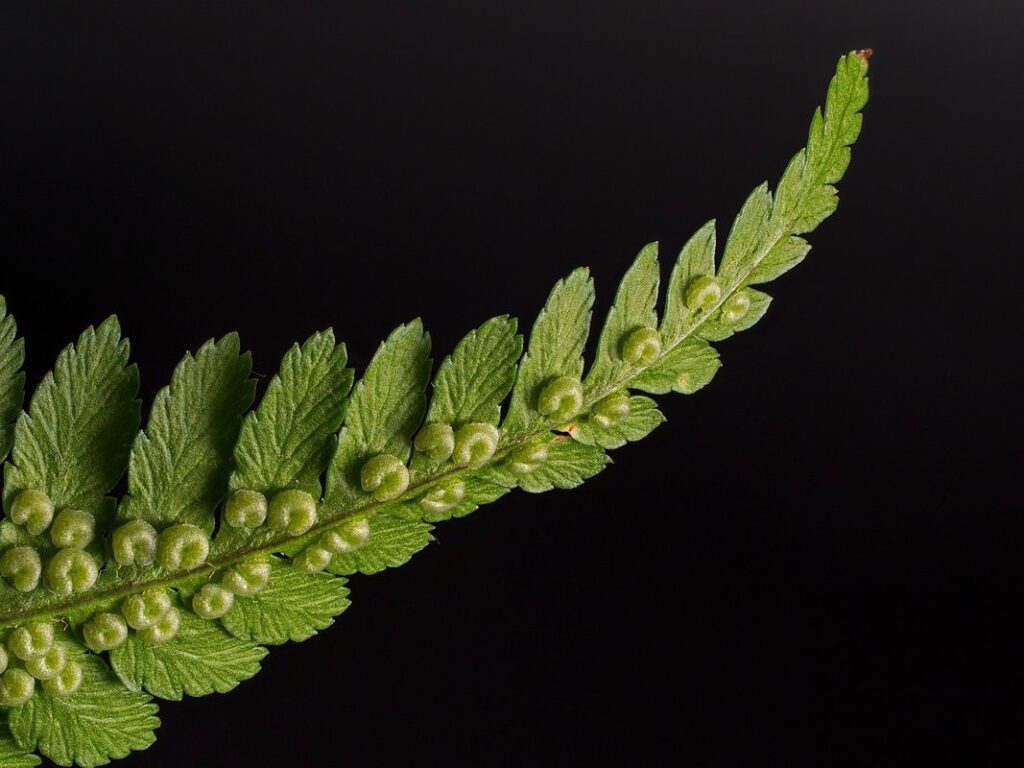
Curly ferns are easily recognizable due to their unique physical appearance. They have fronds that curve and twist in an irregular manner, often resembling a curly shape. This distinctive feature is where the name ‘curly fern’ originates. The frond’s curvature can vary from one type of curly fern to another, with some species displaying tighter curls while others have looser waves.
One of the most striking characteristics of curly ferns is their ability to thrive in shaded areas, often forming lush green clusters on trees or rocks. This adaptability makes them a popular choice for gardeners who want low-maintenance plants that can tolerate partial shade.
When identifying curly ferns, look for the presence of rounded or heart-shaped fronds with serrated edges. The leaf’s surface may also be covered in soft hairs or have tiny spines along its edges, depending on the species.
Types of Curly Ferns
There are several types of curly ferns, each with its unique characteristics, native habitats, and growth patterns. One of the most common species is the Maidenhair Fern (Adiantum spp.), which is found in tropical and subtropical regions worldwide. These delicate ferns have lacy fronds that curve downwards, giving them a distinctive appearance.
Another popular variety is the Autumn Fern (Dryopteris erythrosora), native to Japan but now grown in many parts of the world. Its curly fronds have a reddish-brown tint and are often used in landscaping for their decorative value. The Lady Fern (Athyrium filix-femina) is also worth mentioning, as it’s one of the most widely distributed species, found in moist woodlands and along streams.
Some other varieties, like the Autumn Gold Fern (Dryopteris erythrosora ‘Autumn Gold’), are cultivated for their vibrant autumn colors. These curly ferns can thrive in shaded areas with well-draining soil and moderate watering. By choosing a suitable type for your climate and environment, you can bring the beauty of these plants into your home or garden.
Identification and Uses of Curly Ferns
Let’s dive into the fascinating world of curly ferns, where we’ll explore how to identify them and discover their unique uses in various aspects of life. This guide will walk you through the process step by step.
Distinguishing Features from Similar Plants
When venturing out into the wild or tending to your garden, it’s not uncommon to come across plants that resemble curly ferns. Distinguishing these from similar species is crucial for accurate identification and effective care. One of the key differences lies in the fronds’ texture – while curly ferns have smooth, wavy margins, others may have coarse or serrated edges.
To differentiate curly ferns from lookalikes like autumn fern (Dryopteris erythrosora) and cinnamon fern (Osmundastrum cinnamomeum), examine the plant’s growth habits. Curly ferns tend to form compact rosettes, while other species may grow more sprawling or upright. Additionally, pay attention to the leaf arrangement – curly ferns typically have two rows of leaflets on each stem.
If you’re still unsure about a particular plant, observe its growth patterns over time. Curly ferns often emerge in early spring and thrive through summer, whereas some similar species may bloom later in the season or require more specific growing conditions.
Edible and Medicinal Uses
Curly ferns have been used for centuries in various cultures for their edible and medicinal properties. In some parts of Asia, curly ferns are considered a delicacy and are used as a garnish or added to soups for their unique texture and flavor.
From a culinary perspective, curly ferns can be cooked using a variety of methods such as steaming, sautéing, or boiling. They have a slightly sweet taste and a crunchy texture that pairs well with herbs and spices. When foraging for curly ferns, it’s essential to only pick the young fronds as they are more tender and less bitter.
In traditional medicine, curly ferns have been used to treat various ailments such as fever, cough, and bronchitis. The leaves and stems of the plant contain flavonoids, saponins, and terpenes that possess anti-inflammatory properties. However, it’s crucial to note that while curly ferns have medicinal benefits, they should not be used as a substitute for medical treatment.
To use curly ferns medicinally, you can make a tea by steeping the dried leaves in hot water or use the fresh fronds as a poultice to apply topically. However, consult with a healthcare professional before using curly ferns for medicinal purposes.
Ornamental Value
Curly ferns bring an undeniable charm to any space they occupy. Their unique texture and undulating fronds make them a standout choice for those seeking to add visual interest through landscaping or interior design. Beyond their aesthetic appeal, curly ferns also offer the advantage of being low-maintenance additions that require minimal upkeep.
One key consideration when using curly ferns is their placement within an arrangement. As they have a delicate appearance, it’s best to pair them with complementary plants that won’t overpower their natural beauty. For instance, combining curly ferns with smaller shrubs or groundcovers can create a balanced and inviting atmosphere in outdoor spaces. In interior design settings, placing them near windows allows the natural light to highlight the intricate details of the fronds.
Curly ferns’ ornamental value extends beyond visual appeal as well; they also serve as air purifiers by absorbing carbon dioxide and releasing oxygen into the environment. This eco-friendly benefit makes them an attractive option for those seeking sustainable design solutions.
Growing Curly Ferns: Requirements and Tips
To successfully grow curly ferns, you’ll need to understand their specific requirements, from light and temperature needs to watering and fertilization habits. Let’s dive into these essential tips now.
Lighting and Temperature Preferences
When it comes to growing curly ferns indoors or outdoors, providing ideal lighting and temperature conditions is crucial for their optimal growth. Curly ferns prefer bright, indirect light, but direct sunlight can scorch their delicate fronds. East- or west-facing windows are perfect for indoor cultivation, while outdoor growers can place them in a spot that receives dappled shade.
In terms of temperature, curly ferns thrive in temperatures between 65°F to 75°F (18°C to 24°C), making them an ideal choice for rooms with consistent temperatures. Avoid placing them near heating or cooling vents, fireplaces, or drafty windows, as sudden changes can stress the plant. If you’re growing outdoors, ensure that your fern is in a location protected from extreme weather conditions, such as frost or intense summer heat.
Maintaining optimal temperature and lighting conditions will help prevent common issues like yellowing leaves, browning tips, and stunted growth. By providing the right environment, you’ll be rewarded with lush, curly fronds and a thriving, healthy fern that brings life to any space.
Watering and Humidity Needs
To maintain healthy growth, curly ferns require consistent moisture levels. Over-watering can lead to root rot and other issues, while under-watering can cause the fronds to turn yellow and become brittle. The ideal humidity level for curly ferns is between 50-70%. To achieve this, you can place the plant on a tray filled with water and pebbles or use a humidifier nearby.
Water your curly fern when the top inch of soil feels dry to the touch. Avoid getting water on the fronds themselves, as this can cause fungal diseases. Instead, water at the base of the plant, allowing the roots to absorb the moisture.
Monitor the humidity levels in your home and adjust accordingly. In dry environments, consider using a humidifier or grouping plants together to create a microclimate. Conversely, if you live in a humid climate, ensure good air circulation around your curly fern to prevent fungal diseases. By striking this balance, you’ll be rewarded with lush, vibrant fronds that showcase the beauty of your curly fern.
Soil and Fertilization Recommendations
When it comes to growing curly ferns, selecting the right soil type is crucial for their optimal growth and development. These ferns thrive in well-draining acidic soils with a pH between 5.5 and 6.5. A mix of peat moss, perlite, or vermiculite can provide the necessary acidity and drainage. Avoid using regular potting soil as it can retain too much water and cause root rot.
Fertilization is also vital for curly ferns, but over-fertilizing can be detrimental. Feed your ferns with a balanced, water-soluble fertilizer (20-20-20) during the growing season (spring and summer). Dilute the fertilizer to half the recommended strength to prevent burning the roots. You can also use an organic fertilizer like fish emulsion or compost tea for added nutrients.
When repotting your curly ferns, gently remove any dead or dying fronds, and prune back long stems to encourage bushy growth. Use a fertilizer specifically formulated for acid-loving plants, such as Miracid or Dyna-Gro Foliage-Pro. Follow the manufacturer’s instructions carefully to avoid over-fertilizing. Regular fertilization will promote healthy growth, vibrant green fronds, and prevent nutrient deficiencies.
Care and Maintenance: Common Issues and Solutions
As you care for your curly fern, it’s not uncommon to encounter a few common issues, from yellowing fronds to pests and diseases. We’ll tackle these problems and share solutions right here!
Pest and Disease Management
As a curly fern owner, it’s essential to be aware of potential pests and diseases that can affect these beautiful plants. Curly ferns are susceptible to various common issues, including spider mites, mealybugs, scale insects, and root rot caused by overwatering.
To prevent these problems, ensure your curly fern is receiving good air circulation, as this will help prevent the buildup of moisture that fosters pest growth. Regularly inspect your plant for any signs of pests or disease, such as white powdery patches on leaves (mealybugs) or fine webbing between stems (spider mites).
If you do spot a problem, act quickly to treat it. For example, if your curly fern is infested with spider mites, try treating it with neem oil or insecticidal soap according to the product’s instructions. Make sure to wash your hands thoroughly after handling any pesticide.
Root rot can be prevented by repotting your curly fern in a well-draining potting mix and avoiding overwatering. By taking proactive measures and staying vigilant, you’ll be able to enjoy your curly fern for years to come.
Pruning and Propagation Techniques
To maintain the health and vigor of your curly fern, it’s essential to prune and propagate it regularly. Pruning involves trimming off dead or damaged fronds to prevent the spread of disease and encourage new growth. Use a pair of clean scissors or pruning shears to carefully remove any affected areas, making sure not to damage surrounding fronds.
Dividing your curly fern is another effective way to maintain its health. This process can be done every 2-3 years when the plant becomes pot-bound. Gently remove the fern from its container and separate the roots using a sterile tool or your fingers. Replant the separated sections in fresh potting mix, making sure each section has adequate room to grow.
To propagate curly ferns, you can use stem cuttings or spores. Stem cuttings involve taking 2-3 inch segments of stem with at least two fronds attached and planting them in a pot filled with moistened sphagnum moss. Spores, on the other hand, require more expertise and specialized equipment.
Troubleshooting Common Problems
If you notice that your curly fern is struggling with yellowing leaves, droopy fronds, or poor growth, it’s essential to troubleshoot the issue promptly. Yellowing leaves can be a sign of overwatering, so ensure you’re not giving your fern too much moisture. Check the soil by sticking your finger into it – if it feels soggy, wait a few days before watering again.
Droopy fronds might indicate underwatering or inadequate humidity levels. To combat this, increase the frequency of watering, and consider placing the pot on a tray filled with water and pebbles to maintain a humid microclimate around your fern. If you’ve recently repotted your curly fern, it may need time to adjust to its new environment.
Monitor your plant closely for any signs of pests or diseases, such as white powdery patches or spider webs. Treat these issues promptly by isolating the plant and using organic pest control methods like neem oil or insecticidal soap.
Benefits of Curly Ferns: Health, Environmental, and Cultural Significance
Curly ferns offer a multitude of benefits that go beyond their unique appearance. Let’s dive into the health, environmental, and cultural significance that make these plants so special.
Medicinal Properties and Potential Health Benefits
Curly ferns have been used for centuries in traditional medicine due to their rich composition of bioactive compounds and medicinal properties. The plant’s extracts have been shown to possess anti-inflammatory, antioxidant, and antimicrobial activities, making it a valuable resource for treating various health conditions.
Studies have isolated several key compounds from curly ferns, including flavonoids, phenolic acids, and alkaloids, which are responsible for its therapeutic effects. These compounds have been found to exhibit potential in reducing inflammation, improving cardiovascular health, and boosting the immune system.
In traditional medicine, curly fern is often used to treat respiratory issues such as bronchitis and asthma due to its expectorant properties. It’s also used to soothe digestive problems like irritable bowel syndrome (IBS) by reducing inflammation in the gut. The plant’s antioxidant activity can help protect against cell damage caused by free radicals, potentially reducing the risk of chronic diseases like cancer and neurodegenerative disorders.
To harness the medicinal benefits of curly ferns, you can use them as a tea or tincture. Steep 1-2 teaspoons of dried curly fern leaves in boiling water for 5-7 minutes to make a tea that can help alleviate respiratory issues. Alternatively, consult with a healthcare professional about using curly fern extracts in supplement form.
Note: Consult with a healthcare professional before using curly ferns or any herbal remedy, especially if you have underlying health conditions or are taking medications.
Ecological Importance in Ecosystems
Curly ferns play a vital role in maintaining ecosystem balance and biodiversity. They are an essential component of many forest ecosystems, providing a habitat for various species of insects, birds, and small mammals. As a food source, curly ferns support the growth and development of these organisms, which in turn contribute to the overall health of the ecosystem.
In addition to their role as a food source, curly ferns also help maintain soil quality by contributing organic matter through their decomposing fronds. This process enriches the soil with essential nutrients, promoting healthy plant growth and preventing erosion. Moreover, curly ferns act as a natural filter, absorbing excess water and nutrients from the soil and preventing them from entering nearby water sources.
In forest ecosystems where trees are densely packed, curly ferns help maintain air circulation by filling in gaps between tree trunks. This allows for better air exchange, which is essential for photosynthesis and plant growth. By maintaining ecosystem balance and biodiversity, curly ferns play a critical role in supporting the overall health of their environments.
Symbolism and Cultural Associations
In various cultures around the world, curly ferns have been imbued with rich symbolic meanings and significance. In Japanese culture, for example, curly ferns are considered a symbol of longevity, good health, and prosperity. They’re often used in traditional arrangements and ceremonies to bring these blessings into one’s life.
In some Native American societies, curly ferns are associated with protection and healing. The plant is believed to possess medicinal properties that can help alleviate ailments such as fever and inflammation. In fact, the roots of the curly fern contain a compound called lycopene, which has been shown to have antioxidant and anti-inflammatory effects.
Interestingly, in some African cultures, curly ferns are seen as a symbol of fertility and abundance. They’re often used in rituals to promote fertility and ensure a bountiful harvest. If you’re interested in exploring the symbolic meanings associated with curly ferns in your own life or culture, consider incorporating them into your home decor or using them in traditional ceremonies.
By acknowledging and respecting these cultural associations, we can tap into the deeper significance of this beautiful plant and appreciate its value beyond its physical beauty.
Conclusion: Appreciating the Beauty and Value of Curly Ferns
As we wrap up our journey into the world of curly ferns, let’s take a moment to appreciate their unique beauty and value in our gardens and lives. We’ll explore the ways they add character and charm to our surroundings.
Recap of Key Takeaways
Growing curly ferns requires attention to their specific needs. They thrive in bright, indirect light and maintain moisture levels consistently, with a moderate watering schedule. Regular misting is essential, especially during dry spells. Soil quality also plays a significant role, as these plants prefer well-draining, rich potting mixes.
A balanced fertilizer applied at half the recommended strength should be sufficient for curly ferns’ nutrient needs. Pruning or repotting should only occur when absolutely necessary, as over-manipulation can cause stress. Regular monitoring of temperature and humidity levels ensures a comfortable environment, with temperatures ranging from 65-75°F (18-24°C) ideal.
In terms of appreciation, consider the unique features that make curly ferns stand out. Notice the intricate patterns formed by their curved fronds, which come in varying shades of green. Appreciate their ability to thrive in low-light conditions, making them an excellent choice for indoor spaces with limited natural light.
Final Thoughts on the Significance of Curly Ferns
As we conclude our comprehensive guide to curly ferns, it’s essential to reflect on their unique characteristics, uses, and benefits. These remarkable plants have captured the hearts of many with their delicate, lacy fronds and versatility in various applications.
Their ornamental value is undeniable, but what sets curly ferns apart is their ability to purify the air and improve indoor environments. Studies have shown that they can remove up to 80% of volatile organic compounds (VOCs) from the air, making them an excellent choice for spaces with poor air quality.
Beyond aesthetics and air purification, curly ferns also possess medicinal properties. They contain antioxidants and anti-inflammatory compounds, which have been used in traditional medicine to treat various ailments. However, it’s essential to note that more research is needed to fully understand their potential benefits.
As you continue to appreciate the beauty and value of curly ferns, remember to care for them properly to ensure they thrive. By providing the right conditions and maintenance, you can enjoy their many benefits for years to come.
Frequently Asked Questions
Can I grow curly ferns indoors, or do they require a specific outdoor environment?
Yes, curly ferns can thrive in indoor conditions with proper care. They prefer bright, indirect light but can adapt to low-light situations. Keep them away from direct sunlight and maintain a consistent temperature between 65-75°F (18-24°C). Watering and humidity needs should be met by misting the fronds regularly.
How do I prevent curly ferns from becoming too leggy or losing their natural curl?
To promote healthy growth and maintain the curly shape, ensure your plant receives sufficient moisture and humidity. Avoid direct sunlight, which can cause the fronds to become brittle and lose their natural curve. Prune your curly fern regularly to encourage bushy growth and prevent it from becoming too leggy.
Can I use curly ferns for medicinal purposes without proper training or equipment?
While curly ferns have medicinal properties, using them effectively requires knowledge of their active compounds and preparation methods. If you’re interested in harnessing the plant’s health benefits, consider consulting with a healthcare professional or an experienced herbalist to ensure safe and responsible use.
How do I identify a specific type of curly fern for my garden, given the numerous species available?
When selecting a curly fern species, research its natural habitat, growth habits, and environmental preferences. Consult with local nurseries, gardening communities, or online resources to determine which types thrive in your region’s climate and soil conditions. This will help you choose a species that suits your specific needs.
Can I propagate curly ferns using leaf cuttings, or do they require more specialized methods?
Yes, curly ferns can be propagated through leaf cuttings, but the success rate may vary depending on the species. To increase chances of successful propagation, take healthy, mature frond sections and plant them in a well-draining potting mix under controlled humidity conditions. Keep the soil consistently moist but not waterlogged until roots develop.