
Are you tired of relying on expensive store-bought fertilizers to give your tomato plants a boost? Making your own homemade fertilizer can be a game-changer for any gardener, and it’s easier than you think. Not only is it cost-effective, but it’s also a great way to reduce waste and create a more sustainable garden.
In this article, we’ll show you how to make effective homemade fertilizers using compost tea, manure-based solutions, and kitchen waste composting. We’ll cover preparation methods, safety considerations, and application tips so you can get the most out of your DIY fertilizers. Whether you’re a seasoned gardener or just starting out, this guide will help you grow healthy and productive tomatoes without breaking the bank. Let’s dive in and explore the world of homemade fertilizer for tomatoes!
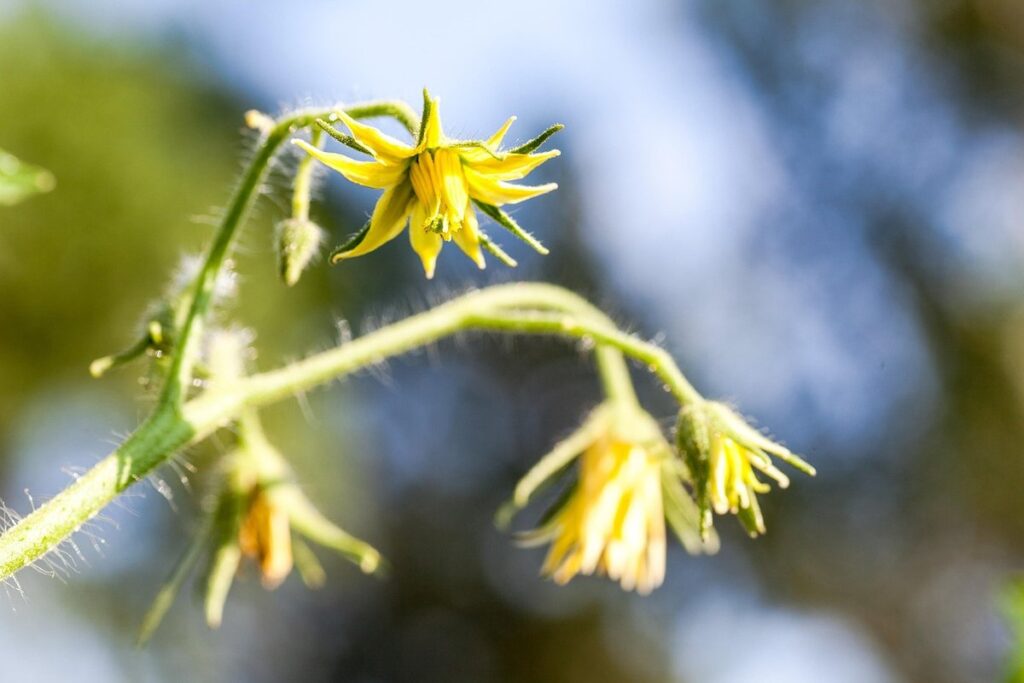
Understanding Tomato Nutrition
To grow healthy and thriving tomatoes, it’s essential to understand their nutritional requirements and how your homemade fertilizer can meet those needs. Let’s dive into the key nutrients that tomatoes crave.
The Importance of Nutrients for Tomatoes
Tomatoes are one of the most widely consumed vegetables worldwide, and their nutritional requirements play a significant role in their growth and development. To understand why homemade fertilizers for tomatoes are essential, let’s break down the key nutrients required by these plants.
Nitrogen (N) is crucial for tomato plant growth as it promotes leafy green development and fruit production. Phosphorus (P), on the other hand, enhances root development and encourages fruiting and flowering. Potassium (K) supports overall plant health, aiding in resistance to diseases and environmental stresses. These three nutrients are known as the N-P-K trio and are often combined in commercial fertilizers.
Other essential micronutrients for tomatoes include iron, magnesium, sulfur, and calcium. Iron helps transport oxygen within the plant, while magnesium aids in photosynthesis and cell wall development. Sulfur supports overall health and resistance to diseases, whereas calcium is vital for cell membrane integrity and fruit production. To create an effective homemade fertilizer for tomatoes, it’s essential to consider these micronutrients alongside N-P-K.
When formulating a homemade tomato fertilizer, consider using compost tea or worm castings as they provide a balanced mix of nutrients. You can also add other natural ingredients like Epsom salt (magnesium and sulfur) or crushed eggshells (calcium).
Common Deficiencies in Tomato Plants
When it comes to growing healthy and productive tomato plants, providing them with adequate nutrition is crucial. However, even with proper care, nutrient deficiencies can still occur. Let’s take a closer look at some common deficiencies that can affect tomato plants.
Iron chlorosis is one of the most prevalent nutrient deficiencies in tomatoes. It occurs when the plant lacks sufficient iron to carry out photosynthesis, resulting in yellowing leaves and reduced fruit production. Magnesium deficiency is another common issue, causing interveinal chlorosis (yellowing between leaf veins) and stunted growth.
Other notable deficiencies include potassium (K) deficiency, which can lead to blossom-end rot and poor fruit development; calcium (Ca) deficiency, resulting in blossom-end rot and misshapen fruits; and nitrogen (N) deficiency, causing stunted growth and pale leaves. These deficiencies may seem unrelated to fertilizer application, but they can be prevented or addressed through proper nutrient management.
By understanding these common deficiencies and taking preventative measures, you can ensure your tomato plants receive the necessary nutrients for optimal growth and production.
Factors Affecting Nutrient Availability
When it comes to growing nutrient-rich tomatoes, understanding the factors that affect nutrient availability is crucial. The first step is to assess your soil’s pH level. Most tomato plants prefer a slightly acidic to neutral soil pH between 6.0 and 7.0. If your soil is too alkaline or acidic, this can limit nutrient uptake.
Waterlogging can also impact nutrient availability. When the soil is saturated with water for extended periods, nutrients like nitrogen and phosphorus are washed away, making them unavailable to plants. To avoid waterlogging, ensure good drainage in your garden bed by adding organic matter like compost or perlite.
Nutrient-depleting microorganisms, such as certain types of bacteria, can also affect nutrient availability. These microbes feed on available nutrients, leaving less for your tomato plants. To combat this issue, add beneficial microorganisms like mycorrhizal fungi to your soil through homemade fertilizers or compost teas.
To address these issues, test your soil regularly and adjust its pH level accordingly. Implement good irrigation practices to prevent waterlogging, and incorporate homemade fertilizers rich in beneficial microbes to support optimal nutrient uptake by your tomato plants.
Types of Homemade Fertilizers
When it comes to creating a homemade fertilizer for your tomatoes, you have several options to consider, from simple kitchen scraps to more complex composting methods. Let’s explore some popular types of homemade fertilizers next.
Compost Tea Fertilizer
Compost tea is a liquid fertilizer made by steeping compost in water. This process releases beneficial microorganisms and micronutrients that can enhance soil health and promote healthy tomato growth. By providing essential nutrients, compost tea can improve fruit set, increase yields, and boost plant resistance to disease.
To make compost tea, start by filling a 5-gallon bucket with 1-2 gallons of water for every gallon of compost you’re using. The liquid-to-solid ratio is crucial for effective nutrient release. A general rule of thumb is to use one part compost to ten parts water. Next, steep the mixture in a dark place or under shade for 24-48 hours, allowing the beneficial microbes to multiply and infuse into the liquid.
When applying compost tea, you can either drench the soil directly or mix it with water as a foliar spray. Drenching is best for established plants, while foliar sprays work well during seedlings’ early stages of growth. Aim to apply compost tea every 1-2 weeks throughout the growing season for optimal results. By incorporating this homemade fertilizer into your tomato care routine, you’ll be providing your plants with a natural and nutrient-rich boost that promotes healthy growth and abundant harvests.
Manure-Based Fertilizers
Manure-based fertilizers are a natural and cost-effective way to feed your tomatoes. Animal manures like chicken, cow, or horse can be rich in nutrients such as nitrogen, phosphorus, and potassium. To use manure-based fertilizers safely, it’s essential to follow proper handling and application guidelines.
First, ensure the manure is aged for at least 6 months to kill off pathogens and reduce odors. You can mix fresh manure with water to create a liquid fertilizer or age it in a compost pile to break down its organic matter. For example, you can mix one part of fresh chicken manure with three parts of water to create a concentrated liquid fertilizer.
When applying manure-based fertilizers, start with a small dose and monitor your tomato plants’ response. A general rule of thumb is to apply 1-2 pounds of aged manure per square foot of soil area. Be cautious not to over-fertilize, as this can damage your tomatoes’ roots and affect their growth.
To avoid contamination, always wear gloves when handling fresh manure, and wash your hands thoroughly afterward. Additionally, ensure the area where you’re applying the fertilizer is well-ventilated to prevent ammonia buildup.
Kitchen Waste Composting
Composting kitchen waste is an excellent way to create a nutrient-rich fertilizer for your tomato plants. This process involves turning food scraps and other organic materials into a valuable resource that can improve soil structure, increase crop yields, and promote healthy plant growth.
To start, gather a mix of “green” materials like fruit and vegetable peels, tea bags, and coffee grounds, which are high in nitrogen. These should be balanced with “brown” materials such as eggshells, paper towels, or shredded newspaper, which are high in carbon. Aim for a ratio of 2/3 brown to 1/3 green to maintain optimal decomposition.
To minimize pests and odors, ensure good airflow by adding a layer of finished compost at the bottom of your pile. You can also sprinkle a small amount of crushed eggshells or diatomaceous earth around the perimeter to deter insects. Regularly turning the compost will help speed up the process, but be gentle to avoid compacting the materials.
After 2-3 months, your kitchen waste compost should be ready to use as a fertilizer for your tomatoes. Mix it into the soil at planting time or side-dress during the growing season.
Preparing Homemade Fertilizers for Tomato Plants
Let’s move on to preparing homemade fertilizers for your tomato plants, a crucial step in maintaining their optimal health and growth. You’ll learn how to create effective and natural fertilizers using common household items.
Measuring and Mixing Fertilizers
Measuring and mixing homemade fertilizers is a crucial step to ensure that your tomato plants receive the right amount of nutrients. To avoid over-fertilization or under-fertilization, you’ll need a few essential tools: a digital scale for precise measurements and a mixer or blender to combine ingredients.
When measuring dry ingredients like compost, manure, or blood meal, use a scale with gram accuracy. This will help you achieve the exact ratio of ingredients required in your recipe. For example, if a recipe calls for 200 grams of compost, ensure you measure it accurately using a digital scale. When mixing liquids like fish emulsion or kelp extract, use measuring cups or a graduated cylinder to avoid spills and contamination.
To mix fertilizers effectively, start by combining dry ingredients first, then gradually add liquid components while stirring continuously. This helps prevent clumping and ensures even distribution of nutrients. Additionally, store your homemade fertilizer in an airtight container to maintain its potency and prevent spoilage. By following these guidelines, you’ll be able to create a customized blend that provides the perfect balance of nutrients for your tomato plants.
Application Methods and Timing
When it comes to applying homemade fertilizers to your tomato plants, timing and method are crucial for optimal results. One of the most effective methods is through foliar spraying, which allows you to deliver nutrients directly to the leaves. This can be particularly beneficial during the fruiting stage when tomatoes need an extra boost of nutrients.
Timing-wise, it’s essential to apply homemade fertilizers at different stages of your tomato plants’ growth cycle. Pre-bloom application helps promote healthy root development and establishment, while post-harvest application supports the plant in replenishing its nutrient reserves for next year’s growth.
Consider integrating these methods with other gardening practices like pruning and mulching. Pruning can help stimulate new growth, making it an ideal time to apply homemade fertilizers through a soil drench. Mulching, on the other hand, retains moisture and suppresses weeds, creating a conducive environment for your tomato plants to absorb nutrients from the fertilizer.
As a rule of thumb, aim to apply homemade fertilizers every 1-2 weeks during peak growing seasons. Monitor your plants’ response to adjust the frequency accordingly, ensuring you’re providing just the right amount of nourishment for optimal growth and yield.
Safety Considerations and Precautions
When creating your homemade tomato fertilizer, it’s essential to take safety precautions to avoid any potential harm to yourself or your garden. This includes handling chemicals with care and wearing protective gear when necessary.
Handling and Storage
When working with homemade fertilizers, it’s essential to prioritize safety and take necessary precautions. To avoid exposure to potential irritants or contaminants, ensure you’re wearing protective gear such as gloves, goggles, and a face mask while handling the fertilizer. These simple measures will safeguard your skin and eyes from any potential harm.
In case of spills or accidents, have a plan in place for cleaning up quickly and safely. This might involve having a designated area for disposal, using a neutralizing agent to counteract any potential alkalinity, and washing your hands thoroughly afterward.
To maintain the potency of your homemade fertilizer and prevent contamination, store it in airtight containers away from direct sunlight and moisture. Label each container clearly with its contents and date, so you can easily track when it was made and how long it’s been stored. Regularly inspect your storage area for any signs of spoilage or pests, taking prompt action to address any issues that arise.
Potential Risks and Allergies
When working with homemade fertilizers for tomatoes, it’s essential to be aware of potential risks and take necessary precautions. One of the primary concerns is bacterial or fungal infections that can occur when using certain ingredients like manure or compost tea. These pathogens can spread quickly through contact with contaminated soil or water, leading to root rot, leaf spot, or even plant death.
To minimize this risk, make sure to properly sterilize any equipment used in the fertilizer-making process and handle the mixture carefully. Wear gloves and protective eyewear when working with potentially hazardous materials. Additionally, use fresh and uncontaminated ingredients, and avoid cross-contamination between batches.
Some people may also experience allergic reactions or sensitivities to certain ingredients like manure or compost tea. If you notice any unusual skin irritation, respiratory issues, or other adverse symptoms after using homemade fertilizer, discontinue use immediately and seek medical attention if necessary. In the event of an accident, have a plan in place for emergency responses, such as having a first-aid kit on hand and knowing what to do in case of contamination.
Conclusion and Future Directions
Now that you’ve learned how to make your own fertilizer for tomatoes, let’s summarize what we’ve covered so far and discuss potential future directions.
Reviewing Key Takeaways
As we conclude our comprehensive guide to homemade fertilizer for tomatoes, let’s review the essential takeaways that will help you boost your tomato plants’ growth and productivity.
We’ve covered the key nutrients tomatoes require, including nitrogen, phosphorus, potassium, magnesium, sulfur, calcium, and iron. These micro- and macronutrients play a crucial role in developing healthy roots, promoting fruiting, and preventing diseases. By incorporating these essential elements into your homemade fertilizer, you’ll be providing your tomato plants with the building blocks they need to thrive.
You’ve learned about various homemade fertilizer options, including compost tea, worm casting, manure tea, and Epsom salt spray. Each of these methods has its unique benefits and can be tailored to suit your specific needs and preferences. For example, compost tea is an excellent choice for those looking for a nitrogen-rich fertilizer, while worm casting provides a slow-release source of phosphorus.
Remember to always follow safety precautions when preparing and applying homemade fertilizers, such as wearing gloves and eyewear, and keeping them away from children and pets. By implementing these key takeaways into your gardening routine, you’ll be well on your way to growing healthy, productive tomato plants that will reward you with an abundance of juicy fruits.
Final Tips and Recommendations
As you transition from commercial fertilizers to homemade alternatives, remember that making adjustments along the way is crucial for optimal results. Monitor your tomato plants’ pH levels closely and be prepared to make adjustments as necessary – a slightly acidic soil pH between 6.0 and 7.0 will support healthy growth. To adapt recipes based on changing conditions, consider adjusting the ratio of nitrogen-rich ingredients (like manure tea) or phosphorus-rich components (such as bone meal), and keep an eye out for nutrient deficiencies.
When experimenting with new ingredients, prioritize locally sourced options to minimize transportation-related carbon emissions. Consider using food waste from your kitchen to create a balanced fertilizer, like eggshells or banana peels which can provide essential micronutrients. Similarly, explore the use of compost tea bags, which allow you to control the nutrient release rate and avoid over-fertilization – an especially important consideration when transitioning to homemade fertilizers.
Remember that creating an effective homemade fertilizer is an iterative process that requires patience and observation.
Frequently Asked Questions
Can I use homemade fertilizers on other types of plants besides tomatoes?
Yes, the principles and recipes shared in this article can be adapted for various vegetables and fruits, but it’s essential to research their specific nutritional needs to ensure optimal growth.
How do I know if my homemade fertilizer is too strong or weak for my tomato plants?
Monitor your plant’s response by observing leaf color, growth rate, and fruit production. If you notice excessive leaf drop or stunted growth, dilute the fertilizer; conversely, if plants are thriving but not fruiting as expected, consider increasing the strength.
What safety precautions should I take when handling manure-based fertilizers?
When working with manure-based solutions, wear gloves and protective eyewear to minimize exposure to potential pathogens. Ensure the area is well-ventilated, and wash your hands thoroughly afterward.
Can I make homemade fertilizer for tomatoes if I don’t have a garden or outdoor space?
Yes, you can still create effective fertilizers using kitchen waste composting indoors, such as food scraps in a worm composter or aerated compost tea bags. This method allows for controlled nutrient release and can be adapted to small spaces.
How often should I reapply homemade fertilizer to my tomato plants throughout the growing season?
Reapply every 7-10 days during the first growth stage (seedling to fruiting), then gradually increase intervals as plants mature, typically every 4-6 weeks. Adjust application frequency based on soil testing and plant responses for optimal nutrient balance.