
Are you ready to take your indoor spaces to the next level? Draping plants is an art form that can instantly elevate any room, adding a touch of elegance and personality. Not only does it bring in a sense of nature, but it also helps purify the air and create a calming ambiance. However, draping plants can be intimidating if you’re new to the world of indoor gardening. That’s why we’ve put together this comprehensive guide to help you get started.
In this article, we’ll cover everything from choosing the right types of plants for draping to preparing them for optimal growth. You’ll learn how to care for your draped plants, including tips on watering, pruning, and fertilizing. We’ll also share styling ideas to help you create stunning indoor spaces that reflect your personal style. Whether you’re a seasoned plant parent or just starting out, our guide will walk you through the process of draping plants with confidence.
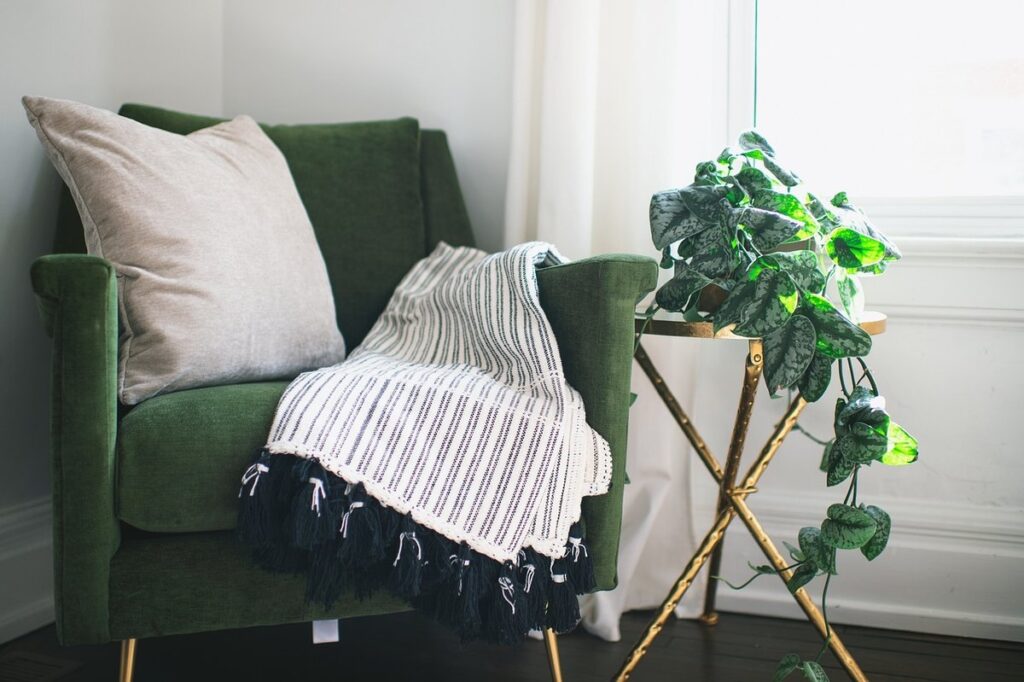
Understanding Plant Draping
When it comes to draping plants, understanding how they grow and thrive is crucial for creating a beautiful display. Let’s dive into the basics of plant drape and how to identify its unique characteristics.
What is Plant Draping?
Plant draping is an innovative technique that involves training and weaving plants to grow over and around structures, such as walls, trellises, or even buildings. This unique approach not only adds a touch of greenery to outdoor spaces but also helps to soften hard architectural lines.
One of the significant benefits of plant draping is its ability to create a sense of depth and visual interest in areas with limited natural growth. By using a variety of plants with different textures, colors, and growth habits, you can achieve a lush, full display that appears almost like a living wall.
Plant draping also offers numerous practical advantages. For instance, it can be used to conceal unsightly features, such as air conditioning units or pipes, while adding an eco-friendly element to your space. Additionally, by allowing plants to grow up walls, you can create natural shading and reduce energy consumption.
To get started with plant draping, choose a mix of fast-growing vines, shrubs, and groundcovers that thrive in your local climate. With proper training and care, these plants will not only thrive but also provide a stunning display of color and texture throughout the seasons.
Types of Plants Suitable for Draping
When it comes to draping plants, you’ll want to choose species that not only look great but also thrive in their hanging environment. Ivy is an excellent choice for draping, as its flexible stems and small leaves make it easy to train into a beautiful cascade. English ivy (Hedera helix) and Boston ivy (Parthenocissus tricuspidata) are popular varieties that work well for this purpose.
Ferns are another great option for adding a lush, green touch to your draping plants. Maidenhair ferns (Adiantum spp.) and autumn ferns (Dryopteris erythrosora) are popular choices due to their delicate fronds and ability to thrive in shaded areas. When using ferns for draping, be sure to provide a trellis or other support system to help them grow upwards.
Flowering plants like ivy geranium (Pelargonium peltatum), which produces vibrant pink flowers, can add a pop of color to your draping display. For best results, choose flowering varieties that have trailing stems and are adapted to hanging baskets or containers.
Some popular plant combinations for draping include pairing English ivy with hanging ferns or mixing ivy geranium with sweet potato vine (Ipomoea batatas) for a colorful and textured look. When selecting plants for your draping project, consider factors like light requirements, watering needs, and growth habits to ensure you choose varieties that will thrive in their environment.
Preparing Your Space for Draping
When preparing your space for draping plants, it’s essential to consider the lighting and temperature conditions. The ideal spot will depend on the type of plants you’re working with, but here are some general guidelines.
For most plants, a north-facing wall or a shaded area is perfect for draping. This provides gentle, indirect light that promotes healthy growth without causing leaves to become scorched. Avoid placing your plants in direct sunlight, especially during peak hours, as this can cause the fabric to fade and the plants to dry out quickly.
In terms of temperature, it’s crucial to ensure the area is within a comfortable range for the plants. Most houseplants prefer temperatures between 65-75°F (18-24°C), so choose a spot that maintains a stable temperature. Avoid areas with drafts or extreme heat sources, such as radiators or air conditioning vents.
Before you start draping your plants, take a moment to assess the space and adjust the lighting and temperature conditions accordingly. This will help create an optimal environment for your plants to thrive in their draped state.
Choosing the Right Draping Method
When it comes to draping plants, selecting the right method can be overwhelming. In this section, we’ll help you determine which technique suits your space and style best.
The Art of Tying and Twisting
Tying and twisting plants is an art that requires some finesse, but with practice, you can create beautiful drapery effects. To start, gather a few basic supplies: a length of twine or wire, scissors, and a pair of gloves to protect your hands from thorns.
When tying plants, begin by selecting the right spot on the stem where you want the tie to sit. Look for a node – the joint where a leaf meets the stem – as this will provide the most support for the plant. Wrap the twine or wire around the stem at a 45-degree angle, then pass it through the loop and pull gently to secure.
Twisting plants is a bit more forgiving than tying, but still requires some technique. To create a twisted drapery effect, simply wrap the stems of two or three plants together in one direction, then twist them in the opposite direction. This will create a beautiful, organic look that’s perfect for hanging baskets or containers.
Experiment with different combinations and tensions to achieve the desired effect. Remember, practice makes perfect – don’t be afraid to try new things and make mistakes!
Using Wire and Bamboo for Support
When it comes to draping plants, finding ways to support and shape them can be just as crucial as choosing the right fabric or material. Two often-overlooked yet effective tools for this purpose are wire and bamboo.
Wire, specifically floral wire, is a popular choice for supporting draped plants due to its flexibility and ease of use. You can bend it into various shapes and forms to create the desired structure, from simple arches to more intricate designs. To incorporate wire into your draping method, start by shaping the wire frame according to your design. Then, gently wrap your chosen fabric or material around the frame, securing it with floral tape.
Bamboo sticks can also be used as a support system for draped plants, particularly those with heavier or bulkier foliage. Cut bamboo stems of varying lengths and use them to create a framework for your plant arrangement. Simply weave your fabric through the gaps between the sticks, tucking the ends under the stems to secure it in place. This method not only provides support but also adds an organic, natural element to your display.
Creating a Dramatic Effect with Cascading Plants
When it comes to creating a dramatic effect with draping plants, few methods can rival the impact of cascading plants. Ivy and ferns are popular choices for this look, as they have long, trailing stems that can be trained to spill over containers or walls. To achieve this effect, start by selecting a plant with a vigorous growth habit and a long stem length.
Next, choose a container or wall with plenty of space for the plant to cascade. You’ll want to make sure there’s enough room for the stems to trail down without becoming tangled or congested. Once you’ve selected your plant and chosen its home, it’s time to get creative with placement.
Consider training the stems to spill over the sides of a hanging basket or a wall-mounted planter. This will not only add visual interest but also create a sense of movement and flow. To enhance the effect, use a trellis or obelisk to provide support for the stems as they cascade downwards. With proper care and attention, your cascading plants will soon become a stunning focal point in any room, adding drama and beauty to your space.
Plant Care and Maintenance
Now that you’ve learned how to choose, prepare, and install your draping plants, it’s time to focus on keeping them thriving. In this section, we’ll cover essential plant care tips.
Watering and Humidity Requirements
When it comes to draping plants, their watering and humidity needs are often misunderstood. Dropped leaves and limp stems can be a result of incorrect watering habits. To ensure the health of your draped plants, you must understand their specific watering requirements.
Most draped plants prefer well-draining soil and should not be overwatered. Check the soil moisture by sticking your finger into it up to the first knuckle. If the soil feels dry, it’s time for a thorough watering session. Water your plant until water drains out of the pot’s bottom, ensuring that the roots don’t sit in excess water.
Maintaining optimal humidity levels is also crucial for draped plants. The ideal humidity level ranges from 40% to 60%. You can achieve this by placing the plant on a tray filled with water and pebbles or using a humidifier nearby. A simple DIY solution is to place the pot on top of a wet towel, which will help maintain humidity levels.
By providing adequate watering and humidity, you’ll be able to enjoy your draped plants for years to come.
Fertilizing and Pruning for Healthy Growth
When it comes to draping plants, fertilizing and pruning are crucial steps that can make all the difference between a lush, thriving display and a struggling, damaged one. Fertilization provides the necessary nutrients for healthy growth, while pruning helps maintain shape, promote air circulation, and prevent damage.
Fertilize your draped plants regularly, taking care to choose a balanced fertilizer that meets their specific needs. For example, if you’re using a flowering draping plant like English ivy or Boston ivy, opt for a fertilizer rich in phosphorus to promote blooming. On the other hand, if you’re working with foliage-heavy plants like ferns or begonias, go for a balanced formula that provides equal amounts of nitrogen, phosphorus, and potassium.
Pruning is also essential for maintaining the health and appearance of your draped plants. Remove any dead or dying leaves to prevent disease from spreading, and trim back overgrown areas to encourage bushy growth and prevent damage to nearby surfaces. When pruning, use sharp, clean tools to avoid spreading diseases, and cut just above a node (where a leaf meets the stem) to promote new growth.
By fertilizing and pruning your draped plants regularly, you’ll be well on your way to creating a lush, thriving display that adds beauty and life to any space.
Common Pests and Diseases Affecting Draped Plants
Draped plants are susceptible to various pests and diseases that can affect their health and appearance. One of the most common pests affecting draped plants is spider mites, which feed on sap and cause yellowing leaves. To prevent infestations, maintain good air circulation around the plant and keep it away from extreme temperatures.
Mealybugs and scale insects are also common pests that thrive in humid environments like draping setups. These pests can be controlled using insecticidal soap or neem oil, which should be applied directly to the affected areas. Regularly inspect your plants for signs of infestation, such as white powdery patches or sticky substance on leaves.
Some diseases that affect draped plants include root rot caused by overwatering, and leaf spot caused by fungal infections. Prevent root rot by allowing the soil to dry slightly between waterings, while treating leaf spot requires removing infected leaves and applying fungicides. Monitoring your plant’s health closely will help you catch issues early on, making it easier to prevent or treat them effectively.
Styling Your Dropped Plants
Once you’ve draped your plants, it’s time to style them beautifully. We’ll show you how to add a touch of elegance and flair to create a stunning display that complements any space.
Mixing and Matching Plant Types
When it comes to creating a visually stunning drapery effect with plants, mixing and matching different species can be a game-changer. The key is to combine plants with varying textures, shapes, and colors to add depth and visual interest.
For example, pairing a lush, green fern with a trailing ivy creates a beautiful contrast of textures and adds movement to the space. On the other hand, combining a delicate orchid with a statement succulent can create a striking combination of shape and color. To get started, think about the overall aesthetic you want to achieve: do you prefer a soft, romantic look or a bold, modern feel?
Some popular plant pairings for draping include: combining low-maintenance plants like succulents or air plants with statement species like ferns or peace lilies; pairing flowering plants like begonias or geraniums with foliage-heavy options like English ivy or creeping thyme. Experiment with different combinations to find the perfect balance of texture, shape, and color for your space.
Using Decorative Containers and Hangers
When it comes to draping plants, adding decorative containers and hangers can take your arrangement from beautiful to breathtaking. These simple yet elegant touches can instantly elevate the ambiance of a room, making your draped plants the focal point.
To start, choose containers that complement the style and theme of your space. Consider using glass or mercury glass vases for a sleek, modern look, or terracotta pots for a more rustic feel. Make sure to select containers that are large enough to hold the necessary amount of soil and roots, but not so big that they overwhelm the plant.
Hanging hangers can also add a touch of elegance to your draped plants. Suspend them from a hook or a ceiling fixture, and adjust the length to create a balanced look. You can use a single dramatic statement piece, like a large macrame hanger, or opt for multiple smaller hooks to create a more playful arrangement.
Remember, the key is to balance form and function. Select containers and hangers that add visual interest without overpowering the plant itself. By incorporating these decorative elements, you’ll be able to create stunning draped plants arrangements that make your space feel lush, inviting, and uniquely yours.
Creating a Focal Point with Draped Plants
When it comes to styling your dropped plants, one of the most effective ways to create visual interest is by using them as a focal point in a room. And what better way to do that than with draped plants? By strategically placing and arranging your drapes, you can draw attention to a specific area of the room and create a stunning display.
To start, choose a statement piece – like a show-stopping orchid or an elegant fiddle leaf fig – and place it in a prominent location. Consider the room’s layout: if there’s a large window or a fireplace, these are perfect spots to anchor your drapes. Alternatively, try placing them above a console table or sideboard for added drama.
When arranging multiple draped plants together, balance is key. Mix and match different textures, shapes, and sizes to create visual harmony. For example, pair the delicate leaves of a maidenhair fern with the bold stems of a bird of paradise. Remember, the goal is to create a striking focal point that draws the eye in – so don’t be afraid to experiment and find your perfect combination!
Frequently Asked Questions
Can I use any type of plant for draping, or are there specific varieties that work best?
You can use a variety of plants for draping, but some species are more suitable than others due to their growth habits and textures. Look for plants with trailing or cascading stems, such as ivy, ferns, or flowering vines like passionflower or clematis. These plants will not only add beauty but also create a lush, verdant effect.
How do I prevent my draped plants from getting too leggy or sparse?
To maintain healthy and full growth, prune your draped plants regularly to encourage branching and prevent them from becoming leggy. Remove any weak or spindly stems, and trim back overgrown areas to promote bushy growth. This will also help control the plant’s spread and keep it looking its best.
Can I use artificial plant drapes as an alternative to live plants?
While artificial plant drapes can be a convenient option, they lack the natural beauty and benefits of live plants. However, if you’re short on time or have limited space, high-quality artificial drapes made from breathable materials can still add a touch of greenery to your indoor spaces.
How do I deal with pests or diseases affecting my draped plants?
Common pests like mealybugs, spider mites, and scale can be managed using neem oil, insecticidal soap, or horticultural oil. Fungal diseases often require targeted treatments, such as fungicides or copper-based products. Regularly inspect your plants, maintain good hygiene practices, and provide optimal growing conditions to prevent infestations.
Can I use a combination of different draping methods to create a unique display?
Yes! Mixing and matching different draping techniques can result in a one-of-a-kind display that showcases your creativity and style. Experiment with combining cascading plants, trellises, or other support systems to create visually appealing combinations that add depth and interest to your space.