
Are you ready to unlock the secret benefits of one of nature’s most versatile and nutritious superfoods? Rosemary sprouts are more than just a fragrant herb for cooking, but also packed with antioxidant properties, digestive system support, and anti-inflammatory effects that can elevate your well-being. Whether you’re an avid gardener or a culinary enthusiast, learning how to grow, harvest, and prepare these young plants can revolutionize your approach to healthy eating and living.
In this article, we’ll dive into the world of rosemary sprouts, exploring their many benefits and uses. From incorporating them into your favorite recipes to harnessing their medicinal properties, we’ll provide you with expert tips on how to make the most of these incredible young plants. Get ready to discover a new way to nourish your body and delight your senses – let’s explore the wonderful world of rosemary sprouts!
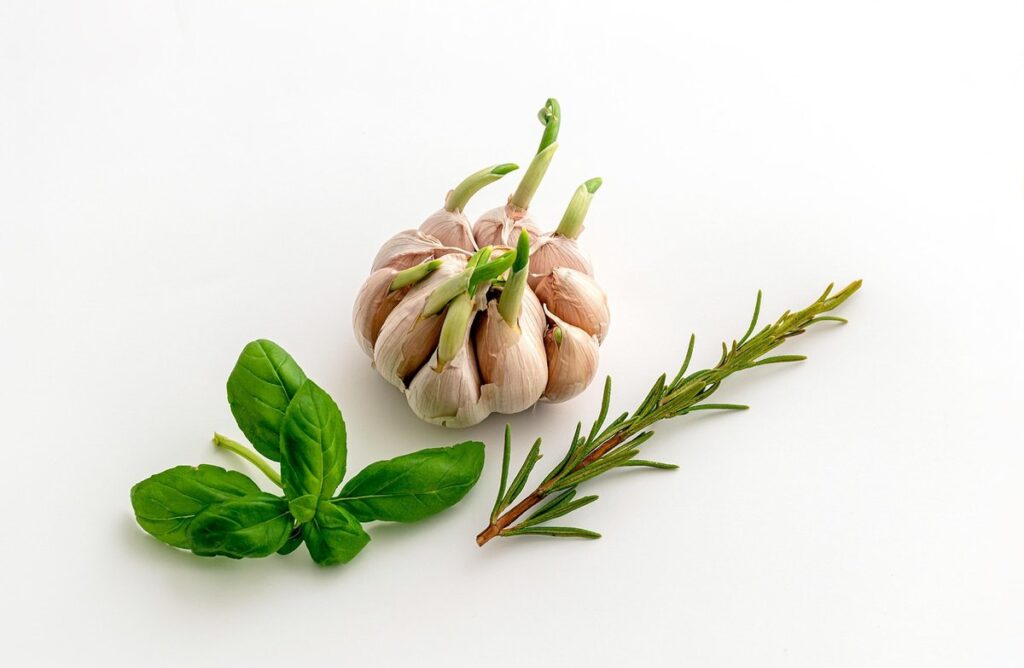
What are Rosemary Sprouts?
Rosemary sprouts are actually immature rosemary plants that have been harvested before they reach full maturity, typically within 1-3 weeks of growth. Let’s take a closer look at what this means for their flavor and nutrition.
Definition and Origin
Rosemary sprouts are one of the most sought-after ingredients in modern cooking and herbalism. But what exactly are they? Simply put, rosemary sprouts are young rosemary plants harvested before they reach maturity. This is typically done when the plant has developed its first set of true leaves, usually within 2-3 weeks after germination.
At this stage, rosemary sprouts can be used as a delicate herb in cooking or grown into a full-fledged plant for their robust flavor and medicinal properties. They are essentially a transitional phase between microgreens and mature rosemary plants. Unlike mature rosemary, which is woody and fibrous, rosemary sprouts retain the tender texture of baby greens while still boasting the pungency and aroma that we associate with the herb.
When using rosemary sprouts in cooking, keep in mind that they have a milder flavor than their more mature counterparts. They pair well with dishes like roasted meats, vegetables, and soups, where you can sprinkle them on top for added fragrance and nutrition.
Culinary Uses
Rosemary sprouts can add a burst of flavor to various dishes, and their uses extend beyond traditional rosemary leaves. They have a more delicate flavor profile, making them perfect for adding depth without overpowering other ingredients.
When using rosemary sprouts in cooking, it’s essential to consider the dish’s intensity level. For example, if you’re making a hearty stew or braise, rosemary sprouts can be added towards the end of cooking time to preserve their flavor and aroma. In contrast, for lighter dishes like salads or pasta sauces, they can be added earlier in the process.
Some popular ways to incorporate rosemary sprouts into your meals include using them as a garnish for roasted meats, adding them to soups or stews, or mixing them into homemade pesto sauce. You can also use rosemary sprouts to make flavorful oils by infusing them with olive oil and letting it sit for a few days.
Some recommended recipes that feature rosemary sprouts include chicken or lamb skewers, roasted vegetables like Brussels sprouts or carrots, and even as an addition to your favorite pizza recipe.
Nutritional Value of Rosemary Sprouts
Rosemary sprouts are not only a delicious addition to your meals, but they’re also packed with essential nutrients and vitamins that can have a significant impact on your overall health. Let’s dive into their nutritional value.
Vitamins and Minerals
Rosemary sprouts are not only a delicious addition to various dishes but also packed with essential vitamins and minerals that provide numerous health benefits. Let’s take a closer look at some of the key nutrients found in rosemary sprouts.
One of the most notable vitamins present in rosemary sprouts is vitamin C, which accounts for about 2% of its dry weight. This potent antioxidant plays a vital role in boosting immunity, fighting off infections, and supporting collagen production. Rosemary sprouts also contain significant amounts of vitamin A, an essential nutrient that promotes healthy vision, supports immune function, and aids in the repair of damaged tissues.
In addition to vitamins C and A, rosemary sprouts are a rich source of iron, containing about 1.5 mg per 100g serving. Iron is crucial for transporting oxygen throughout the body, supporting energy production, and maintaining healthy red blood cells. Other essential minerals found in rosemary sprouts include potassium, magnesium, and calcium.
To reap the benefits of these nutrients, try incorporating fresh or dried rosemary sprouts into your meals, such as soups, salads, and pasta dishes. You can also use them as a garnish or add them to smoothies for an extra nutritional boost. By adding rosemary sprouts to your diet, you’ll be enjoying not only their unique flavor but also the numerous health advantages they provide.
Antioxidant Properties
Rosemary sprouts are rich in antioxidants that play a crucial role in protecting against cell damage, inflammation, and chronic diseases. These antioxidants work by neutralizing free radicals, which are unstable molecules that can cause oxidative stress and lead to cellular damage.
Some of the key antioxidant compounds found in rosemary sprouts include carnosic acid, ursolic acid, and rosmarinic acid. These compounds have been shown to possess anti-inflammatory properties, making them effective against conditions such as arthritis and other inflammatory diseases. Additionally, these antioxidants can help protect against cancer by inhibiting the growth of cancer cells and preventing tumor formation.
Studies have demonstrated that rosemary sprouts can help reduce inflammation in individuals with chronic diseases, such as heart disease and diabetes. For example, one study found that consuming rosemary extract reduced inflammation in patients with high blood pressure by 30%. To incorporate the antioxidant properties of rosemary sprouts into your diet, try adding them to salads or using them as a garnish for soups. You can also use rosemary sprout oil as a finishing oil for dishes, which is rich in antioxidants and can add flavor without added calories.
Growing and Harvesting Rosemary Sprouts
To successfully grow and harvest rosemary sprouts, you’ll want to learn how to create a suitable environment and care for them from seed to table. This involves mastering some simple yet crucial techniques.
Conditions Required for Growth
To coax your rosemary sprouts into healthy growth, you’ll want to provide them with optimal conditions. Rosemary thrives in temperatures between 65°F to 75°F (18°C to 24°C), making it perfect for indoor cultivation during the colder months. If you’re growing outdoors, ensure the area receives full sun, as rosemary requires at least four hours of direct sunlight per day.
Maintaining a moderate humidity level is also crucial. Aim for 40-60% relative humidity, which will prevent water spots from forming on the leaves and reduce the risk of fungal diseases. To achieve this, you can place the pot on a tray filled with pebbles and water or use a humidifier nearby.
Lighting is another critical aspect to consider. While rosemary loves direct sunlight, it can tolerate some shade during intense heatwaves. If you’re growing indoors, position your sprouts near an east- or west-facing window for gentle, indirect light. Monitor the temperature and humidity levels regularly, making adjustments as needed to promote healthy growth and a robust harvest.
Tips for Successful Harvest
When it’s time to harvest your rosemary sprouts, you’ll know. The key is to catch them at the right moment to ensure maximum flavor and fragrance. A good rule of thumb is to harvest individual stems when they reach 4-6 inches tall, or after 10-14 days of growth.
Signs that your rosemary sprouts are ready include a slight bitterness in their taste and a more intense aroma. You can also look for a slightly woody texture on the lower portion of the stem, which indicates that the herb has matured enough to be harvested.
To harvest, simply snip off individual stems at an angle with scissors or pinch them off with your fingers. This will encourage new growth and prevent the plant from flowering. You can use a garden knife for more established plants, but be careful not to damage the delicate roots.
Health Benefits of Rosemary Sprouts
Rosemary sprouts are packed with nutrients that can have a profound impact on your health, and we’re excited to share some of the most impressive benefits you can expect. From brain function to digestive health, these tiny greens deliver big results!
Digestive System Support
Rosemary sprouts have been found to possess potent digestive benefits, making them an excellent addition to your health routine. If you’re one of the millions suffering from Irritable Bowel Syndrome (IBS), you’ll be pleased to know that rosemary sprouts may help alleviate symptoms such as bloating, abdominal pain, and changes in bowel movements.
One way rosemary sprouts support digestive health is by improving gut motility – the movement of food through your digestive system. Research has shown that consuming rosemary extract can enhance gastric emptying and prevent constipation. Moreover, rosemary’s essential oils, particularly carnosic acid, have been found to reduce inflammation in the gut, which can contribute to IBS symptoms.
To harness these benefits, you can add fresh or dried rosemary sprouts to your meals. For instance, sprinkle them on soups, salads, and roasted vegetables for an antioxidant-rich flavor boost. You can also infuse rosemary into oil or vinegar for a digestive-friendly condiment. As with any herb, start with small amounts and observe how your body reacts. By incorporating rosemary sprouts into your diet, you may find yourself enjoying improved digestion and reduced IBS symptoms in no time.
Anti-Inflammatory Effects
Rosemary sprouts are packed with anti-inflammatory compounds that can provide relief from chronic pain and inflammation. The primary active compound responsible for these benefits is carnosic acid, a potent antioxidant that has been shown to reduce inflammation and oxidative stress. Studies have demonstrated that rosemary extract can inhibit the production of pro-inflammatory enzymes, which contribute to conditions such as arthritis and fibromyalgia.
For individuals suffering from inflammatory conditions, incorporating rosemary sprouts into their diet may help alleviate symptoms. For instance, a study on patients with rheumatoid arthritis found that those who consumed rosemary extract experienced significant reductions in pain and inflammation compared to the control group. To harness these benefits, you can simply add rosemary sprouts to your meals or consume them as a supplement.
It’s essential to note that while rosemary sprouts may provide anti-inflammatory effects, they should not be used as a replacement for medical treatment. Consult with a healthcare professional before making any significant changes to your diet or supplement routine. By incorporating rosemary sprouts into your health regimen, you can potentially reduce inflammation and alleviate chronic pain associated with conditions like arthritis and fibromyalgia.
Preparing Rosemary Sprouts for Consumption
To get started, you’ll want to carefully rinse your rosemary sprouts under cold running water to remove any dirt or debris. Then, gently pat them dry with a paper towel.
Cleaning and Preparation
When it comes to cooking with rosemary sprouts, proper cleaning and preparation are crucial for optimal flavor and safety. Begin by rinsing the sprouts under cold running water to remove any dirt or debris that may be clinging to them. Next, gently pat the sprouts dry with a paper towel to prevent bacterial growth.
Before using rosemary sprouts in teas, salads, or other dishes, trim off any damaged or discolored leaves. This will not only enhance their appearance but also prevent any potential bitterness from affecting the flavor of your final product. For cooking, you can either leave the sprouts whole or cut them into smaller pieces depending on your desired texture.
When preparing rosemary sprouts for salads, consider using a gentle wash with white vinegar to remove any pesticide residues that may be present. This is especially important if you’re planning to eat the sprouts raw. For cooked dishes, simply chop the sprouts and sauté them in olive oil until tender and fragrant.
Some common mistakes to avoid when cleaning rosemary sprouts include washing them too vigorously, which can damage the delicate leaves, or failing to dry them properly, leading to moisture retention and spoilage. By following these simple steps, you’ll be well on your way to enjoying the full flavor and nutritional benefits of fresh rosemary sprouts in your favorite recipes.
Preservation Methods
Preserving rosemary sprouts allows you to enjoy their flavor and nutritional benefits year-round. There are several methods for preservation that cater to different needs and preferences.
Drying is a simple method for preserving rosemary sprouts, as it removes moisture content, which inhibits bacterial growth. To dry rosemary sprigs, tie them in small bunches and hang upside down in a warm, dry location with good air circulation. Alternatively, use a food dehydrator at 95°F (35°C) to speed up the process.
Freezing is another efficient method for preserving rosemary sprouts. This involves blanching the sprigs in boiling water for 1-2 minutes before placing them on a baking sheet lined with parchment paper and freezing until solidified. Transfer the frozen sprigs to an airtight container or freezer bag for long-term storage.
Rosemary oil infusions, made by steeping rosemary sprigs in carrier oils like olive or coconut oil, are another popular preservation method. This allows for easy integration of the herb’s flavor into various recipes.
Integrating Rosemary Sprouts into Your Diet
Now that you’ve learned the amazing benefits of rosemary sprouts, let’s dive into how to easily incorporate them into your daily meals and snacks. This includes creative ideas for salads, soups, and more!
Meal Ideas and Recipes
Rosemary sprouts can be incorporated into various meals, from breakfast to dinner. For a morning boost, try adding them to an omelette with goat cheese and cherry tomatoes for a flavorful start. You can also sprinkle rosemary sprouts on whole-grain toast with avocado and a fried egg.
For lunch, consider using rosemary sprouts as a topping for salads, pasta dishes, or sandwiches. Their herbaceous flavor pairs well with grilled meats like chicken or salmon. In soups, such as minestrone or creamy broths, rosemary sprouts add depth and aroma.
At dinner time, roast vegetables like Brussels sprouts or carrots alongside rosemary sprouts, garlic, and olive oil for a simple yet satisfying side dish. Alternatively, use them as an herb in your favorite meat rubs or marinades for steak or lamb.
Rosemary sprouts can also be used in snack recipes, such as homemade crackers or flatbreads with olive tapenade and rosemary. Experiment with different combinations to discover how you prefer to incorporate this versatile ingredient into your meals.
Tips for Using in Cooking
When it comes to incorporating rosemary sprouts into your cooking, the possibilities are endless. Start by considering the robust flavor of rosemary and pair it with ingredients that will complement its piney taste. For a delicious roasted chicken, toss fresh rosemary sprigs with olive oil, salt, and pepper, then rub them all over a whole chicken before roasting in the oven.
When grilling, mix minced rosemary sprouts with olive oil, garlic, and lemon juice for a marinade that will infuse your favorite meats or vegetables with depth. You can also use rosemary sprouts as a finishing touch by sprinkling them on top of roasted or grilled dishes just before serving. For sautéed meals, add minced rosemary sprouts towards the end of cooking time to preserve their delicate flavor.
Rosemary sprouts are also a great addition to soups and stews. Add a few sprigs to your pot during the last 10 minutes of simmering for an added boost of flavor. Some popular pairings include rosemary-infused tomato soup, roasted vegetable stew, or creamy butternut squash bisque. Experiment with different cooking methods and find the perfect way to incorporate rosemary sprouts into your favorite recipes.
Frequently Asked Questions
How do I store rosemary sprouts for extended periods without losing their potency?
To maintain the nutritional value and flavor of your rosemary sprouts, it’s essential to store them properly. You can keep them fresh by placing them in an airtight container filled with water or wrapping them in a damp paper towel. Store them in the refrigerator at a temperature below 40°F (4°C) to slow down their growth. For longer-term storage, consider freezing or dehydrating your rosemary sprouts.
Can I use rosemary sprouts as a substitute for fresh herbs in all recipes?
While rosemary sprouts can be used as a substitute for fresh rosemary, they have a slightly different flavor profile due to their high concentration of volatile oils. For optimal results, experiment with different ratios and combinations of rosemary sprouts and other herbs to find the perfect balance for your specific recipe.
How do I know if my rosemary sprouts are ready for harvest?
To determine whether your rosemary sprouts are ready for harvesting, look for signs such as the development of true leaves, a robust stem, and a fragrant aroma. Typically, this occurs within 1-3 weeks after germination, depending on factors like light exposure, temperature, and watering.
Can I use rosemary sprouts in cooking methods other than steaming or sautéing?
Yes! Rosemary sprouts are incredibly versatile and can be used in a variety of cooking methods. Try adding them to soups, stews, salads, or even using them as a garnish for roasted meats or vegetables.
How do I incorporate rosemary sprouts into my daily diet without getting overwhelmed by their strong flavor?
If you’re new to cooking with rosemary sprouts, start by incorporating small amounts into your meals. Begin with adding them to soups, salads, or stir-fries where the flavors can meld together. Gradually increase the amount as you become accustomed to their unique taste and aroma.