
Lily roots have been used for centuries in various forms of traditional medicine, cooking, and even gardening. These versatile underground structures hold secrets to improving our health, flavoring our dishes, and enhancing our gardens. But beyond their beauty, what are the real benefits of lily roots? How can we incorporate them into our lives, and what makes them so valuable?
In this article, we’ll delve into the amazing world of lily roots, exploring their medicinal properties, culinary uses, and gardening applications. We’ll also provide a step-by-step guide on how to grow your own lily roots at home, so you can start reaping their benefits right away. Whether you’re looking for new ingredients to spice up your cooking or natural remedies to boost your health, this article will cover it all.
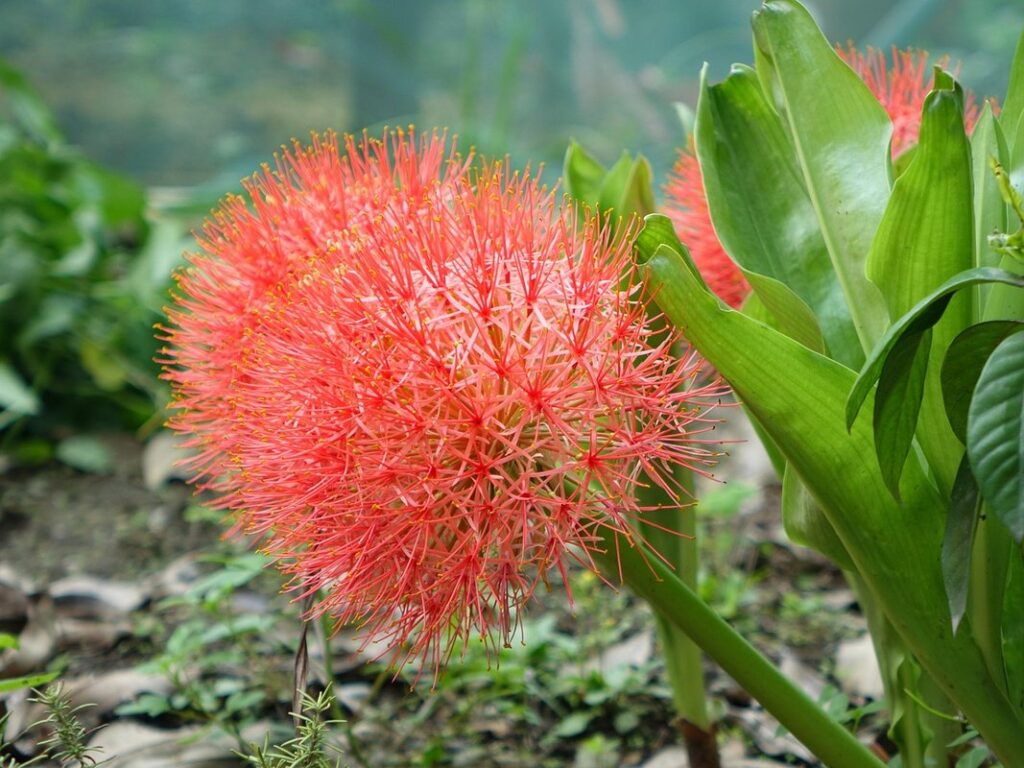
What Are Lily Roots?
So, you’re curious about lily roots and want to know more about their unique characteristics before we dive into their amazing benefits. Let’s start by exploring what exactly lily roots are.
Types of Lily Plants That Produce Edible Roots
When it comes to lily roots that are safe for consumption, there are several varieties worth exploring. Two of the most commonly used types are Asiatic and Tiger lilies. These plants have been cultivated for centuries for their ornamental value, but their edible roots also hold a rich history.
Asiatic lily roots can be harvested in late summer or early fall when the tops begin to turn yellow. They should be dug up carefully, as the bulbs can break easily. The tubers are typically small and white, with a sweet, nutty flavor similar to garlic. In some Asian cultures, they’re used in soups and stews for their medicinal properties.
Tiger lily roots are also edible, although not as widely consumed as Asiatic lilies. They have a stronger, more bitter taste than Asiatic varieties but can still be used in cooking. To prepare them, simply wash the roots clean, slice them thinly, and sauté them with garlic or ginger for added flavor.
When experimenting with lily roots, be sure to only use the tubers from varieties that are known to be safe for consumption. Some species of lilies can cause digestive issues if ingested, so proper identification is crucial before harvesting.
Cultivation and Harvesting Methods
To grow lily roots for optimal flavor and texture, it’s essential to understand their specific cultivation needs. These underground bulbs prefer well-draining soil with a slightly acidic pH between 6.0 and 7.0. Plant the lily bulbs in fall or early spring, making sure they’re at least 3-4 inches deep to prevent them from being exposed to frost.
During growth, avoid overwatering as this can cause the roots to rot. Instead, water them thoroughly when the soil feels dry to the touch. As for harvesting, wait until the lily foliage begins to die back naturally after flowering. Carefully dig around the base of the plant, making sure not to damage any of the surrounding roots.
When handling the bulbs, gently wash off excess dirt and let them air dry for a few days. This will help prevent decay during storage. Store the dried bulbs in a cool, dark place until they’re ready to be replanted or used. Keep in mind that lily roots are best harvested when mature, as this allows for maximum flavor and texture retention.
Nutritional Value and Health Benefits
Let’s take a closer look at what makes lily roots so nutritious, from their rich fiber content to their impressive antioxidant properties.
Rich in Vitamins and Minerals
Lily roots are an excellent source of essential vitamins and minerals that contribute to their impressive nutritional profile. One of the key highlights is their high content of vitamin C, which plays a vital role in immune function and collagen production. In fact, 100 grams of cooked lily root contains around 20 milligrams of vitamin C – more than double the recommended daily intake.
In addition to vitamin C, lily roots are also rich in potassium, an essential mineral that helps regulate blood pressure and supports healthy muscle and nerve function. With a significant amount of iron content, lily roots can help alleviate symptoms of iron deficiency anemia. A 100-gram serving provides approximately 1 milligram of iron, making them an excellent addition to a well-rounded diet.
To incorporate more vitamin-rich foods like lily roots into your daily meals, consider adding them to stir-fries or soups for added nutrition and flavor. You can also dry and store lily root powder as a convenient supplement to sprinkle over salads or use in smoothies.
Potential Health Benefits
Consuming lily roots has been associated with several potential health benefits, particularly when it comes to reducing inflammation and improving digestion. The rhizome of the lily plant contains compounds that have anti-inflammatory properties, which may help alleviate symptoms of conditions like arthritis and gout. Inflammation is a major risk factor for chronic diseases such as heart disease and diabetes, so incorporating lily root into your diet could be beneficial in reducing this risk.
Lily roots are also rich in dietary fiber, making them an excellent addition to a digestive health regimen. The fiber content helps regulate bowel movements, preventing constipation and other digestive issues. Furthermore, the fiber present in lily roots can help lower cholesterol levels by binding to bile acids and removing them from the body.
To reap these benefits, it’s essential to consume lily roots in moderation and as part of a balanced diet. You can incorporate them into your meals by boiling or steaming the root, then seasoning with herbs and spices to enhance flavor.
Culinary Uses for Lily Roots
One of the most exciting aspects of using lily roots is their potential as a new ingredient in your kitchen, adding unique flavor and texture to various dishes. Explore how to incorporate them into soups, stews, and more.
Preparing Lily Root Dishes
When it comes to preparing lily root dishes, the possibilities are endless. One of the simplest ways to incorporate lily roots into your meals is by roasting them as a side dish. To do this, peel and chop the lily roots into 1-inch pieces, toss with olive oil, salt, and pepper, and roast in the oven at 425°F (220°C) for about 20-25 minutes, or until tender and caramelized.
You can also add sliced or chopped lily roots to soups and stews towards the end of cooking time, allowing them to absorb all the flavors. For example, try adding diced lily roots to a hearty beef stew or a creamy tomato soup for added depth and nutrition.
In salads, lily root makes a great addition to green salads, pasta salads, or grain bowls. Simply peel and grate the lily root using a box grater or a food processor with the shredding attachment, then toss with your favorite salad ingredients and dressing. To give you some inspiration, try pairing grated lily root with mixed greens, cherry tomatoes, cucumber slices, and a homemade vinaigrette for a refreshing summer salad. Experiment with different seasonings and spices to find the perfect flavor combination that suits your taste buds.
Traditional Recipes from Around the World
In many cultures around the world, lily roots are revered for their unique flavor and nutritional profile. Let’s embark on a culinary journey to explore traditional recipes that showcase the versatility of this remarkable ingredient.
From China to India, Africa, and Europe, lily roots have been a staple in various cuisines for centuries. In Chinese cuisine, lily bulbs (also known as ‘lily flower buds’) are used in stir-fries, soups, and braises. For instance, the traditional Sichuan dish ‘boiled fish with lily bulb’ is a classic example of this culinary tradition.
In India, lily roots are commonly used to make sweet dishes like halwa or pudding. The Bengali community, for example, makes a delicious dessert called ‘lily root pudding’ by boiling the roots in milk and sugar. Similarly, in Africa, lily roots are boiled and mashed with spices to create a tasty side dish.
To incorporate lily roots into your traditional cooking, try using them in soups or stews as a substitute for potatoes or carrots. You can also sauté sliced lily roots with garlic and ginger for a flavorful side dish. When experimenting with lily roots, remember that they have a sweet, earthy flavor so adjust seasonings accordingly.
Medicinal Uses for Lily Roots
Lily roots have been used for centuries in traditional medicine, and we’re excited to share some of their amazing medicinal uses with you now. From soothing skin irritations to reducing inflammation, these incredible benefits are just a few examples of what lily roots can do.
Traditional Medicine and Remedies
For centuries, lily roots have been used in traditional medicine to treat a variety of ailments. In ancient China, for instance, they were valued for their ability to treat fever and rheumatism. The plant’s rhizomes were also used to make tea that was believed to reduce inflammation and improve digestion.
In Ayurvedic medicine, lily roots are used to balance the body’s “kapha” energy, which is associated with water retention and weight gain. To use lily root in this way, simply dry the fresh rhizomes and grind them into a powder. Mix 1 teaspoon of this powder with warm water or ghee to create a soothing tea.
In traditional European medicine, lily roots were used to treat menstrual cramps and other female reproductive issues. They were also believed to have antiseptic properties, making them useful for treating wounds and skin irritations.
When using lily root in traditional medicine, it’s essential to choose fresh, organic rhizomes that have not been sprayed with pesticides or contaminated with heavy metals. Always consult with a qualified healthcare professional before incorporating new remedies into your treatment plan.
Modern Research and Findings
In recent years, researchers have made significant strides in uncovering the medicinal properties of lily roots. Studies have demonstrated their potential anti-inflammatory and antioxidant effects, making them a promising area of focus for modern medicine. For instance, a 2020 study published in the Journal of Ethnopharmacology found that the extract from lily roots exhibited potent inhibitory activity against certain enzymes involved in inflammation.
Other research has explored the antidiabetic properties of lily roots. A 2018 study conducted by scientists at the University of Toronto discovered that an active compound present in lily roots was able to significantly reduce blood glucose levels in mice with diabetes. This finding has sparked interest in potential applications for treating type 2 diabetes.
As research continues to uncover the vast therapeutic potential of lily roots, it’s essential to note that more studies are needed to fully understand their effects on human health. However, early findings suggest a promising role for these plants in combating chronic diseases such as inflammation and diabetes.
Growing Your Own Lily Roots
You can easily cultivate lily roots at home by selecting a healthy stem, allowing it to dry, and then planting it in a warm location with plenty of light. With proper care, you’ll be harvesting your own fresh lily roots soon!
Tips for Planting and Caring for Lily Bulbs
When planting lily bulbs, it’s essential to choose a location with well-draining soil and full sun to partial shade. Dig individual holes for each bulb, about 2-3 times the size of the bulb itself, and plant them 2-4 inches deep, depending on the type of lily. Space them 6-12 inches apart to allow for proper growth.
After planting, water thoroughly and keep the soil consistently moist during the growing season. However, avoid overwatering, which can lead to rot and other problems. Fertilize lightly in the spring when new growth emerges, using a balanced fertilizer.
To promote optimal root growth and development, deadhead spent flowers regularly to direct the bulb’s energy towards storage for next year’s bloom. Allow foliage to die back naturally, but avoid cutting it down prematurely, as this can weaken the bulb.
Monitor your lily bulbs for pests like aphids and slugs, which can damage the leaves and roots. Keep an eye out for signs of disease, such as yellowing or blackening of the foliage. Regularly inspect your plants to catch any issues early on and take action promptly to prevent further damage.
Propagation Methods for Lily Roots
Propagating lily roots through division or seed is an exciting way to multiply your favorite plants and share them with friends. By doing so, you’ll not only have more beautiful blooms but also reduce the need for purchasing new bulbs every year.
To divide lily roots, wait until the foliage has died back after blooming. Dig up the entire bulb cluster carefully, making sure not to damage any of the roots or bulbs. Gently separate the offsets from the mother plant using a sterile knife or tool. Replant each section immediately, taking care to keep the “eyes” (small buds on the sides) above the soil level.
Alternatively, you can propagate lily seeds indoors 6-8 weeks before the last frost date in your area. Sow them about ¼ inch deep and 1-2 inches apart in a seed starting mix. Keep the soil consistently moist but not waterlogged, as this can lead to rot and poor germination rates.
By following these simple steps, you’ll have new lily plants growing from both division and seeds, providing you with an abundance of flowers for years to come.
Safety Precautions and Allergies
When working with lily roots, it’s essential to be aware of potential safety precautions and allergies that may arise from handling or consuming them improperly. Be sure to read on for important information.
Potential Allergens and Toxicity Concerns
When it comes to enjoying the benefits of lily roots, there are some potential allergens and toxicity concerns that you should be aware of. While lily roots have been used for centuries in traditional medicine, they can cause adverse reactions in some individuals.
One of the main concerns is that lily plants contain a group of compounds called lycorine and galantamine, which are known to be toxic if ingested in large quantities. These compounds can cause symptoms such as nausea, vomiting, diarrhea, and abdominal pain in sensitive individuals. In severe cases, they can also lead to more serious health issues like cardiac problems and respiratory failure.
To minimize the risk of adverse reactions, it’s essential to properly identify the type of lily plant you’re working with. Some species, like the daylily (Hemerocallis spp.) are considered safe for consumption, while others, such as the tiger lily (Lilium lancifolium) and the Easter lily (Lilium longiflorum), contain higher concentrations of toxic compounds.
If you’re still interested in trying lily roots, make sure to start with small amounts and monitor your body’s response. Also, consult with a healthcare professional or a qualified herbalist before using them as a treatment for any health condition.
Safe Handling and Preparation Practices
When working with lily roots, it’s essential to follow safe handling and preparation practices to minimize risks. One of the most crucial steps is to wear protective gear, including gloves and safety glasses, to prevent skin irritation and potential eye damage from sap or root fragments.
To prepare lily roots for use, make sure to clean them thoroughly with warm water to remove any dirt or debris. Use a soft brush to gently scrub away any stubborn particles, but avoid using harsh chemicals or abrasive tools that can damage the roots. It’s also vital to dry the cleaned roots completely before storage or use.
When handling lily roots, be cautious of potential allergens and skin irritants. Some individuals may experience sensitivity or allergic reactions to lily root sap or extracts. If you’re new to working with lily roots, start with small amounts and monitor your body’s response.
Frequently Asked Questions
Can I grow lily roots indoors if I don’t have a garden?
Yes, you can grow lily roots in pots indoors with proper care and conditions. Make sure the pot has good drainage and provide sufficient light, water, and nutrients for healthy growth. This will also help you control pests and diseases that may be prevalent outdoors.
How do I store harvested lily roots to preserve their nutritional value?
To store harvested lily roots, place them in a cool, dark location with high humidity. You can wrap them in paper or cloth to keep moisture in. This will help maintain their nutritional content for several weeks. For longer storage, consider drying or freezing the roots.
Are there any specific health conditions where lily root consumption is contraindicated?
Yes, people with diabetes should consume lily roots in moderation due to their high sugar content. Additionally, individuals with kidney stones or certain allergies should consult a healthcare professional before consuming lily roots regularly. Always prioritize medical advice when introducing new foods into your diet.
Can I use lily root powder as a substitute for dried herbs?
Lily root powder can be used as a substitute in some recipes, but it’s essential to note that the flavor profile and nutritional content may differ from dried herbs. Use lily root powder sparingly and adjust seasoning accordingly. Also, consider the specific type of lily plant when choosing between powder or dried form.
How do I ensure safe handling and preparation practices when working with lily roots?
Always handle lily roots with clean hands and utensils to prevent contamination. Wash the roots thoroughly before consumption. Avoid cross-contamination with other foods and surfaces, especially when preparing for meals. Follow proper food safety guidelines when storing and cooking lily roots.