
Are you tired of letting that bunch of fresh rosemary go to waste in your fridge? With its piney flavor and aroma, rosemary is one of the most versatile herbs out there, but it can be intimidating to use if you’re not sure where to start. Unlocking the full potential of this herb requires a few simple techniques: harvesting at the right time, storing it properly, and knowing how to incorporate it into your cooking and baking.
In this comprehensive guide, we’ll cover everything from how to harvest fresh rosemary in the garden to creative ways to use it in soups, stews, roasted meats, and even baked goods. Whether you’re a seasoned cook or just starting out, our expert tips will show you how to bring out the best flavor of this fragrant herb and make it a staple in your kitchen.
Introduction to Using Fresh Rosemary
Let’s dive into the world of fresh rosemary, where we’ll explore its versatility and share simple ways to incorporate it into your cooking, from classic dishes to innovative ideas.
Benefits of Using Fresh Rosemary
When you opt for fresh rosemary over dried or frozen, you’re unlocking a wealth of benefits that elevate not only the taste but also the nutritional value of your dishes. The aroma alone is a significant advantage – its pungent fragrance infuses food with an unmistakable essence that’s hard to replicate with dried herbs.
Flavor-wise, fresh rosemary boasts a more vibrant and complex character compared to its dried counterpart. This makes it perfect for using in marinades, sauces, or as a finishing touch for meats and vegetables. Its robust flavor pairs beautifully with olive oil, garlic, and lemon juice, making it an ideal addition to Mediterranean-style dishes.
Nutritionally, fresh rosemary is also more potent than dried varieties. It contains high levels of antioxidants like carnosic acid and rosmarinic acid, which have been shown to possess anti-inflammatory properties. Incorporating fresh rosemary into your meals not only enhances flavor but also contributes to a healthier diet. Simply chop the leaves finely before adding them to soups, salads, or roasted vegetables for an added boost of flavor and nutrition.
Choosing the Right Type of Rosemary
When it comes to choosing the right type of rosemary, you’ll want to consider the specific use and desired flavor profile. There are several types of rosemary available, including pine needle rosemary, needle-like rosemary, and compact or dwarf varieties.
For culinary purposes, needle-like rosemary is often preferred due to its more delicate flavor and aroma. This variety is ideal for using fresh in dishes like roasted meats, vegetables, and soups. Pine needle rosemary, on the other hand, has a stronger, more piney flavor and is better suited for uses where a bolder rosemary taste is desired.
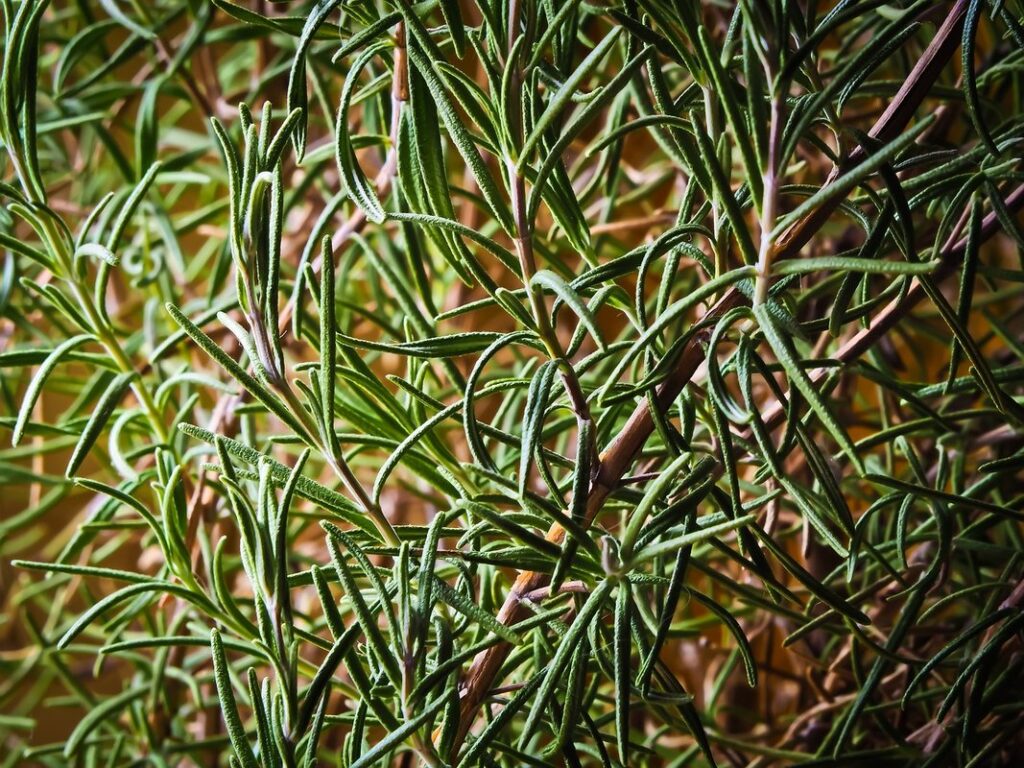
When selecting rosemary, look for bunches with bright green needles and avoid those with wilted or brown leaves. Freshness also matters – choose stems that are fragrant when bruised. Consider the cooking method as well: needle-like rosemary holds its flavor and aroma better when cooked at high temperatures, while compact varieties retain their potency even when sautéed or added to dishes at the end of cooking time.
In terms of storage, keep fresh rosemary in a cool, dry place away from direct sunlight. This will help preserve its fragrance and extend its shelf life.
Harvesting and Storing Fresh Rosemary
Now that you’ve learned how to trim and maintain your rosemary plant, let’s talk about harvesting its fragrant leaves at their peak freshness. Proper storage techniques will keep them fresh for months to come.
Growing Your Own Rosemary
Growing your own rosemary is a wonderful way to have fresh, fragrant sprigs at your fingertips all year round. Not only will you save money on store-bought rosemary, but you’ll also enjoy the satisfaction of watching this beautiful herb thrive in your garden or indoor pots.
When it comes to growing rosemary, soil requirements are crucial. Rosemary loves well-draining soil with a pH between 6.0 and 7.0. To create an ideal environment, mix in some compost or organic matter to improve drainage and fertility. Avoid using regular potting soil, as it can be too dense for rosemary’s roots.
In terms of climate conditions, rosemary is a Mediterranean herb that thrives in warm, dry environments. Choose a spot with full sun (at least 6 hours of direct sunlight) and temperatures between 60°F to 80°F (15°C to 27°C). Water sparingly, as rosemary is prone to root rot if the soil is too moist.
If you’re short on outdoor space, don’t worry! Rosemary can be grown in pots indoors with proper care. Just make sure to prune it regularly to maintain a bushy shape and encourage new growth.
Harvesting Fresh Rosemary Tips
When it comes to harvesting fresh rosemary sprigs, timing is everything. To get the best flavor and aroma from your rosemary plant, you should aim to harvest during the cooler parts of the day. Early morning or late afternoon are ideal times to pick fresh rosemary, as the heat of the sun can cause the oils in the leaves to evaporate.
The best time of year to harvest fresh rosemary depends on your location and climate. In general, spring and fall are the best seasons for harvesting, as the weather is cooler and more stable. Avoid harvesting during the hottest summer months, when the plant may be stressed from heat and dryness.
To harvest, simply pinch or cut off the top sets of leaves with a pair of clean scissors or pruning shears. Make sure to leave at least one-third of the plant intact to encourage continued growth and prevent it from flowering prematurely. This will also help you enjoy fresh rosemary throughout the growing season. By following these simple guidelines, you’ll be able to harvest fragrant, flavorful sprigs that are perfect for adding to your favorite recipes.
Storing Fresh Rosemary
When it comes to storing fresh rosemary, proper care can make all the difference in maintaining its fragrance and flavor. To keep your fresh rosemary sprigs fresh for a longer period, store them in an airtight container, such as a glass jar or plastic bag, away from direct sunlight. You can also wrap the stems in a damp paper towel to keep the leaves moist.
It’s essential to avoid storing rosemary near heat sources or in humid environments, as this can cause it to wilt and lose its flavor. Place the container in the refrigerator to slow down the aging process. If you plan to use your fresh rosemary within a week or two, you can also store it on the counter at room temperature.
To freeze fresh rosemary for future use, tie the stems together with kitchen twine, and then place them in an airtight container or freezer bag. This way, you’ll have fresh rosemary available year-round to add flavor to your favorite dishes.
Using Fresh Rosemary in Cooking
Now that you have a fresh bunch of rosemary on hand, let’s dive into some creative ways to use it in your favorite dishes. From classic roasted meats to innovative salads, we’ve got you covered.
Basic Preparation Methods
Prepping fresh rosemary is an art that’s easy to master. Start by removing any woody stems and trim the leaves to the desired size. For most recipes, a rough chop is all you need – just cut the sprigs into 1-2 inch pieces. This will allow the flavors to release evenly as you cook.
If you’re working with a particularly large bunch of rosemary or want to make a concentrated paste, mince it finely using a knife or herb chopper. This is perfect for adding depth to sauces and marinades.
To get even more out of your fresh rosemary, consider bruising the leaves before chopping or mincing. Simply place them on a cutting board and use the flat side of your knife to gently crush the needles. This releases their essential oils and intensifies their flavor.
No matter how you choose to prep it, be sure to handle fresh rosemary carefully – its piney aroma can quickly overpower other ingredients if added too early in the cooking process. As a general rule, add it towards the end of cooking when you want that fresh herbaceous flavor to shine through.
Incorporating Rosemary into Main Courses
Fresh rosemary is a versatile herb that can elevate many main courses. When it comes to roasted meats and vegetables, rosemary is an excellent choice to add depth and aroma. A classic combination is lamb chops with a sprinkle of chopped fresh rosemary on top before roasting. The herb’s piney flavor complements the richness of the lamb perfectly.
Roasted chicken is another popular dish that pairs well with rosemary. Tuck sprigs of rosemary under the chicken’s skin before roasting for added moisture and flavor. You can also rub the chicken with a mixture of olive oil, minced garlic, and chopped rosemary before cooking.
For vegetables, try pairing rosemary with carrots or Brussels sprouts. Simply toss the veggies with olive oil, salt, pepper, and chopped rosemary, then roast in the oven until tender. The herb’s earthy flavor enhances the natural sweetness of the vegetables without overpowering them.
To incorporate rosemary into your main courses, remember to use it in moderation. A little goes a long way when it comes to this potent herb. Start with small amounts and adjust to taste to avoid overpowering your dish.
Adding Fresh Rosemary to Soups and Stews
Adding fresh rosemary to soups and stews is an excellent way to infuse depth and flavor into these comforting dishes. The piney aroma of rosemary pairs well with a variety of ingredients commonly found in soups and stews, such as vegetables, meats, and beans.
When using fresh rosemary in soups and stews, it’s essential to chop or bruise the leaves slightly before adding them to the pot. This releases the oils within the herb, allowing its flavor to meld with the other ingredients more easily. You can also tie a sprig of rosemary to a wooden spoon or add it to a tea infuser for easy removal when serving.
Some specific combinations to try include:
* Rosemary and lemon in chicken noodle soup for a bright and citrusy twist
* Fresh rosemary and thyme in beef stew for a hearty, savory flavor
* Chopped rosemary added to vegetable broth for a robust and herbaceous taste
Remember that fresh rosemary can be quite potent, so start with small amounts and adjust to taste. With practice, you’ll find the perfect balance of flavors to suit your soup or stew recipes.
Tips for Pairing Fresh Rosemary with Other Ingredients
Now that you’ve mastered the basics of working with fresh rosemary, let’s explore how to pair it with other ingredients to create some truly unforgettable dishes.
Complementary Herbs and Spices
When it comes to pairing fresh rosemary with other ingredients, there are several complementary herbs and spices that can elevate its flavor and aroma. One of the most classic combinations is garlic and rosemary. Simply chop a few cloves of garlic and mix them into olive oil, then brush the mixture onto roasted meats or vegetables for added depth.
Another popular pairing is lemon and rosemary. Squeeze some fresh lemon juice over your roasted chicken or fish, sprinkle with chopped rosemary, and drizzle with olive oil for a bright and citrusy flavor. You can also add a pinch of salt and pepper to bring out the flavors.
Some other herbs that pair well with rosemary include thyme, oregano, and sage. Try mixing them together with some olive oil and lemon juice for a flavorful marinade or dressing. For example, you could combine chopped rosemary, thyme, garlic, and lemon zest with olive oil to make a delicious vinaigrette for salads.
Remember, the key is to balance strong flavors like rosemary with acidity and brightness from ingredients like lemon or vinegar. Experiment with different combinations to find your favorite pairings!
Rosemary and Cheese Pairings
When it comes to pairing rosemary with other ingredients, few combinations are as classic and delightful as rosemary and cheese. This timeless duo is a staple in many Mediterranean and Italian dishes, where the piney flavor of rosemary perfectly complements the richness of various cheeses.
One of the most popular ways to enjoy this combination is by sprinkling fresh rosemary over roasted lamb or other meats during the cooking process. The aroma that fills your kitchen as the rosemary infuses into the meat is sure to tantalize your taste buds and leave you eager to take a bite. But it’s not just about savory dishes – rosemary and cheese also make for an excellent pairing when it comes to appetizers or snack plates.
For example, try combining a block of creamy brie with a sprig of fresh rosemary for a simple yet elegant finger food. Alternatively, you could use rosemary as a seasoning in your favorite cheese sauce recipe, adding a boost of flavor that’s sure to elevate your pasta dishes or mac and cheese game. The key is to balance the flavors so neither the rosemary nor the cheese overpowers the other – experiment with different types of cheese and amounts of rosemary to find your perfect pairing!
Fresh Rosemary in Baking and Desserts
When it comes to incorporating fresh rosemary into sweet treats, consider using it in baking recipes like shortbread cookies or as a garnish for creamy desserts like panna cotta.
Using Rosemary in Sweet Treats
Using fresh rosemary in sweet treats might seem unconventional at first, but trust us, it’s a game-changer. The herb’s piney flavor and aroma pair surprisingly well with sweet ingredients, adding depth and complexity to baked goods and desserts.
When using fresh rosemary in sweet baked goods, start by infusing the herb into your sugar or flour. Simply chop the rosemary leaves finely and mix them with granulated sugar or all-purpose flour. Let it sit for a few hours to allow the flavors to meld together. Use this infused sugar or flour in place of regular sugar or flour in your favorite recipes.
Rosemary also makes an excellent addition to cakes, particularly fruit-based ones like lemon or raspberry. Try adding a few sprigs of fresh rosemary leaves to the batter along with the wet ingredients for added brightness and flavor. You can also use rosemary to make a fragrant syrup by simmering it in water and sugar. This can be drizzled over ice cream, cakes, or even cocktails for a unique twist.
Remember, when working with fresh herbs like rosemary, a little goes a long way. Start with small amounts and taste as you go, adjusting the seasoning to your liking. With practice, you’ll find the perfect balance of sweet and savory in your baked goods and desserts.
Incorporating Rosemary into Savory Bread Recipes
When working with fresh rosemary in bread recipes, you’ll want to add it at various stages of the dough’s development. Start by gently chopping 2-3 sprigs of fresh rosemary and adding them to the dry ingredients before mixing the dough. This allows the herb to infuse its oils into the flour, creating a subtle yet aromatic flavor.
Alternatively, you can also mix chopped rosemary into the dough during the bulk fermentation phase. This method will distribute the rosemary evenly throughout the loaf, producing a more pronounced herbal note. To enhance the visual appeal of your bread, try sprinkling a few sprigs of fresh rosemary on top of the loaf before baking.
For an added depth of flavor, consider adding a tablespoon or two of olive oil to the dough along with the chopped rosemary. This will help to bring out the herb’s piney undertones and create a more complex flavor profile. Experiment with different ratios of rosemary to flour to find your perfect balance – it’s all about achieving harmony between the herb and the bread.
Common Mistakes When Using Fresh Rosemary
When working with fresh rosemary, it’s easy to make mistakes that can affect the flavor and aroma of your dishes. In this next part, we’ll cover common pitfalls to avoid.
Overusing or Underusing Rosemary
Using fresh rosemary can be a game-changer in the kitchen, but it’s easy to get carried away with its piney flavor. The key is finding that perfect balance between overusing and underusing this versatile herb.
When you use too much rosemary, it can overpower every other ingredient in your dish, dominating the taste buds and leaving you wondering what happened to the rest of the flavors. Think of a bouquet garni gone wrong – instead of adding depth and complexity, the rosemary becomes the main event. To avoid this, start by using small amounts and adjust to taste.
On the flip side, underusing rosemary can result in a dish that’s missing something vital. Rosemary is a strong flavor that deserves attention, but it also needs space to breathe. Use it as an accent rather than the main attraction, and balance its piney notes with other ingredients like garlic, lemon juice, or olive oil.
A good rule of thumb is to use about 1/4 teaspoon of fresh rosemary per serving for most recipes. This will allow you to taste and adjust without overpowering the dish. Remember that you can always add more rosemary, but it’s harder to remove excess once it’s been added.
Combining Rosemary with Incompatible Ingredients
Combining rosemary with certain ingredients can be a recipe for disaster. One of the most common mistakes is pairing it with fish. The piney flavor of rosemary overpowers delicate fish, creating an unbalanced taste experience. If you’re looking to avoid this combination, consider substituting thyme or parsley instead. These herbs complement fish beautifully without overpowering its natural flavors.
Another no-go is mixing rosemary with sweet ingredients like honey or sugar. Rosemary’s bitter notes clash with these sugary flavors, leaving a soapy aftertaste on the palate. If you’re looking to create a savory-sweet dish, opt for herbs like basil or oregano instead. They provide a more harmonious balance of flavors.
When in doubt, remember that rosemary is a strong flavor that should be used sparingly. It’s better to start with a small amount and adjust to taste rather than overpowering your dish with too much herb. This approach will help you avoid common mistakes and create delicious, balanced dishes that showcase the beauty of fresh rosemary.
Conclusion: Unlocking the Full Potential of Fresh Rosemary
As we’ve explored various ways to incorporate fresh rosemary into your cooking, it’s time to unlock its full potential and discover even more uses for this incredible herb. Let’s summarize our favorite tips and tricks.
Recap of Key Takeaways
As you’ve made it through this comprehensive guide on using fresh rosemary, let’s recap the key takeaways to ensure you’re well-equipped for culinary success. Fresh rosemary is a game-changer in the kitchen, and its versatility knows no bounds. We’ve covered various methods for storing and preserving fresh rosemary, from tying sprigs with kitchen twine to freezing it in ice cube trays.
You now know how to identify high-quality fresh rosemary, including its optimal color, aroma, and texture. This knowledge will help you select the best rosemary for your recipes, ensuring their success. We’ve also explored the art of using fresh rosemary in a variety of dishes, from soups and salads to roasted meats and vegetables.
When it comes to cooking with fresh rosemary, remember that a little goes a long way. Start with small amounts and adjust to taste, as overpowered dishes can be just as detrimental as underseasoned ones. By incorporating these tips and techniques into your kitchen repertoire, you’ll unlock the full potential of fresh rosemary and elevate your culinary creations to new heights.
Inspiration for Future Experimentation
Now that you’ve mastered the art of using fresh rosemary in various dishes, it’s time to think outside the box and explore new recipes and uses for this incredible herb. The possibilities are endless, and we encourage you to get creative and experiment with different combinations.
Start by trying a Mediterranean-style roasted chicken recipe, where you can rub the chicken with olive oil, minced garlic, salt, and of course, fresh rosemary leaves. Alternatively, infuse your homemade vinaigrette with chopped rosemary for an added depth of flavor in salads or as a marinade.
Consider using rosemary as a pairing herb for meats like lamb, beef, or pork. Its piney flavor complements rich flavors perfectly. You can also use it to make a fragrant and flavorful tea by steeping the leaves in hot water. For a unique twist on traditional pesto, try substituting basil with fresh rosemary and blending it with parmesan cheese and olive oil.
Remember, the key to experimenting successfully is to trust your taste buds and have fun with it!
Frequently Asked Questions
Can I use fresh rosemary if it’s past its expiration date?
No, while rosemary has a longer shelf life than many other herbs, it’s still essential to check for any visible signs of spoilage before using it. If the herb is wilted, slimy, or has mold, discard it immediately and replace it with fresh rosemary.
How do I handle the overpowering flavor of fresh rosemary in some recipes?
Yes, you can tone down the intensity of fresh rosemary by combining it with other herbs or spices that complement its piney flavor. For example, pairing rosemary with lemon, garlic, or thyme can create a more balanced taste experience.
What’s the ideal time to add fresh rosemary to roasted meats and vegetables?
You should typically add fresh rosemary towards the end of the roasting process (about 10-15 minutes before completion) to allow its fragrance and flavor to penetrate without becoming overcooked or bitter. This timing can vary depending on your specific recipe and personal preference.
Can I substitute dried rosemary for fresh rosemary in all recipes?
No, due to differences in their flavor profiles, it’s best to use the right type of rosemary for each recipe. For dishes where you want a more subtle or complex flavor, choose the freshest rosemary available; for long-term storage or rehydrating purposes, dried rosemary is often a better option.
How do I store fresh rosemary after harvesting from my garden?
You should store freshly cut rosemary in an airtight container (like a glass jar) and keep it refrigerated at a consistent temperature below 40°F (4°C). This will help preserve its flavor, aroma, and texture for several days or even weeks.