
Are you looking to take your cooking to the next level with fresher, more flavorful ingredients? Planting onions in fall is an excellent way to achieve just that. Not only do fall-planted onions have a sweeter, more complex flavor profile compared to their spring counterparts, but they’re also easier to grow and require less maintenance. If you’re new to growing your own onions or want to optimize your existing harvest, this guide has got you covered.
In the following article, we’ll delve into the benefits of planting onions in fall, explore popular varieties suited for this season, provide expert tips on soil preparation and fertilization, and share harvesting techniques to ensure your crop reaches its full potential. By the end of this comprehensive guide, you’ll be well-equipped to grow succulent, sweet onions that will elevate your cooking game.
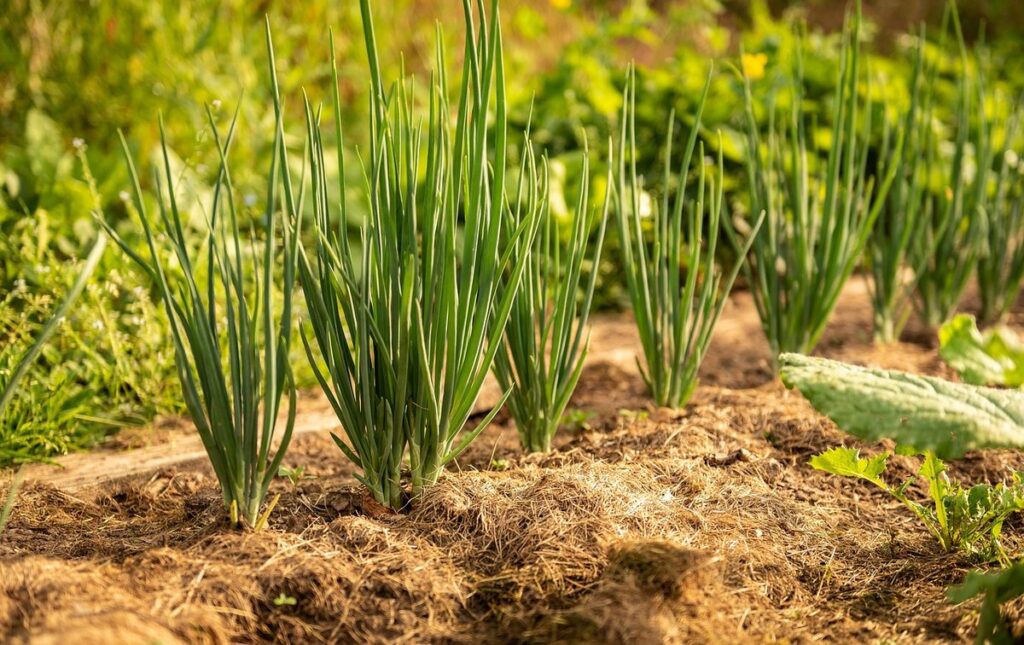
Benefits of Planting Onions in Fall
Planting onions in fall offers several advantages over spring planting, including improved flavor and reduced pest issues. Let’s explore these benefits together.
Why Fall Is an Ideal Time to Plant Onions
Fall’s cooler temperatures and increased moisture create an ideal environment for onion growth. As the weather cools down, the risk of pests and diseases that thrive in warmer temperatures decreases, allowing your onions to focus on healthy development.
The optimal temperature range for onion growth is between 40°F and 70°F (4°C and 21°C), which is often experienced during fall. At this time, onions can absorb moisture more efficiently from the soil, resulting in sweeter and healthier bulbs. In contrast, warmer temperatures can cause onions to bolt or go to seed, reducing their flavor and quality.
To make the most of fall’s conditions, plant onion sets (small bulbs) 4-6 weeks before the first frost date in your area. This will give them enough time to establish a strong root system and grow into mature bulbs before winter. By planting at the right time, you can enjoy a bountiful harvest of delicious onions come spring.
Advantages Over Spring Planting
When you plant onions in fall, you’ll experience several advantages over spring planting. For one, the cooler temperatures and reduced pest activity make it easier to maintain healthy plants. Pests like aphids and spider mites are less prevalent during this season, allowing your onions to grow without interruption.
Another benefit of fall planting is improved flavor. Onions grown in the fall tend to have a sweeter, more complex taste due to the slower growth rate. This results in a better-tasting crop that’s perfect for cooking and preserving.
Finally, planting onions in fall allows you to extend your harvest season. Since the plants mature more slowly, you’ll be able to enjoy fresh onions from your garden well into winter. Some varieties even stay edible after being harvested, making them a great addition to soups, stews, and other cold-weather dishes.
How Fall Planting Affects Onion Flavor
When you plant onions in fall, you’re giving them a prolonged growth period that allows them to develop a sweeter, more complex flavor profile. This is due to the fact that onions need about 100 to 150 days of cool weather to mature properly. By planting in fall, you’re providing your onions with this extended growing season, which enables them to focus their energy on developing a robust and nuanced flavor.
This prolonged growth period triggers several processes within the onion plant that contribute to its enhanced flavor. For instance, the plant produces more sugars as it matures, resulting in a sweeter taste. Additionally, the cooler temperatures allow for a slower ripening process, which helps to break down some of the harsher compounds found in onions, making them milder and more palatable.
As a result, fall-planted onions tend to have a depth of flavor that’s hard to match with spring-planted varieties. To take full advantage of this benefit, make sure to choose onion varieties that are specifically bred for their sweet flavor profile, such as ‘Vidalia’ or ‘Texas Grano’.
Choosing the Right Onion Variety for Fall Planting
When planting onions in fall, selecting the right variety is crucial. In this section, we’ll explore the top onion varieties that thrive during cooler months and are perfect for your garden.
Understanding Onion Classification
When it comes to planting onions in fall, understanding the different classification of onions is crucial for success. Onions are typically categorized into three main types: sets, seedlings, and transplants.
Onion sets are small bulbs that have been grown specifically for replanting. They are usually planted in the spring or early summer and mature in about 90 to 120 days. Sets are a great option for fall planting as they can be planted in late summer to early fall when the weather cools down. They tend to produce smaller, more uniform bulbs and are less prone to pests and diseases.
Seedlings, on the other hand, are onions that have been started indoors from seed and then transplanted outdoors. This method allows for a longer growing season and can result in larger bulbs. However, it requires more care and attention as the seedlings need to be hardened off before transplanting outside.
Transplants are onion plants that have been grown from sets or seeds and then replanted in the garden at a later stage. They offer a compromise between the two methods and can produce decent-sized bulbs with minimal fuss.
Selecting Varieties Suitable for Fall Planting
When selecting onion varieties for fall planting, it’s essential to consider factors like maturity days, disease resistance, and flavor profile. For fall planting, you’ll want to choose varieties that mature within 100 to 120 days.
Some popular onion varieties suitable for fall planting include ‘Vidalia’ and ‘Yellow Granex’. These varieties are known for their mild flavor and high yields, making them ideal for fall harvests. ‘Texas Grano’ is another good option, offering excellent disease resistance and a sweet, mild flavor.
When choosing an onion variety, also consider its disease resistance. ‘Ebenezer’ and ‘Radar’ onions, for example, are resistant to downy mildew, a common issue in fall plantings. Additionally, think about the flavor profile you prefer – do you like your onions sweet and mild or strong and pungent?
Ultimately, selecting an onion variety that suits your climate, soil type, and personal preferences will ensure a successful fall harvest. Research different varieties and their specific needs to make informed decisions when planning your fall garden.
Preparing the Soil for Fall Onions
Before you start planting, it’s essential to prepare your soil for fall onions by loosening and aerating the top 8-10 inches of soil to promote healthy root growth. This simple step can make all the difference in a bountiful harvest.
Understanding Onion Nutrient Requirements
To grow healthy and flavorful onions, it’s essential to understand their nutrient requirements. Onions are heavy feeders and require a balanced diet of nutrients to thrive. Nitrogen (N) is the most critical nutrient for onion growth, particularly during the vegetative stage. Aim to provide 20-30 pounds of nitrogen per acre, which can be achieved through organic or inorganic fertilizers.
Phosphorus (P) is also crucial for onion development, especially during bulb formation. Apply 10-15 pounds of phosphorus per acre to promote healthy root growth and prevent disease susceptibility. Potassium (K) plays a vital role in maintaining water balance and overall plant health. Include 20-30 pounds of potassium per acre in your fertilizer plan.
Other essential micronutrients like sulfur, calcium, magnesium, and boron are also necessary for optimal onion growth. Sulfur promotes healthy leaf development and resistance to diseases, while calcium and magnesium contribute to cell wall stability and water balance. Boron is essential for sugar production and metabolism. Test your soil to determine its nutrient levels and adjust your fertilizer application accordingly. A balanced fertilizer with a ratio of 10-10-10 (N-P-K) can provide the necessary nutrients for healthy onion growth.
Testing and Amending Your Soil
Testing and amending your soil is an essential step in preparing it for fall onions. You can’t just assume that your soil is perfect for onion growth. Soil testing will help you identify the pH level, nutrient content, and other factors that might affect your onions’ health.
To test your soil, you’ll need a soil testing kit or send a sample to a lab for analysis. This will give you an idea of your soil’s pH level, which should be between 6.0 and 7.0 for onion growth. If your soil is too acidic (low pH) or alkaline (high pH), it may not provide the necessary nutrients for your onions.
Amendments can be made to adjust the pH level and add essential nutrients. For example, if your soil is too alkaline, adding sulfur will help lower the pH. On the other hand, if it’s too acidic, lime can be used to raise the pH. Some examples of amendments include compost, manure, or fertilizers specifically formulated for onion growth.
It’s also important to consider the nutrient content in your soil. Add organic matter like well-rotted compost or aged manure to improve soil structure and fertility. This will help promote healthy root development and maximize your onions’ potential.
Creating a Fertile Seed Bed
Creating a fertile seed bed is a crucial step in preparing the soil for fall onion planting. To begin, till the soil to a depth of about 8-10 inches using a garden fork or tiller. This will loosen up compacted soil and allow air, water, and roots to penetrate more easily.
Next, rake the soil to remove any debris, weeds, and clumps. Use a spring-tine rake for large areas or a fan rake for smaller spaces. Raking helps to break up clods and level the soil, making it easier to plant.
Once you’ve tilled and raked the soil, take a moment to level it out. Fall onions grow relatively close together, so ensure that the soil is even and smooth. A level seed bed allows each onion bulb to receive an equal amount of water and nutrients as they mature.
To further prepare your seed bed, consider adding organic matter like compost or well-rotted manure. This will not only improve soil structure but also provide essential nutrients for healthy growth.
Planting Onions in Fall: Techniques and Tips
When planting onions in fall, it’s essential to choose a technique that works best for your climate and growing conditions. In this section, we’ll explore various techniques and tips to help you succeed.
Transplanting vs. Direct Sowing
When it comes to planting onions in the fall, you have two main options: transplanting and direct sowing. While both methods can be effective, they have some key differences that are worth considering.
Transplanting involves starting onion sets or seedlings indoors 4-6 weeks before the first frost, then transferring them to the garden when the weather warms up. This method allows for more control over spacing, which is essential for onions as they need about 4-6 inches of space between each plant. With direct sowing, you’ll be planting seeds directly into the garden bed, and while it’s a simpler process, it can be more challenging to achieve consistent spacing.
In terms of growth rate, transplanting tends to produce larger bulbs faster, but it also increases the risk of disease susceptibility since the plants are more vulnerable during the transition period. Direct sowing, on the other hand, allows for a more natural growth pattern and may be less susceptible to disease. Consider your specific climate and onion variety when deciding between these two methods – in general, transplanting is best suited for cooler climates with shorter growing seasons, while direct sowing works well in warmer areas with longer summers.
Planting Depth and Spacing Guidelines
When planting onion sets or seedlings in fall, it’s crucial to get the depth and spacing just right. This will promote healthy growth and maximize yields. For sets, plant them with the basal plate (the flat base where the roots grow from) facing down, about 1-2 inches deep in well-draining soil. Space them 4-6 inches apart, depending on the variety.
For seedlings, plant them deeper than you would for sets, usually around 3-4 inches deep. This helps establish a strong root system. Keep in mind that over-deep planting can lead to poor growth and increased susceptibility to disease. For seedlings, space them 8-12 inches apart. Some varieties require closer spacing, so be sure to check the specific requirements for your specific type of onion.
In general, it’s best to plant onions when they’re still dormant or just starting to sprout in spring. This allows you to get a head start on the growing season and gives them a chance to mature before winter sets in. Proper spacing will also help prevent fungal diseases from spreading quickly through the crop.
Mulching and Watering Techniques
When it comes to planting onions in fall, proper mulching and watering techniques are crucial for their growth. Mulching helps retain moisture in the soil, suppresses weeds that compete with onions for water and nutrients, and regulates soil temperature.
For mulching, use a 2-3 inch layer of organic material like straw, wood chips, or grass clippings around your onion plants. Avoid using fresh leaves or weeds as they can harbor diseases. Apply the mulch when the soil is moist to prevent it from drying out too quickly.
Watering should be done carefully to avoid overwatering, which can lead to rot and other problems. Water your onions deeply once or twice a week, depending on weather conditions. Avoid frequent shallow watering that encourages onion tops to grow instead of focusing on bulb formation.
To further conserve moisture, apply a 1-2 inch layer of compost or well-rotted manure around the base of the plants. This will not only retain water but also provide essential nutrients for healthy growth.
Managing Fall Onions: Pest Control, Diseases, and Harvesting
Now that your fall onions are growing strong, it’s time to tackle common issues like pests, diseases, and harvesting techniques for a bountiful yield. Let’s explore these essential management tips together.
Common Pests and Diseases Affecting Fall Onions
Fall onions are susceptible to various pests and diseases that can significantly impact their yield and quality. Among the most common pests affecting fall onions are thrips and aphids. Thrips feed on the plant’s sap, causing stunted growth and distorted leaves. Aphids, on the other hand, secrete a sticky substance called honeydew that attracts ants and promotes the spread of disease.
Common diseases affecting fall onions include downy mildew and neck rot. Downy mildew is characterized by yellowing leaves and a white, cottony growth on the underside of leaves. Neck rot, also known as botrytis, causes softening and decay at the base of the onion’s neck. To control these issues, use neem oil or insecticidal soap to manage thrips and aphid infestations. For downy mildew and neck rot, apply copper-based fungicides according to label instructions.
Regular inspections can help prevent pest and disease buildup by catching issues early on. Remove any infected or infested plants to prevent the spread of disease. By being vigilant and taking prompt action when necessary, you can minimize the impact of common pests and diseases affecting fall onions and ensure a healthy harvest.
Integrated Pest Management Strategies
Effective pest management is crucial for maintaining healthy onion crops. To minimize chemical use while ensuring optimal yields, integrated pest management (IPM) strategies are ideal. These techniques involve monitoring, preventing, and managing pests through a combination of physical, cultural, biological, and chemical controls.
When it comes to fall onions, common pests include thrips, aphids, and mites. Regularly inspect your plants for signs of infestation, such as yellowing leaves or white speckles on the foliage. To prevent pest buildup, maintain soil health by adding organic matter like compost, which helps to boost beneficial microorganisms.
Biological controls can be introduced by encouraging natural predators, such as ladybugs and lacewings, which prey on aphids and other pests. For example, introducing a small population of these beneficial insects at the onset of the growing season can help maintain pest populations in check throughout the fall harvest period. Chemical controls should only be used as a last resort when monitoring indicates that infestation levels are severe.
By adopting IPM strategies, you can significantly reduce your reliance on chemical pesticides while maintaining healthy onion crops.
Harvesting Onions at the Right Time
Determining when to harvest onions can be a bit tricky, but with the right approach, you’ll know exactly when it’s time to bring in your fall onion crop. Start by checking on the size of your onions regularly. As they mature, their tops will begin to yellow and fall over. This is usually a sign that the bulbs are ready for harvest.
To check if your onions are ready, gently dig around the base with your fingers or a fork to loosen the soil without damaging the bulb. If the neck of the onion is at least 1 inch in diameter, it’s probably time to harvest. However, keep in mind that over-maturity can lead to smaller bulbs and less flavorful onions. It’s essential to balance size with flavor profile.
If you prefer a stronger, more pungent onion flavor, wait until the tops are fully yellowed and fallen. For milder flavors, harvest when the tops are still slightly green. This will give you a sweeter, more delicate onion. Whatever your preference, be sure to check on your onions frequently during this time to avoid over-maturity.
Troubleshooting Common Fall Onion Problems
As you plant and care for your fall onions, you may encounter some common issues that can affect their growth and health. Don’t worry, we’ve got you covered with solutions to these problems right here.
Dealing with Onion Set or Seedling Failure
If you’ve planted onion sets or seeds in the fall and are experiencing failure, there are several potential causes to consider. One common issue is poor soil quality, which can prevent onion bulbs from developing properly. To troubleshoot this problem, make sure the area where you’re planting has well-draining soil and a pH between 6.0 and 7.0.
Another cause of onion set failure is inadequate moisture levels during germination. Ensure that the soil remains consistently moist but not waterlogged. If you’ve noticed that your onions are sprouting unevenly, it may be due to inconsistent watering schedules.
If seedlings are dying or failing to thrive, inspect them for signs of pests like aphids or thrips, which can weaken the plants and make them more susceptible to disease. Take action by introducing beneficial insects or using organic pesticides to manage infestations. Keep in mind that onion sets are typically more resistant to failure than seeds, but proper care is still essential for optimal results.
Common mistakes, such as planting onions too deeply or allowing soil temperatures to drop below 40°F (4°C), can also impact success rates. To mitigate these risks, make sure to plant sets at the correct depth and provide adequate protection from cold snaps through mulching or row covers.
Addressing Soil-Borne Diseases
Soil-borne diseases are a common issue when planting onions in fall. One of the most prevalent ones is Fusarium basal rot, caused by the Fusarium oxysporum fungus. This disease enters the onion through its roots and can spread quickly if left unchecked.
To prevent Fusarium basal rot, make sure to rotate your onion crop every season, as fungal spores can persist in the soil for years. If you’re planting in a new location, test the soil pH level and adjust it accordingly – Fusarium oxysporum thrives in slightly acidic conditions.
Another crucial step is proper irrigation management. Avoid overwatering, which can lead to an ideal environment for fungal growth. Instead, water your onions at least 6-8 inches deep to encourage healthy root development.
Some onion varieties are more resistant to Fusarium basal rot than others. Look for ‘Redwing’ or ‘Texas Grano’ when planning your fall planting, as these varieties have shown notable resistance in trials.
It’s also essential to maintain good crop rotation and sanitation practices to reduce the risk of soil-borne diseases. Keep your onion fields free from weeds, debris, and other infected plant materials to prevent disease spread.
Conclusion: Planting Onions in Fall for Success
Now that you’ve learned how to plant and care for your fall onions, let’s review what it takes to ensure a successful harvest from these autumn-grown bulbs. We’ll summarize the key takeaways from our guide.
Recap of Key Takeaways
In conclusion to our comprehensive guide on planting onions in fall, let’s recap the key takeaways to ensure you’re equipped with the knowledge and confidence to succeed.
When it comes to planting onions in the fall, choosing the right variety is crucial. We discussed how to select a suitable onion type for your climate and growing conditions, such as ‘Set Top’ or ‘Welsh Onion’. Make sure to check the specific hardiness zone of your area to ensure you’re planting at the optimal time.
Another critical aspect is preparing the soil correctly. We covered how to dig and till the soil to create a conducive environment for onion growth. This includes incorporating compost, manure, or fertilizer to provide essential nutrients.
Timing is also vital when planting onions in fall. Typically, it’s best to plant 8-10 weeks before the first frost date in your area. This allows the onions to establish themselves before winter sets in. Finally, don’t forget to space them correctly – about 4-6 inches apart – and maintain a consistent watering schedule.
By following these key takeaways, you’ll be well on your way to successfully planting and growing onions in fall. Remember to monitor their progress closely, and enjoy the rewards of harvesting your own homegrown onions come springtime!
Final Tips for a Successful Harvest
As you approach harvest time, it’s essential to remember that proper care and attention will significantly impact the quality and flavor of your onions. To ensure a successful harvest, keep an eye out for signs of maturity, such as yellowing or browning of the neck and tops starting to fall over.
Regular watering is crucial during this period, but be mindful not to overwater, which can cause rot and other issues. Mulching around the plants will help retain moisture and suppress weeds, making it easier to maintain a healthy environment for your onions.
To promote optimal flavor development, consider harvesting your onions on a dry day when the tops are almost completely yellowed. Gently dig around the bulb, taking care not to damage any of the surrounding bulbs or roots. Use scissors or a sharp knife to cut the stalks close to the ground, leaving about an inch of green foliage intact.
After harvesting, let the onions cure for several days in a warm, dry place with good air circulation. This will help the skins thicken and the flavors mature. Store your harvested onions in a cool, dark place, making sure they’re not touching each other to prevent moisture transfer and spoilage.
By following these steps, you’ll be able to enjoy a bountiful harvest of delicious, homegrown onions that will add flavor and zest to your favorite dishes throughout the year.
Frequently Asked Questions
Can I plant onions in fall if my area experiences a prolonged warm season?
Yes, while onions typically thrive in cooler temperatures, some varieties like ‘Beltsville Bunching’ can tolerate warmer conditions. However, it’s essential to monitor the weather and adjust your planting schedule accordingly. In areas with extended warm periods, consider planting onion sets or seedlings in late winter for a spring harvest instead.
How do I maintain healthy soil for fall-planted onions?
To ensure optimal growth, incorporate compost or well-rotted manure into your soil before planting onions. This will improve its structure and fertility. Test your soil regularly to identify nutrient deficiencies and adjust your fertilization plan accordingly.
Can I grow onions in containers if I don’t have a large garden area?
Yes, growing onions in containers is an excellent option for those with limited space. Choose compact or dwarf varieties that mature quickly (around 60-90 days) and require less depth than larger onion varieties. Use a well-draining potting mix and ensure your container has good air circulation to prevent disease.
How do I know when my fall-planted onions are ready for harvest?
Onions are typically ready for harvest when the tops begin to yellow and fall over, usually 3-4 months after planting. Carefully dig around the onions with a fork to avoid damaging them, then lift them out of the ground. Trim the leaves to about an inch above the bulb to preserve it.
Can I store my fall-harvested onions for extended periods?
Yes, properly stored onions can last several months. After drying and curing, trim the tops, leaving about 1 inch of stem attached. Store them in a cool, dry place with good ventilation, such as a root cellar or pantry. Keep them away from direct sunlight to prevent sprouting.