
Growing your own fittonia plant can be a rewarding experience, but it requires attention to detail. With its delicate leaves and ability to purify the air, this compact houseplant is a popular choice for indoor spaces. However, many people struggle with caring for their fittonia plants, resulting in brown tips or yellowing leaves. Don’t worry, we’ve got you covered! In this article, we’ll share expert tips on growing and caring for your fittonia plant, from choosing the right variety to troubleshooting common issues. We’ll cover optimal lighting, watering, and fertilization techniques to help you achieve healthy growth and a beautiful, thriving plant. Whether you’re a seasoned green thumb or just starting out, our guide will give you the knowledge you need to succeed with this versatile and low-maintenance plant.
Understanding Fittonia Plants
To truly get the most out of your fittonia, it’s essential to understand its unique needs and characteristics, which can be quite different from other houseplants. Let’s dive into what makes this plant tick.
What is a Fittonia Plant?
Fittonia plants are a type of flowering houseplant that has gained immense popularity worldwide due to their unique characteristics and ease of maintenance. Originating from the tropical regions of Southeast Asia, specifically Indonesia and Malaysia, these plants have adapted well to indoor environments and are often sought after by plant enthusiasts.
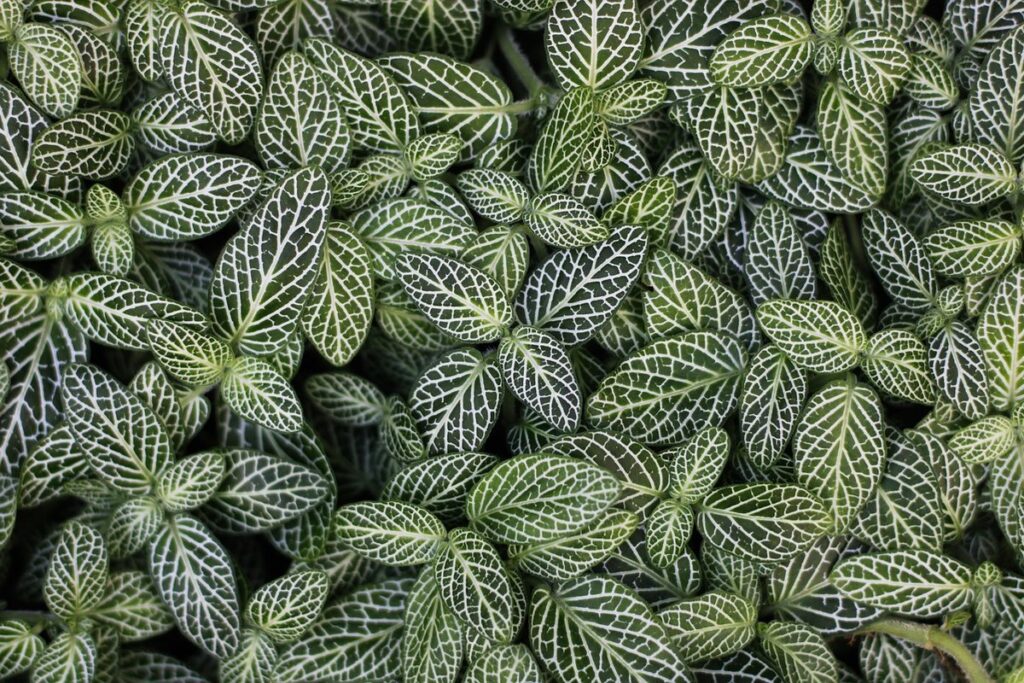
One of the most distinctive features of Fittonia plants is their striking foliage patterns, which can range from mottled white and green to solid colors like red and purple. This diversity in leaf appearance makes them an excellent choice for adding visual interest to any room. Not only are they visually appealing, but Fittonia plants are also relatively low-maintenance, making them perfect for busy homeowners or those new to plant care.
In recent years, Fittonia plants have become increasingly popular among indoor gardeners due to their ability to thrive in a variety of lighting conditions and temperatures. They can tolerate some direct sunlight but prefer bright, indirect light, which makes them suitable for rooms with limited natural light. This adaptability has contributed significantly to their growing popularity, and it’s no wonder why Fittonia plants have become a favorite among many plant enthusiasts.
Types of Fittonia Plants
There are several types of Fittonia plants that you can grow and care for at home. The most common type is the veined Fittonia, also known as Nerve Plant. This variety features vibrant leaves with prominent white or silver veins, adding a pop of color to your indoor space. The non-veined Fittonia, on the other hand, has solid-colored leaves in shades of green, white, or pink.
You’ll also find some hybrids that combine characteristics from both veined and non-veined types, offering even more unique leaf patterns and colors. Some popular varieties include ‘Snowcap,’ which features silvery-green leaves with creamy white veins, and ‘Tricolor,’ with its striking mix of green, white, and pink hues.
When choosing a Fittonia type for your home, consider the level of care you’re willing to provide. Veined plants tend to be more delicate and require more attention than non-veined types. Regardless of the variety, all Fittonia plants thrive in high humidity, bright indirect light, and well-draining soil, making them a great choice for indoor gardeners who want low-maintenance yet visually striking plants.
Choosing the Right Fittonia for You
When selecting a Fittonia, consider factors such as your desired color palette and the level of light in your home to ensure you choose a variety that will thrive. Choose from over 20 different species!
Factors to Consider When Selecting a Fittonia Plant
When selecting a Fittonia plant for your home, there are several factors to consider. Lighting is one of the most critical requirements for these plants. While they can tolerate low light conditions, direct sunlight can scorch their leaves. East- or west-facing windows are ideal, providing gentle, indirect light.
Temperature is also crucial. Fittonias prefer temperatures between 65°F and 75°F (18°C to 24°C). Avoid placing them near heating vents, fireplaces, or drafty areas. If you live in a cooler climate, ensure your home is well-insulated to maintain a stable temperature.
Humidity levels are another consideration. Fittonias thrive in humid environments, typically above 50%. You can increase the humidity around your plant by placing it on a tray filled with water and pebbles or using a humidifier. Monitor your plant’s response to these conditions, making adjustments as needed to ensure optimal growth.
By considering these factors, you’ll be well-equipped to select a Fittonia that thrives in its new home.
How to Choose a Healthy Fittonia Plant
When selecting a healthy Fittonia plant, it’s essential to inspect its leaves and overall condition carefully. Start by gently examining the leaves for any signs of damage, discoloration, or pests. Look for leaves that are firm, plump, and evenly colored. Avoid plants with yellowing or wilted leaves, as this can be a sign of root bound conditions or nutrient deficiencies.
Check the underside of the leaves for any white cottony patches or fine lines, which may indicate mealybugs or spider mites infestation. Gently touch the leaves to check for any soft spots or sticky substance, which could be a sign of fungal diseases. Inspect the soil around the plant’s base for any visible pests, such as fungus gnats.
When evaluating overall health, look for a sturdy stem and a balanced root system. A healthy Fittonia plant should have new growth appearing on the tips of the stems, indicating active growth.
Lighting and Temperature Requirements
When it comes to growing fittonia plants, getting the lighting and temperature conditions just right is crucial for their overall health and appearance. Let’s take a closer look at what works best.
Optimal Lighting Conditions for Fittonia Plants
Fittonia plants are known for their stunning silver or green leaves and vibrant colors, but did you know that they require specific lighting conditions to thrive? When it comes to providing optimal lighting for fittonia plants, there’s a bit of flexibility, but also some strict requirements.
In general, fittonia plants prefer bright, indirect light. However, direct sunlight can scorch their leaves and cause them to become discolored. On the other hand, low-light conditions can slow down growth and make the plant more susceptible to pests. As a rule of thumb, aim for east- or west-facing windows, which provide gentle, filtered light.
Photosynthesis plays a crucial role in fittonia plants’ health, and they need sufficient light to carry out this process efficiently. With bright, indirect light (medium to high light), your fittonia plant will photosynthesize at its best, promoting healthy growth and vibrant colors. To give you a better idea, most indoor spaces receive medium light levels – perfect for fittonia plants!
Understanding Fittonia Plant Temperature Preferences
When it comes to maintaining a healthy fittonia plant, temperature control is crucial. These plants are native to tropical regions and thrive in environments with consistent temperatures between 65°F (18°C) and 75°F (24°C). Daytime temperatures should ideally be around 70-72°F (21-22°C), while nighttime temperatures can drop slightly to around 68-70°F (20-21°C).
Keep in mind that fittonia plants are sensitive to temperature fluctuations, so it’s essential to maintain a stable environment. Avoid placing your plant near heating or cooling vents, fireplaces, or drafty windows, as this can cause stress and potentially damage the leaves.
A general rule of thumb is to keep the daytime temperature 2-3°F (1-2°C) higher than the nighttime temperature. This allows for optimal growth and prevents the plant from going into shock. For example, if your living room tends to cool down at night, try keeping the daytime thermostat between 72-74°F (22-23°C). By maintaining a consistent temperature range, you’ll be well on your way to growing a healthy and thriving fittonia plant.
Watering and Humidity Requirements
When it comes to keeping your Fittonia plant happy and thriving, proper watering and humidity levels are crucial. We’ll break down exactly how to water and maintain the right level of moisture for a healthy Fittonia.
How Often to Water Your Fittonia Plant
Watering your Fittonia plant requires attention to its soil moisture levels. To determine when it’s time to water, stick your finger into the soil up to the first knuckle, and if the soil feels dry, it’s ready for watering. However, this can vary depending on factors such as temperature, humidity, and potting mix.
A general rule of thumb is to water your Fittonia plant once a week during spring and summer months when it’s actively growing. During fall and winter, you may only need to water every 10-14 days as the plant slows down its growth.
Monitor your plant’s response to watering by checking for signs of overwatering or underwatering. Overwatered plants will develop yellow leaves and may experience root rot. On the other hand, underwatered plants will have wilted leaves and may drop their lower leaves.
Adjust your watering schedule accordingly based on these observations. Keep in mind that Fittonia prefers moist but not waterlogged soil.
Maintaining Optimal Humidity for Fittonia Plants
Maintaining optimal humidity levels is crucial for the health and well-being of your fittonia plant. These tropical plants thrive in humid environments, with ideal humidity levels ranging between 40-60%. Failing to meet this requirement can lead to leaf drop, yellowing, and other stress-related issues.
To achieve the right humidity level, you can use a few methods. One approach is to place the pot on a tray filled with water and pebbles. As the water evaporates, it will create a humid microclimate around the plant. Another method involves using a humidifier, which can be set to maintain the desired humidity level.
Some people also find that grouping plants together in a single area helps to increase the overall humidity levels. This is especially effective when you have multiple plants with similar requirements. However, make sure not to overcrowd the space, as this can lead to other issues such as fungal diseases and pest infestations.
Monitor your plant’s response to these methods, and adjust accordingly. For example, if you notice that the leaves are still droopy or developing brown spots, it may indicate that the humidity level is too low.
Soil and Fertilization Needs
When it comes to growing a thriving Fittonia, understanding its specific soil and fertilization needs is crucial for optimal health. This section will break down what your plant requires in terms of nutrients and soil quality.
Choosing the Right Potting Mix for Your Fittonia Plant
When it comes to choosing the right potting mix for your Fittonia plant, there are several key characteristics to look out for. A good potting mix should retain moisture but also drain excess water quickly to prevent root rot. This is because Fittonia plants prefer well-draining soil that is rich in organic matter.
A good potting mix for Fittonia plants typically contains ingredients such as peat moss, perlite, or vermiculite. These ingredients help to improve drainage and retain moisture in the soil. The pH level of the potting mix is also crucial – it should be slightly acidic to neutral (pH 5.5-7). Avoid using potting mixes with high levels of fertilizer as this can damage your plant’s roots.
Some popular potting mixes for indoor plants include a blend of coconut coir, worm castings, and perlite. You can also create your own mix by combining equal parts peat moss and perlite. Remember to always read the label and choose a mix that is specifically designed for tropical plants like Fittonia. By selecting the right potting mix, you’ll be giving your plant the best chance of thriving in its new home.
Fertilizing Your Fittonia Plant: Types and Frequency
When it comes to fertilizing your Fittonia plant, choosing the right type of fertilizer is crucial for promoting healthy growth and vibrant foliage. There are several types of fertilizers suitable for Fittonia plants, including balanced, organic, and slow-release options.
Balanced fertilizers provide a mix of nitrogen (N), phosphorus (P), and potassium (K) that promote overall plant health. For example, a 20-20-20 N-P-K fertilizer is a popular choice for Fittonia plants. However, if you prefer to go organic, consider using fish emulsion or compost tea, which are rich in nutrients and won’t burn your plant’s roots.
As for fertilization schedules, it’s best to feed your Fittonia plant during the growing season (spring and summer) when it’s producing new growth. You can start by fertilizing once a month, but be sure not to overfertilize, as this can damage your plant’s delicate roots. To avoid burning your plant, dilute the fertilizer to half the recommended strength and water thoroughly after application.
Keep in mind that Fittonia plants don’t require high levels of nutrients, so it’s better to err on the side of caution when fertilizing. By using a balanced or organic fertilizer at the right frequency, you’ll be able to promote healthy growth and enjoy your plant’s beautiful leaves for months to come.
Propagation and Pruning Techniques
Now that you have a healthy Fittonia plant, it’s time to learn how to multiply your favorite foliage friends through propagation, and keep them looking their best with pruning techniques.
Propagating Fittonia Plants Through Stem Cuttings
To propagate Fittonia plants through stem cuttings, you’ll need a few basic tools and some patience. Begin by selecting healthy stems with at least two nodes (the joint where a leaf meets the stem). Cut these sections from the mother plant using a sharp, clean knife or pruning tool, making sure each cutting is about 2-3 inches long.
Next, remove any lower leaves that would be submerged in water or soil to prevent them from rotting. Dip the cut end of each stem into a rooting hormone powder or liquid to encourage root development. Place the cuttings in a glass of water or a propagation tray filled with a well-draining potting mix, making sure the node is fully submerged.
Keep the soil consistently moist but not waterlogged, and provide bright, indirect light. Roots should develop within 1-2 weeks, at which point you can transfer the cutting to a small pot filled with a well-draining mix. Treat these young plants like mature Fittonias, watering carefully and providing moderate fertilization.
Monitor for signs of rot or fungal infections, as these can spread quickly through water-based propagation methods. With proper care, your new Fittonia will thrive and develop its characteristic mottled leaves within a few months.
Pruning Techniques for Healthy Fittonia Plant Growth
Proper pruning techniques are essential to promote healthy growth, prevent pest issues, and maintain the desired shape of your Fittonia plant. When it comes to pinching off flowers, do so just above a node (where a leaf meets the stem) using clean scissors or pruning shears. This encourages new blooms to develop from those nodes, keeping your plant in a continuous state of flowering.
Another technique is trimming back overgrown stems. Use a sharp pair of pruning shears to cut back long stems by about one-third to half their length. Remove any weak or spindly growth, as this will direct the plant’s energy towards producing stronger, healthier stems and leaves. This process also helps prevent pest issues like mealybugs and spider mites, which thrive in dense foliage.
Regular pruning also encourages bushy growth and prevents your Fittonia from becoming leggy. To achieve this, prune your plant at least once a month during the growing season (spring-fall).
Common Problems and Solutions
We all encounter issues when caring for our fittonia plants, so let’s tackle some of the most common problems and explore practical solutions to keep your plant thriving.
Identifying Common Pests and Diseases Affecting Fittonia Plants
Fittonia plants are susceptible to various pests and diseases that can harm their health and appearance. When it comes to common pests, mealybugs and spider mites are two of the most prevalent issues you might encounter. Mealybugs are small, white, cottony patches on the leaves or stems, while spider mites appear as fine webbing on the plant’s undersides.
To identify root rot, look for soft, mushy, or rotten roots, often accompanied by a foul odor. Leaf spot diseases manifest as circular, brown, or black spots on the leaves, sometimes with yellowish centers. Powdery mildew is another common issue, characterized by a white, powdery coating on the leaves.
To prevent and address these issues, ensure your Fittonia plant receives proper air circulation, adequate watering, and suitable humidity levels. Regularly inspect your plant for signs of pests or diseases and take prompt action if you notice any problems. For example, treat mealybugs with insecticidal soap, while removing affected areas can help control leaf spot diseases.
Troubleshooting: Fixing Common Issues with Your Fittonia Plant
As you care for your Fittonia plant, you may encounter some common issues that can be frustrating if not addressed promptly. One of the most noticeable problems is leaf drop, which can be caused by overwatering, underwatering, or sudden changes in temperature and humidity.
To resolve this issue, first, inspect the roots to ensure they are not rotting due to excess moisture. If you notice any root decay, trim it off immediately, and adjust your watering schedule accordingly. On the other hand, if you suspect that the plant is under-watered, check the soil moisture by sticking your finger into the pot up to the first knuckle. If the soil feels dry, water thoroughly until excess water drains from the bottom of the pot.
Another common issue with Fittonia plants is yellowing leaves, which can be a sign of nutrient deficiency or too much direct sunlight. To fix this problem, repot your plant in a well-draining mix and fertilize it regularly to provide essential nutrients. Also, move the plant away from direct sunlight and prune any damaged or dying leaves.
In some cases, pests like spider mites, mealybugs, or scale can infest your Fittonia plant, causing damage to its leaves and stems. To control these pests, isolate the affected plant, spray it gently with water, and treat it with insecticidal soap or neem oil according to the product’s instructions.
By identifying and addressing these common issues promptly, you’ll be able to keep your Fittonia plant thriving and happy in your home.
Frequently Asked Questions
Can I grow a Fittonia plant from seed, or is it best to propagate through stem cuttings?
Yes, you can grow a Fittonia plant from seed, but propagation through stem cuttings is generally the preferred method for indoor gardeners. Seeds may require more time and effort to germinate and establish a strong root system.
How often should I repot my Fittonia plant, considering its compact growth habit?
Fittonia plants typically only need to be repotted every 2-3 years when they become pot-bound. Repotting too frequently can cause stress to the plant, so it’s essential to monitor its growth and wait for the right moment.
What are some common mistakes that new Fittonia growers make, especially regarding watering and humidity?
New growers often overwater their Fittonia plants or neglect to maintain optimal humidity levels. To avoid these mistakes, be sure to read and follow the guidelines outlined in our article on maintaining the perfect balance of water and air for your plant.
How do I care for my Fittonia plant when it’s not actively growing new leaves?
During periods of dormancy, reduce watering frequency, keep temperatures around 60-70°F (15-21°C), and avoid fertilizing. This will help your plant conserve energy until the next growth phase begins.
Can I grow a Fittonia plant in direct sunlight, or will it suffer from too much light?
Fittonia plants prefer bright, indirect light but can tolerate some direct sun. To prevent scorching or damage, place your plant near an east- or west-facing window or use sheer curtains to filter the intense sunlight.