
Lemon trees are a popular choice for home gardens and orchards, not only for their delicious fruit but also for their beauty and fragrance. However, like any other plant, they’re susceptible to various diseases that can cause significant damage if left untreated. From bacterial spot and root rot to the devastating tristeza virus, fungal infections, and more, lemon tree disease is a common issue that many citrus growers face. In this article, we’ll delve into the world of lemon tree diseases, exploring their causes, symptoms, and prevention strategies. We’ll also discuss treatment options and best practices for maintaining healthy citrus trees, helping you protect your investment and enjoy a bountiful harvest year after year. Whether you’re an experienced gardener or just starting out, this guide will provide you with the knowledge to keep your lemon trees thriving.
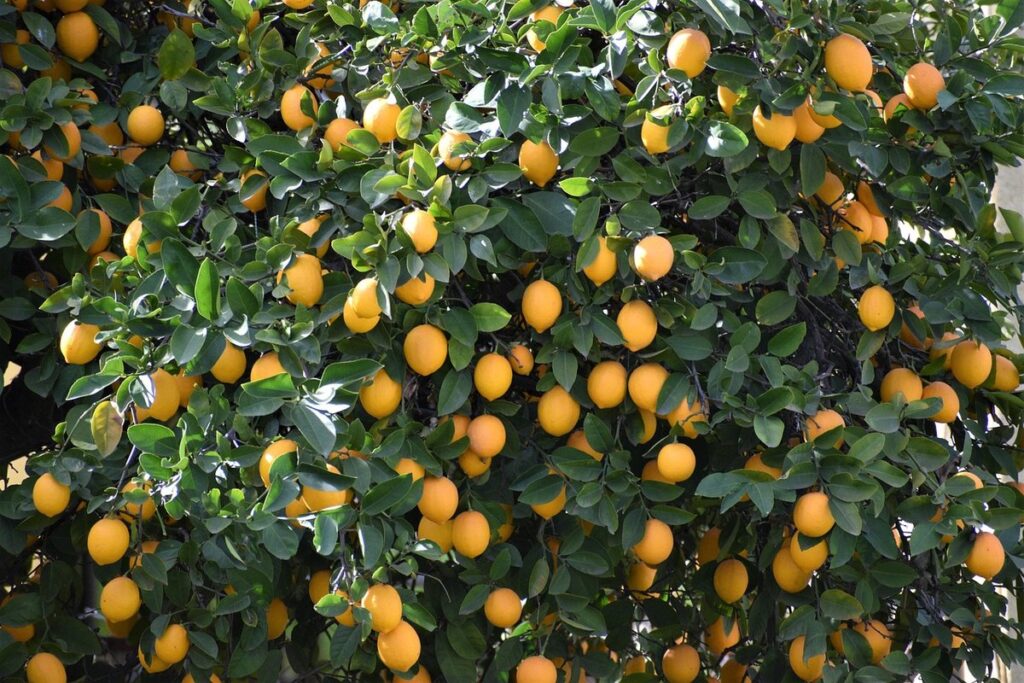
Understanding Common Lemon Tree Diseases
Lemon trees can be susceptible to a range of diseases, from fungal infections to bacterial blights. Here, we’ll delve into some of the most common issues affecting lemon trees worldwide.
Bacterial Spot Disease: Identification and Control
Bacterial spot disease is a common issue affecting lemon trees worldwide. This bacterial infection causes small, circular spots to appear on leaves and fruits, leading to defoliation and reduced fruit production. If left unchecked, the disease can spread rapidly, causing significant damage to the tree.
Proper sanitation is key in preventing the spread of bacterial spot disease. Regularly inspect your lemon tree for signs of infection and remove any infected leaves or branches immediately. Dispose of them properly to avoid spreading the bacteria to other parts of the tree or nearby plants.
Pruning techniques can also help manage the disease. Remove any heavily infected areas, making sure to disinfect pruning tools between cuts. This will prevent the spread of bacteria during the pruning process. Additionally, thinning out the canopy can improve air circulation and reduce humidity, creating an environment less conducive to bacterial growth.
Fungicides containing copper or streptomycin can be effective in controlling bacterial spot disease. However, it’s essential to follow application instructions carefully and consider the environmental impact before using these chemicals.
Root Rot: Causes and Prevention Strategies
Root rot is a common issue that can devastate lemon trees if left unchecked. It occurs when the roots of the tree become waterlogged and start to decay, often due to overwatering, poor drainage, or root damage. One of the primary causes of root rot is overwatering, which can happen when you forget to check the soil moisture levels before watering your tree.
To prevent root rot, it’s essential to use well-draining soil mixes that allow excess water to escape quickly. Avoid using regular potting soil for lemon trees, as it tends to retain too much water. Instead, opt for a mix specifically designed for citrus trees or create your own blend by combining perlite, vermiculite, and regular potting soil.
Overfertilization can also contribute to root rot, so be mindful of the fertilizer you use and follow the recommended application rates. A general rule of thumb is to fertilize your lemon tree in the early growing season with a balanced fertilizer, but skip fertilizing during the summer months when the tree is actively producing fruit.
Viral Diseases Affecting Lemon Trees
If you’re concerned that your lemon tree is infected, it’s essential to know the signs of viral diseases such as Tristeza and Exocytosis. These diseases can be devastating if left untreated.
Tristeza Virus: Impact and Management
The Tristeza Virus has far-reaching consequences for lemon trees. When infected, these trees are likely to experience reduced yields due to stunted growth and eventual death. In severe cases, tristeza virus can even kill the tree within a few years of infection.
But what exactly causes this devastation? The tristeza virus is primarily spread through aphid vectors, with grafting serving as another significant mode of transmission. Once infected, lemon trees struggle to recover, their reduced yields significantly impacting overall productivity and profitability.
Fortunately, there are ways to manage the tristeza virus effectively. By selecting rootstocks that exhibit natural resistance to this disease or by using tissue culture for propagation, growers can minimize the risk of infection. Grafting can also be used to a degree, provided the scion is taken from an infected tree with known immunity to the tristeza virus.
Pruning practices can help alleviate some symptoms and slow down the spread of the disease within infected trees. This involves carefully removing any affected areas or leaves.
Lemon Exocytosis Virus (LEV): Symptoms and Treatment
If left untreated, Lemon Exocytosis Virus (LEV) can cause significant damage to your lemon tree. The first noticeable symptom of LEV is the yellowing of leaves, often starting from the lower branches and spreading upwards. This may be accompanied by a drop in fruit production, as the virus affects the tree’s ability to transport water and nutrients.
It’s essential to detect LEV early on, as this allows for more effective treatment and reduces the risk of long-term damage. If you suspect your lemon tree is infected with LEV, inspect the leaves carefully for yellowing or discoloration. Check the fruit for any signs of drop or reduced growth.
To manage LEV effectively, incorporate cultural practices into your regular care routine. Pruning infected branches can help prevent the virus from spreading to other parts of the tree. Sanitize pruning tools between cuts to avoid transferring the virus. Regularly inspect your tree and remove any affected areas promptly to minimize the impact of LEV. By acting quickly and using these management techniques, you can reduce the severity of the disease and promote a healthier lemon tree.
Fungal Diseases: Identification and Control
When it comes to fungal diseases on your lemon tree, identifying the issue is crucial for effective control. Let’s take a closer look at how to spot and manage these common afflictions.
Citrus Canker: Causes and Management Strategies
Citrus canker is one of the most common bacterial diseases affecting lemon trees worldwide. It’s caused by the bacterium Xanthomonas axonopodis pv. citri, which infects the tree through natural openings or wounds in the bark and leaves. As the disease progresses, you’ll notice yellowish or reddish spots on the leaves, followed by leaf drop and branch dieback.
To manage citrus canker effectively, it’s essential to remove the bacterium from the affected area as soon as possible. This involves pruning infected branches and disposing of them properly to prevent further spread. To do this safely:
* Make clean cuts just above a bud or a node using sterile pruning tools
* Apply a fungicide specifically labeled for citrus canker control immediately after pruning
* Monitor the tree regularly for signs of new infections
Regular maintenance, including pruning and monitoring, can help prevent the disease from spreading further. However, complete removal of the bacterium is challenging, so ongoing management through fungicides may be necessary to keep the disease under control. If you’re unsure about how to manage citrus canker on your lemon tree, consult a gardening professional or local nursery expert for guidance.
Leaf Spot and Scab: Prevention and Treatment
Leaf spot and scab are two of the most common fungal diseases affecting lemon tree leaves. To identify these diseases, look for small, circular spots on the leaves that can be tan, gray, or black in color. These spots may also have a powdery or fungal growth on them. Scab, on the other hand, appears as rough, scabby patches on the leaves.
To control leaf spot and scab, sanitation is key. Remove any infected leaves to prevent the disease from spreading. Prune your lemon tree regularly to improve air circulation and promote healthy growth. Water your tree in the morning to give the leaves enough time to dry before nightfall, reducing the risk of fungal diseases.
Fungicides can also be used to treat leaf spot and scab. However, always read and follow the instructions carefully to avoid harming your tree or the environment. Copper-based fungicides are effective against these diseases but may not be suitable for all types of lemon trees. Consider using an organic or integrated pest management approach to minimize chemical use.
Environmental Factors Contributing to Lemon Tree Disease
Lemon trees are susceptible to a range of environmental factors that can contribute to disease, including extreme temperatures and weather conditions. We’ll explore these potential triggers in more detail below.
Weather-Related Stressors: Temperature Extremes and Drought
Extreme temperatures and drought are among the most significant environmental stressors that can affect lemon tree health. Heat stress, caused by prolonged exposure to high temperatures above 90°F (32°C), can lead to leaf scorch, reduced fruit production, and increased susceptibility to diseases. Cold damage, on the other hand, occurs when temperatures drop below 25°F (-4°C), causing physical harm to the tree’s tissues.
Drought conditions can be particularly damaging to lemon trees, as they require consistent moisture levels to thrive. Water scarcity can weaken the tree’s immune system, making it more vulnerable to pests and diseases. To mitigate these effects, it’s essential to provide lemon trees with proper care during extreme weather conditions. This includes providing supplemental irrigation, especially during periods of drought, and protecting trees from frost using techniques like wind machines or sprinkler systems.
A study in California found that citrus groves experienced significant yield loss due to heat stress and drought, emphasizing the need for careful management practices. By being aware of these risks and taking proactive measures, lemon tree growers can reduce their risk of disease and maintain healthy trees year-round.
Soil Quality and Nutrient Deficiencies
Soil quality plays a crucial role in lemon tree growth and disease susceptibility. Poor soil conditions can weaken the tree’s defenses, making it more vulnerable to diseases. One common issue is nutrient deficiencies, particularly nitrogen and potassium insufficiency.
Nitrogen deficiency can cause yellowing leaves, reduced fruit production, and stunted growth. It’s essential to test your soil regularly to determine its pH level and nutrient content. A balanced fertilizer application will help correct any nutrient deficiencies. For example, a citrus tree fertilized with an NPK (nitrogen-phosphorus-potassium) ratio of 10-10-10 will provide the necessary nutrients for healthy growth.
Potassium deficiency, on the other hand, can lead to scorching and browning leaves. It’s often caused by over-fertilization with nitrogen-rich fertilizers. To mitigate this issue, reduce the frequency of nitrogen applications or switch to a fertilizer with a balanced NPK ratio. Regularly inspect your tree for signs of nutrient deficiencies and address them promptly to prevent disease development.
Monitoring soil moisture levels is also vital in preventing waterborne diseases. Lemon trees require well-draining soil to prevent root rot and other issues associated with excess water. Consider incorporating organic matter like compost or mulch into your soil to improve its structure and fertility. By taking proactive steps to maintain healthy soil, you can reduce the risk of disease development and promote a thriving lemon tree ecosystem.
Best Practices for Lemon Tree Health and Disease Prevention
To keep your lemon tree thriving, it’s essential to follow best practices that promote healthy growth and prevent diseases from taking hold in the first place. Proper care is key to a long and vibrant life for your citrus tree.
Regular Maintenance and Inspections
Regular maintenance and inspections are crucial to preventing lemon tree disease. By keeping an eye on your trees regularly, you can identify potential issues early on and take corrective action before they spread.
Inspect your lemon trees every 1-2 weeks during the growing season, looking for signs of disease such as yellowing or browning leaves, black spots, or white powdery patches. Check for any visible pests like aphids, mealybugs, or scale insects that can transmit diseases.
Pruning is also an essential part of lemon tree maintenance. Remove any diseased or damaged branches to prevent the spread of disease and promote healthy growth. Prune your trees during their dormant season (winter) to minimize stress on the tree.
Sanitation is another key factor in preventing disease. Ensure good air circulation around your trees by keeping them at least 10-15 feet apart. Remove any weeds or debris from the area, as these can harbor pests and diseases that can infect your lemon trees.
IPM Strategies: A Holistic Approach to Disease Management
When it comes to managing lemon tree diseases, adopting a holistic approach is essential. This is where Integrated Pest Management (IPM) strategies come into play. IPM is a comprehensive framework that considers the complex interactions between the tree, pests, and environment to prevent disease outbreaks.
At its core, IPM combines three key components: cultural practices, biological control methods, and chemical controls. Cultural practices refer to maintaining good tree hygiene, such as pruning infected branches, watering carefully, and providing adequate sunlight. Biological control involves introducing beneficial organisms that prey on pests or diseases, like ladybugs that feed on aphids.
Chemical controls are reserved for severe cases, using targeted treatments that minimize harm to the tree and environment. For example, neem oil can be used to treat citrus greasy spot, a common disease affecting lemon trees in warm climates. By incorporating these strategies into your care routine, you’ll create a robust defense against diseases and promote healthy growth.
When implementing an IPM plan, it’s crucial to monitor your tree regularly for signs of stress or infection. Regular checks will help you identify potential issues early on, allowing for timely intervention.
Treatment Options for Advanced Lemon Tree Diseases
If your lemon tree is suffering from advanced disease, don’t worry – we’ve got you covered. This section will explore effective treatment options to revive your ailing citrus beauty.
Fungicides and Bactericides: Effective Use Strategies
When dealing with advanced cases of lemon tree disease, fungicides and bactericides can be crucial in controlling the spread of infection. However, their effective use requires careful consideration of timing, dosage, and compatibility with other management practices.
Timing is essential when using fungicides or bactericides. Spray applications should ideally coincide with periods of optimal growth and development, such as spring or early summer. This allows the product to be most effective in preventing further disease spread. It’s also crucial to identify the specific pathogen causing the infection to choose the right type of product. For example, if the disease is caused by a fungus, an antifungal fungicide would be more effective than a bactericidal agent.
When choosing a product, always check the label for compatibility with other management practices, such as integrated pest management (IPM) strategies or biological control methods. Some products may not be suitable for use on young trees or in certain environmental conditions. Always follow recommended dosages and application guidelines to avoid damaging your tree’s delicate ecosystem.
In addition to timing and dosage, the choice of product also depends on the severity and type of disease. For example, a copper-based fungicide might be more effective against leaf spot or powdery mildew infections than a bactericidal agent. However, it may not be suitable for use in areas where birds or wildlife are present.
Regular monitoring is crucial to ensure that the treatment is working effectively and to make any necessary adjustments. A combination of cultural practices like pruning, thinning, and maintaining good air circulation around the tree can also help prevent disease recurrence.
Biological Control Methods: Using Beneficial Microorganisms
Beneficial microorganisms play a crucial role in controlling lemon tree diseases. These tiny heroes can be introduced into the soil and leaves to promote healthy growth, suppress pathogens, and prevent disease outbreaks. By harnessing the power of beneficial microbes, you can create a balanced ecosystem that supports your lemon tree’s well-being.
To introduce beneficial microorganisms into your lemon tree’s soil, start by preparing a liquid solution. Mix 1 tablespoon of effective microorganisms (EM) powder with 1 liter of water. EM is a type of beneficial bacteria that helps to break down organic matter and suppress pathogens. Apply this solution to the soil around the base of the tree, making sure to cover the root zone thoroughly.
You can also introduce beneficial microbes directly into the leaves through foliar sprays. Use a neem oil-based spray or a fish emulsion-based solution to promote healthy growth and prevent fungal diseases. These sprays are rich in beneficial bacteria and fungi that help to protect the tree from pathogens.
Some popular types of beneficial microorganisms for lemon trees include:
* Trichoderma harzianum: A fungus that helps to control root rot and other soil-borne diseases
* Bacillus subtilis: A bacterium that promotes healthy growth and suppresses fungal diseases
* Streptomyces lydicola: A bacterium that helps to control root rot and other soil-borne diseases
By incorporating beneficial microorganisms into your lemon tree care routine, you can create a robust defense system against disease-causing pathogens. Regularly introducing these microbes into the soil and leaves will promote healthy growth, prevent disease outbreaks, and ensure your lemon tree thrives for years to come.
Frequently Asked Questions
How can I identify fungal diseases on my lemon tree before they spread?
Regularly inspect your tree for signs of fungal infections, such as powdery mildew, black spot, or root rot. Look for white, gray, or black patches on leaves and stems, and inspect the roots for softening or decay. If you suspect a fungal infection, take a sample to a local nursery or extension office for identification and guidance.
Can I use homemade remedies to treat bacterial diseases like citrus canker?
While some homemade remedies may provide temporary relief, they are unlikely to be effective in treating severe bacterial infections like citrus canker. For best results, consult with a certified arborist or use recommended bactericides under the guidance of a gardening expert. Always follow label instructions and take necessary safety precautions when applying chemical treatments.
What’s the ideal soil pH range for lemon trees, and how do I test it?
Lemon trees prefer slightly acidic to neutral soils (pH 6.0-7.0). To determine your soil pH, purchase a DIY testing kit or send a sample to a local laboratory. Based on the results, amend your soil with lime to raise pH levels or sulfur to lower them. Maintain a consistent soil pH by regularly monitoring and adjusting as needed.
Can I use integrated pest management (IPM) strategies for all types of lemon tree diseases?
While IPM is an effective approach for managing many citrus pests and diseases, it may not be suitable for severe infections like tristeza virus or root rot. For these cases, consult with a certified arborist to develop a targeted treatment plan that combines chemical controls with cultural practices and biological methods. Always prioritize the health and safety of your tree when selecting an IPM strategy.
How often should I inspect my lemon trees for signs of disease, especially during periods of high stress?
Inspect your lemon trees at least once a week, but ideally every 3-4 days, especially during hot or dry weather, or after pruning. Keep in mind that some diseases can progress rapidly; be vigilant and address any issues promptly to prevent further damage and maintain the overall health of your tree.