
Are you tired of contributing to the staggering amount of plastic waste in our environment? You’re not alone. As gardeners, farmers, and eco-conscious individuals, we’ve all been there – trying to balance our love for plants with our concern for the planet’s well-being. One simple yet impactful change is making the switch to biodegradable seedling pots. Not only do they reduce plastic waste, but they can also save you money in the long run. In this article, we’ll delve into the world of sustainable materials and design considerations that make biodegradable seedling pots a game-changer for gardeners and farmers alike. We’ll explore successful case studies and provide you with a comprehensive guide to making the transition.
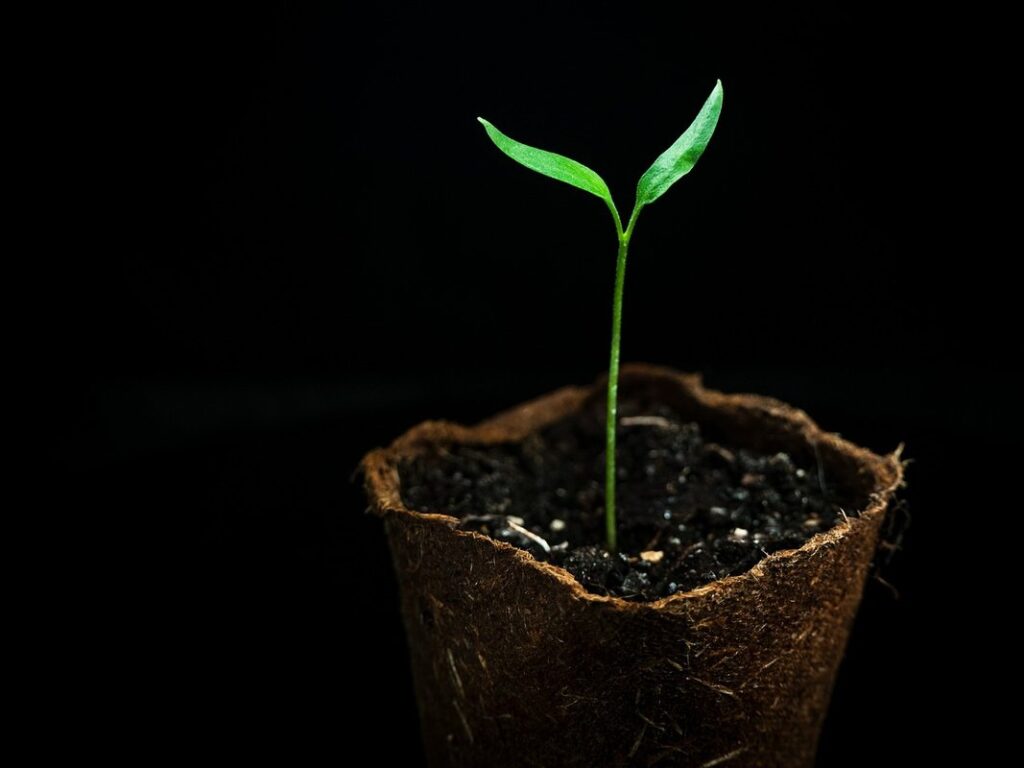
Benefits of Switching to Biodegradable Seedling Pots
Making the switch to biodegradable seedling pots can bring a multitude of benefits, from reduced waste to healthier root growth for your plants. Let’s explore these advantages in more detail.
Reducing Plastic Waste and Its Impact on the Environment
Plastic waste from traditional seedling pots has become a significant environmental concern. Landfills and oceans are overflowing with plastic debris, harming marine life and contaminating the food chain. According to the United Nations, over 8 million tons of plastic waste enter the world’s oceans every year. This not only affects wildlife but also poses health risks to humans.
Biodegradable seedling pots offer a more sustainable alternative to traditional plastic ones. Made from natural materials like bamboo, sugarcane, or cornstarch, these pots are designed to break down naturally in the environment without leaving behind toxic residue. They can be composted and returned to the soil as nutrient-rich fertilizer, reducing waste and promoting healthy plant growth.
When choosing biodegradable seedling pots, consider the following factors: look for pots made from certified sustainable materials, ensure they meet local composting standards, and choose a supplier that offers eco-friendly packaging options. By making this simple switch, you can significantly reduce your nursery’s environmental footprint and contribute to a more sustainable future for our planet.
Cost-Effective Options for Nursery Owners and Gardeners
When you make the switch to biodegradable seedling pots, you’ll not only be contributing to a more sustainable environment but also reducing costs associated with traditional clay pot cultivation. One of the most significant cost savings comes from reduced packaging costs. Biodegradable pots often come in compact, foldable forms that take up less space during shipping, resulting in lower packaging expenses.
Furthermore, biodegradable seedling pots eliminate the need for heavy clay pots to be shipped, which can be a costly endeavor due to their weight and size. This not only saves on shipping expenses but also reduces the environmental impact of transporting large quantities of materials. Additionally, the disposal fees associated with traditional clay pots are significantly lower when using biodegradable alternatives.
To give you a better idea, consider this: if a nursery ships 10,000 heavy clay pots annually, they could save up to $5,000 by switching to compact, biodegradable seedling pots. By making this simple change, nurseries can allocate more resources towards growing healthy plants rather than managing logistics and waste disposal.
Types of Biodegradable Materials Used in Seedling Pots
Let’s take a closer look at the various biodegradable materials used in seedling pots, including coconut coir and bamboo fibers, which are popular options. These eco-friendly alternatives offer a sustainable solution for plant nursery owners and gardeners.
Coconut Coir: A Popular Choice for Sustainable Gardening
Coconut coir is a popular choice among gardeners and plant nursery owners due to its exceptional water retention capacity. This property allows seedlings to absorb the right amount of moisture, promoting healthy growth and development. Unlike traditional peat moss, coconut coir is more sustainable as it’s harvested from the coconut husk, a byproduct of the coconut industry. As a result, it reduces waste and supports eco-friendly practices.
When used in seedling pots, coconut coir helps to reduce transplant shock. This occurs when seedlings are transferred from their original container to a larger one, causing stress that can lead to disease or death. Coconut coir minimizes this risk by providing a stable root system, allowing the seedling to adapt smoothly to its new environment.
For gardeners looking to try coconut coir in their seedling pots, there are a few things to keep in mind. First, make sure to choose a high-quality product that’s specifically designed for gardening. Some products may contain additives or chemicals that can harm your plants. Also, be aware of the pH level of the coconut coir, as it can affect the overall acidity of the soil.
You can also mix coconut coir with other biodegradable materials like bamboo or sugarcane to create a unique blend that suits your gardening needs. Experimenting with different ratios and combinations will help you find the perfect balance for your seedlings.
Compostable Planters Made from PLA and PBAT
Compostable planters made from polylactic acid (PLA) and polybutylene adipate-co-butylene terephthalate (PBAT) are gaining popularity among eco-conscious plant nursery owners and gardeners. These biodegradable materials have several properties that make them an attractive alternative to traditional plastic seedling pots.
One of the key advantages of PLA and PBAT is their compostability, which means they can be easily broken down by microorganisms in a controlled environment like a compost bin or a worm farm. This process typically takes around 90-120 days, depending on factors such as temperature and moisture levels. When composted, these materials convert into a nutrient-rich soil amendment that can help improve the structure and fertility of your garden soil.
Another benefit of PLA and PBAT planters is their minimal environmental impact. Unlike traditional plastic pots, which contribute to greenhouse gas emissions and take hundreds of years to decompose, biodegradable seedling pots made from these materials require less energy to produce and release fewer pollutants during manufacturing.
Design Considerations for Biodegradable Seedling Pots
When selecting biodegradable seedling pots, consider factors such as material durability and ease of composting to ensure a smooth transition from pot to garden. This affects long-term sustainability.
Structural Integrity and Plant Root Support
When designing biodegradable seedling pots, it’s essential to consider their structural integrity and ability to support plant roots as they grow. Plant roots can be delicate and require a stable foundation to develop properly, which is where the material composition of biodegradable seedling pots comes into play.
Most biodegradable materials are naturally prone to tearing or deforming under pressure, but some products have been engineered to offer improved structural integrity while still meeting environmental standards. For instance, plant-based composites made from natural fibers like bamboo or sugarcane can provide enhanced strength and durability compared to traditional bioplastics.
To ensure optimal support for growing roots, look for seedling pots with a sturdy base that won’t collapse under the weight of developing roots. A minimum thickness of 2-3 mm is recommended for most plant species, although this may vary depending on the specific variety. When selecting a biodegradable material, consider the pot’s ability to maintain its shape and provide adequate root space as the seedling grows.
Shape and Size Options for Different Plant Species
When it comes to biodegradable seedling pots, selecting the right shape and size is crucial for optimal plant growth. Different plant species have varying root development patterns, and their specific needs should be considered when choosing a pot. For instance, seedlings with deep taproots like carrots and parsnips require deeper pots to accommodate their extensive root systems.
On the other hand, plants with shallow roots such as lettuce and herbs can thrive in shallower containers. Consider using rectangular or square pots for these species, as they allow for efficient use of space and promote healthy root growth.
To determine the optimal size for your seedlings, keep in mind that a general rule of thumb is to provide at least 2-3 times more room than the mature plant’s spread. This allows for proper root development without overcrowding. For example, if you’re growing a tomato plant that will reach 3 feet wide when mature, start it in a pot that’s at least 6 inches square.
Remember, not all biodegradable seedling pots are created equal, so choose ones made from high-quality materials that can support the growth of your plants.
Manufacturers and Suppliers of Biodegradable Seedling Pots
If you’re looking for biodegradable seedling pots, we’ve got a list of reliable manufacturers and suppliers that can provide you with high-quality products. From small startups to large-scale operations, these companies offer a range of options.
Top Brands in the Industry
Some of the top brands in the industry that offer high-quality biodegradable seedling pots include Bioplastic Technologies, EcoLife Pots, and Greenmax. These manufacturers cater to various needs, from nursery owners to gardeners, with a range of products certified by reputable organizations like Compostable or the Biodegradable Products Institute (BPI).
Bioplastic Technologies offers a variety of bioplastic seed pots made from plant-based materials that are fully compostable and meet international standards for biodegradability. EcoLife Pots provides a range of bioplastics, including cups, pots, and trays, that are also certified by the BPI.
Greenmax offers biodegradable seedling pots made from natural polymers like PLA (polylactic acid), which can replace traditional plastic pots in nurseries and gardening applications. These products not only contribute to a more sustainable environment but also provide plants with a healthy root system.
When selecting biodegradable seedling pots, consider the certifications and product offerings of these top brands. For instance, if you prioritize compostability, opt for products certified by Compostable or BPI.
Online Marketplaces for Bulk Purchases and Wholesale Discounts
When sourcing biodegradable seedling pots in bulk, nursery owners and gardeners can explore various online marketplaces that offer wholesale discounts. One popular option is Alibaba, a global B2B e-commerce platform connecting buyers with suppliers from around the world. Here, you can search for “biodegradable seedling pots” or “eco-friendly plant pots” to discover a wide range of products and prices.
Some notable benefits of using online marketplaces like Alibaba include:
* Access to a vast pool of suppliers, increasing competition and driving down prices
* The ability to compare prices, product quality, and shipping costs in one place
* Convenience in managing orders and tracking shipments
Another option is Wholesale Central, an online directory that aggregates wholesale suppliers from various industries, including the horticulture sector. This platform allows you to search for biodegradable seedling pots by material, size, or supplier name.
When purchasing in bulk, it’s essential to ensure that your chosen supplier meets your quality and sustainability standards. Always research the supplier, read reviews, and ask about their environmental policies before making a purchase.
Case Studies: Successful Implementations of Biodegradable Seedling Pots
Let’s take a closer look at how other nursery owners and gardeners have successfully implemented biodegradable seedling pots in their operations. We’ll examine some inspiring examples of sustainable practices.
Examples from Professional Gardeners and Nursery Owners
Many professional gardeners and nursery owners have successfully implemented biodegradable seedling pots, achieving remarkable results. For instance, Green Thumb Nursery in California reported a significant reduction in waste by switching to bioplastic seedling pots. They estimate saving around 50% of their plastic pot usage annually.
Another example is that of Emma’s Garden, a small nursery in the UK, which adopted paper-based seedling pots. The owner, Emma, noticed improved seed germination rates and increased plant growth due to the natural material’s ability to retain moisture.
To replicate these successes, consider the following tips: first, assess your current pot usage and calculate potential savings; next, research local suppliers for biodegradable materials that meet your specific needs; finally, start with a small trial batch to test the performance of biodegradable seedling pots in your operation. By taking this approach, you can begin reaping the benefits of sustainable gardening practices while maintaining or improving plant quality.
Challenges Encountered and Lessons Learned
When transitioning to biodegradable seedling pots, nursery owners and gardeners may encounter several challenges. One of the primary hurdles is adapting to the different physical properties of biodegradable materials compared to traditional plastic pots. For instance, biodegradable pots can be more prone to damage during handling or transportation.
Some producers initially experienced difficulties with inconsistent quality control due to variations in raw material sourcing and manufacturing processes. This led to issues such as reduced durability or irregular degradation rates. To overcome these challenges, it’s essential for manufacturers to establish robust quality assurance protocols.
In addition, nursery owners may need to adjust their soil handling practices to accommodate the faster breakdown of biodegradable pots. As an example, a California-based organic farm reported initial concerns about seedlings becoming waterlogged due to rapid degradation in warmer temperatures. To mitigate this issue, they developed a new watering schedule and used a mix of compost and perlite to improve drainage.
The key takeaway is that transitioning to biodegradable seedling pots requires patience and flexibility from both manufacturers and end-users. By being aware of potential challenges and taking steps to address them, plant nursery owners and gardeners can reap the benefits of sustainable growing practices while minimizing setbacks.
Frequently Asked Questions
Can I use biodegradable seedling pots for large-scale commercial farming operations?
Biodegradable seedling pots are suitable for various scales of production, including large-scale commercial farming operations. However, it’s essential to consider factors like material costs, storage space, and labor efficiency when choosing a biodegradable material for your specific needs.
How do I choose the right size and shape of biodegradable seedling pot for my plant species?
The ideal size and shape of a biodegradable seedling pot depend on the specific plant species being grown. Generally, smaller pots (around 1-2 inches in diameter) work well for delicate herbs or seedlings, while larger pots (4-6 inches in diameter) are better suited for vegetable or flower seedlings.
What are some common mistakes to avoid when transitioning from traditional plastic seedling pots to biodegradable ones?
Some common pitfalls to watch out for include underestimating the initial investment costs of switching to biodegradable materials and failing to properly dispose of used biodegradable seedling pots. Proper education on the benefits, uses, and disposal methods can help mitigate these risks.
Can I compost biodegradable seedling pots along with my plant waste?
While biodegradable seedling pots are designed to break down naturally, it’s generally recommended to separate them from regular organic waste for proper decomposition. This ensures that the materials fully degrade without contaminating the soil or creating other environmental issues.
What additional costs can I expect when switching to biodegradable seedling pots, and how long will it take to recoup those expenses?
In addition to initial material costs, you may need to factor in slightly higher labor expenses for handling and preparing biodegradable seedling pots. However, many nurseries and gardeners report a significant reduction in waste management costs within 6-12 months of switching to biodegradable materials.