
Are you tired of scrawny, flavorless basil leaves that don’t add much to your cooking? Recognizing the signs of legginess in your basil plant is crucial to keeping it healthy and thriving. A well-trimmed basil plant not only looks great but also produces more fragrant leaves with a deeper flavor profile. In this article, we’ll take you through the essential techniques for trimming your basil plant like a pro. From identifying when your plant needs pruning to advanced methods that boost its aroma and taste, we’ve got you covered. We’ll explore how to recognize leggy growth, when to harvest pinching off flower buds, and expert tips on how to keep your basil bushy and productive all season long.
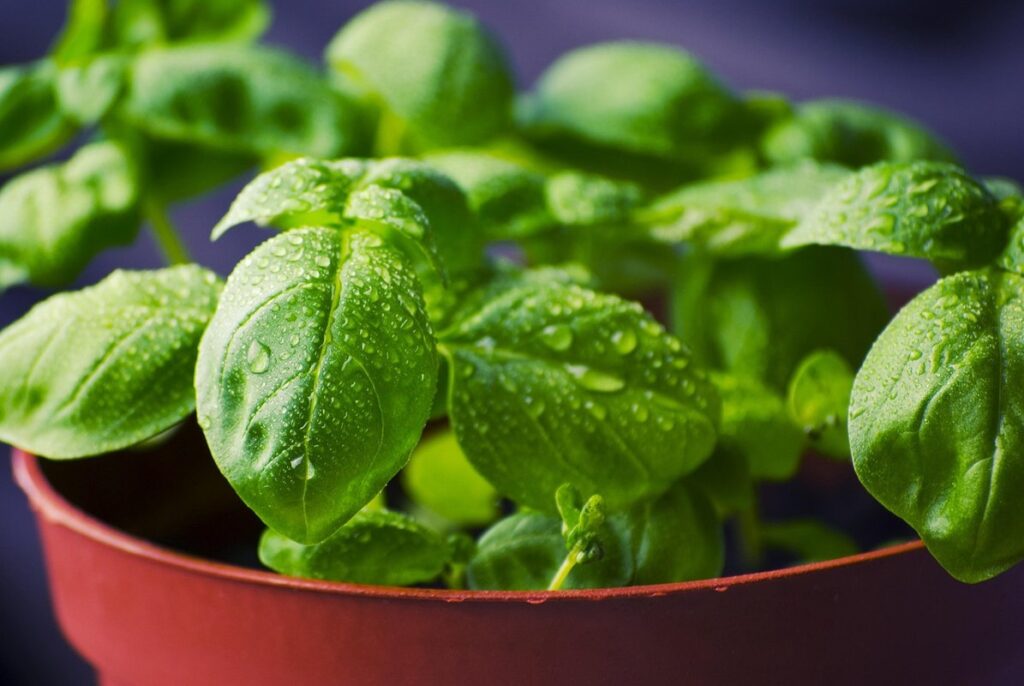
Understanding Your Basil Plant
Before you start trimming, it’s essential to understand your basil plant’s needs and habits to ensure you’re providing the best care for optimal growth. Knowing its characteristics will help you determine when and how to trim.
Recognizing When Your Basil Needs Trimming
Recognizing when your basil plant needs trimming is crucial to maintaining its optimal growth and preventing legginess. One of the most obvious signs that your basil needs a trim is if it’s become leggy, with long stems and sparse leaves. This can happen when the plant is not receiving enough light or if it’s been pinched back too infrequently.
If you notice new growth has slowed down significantly or has stopped altogether, this could be another indication that your basil needs trimming. When a basil plant becomes leggy, it starts to focus its energy on producing long stems rather than healthy leaves, which can impact the flavor and aroma of your harvest.
To identify whether your basil needs trimming, simply take a closer look at its shape and density. A healthy basil plant should have a bushy appearance with plenty of new growth and a balanced ratio of leaves to stems. If you notice any bare patches or if the plant is starting to look unkempt, it’s likely time for a trim.
Identifying Different Types of Basil
When it comes to pruning your basil plant, understanding the different types of basil is crucial. With over 160 varieties, each with its unique characteristics, you’ll want to tailor your trimming approach to suit your specific plant’s needs.
Genovese basil, for example, has a strong, pungent flavor and is often used in Italian cooking. Its large leaves make it ideal for chopping or tearing, but they also require more frequent pruning to maintain their shape. Sweet basil, on the other hand, has smaller leaves and a milder flavor, making it perfect for Thai and Southeast Asian dishes.
Thai basil, with its distinctive anise-like flavor, requires regular pruning to encourage new growth and prevent flowering. Lemon basil’s bright citrus scent calls for more gentle pruning to preserve its delicate aroma. Knowing which type of basil you’re working with will help you decide on the right trimming technique to promote healthy growth, prevent flower formation, and maintain your plant’s unique characteristics.
Each variety responds differently to pruning, so observe your plant closely to determine its individual needs.
Preparing Your Basil for Trimming
Before you start trimming, make sure your basil plant is prepared by pruning any dead or weak growth to encourage healthy new development. This simple step will help prevent shock and promote a lush harvest.
Cleaning and Sanitizing Your Pruning Tools
When it comes to trimming your basil plant, one of the most crucial steps is often overlooked: cleaning and sanitizing your pruning tools. This may seem like a minor detail, but trust us – it’s essential for preventing the spread of disease and pests that can quickly decimate your plant.
Think about it: every time you prune your basil, you’re creating an open wound on the plant, making it vulnerable to infection. If your pruning tools are dirty or harboring bacteria, you’re essentially introducing a potential threat to your plant with each snip. To avoid this catastrophe, make sure to clean and sanitize your tools regularly.
Here’s how: after each use, wipe down your pruning shears or clippers with a mixture of soap and water. Then, immerse them in a solution of 1 part bleach to 9 parts water for at least 10 minutes. Rinse thoroughly and dry before storing. This simple habit will go a long way in keeping your basil healthy and thriving.
Choosing the Right Time of Day and Season
When it comes to trimming your basil plant, timing is everything. The ideal time of day and season can significantly impact growth and flavor. To maximize your harvest, try to trim your basil during the cooler part of the day, either early morning or late afternoon. This allows the plant to recover from any potential shock before nightfall.
Avoid trimming your basil in the scorching heat of midday, as this can cause stress and potentially lead to disease. As for the season, spring and fall are ideal times for pruning, as temperatures are generally milder and growth is more vigorous. Summer may seem like a natural time to trim, but be aware that high temperatures can slow down recovery and affect flavor.
When choosing the right time of day and season, consider your local climate and weather patterns. In warmer regions, it’s best to trim during the cooler months (December to February or June to August). For those in cooler climates, trimming from March to May or September to November is usually optimal. Keep these factors in mind to ensure your basil plant thrives under your care.
Trimming Techniques for Different Growth Stages
When trimming a basil plant, it’s essential to consider its growth stage, as the technique will vary depending on whether you’re nurturing young seedlings, mature plants, or those in between. We’ll walk you through the best methods for each stage.
Trimming Young Basil Plants
When it comes to young basil plants, trimming is essential to promote bushy growth and prevent legginess. At this stage, basil plants are prone to becoming leggy as they reach for sunlight, which can lead to a weak and vulnerable plant. To combat this, you’ll want to trim your young basil plants regularly.
Start by pinching off the tips of the stems, about one-third to one-half of the way down from the top. This will encourage the plant to focus its energy on producing new growth rather than stretching towards light. Next, remove any weak or spindly growth, cutting back to a node (where a leaf meets the stem). This will help thicken up the stems and promote a more compact, bushy shape.
By trimming your young basil plants in this way, you’ll be directing their energy into producing robust new growth, rather than wasting it on reaching for light. With regular trimming, your basil plant should start to take on a healthier, more balanced appearance.
Trimming Mature Basil Plants
Trimming mature basil plants is essential to encourage continued growth and prevent flowering. As your basil plant reaches maturity, you may notice a decrease in leaf production and an increase in flower buds. This is because the plant’s energy is being diverted towards seed production, rather than leaf growth.
To trim mature basil plants effectively, start by identifying the flower buds and removing them before they open. Use scissors or pinch off the buds with your fingers to prevent further flowering. Next, inspect the plant for any leggy stems or weak growth tips. Remove these sections, as they can be detrimental to the plant’s overall health.
When trimming mature basil plants, focus on maintaining a bushy shape and encouraging new growth from the base of the stem. Cut back the plant by about one-third to one-half, making sure to leave at least two sets of leaves intact. This will help the plant redirect its energy towards producing new leaves and stems. Regular pruning in this manner will promote healthy growth and extend the harvest season for your basil plant.
Reducing Stem Length and Promoting Branching
When your basil plant reaches a certain height, it’s essential to reduce stem length and promote branching. This will not only make the plant more visually appealing but also encourage new growth and prevent it from becoming leggy. One technique for reducing stem length is pinching. To pinch your basil plant, simply grasp the stem between your thumb and index finger, and gently snap off the top 1-2 inches of growth. This method helps control the height of the plant while encouraging lateral growth.
Another effective method for promoting branching is topping. Topping involves cutting back the entire plant by about one-third to one-half of its height. This technique can be a bit more aggressive, but it’s especially useful if you want to encourage new growth and prevent the plant from becoming too tall. To top your basil plant, use a pair of clean scissors or pruning shears to cut off the desired portion of the stem. Make sure to make a smooth cut just above a node (where a leaf meets the stem), as this will help promote branching.
Advanced Trimming Techniques for Specific Needs
When it comes to specific needs, like promoting root growth or encouraging new leaf production, you’ll want to adapt your trimming approach accordingly. We’ll explore these tailored techniques below.
Pruning for Flavor and Aroma
When it comes to pruning basil for flavor and aroma, timing is everything. Pruning at the right moment can enhance these qualities, while pruning too much or too little can have negative effects. To promote optimal flavor, aim to prune your basil plant when it reaches about half its maximum height. This allows new growth to emerge with increased intensity of flavors.
For aromatic purposes, consider pinching off flower buds as they form. Basil plants direct energy towards producing flowers rather than leaves and essential oils. By removing these buds, you’re encouraging the plant to focus on developing a robust aroma. Regular harvesting also encourages bushy growth, leading to an abundance of fresh, fragrant leaves.
When pruning for flavor, it’s not just about how much you cut but when. Prune in the morning after dew has evaporated but before heat stress sets in. This minimizes water loss and promotes healthy regrowth. Additionally, use clean pruning tools to prevent transferring diseases between cuts.
Controlling Pests and Diseases with Trimming
When it comes to keeping your basil plant healthy and thriving, controlling pests and diseases is just as important as promoting growth. Trimming can play a significant role in this process by removing affected areas before they spread. This technique not only prevents the problem from escalating but also promotes a healthier environment for the rest of the plant.
To control pests with trimming, look out for signs of infestation such as tiny eggs or larvae on the leaves, stems, or soil. Use sharp and clean pruning tools to carefully remove any affected areas, taking care not to damage healthy tissue in the process. This will also help prevent the pest from spreading to other parts of the plant.
When dealing with diseases like powdery mildew or root rot, remove all infected roots and take a closer look at the leaves for signs of yellowing or blackening. Remove any damaged leaves completely, making clean cuts just above a node using sharp scissors or pruning shears. This will help the plant redirect its energy towards producing new growth rather than fighting off disease.
Regular trimming can also help reduce moisture levels around the soil and prevent fungal diseases from taking hold.
Aftercare: Caring for Your Pruned Basil Plant
Now that you’ve pruned your basil plant, it’s essential to provide it with proper care to help it recover and continue thriving in its pot. Keep reading to learn how to tend to your newly trimmed basil plant.
Watering and Fertilizing Post-Trimmings
Now that you’ve trimmed your basil plant to promote healthy growth and prevent legginess, it’s essential to provide optimal care to ensure it thrives. Proper watering and fertilization are crucial for the plant’s recovery after pruning.
Watering your pruned basil plant requires attention to its specific needs during this period. For the first week or two after trimming, reduce watering to about 1-2 inches per week. This allows the plant to focus its energy on healing and developing new growth. After this initial recovery phase, resume regular watering schedules, taking care not to overwater. Overwatering can lead to root rot and other issues that may set back your basil’s progress.
Fertilization is also critical after pruning. Use a balanced, water-soluble fertilizer (10-10-10) at half the recommended strength for the first application. This provides essential nutrients without putting excessive stress on the plant. Apply fertilizers every 1-2 weeks, following the product’s instructions and adjusting as needed based on your plant’s response. Monitor your basil plant closely to ensure it’s receiving the right amount of nutrients to optimize its growth and flavor.
Monitoring for Pests and Diseases Post-Trimmings
Monitoring for pests and diseases is crucial after trimmings to prevent the spread of infections and maintain the overall health of your basil plant. Pests like aphids, whiteflies, and spider mites can quickly infest a vulnerable plant, while fungal diseases such as powdery mildew and root rot can cause severe damage.
To prevent pest infestations, inspect your pruned basil plant regularly for signs of pests, such as sticky honeydew droplets on leaves or fine webbing. Use neem oil or insecticidal soap to control infestations. For fungal diseases, ensure good air circulation and avoid overwatering. Remove any infected leaves or stems to prevent the spread of disease.
It’s also essential to quarantine your pruned basil plant for a few days after trimmings to monitor for any potential issues. Keep an eye out for yellowing leaves, black spots, or a sudden decline in growth. Catching problems early on will allow you to take prompt action and minimize damage. With regular monitoring and maintenance, you can enjoy healthy, pest- and disease-free basil throughout the growing season.
Frequently Asked Questions
Can I trim my basil plant if it’s just starting to show signs of legginess?
Yes, it’s better to catch legginess early on by trimming your basil regularly. This will encourage bushy growth and prevent the plant from becoming too weak. Start with a light trim, removing about one-third of the stem length.
How often should I water my basil plant after pruning?
Pruning stimulates new growth in basil plants, which requires more water. Water your pruned basil plant when the top 1-2 inches of soil feel dry to the touch. Aim for consistent moisture levels to prevent stress and promote healthy growth.
Will trimming my basil plant affect its flavor or aroma?
No, regular pruning can actually improve the flavor and aroma of your basil leaves. By removing flower buds and encouraging bushy growth, you’re directing the plant’s energy towards producing more fragrant and flavorful leaves.
Can I trim my basil plant during a cold snap or winter months?
It’s generally not recommended to trim your basil plant during cold weather, as it can cause stress and potentially lead to root damage. Wait until temperatures are consistently above 60°F (15°C) before resuming regular pruning.
How do I prevent pest infestations after pruning my basil plant?
To minimize the risk of pests, keep a clean workspace and disinfect your pruning tools regularly. Also, inspect your pruned plants closely for any signs of damage or stress, which can attract unwanted insects. Regularly monitoring your plants will help you catch potential issues before they become severe problems.