
The snake flower – an intriguing bloom with a rich history of mystery and symbolism. You may have come across these striking flowers in your gardening or decor journey, but do you know their true meaning and significance? Beyond its unique appearance, the snake flower holds a world of hidden meanings and uses waiting to be uncovered. In this article, we’ll delve into the fascinating world of snake flowers, exploring their symbolism, medicinal properties, and creative applications in decoration. You’ll learn how to care for these delicate blooms and discover their surprising versatility in everything from beauty treatments to home decor. Whether you’re a curious gardener or simply looking for inspiration, get ready to uncover the secrets of the enigmatic snake flower.
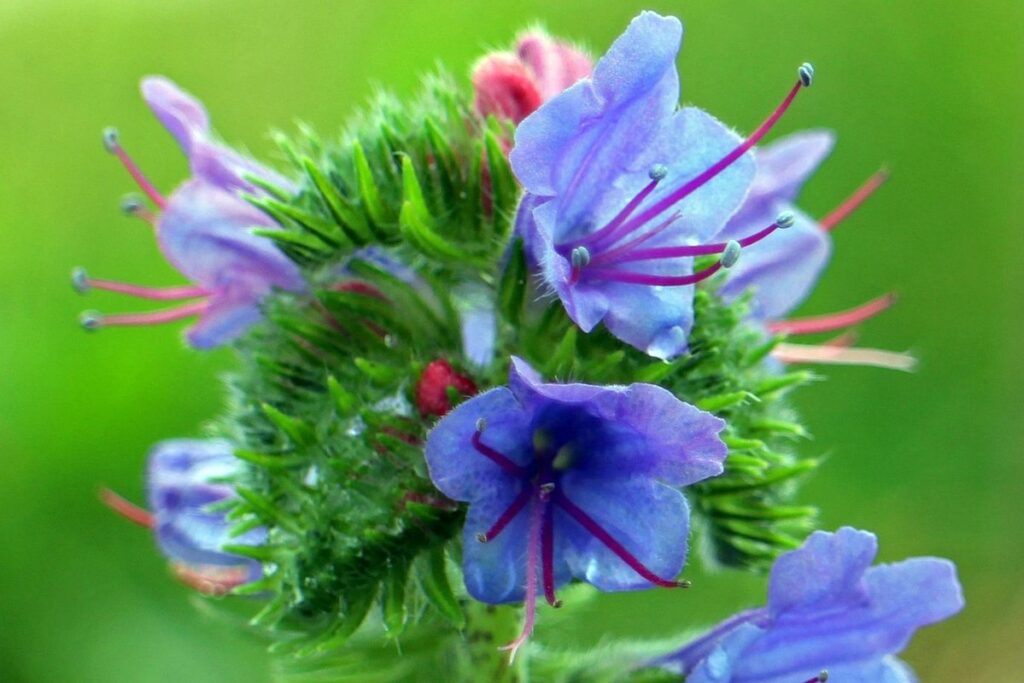
What is a Snake Flower?
So, what exactly is a snake flower, and where does its unique name come from? Let’s dive into the basics of this fascinating bloom.
What are Snake Flowers in Botanical Terms?
In botanical terms, snake flowers belong to the Gloriosa genus, which comprises 12 species of flowering plants native to tropical and subtropical regions. These unique flowers are characterized by their distinctive, curved sepals that resemble a snake’s hood, hence their common name. From a classification standpoint, snake flowers fall under the family Colchicaceae, with some sources placing them in the more specific tribe Gloriosae.
One of the most striking features of snake flowers is their unique flower structure. The blooms consist of six or eight curved sepals that are often bright red, orange, or yellow in color, while the true flowers, which produce nectar and pollen, are usually hidden within the center. This unusual arrangement allows the plant to attract pollinators, such as bees and butterflies, with its showy, serpent-like appearance.
If you’re interested in growing snake flowers, be aware that they prefer well-draining soil and partial shade to full sun. They also require a certain level of humidity, making them suitable for tropical and subtropical climates. With proper care, these exotic-looking plants can add a striking element to your garden or indoor space.
Common Names and Variations
If you’re new to snake flowers, you might be surprised by the variety of names they go by. In different regions and cultures, this beautiful flower is known as the Gloriosa, Flame Lily, Tiger’s Claw, or even the Fire Lily. The most common name associated with it, however, is the Snake Flower.
This variation in naming stems from its unique appearance and characteristics. With six petals that resemble curved claws, the snake flower’s striking design has captivated many. The genus Gloriosa itself encompasses a range of species, some of which are known to exhibit variations such as white flowers with yellow markings or red hues. These subtle differences highlight the diversity within this plant.
When trying to identify a snake flower, consider its native habitats and climates. Some species thrive in tropical regions, while others prefer subtropical environments. This understanding will help you navigate the various names and categorizations associated with the snake flower.
Symbolism and Meaning of Snake Flowers
Let’s dive into the symbolism and meaning behind these beautiful flowers, which often carry hidden messages and emotions for those who give or receive them. Understanding their significance can add depth to your relationships.
Ancient Cultures and Myths
In ancient cultures, snake flowers were often associated with mysticism and spiritual significance. The Aztecs, for example, revered the snake flower as a symbol of rebirth and regeneration, believing it had healing properties that could ward off evil spirits. Similarly, in ancient China, the snake flower was considered a harbinger of good fortune and prosperity.
In many myths and legends, the snake flower is also linked to transformative powers. In Greek mythology, the serpent-entwined flower was said to have been created by the goddess Hera, representing her union with Zeus. This mythological connection highlights the snake flower’s association with fertility, abundance, and spiritual growth.
If you’re looking to tap into the symbolic significance of the snake flower in your own life, consider its transformative potential as a catalyst for renewal and self-discovery. By embracing the snake flower’s mystical energy, you can unlock new perspectives on challenges and invite positive change into your life.
Modern Interpretation and Significance
In modern times, the snake flower has transcended its traditional associations to become a symbol of sophistication and elegance. Its unique appearance and versatility have made it a popular choice for contemporary art and design. Many artists incorporate the snake flower into their work as a representation of transformation and renewal, reflecting its ability to thrive in challenging environments.
In interior design, the snake flower is often used to add a touch of exoticism and mystery to spaces. Its slender shape and delicate petals create a sense of balance and harmony, making it an excellent choice for modern living rooms, offices, or bedrooms. When choosing a snake flower arrangement, consider pairing it with metallic accents or monochromatic colors to amplify its visual impact.
The snake flower’s significance extends beyond aesthetics; it has also become a metaphor for resilience and adaptability in the face of adversity. As such, it serves as a poignant reminder of our ability to navigate life’s challenges with grace and poise.
Care and Cultivation of Snake Flowers
To bring out the best in your snake flowers, you’ll want to learn how to properly care for them, from watering habits to pruning techniques. Proper cultivation will keep these beautiful blooms thriving.
Lighting and Temperature Requirements
To ensure your snake flowers thrive, it’s essential to provide them with optimal growing conditions. Lighting and temperature requirements play a crucial role in their overall health and bloom production.
Snake flowers prefer bright, indirect light but can tolerate partial shade. Direct sunlight can cause the leaves to become scorched, so an east- or west-facing window is ideal. If you’re growing your snake flowers indoors, place them 2-3 feet away from a south-facing window with a sheer curtain for filtered light.
Temperature-wise, snake flowers prefer daytime temperatures between 65°F (18°C) and 75°F (24°C). Nighttime temperatures can be slightly cooler, around 55°F (13°C) to 65°F (18°C). Avoid placing your snake flowers near heating or cooling vents, fireplaces, or drafty windows. Keep in mind that sudden temperature fluctuations can stress the plant and affect blooming.
By meeting these lighting and temperature requirements, you’ll be well on your way to growing healthy, vibrant snake flowers that will bring beauty and joy to your space for months to come.
Watering and Soil Needs
To ensure your snake flower thrives, it’s essential to understand its watering and soil needs. These delicate plants prefer well-draining soil that’s rich in organic matter. Avoid using regular potting mix, as it can retain too much water and cause root rot.
A mix of peat moss, perlite, or vermiculite will provide the right balance for your snake flower’s roots to breathe. Water your plant sparingly, allowing the top inch of soil to dry out between waterings. Overwatering is a common mistake that can lead to root decay and other problems.
During the spring and summer months when your snake flower is actively growing, you may need to water it more frequently – about once a week. However, during the fall and winter when growth slows down, reduce watering to every 10-14 days. Keep an eye on the plant’s leaves; if they start to wilt or turn yellow, it’s likely a sign that the soil needs more moisture.
Keep in mind that snake flowers prefer slightly acidic to neutral soil pH, ranging from 6.0 to 7.0. Test your soil regularly and adjust as necessary to ensure optimal growing conditions.
Pests and Diseases to Watch Out For
Snake flowers are relatively low-maintenance plants, but they’re not immune to pests and diseases. Some common issues you may encounter include aphids, whiteflies, and spider mites, which can be controlled with insecticidal soap or neem oil. Mealybugs and scale insects also pose a threat, particularly in dry environments. Regularly inspecting your plant for these unwanted visitors is key.
Diseases to watch out for include root rot caused by overwatering, which can lead to yellowing leaves and blackened stems. To prevent this, make sure the pot has good drainage holes and only water when the soil feels dry. Leaf spot diseases like powdery mildew or rust can be treated with a fungicide, but preventing them is easier: keep your snake flower in bright, well-ventilated areas and avoid getting water on the leaves.
By being proactive about pest control and disease prevention, you can enjoy your beautiful snake flower for months to come.
Uses and Benefits of Snake Flowers
You’re probably wondering what you can do with a snake flower beyond admiring its striking blooms, and we’re here to share some surprising uses. From decorative arrangements to medicinal properties, let’s explore its practical applications.
Aesthetic Value and Decoration
Snake flowers can add an extra layer of meaning to decorative arrangements due to their unique shape and symbolism. In cut flower arrangements, they can serve as a stunning focal point when paired with greenery like eucalyptus or ferns. Consider pairing the snake flower’s vibrant colors with monochromatic blooms for a harmonious contrast.
When using snake flowers in garden design, consider them as a statement piece to draw the eye towards specific areas of the yard. You can plant them in clusters near water features or along pathways to create visual interest. Their tall stalks and unique blooms also make them an excellent choice for adding height and drama to garden beds.
Incorporating snake flowers into your decorative arrangements or garden design not only adds beauty but also conveys their symbolic meaning, making it a thoughtful way to express personal style and values.
Medicinal and Culinary Applications
Snake flowers have been used for centuries in traditional medicine to treat various ailments. In ancient China, snake flowers were used to reduce fever and alleviate pain. The plant’s roots contain compounds that have anti-inflammatory properties, making it a popular ingredient in herbal remedies. In modern times, snake flower extracts are used in some medications to reduce inflammation and improve wound healing.
In addition to its medicinal uses, snake flowers are also prized for their culinary applications. The leaves and stems can be used in salads or as a garnish, adding a delicate flavor and aroma to dishes. Snake flowers are often paired with citrus fruits like lemons and oranges to create unique and refreshing flavors. In some cultures, the plant’s roots are roasted and used as a coffee substitute.
Historically, snake flowers were also used as a natural dye for fabrics, giving them a vibrant yellow color. Today, snake flower extracts are being studied for their potential antioxidant properties, which could lead to new applications in food preservation and pharmaceuticals. When using snake flowers in cooking or medicine, it’s essential to note that the plant can cause skin irritation in some individuals, so handle with care and follow proper preparation guidelines.
Toxicity and Precautions
When working with snake flowers, it’s essential to be aware of their potential toxicity and take necessary precautions to avoid harm. We’ll explore these important considerations in more detail below.
Handling and Ingestion Risks
When handling snake flowers, it’s essential to be aware of their potential toxicity. While not typically life-threatening, ingesting any part of the plant can cause gastrointestinal issues and allergic reactions in some individuals.
The leaves and stems contain a milky sap that contains caustic properties, which can irritate skin and mucous membranes if handled carelessly. To minimize risks, wear gloves when pruning or handling the plant, and avoid touching your face or eyes after contact with the sap.
Ingesting snake flowers can cause symptoms such as nausea, vomiting, diarrhea, and abdominal pain within 30 minutes to an hour of consumption. If you accidentally ingest any part of the plant, drink plenty of water to stay hydrated, and consider consulting a healthcare professional if symptoms persist.
To ensure safe handling and ingestion, it’s crucial to keep snake flowers out of reach of children and pets. Avoid eating or tasting the flowers, even in small amounts, as this can still lead to adverse reactions. By taking these precautions, you can appreciate the beauty and symbolism of snake flowers while minimizing potential risks associated with their toxicity.
Allergic Reactions and Sensitivity
While the snake flower is generally considered safe for use, some individuals may experience allergic reactions or sensitivities after exposure to its oils, extracts, or even just being around it. If you’re someone who’s prone to allergies or skin irritation, it’s essential to exercise caution when handling snake flowers.
Some possible symptoms of an allergic reaction include redness, itching, swelling, and blistering on the skin. In more severe cases, exposure can lead to respiratory issues, such as congestion, coughing, or shortness of breath. If you notice any of these symptoms after using snake flower products or being around them, discontinue use immediately and consult a healthcare professional for advice.
To minimize potential risks, always perform a patch test on a small area of skin before using any snake flower product. This simple step can help identify any adverse reactions and prevent more severe issues from arising. Additionally, when working with snake flowers, be sure to wear gloves to avoid direct contact with the oils or sap, which can cause irritation in some individuals.
Varieties and Cultivars of Snake Flowers
The snake flower comes in a stunning array of varieties, each with its own unique characteristics and growth habits. Let’s take a closer look at some of these fascinating cultivars!
Species-Specific Characteristics
Within the Gloriosa genus, several species of snake flowers stand out for their unique characteristics and traits. The Gloriosa superba is a popular variety known for its striking red-and-yellow markings, which can vary depending on factors like climate and soil quality. This adaptable plant has also been observed to thrive in a range of lighting conditions, from partial shade to full sun.
The Gloriosa rothschildiae, also known as the ‘Red Flame’, boasts vibrant red petals with distinctive yellow markings at their base. This species is often used in cut flower arrangements due to its long-lasting blooms and ability to add a pop of color to any arrangement.
When choosing a variety of snake flowers for your garden or floral arrangements, consider factors like climate, soil quality, and desired bloom colors. For instance, the Gloriosa superba prefers well-draining soil and partial shade, while the Gloriosa rothschildiae can tolerate full sun and a range of soil types. By selecting a species that suits your specific needs and environment, you’ll be able to enjoy these stunning flowers at their best.
Breeding and Hybridization Efforts
Breeding and hybridization efforts have been underway for years to create new varieties of snake flowers that meet various needs and preferences. Breeders aim to combine desirable traits such as vibrant colors, robust growth habits, and improved fragrance to create unique cultivars. One notable success story is the development of the ‘Sunset’ variety, which boasts striking orange-red hues with yellow centers.
However, challenges arise when breeding snake flowers. For instance, some hybrids may lack the signature dark stripes or exhibit weaker fragrances. To overcome these issues, breeders employ various techniques such as grafting and tissue culture to preserve desired traits while introducing new characteristics.
Some cultivars have been specifically bred for indoor growing conditions, offering compact growth habits and reduced maintenance requirements. These varieties are perfect for urban gardeners who want to enjoy the beauty of snake flowers without the need for extensive outdoor space. To try your hand at breeding or selecting a new variety, look for nurseries that specialize in exotic flowers and consult with experienced growers to learn about the latest developments and best practices.
Frequently Asked Questions
Can I grow snake flowers indoors, considering their tropical origins?
Yes, with proper care, you can successfully cultivate snake flowers indoors. Ensure the temperature remains between 65-75°F (18-24°C), and maintain high humidity levels to mimic their natural habitat. Use a well-draining potting mix, and avoid overwatering to prevent root rot.
How do I handle potential allergic reactions or sensitivity when working with snake flowers?
If you experience any skin irritation, itching, or respiratory issues while handling snake flowers, discontinue use immediately. Wash your hands thoroughly, and consider wearing gloves for protection. If symptoms persist, consult a medical professional for guidance.
Can I use snake flower extracts or oils for medicinal purposes without proper training or expertise?
No, it’s not advisable to use snake flower extracts or oils for medicinal purposes without proper training or expertise. While the plant has been used in traditional medicine, its usage can be complex and potentially hazardous if mishandled. Consult a qualified practitioner or healthcare professional before exploring medicinal applications.
How do I propagate snake flowers from seed, considering their specific requirements?
To propagate snake flowers from seed, start by soaking the seeds in warm water for 24 hours. Plant them about 1/4 inch deep in a well-draining potting mix, and maintain temperatures between 75-85°F (24-29°C) with high humidity levels. Keep the soil consistently moist but not waterlogged to encourage germination.
Can I combine snake flowers with other plants in my garden or decor without affecting their symbolism or meaning?
Yes, you can pair snake flowers with other plants to create visually appealing arrangements while maintaining their symbolic significance. However, be mindful of potential cultural associations and meanings that might be lost when combining flowers from different traditions or regions. Research the symbolism of each plant to ensure a harmonious blend.