
Are you looking for ways to boost your nutrient intake without sacrificing flavor? Chard is an incredibly versatile leafy green that deserves a spot in your kitchen. With its high vitamin and mineral content, chard is a superfood that can elevate any meal. But let’s face it – preparing and cooking chard can seem intimidating if you’re not sure where to start. Don’t worry, we’ve got you covered! In this article, we’ll show you how to select the best chard, prepare it for maximum nutritional benefits, and cook it using various methods that bring out its delicious flavor. From sautéing and steaming to soups and salads, we’ll share recipe ideas to get you started on incorporating chard into your diet and reaping its numerous health rewards.
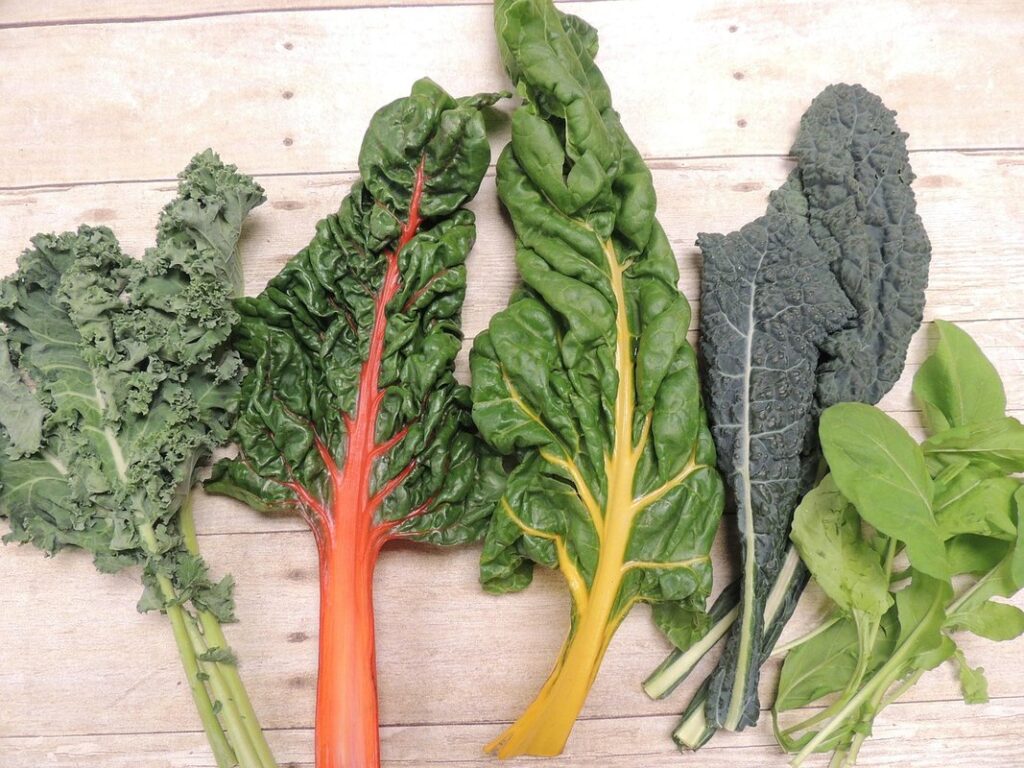
Understanding Chard and Its Nutritional Benefits
Chard is a nutrient-dense superfood, packed with vitamins A, C, and K, as well as minerals that can greatly benefit your health. Let’s dive into its unique nutritional benefits.
What is Chard?
Chard is a nutrient-dense leafy green vegetable that has been a staple in many cuisines for centuries. Its botanical name is Beta vulgaris, and it’s part of the beet family. In fact, chard is often referred to as Swiss chard or simply beet greens. Despite its similarities with beets, chard is a distinct crop that originated from the Mediterranean region.
Chard has been cultivated since ancient times for its edible leaves, stems, and roots. It was highly valued by the Romans and Greeks, who used it as a medicinal herb to treat various ailments. Today, chard is enjoyed worldwide for its versatility and nutritional benefits. With over 200 varieties grown globally, chard is available in different colors, shapes, and sizes.
To get the most out of your chard, choose fresh bunches with crisp leaves and no signs of wilting. Store them in a sealed bag or container to maintain their freshness. When cooking chard, it’s essential to use the right amount of water and heat to bring out its natural sweetness without overcooking the delicate leaves.
Nutritional Profile of Chard
Chard is an exceptional superfood due to its rich nutritional profile. It’s a powerhouse of essential vitamins and minerals that contribute to maintaining optimal health. A 1-cup serving of cooked chard contains an impressive 204% of the daily recommended intake of vitamin K, making it one of the richest plant-based sources.
Chard is also a significant source of antioxidants like beta-carotene and lutein, which play crucial roles in protecting cells from oxidative damage and supporting eye health. It’s also rich in manganese, copper, magnesium, and iron – all vital minerals for maintaining healthy bones, immune function, and blood cell production.
The vitamin C content in chard is noteworthy as well, with a single serving providing approximately 10% of the daily recommended intake. This essential nutrient supports immune function and plays a role in collagen synthesis. When consumed regularly, chard can help combat oxidative stress, reduce inflammation, and promote overall well-being.
Health Benefits of Eating Chard
Eating chard can have a significant impact on our overall health and wellbeing. One of the key benefits is its ability to reduce inflammation in the body. Chard contains a variety of anti-inflammatory compounds, including flavonoids and carotenoids, which have been shown to decrease inflammation and alleviate symptoms associated with conditions such as arthritis.
In addition to reducing inflammation, chard also has a positive effect on digestion. It’s high in fiber, which can help regulate bowel movements and prevent constipation. The vitamin K content in chard also supports the health of the gut microbiome, promoting a balanced digestive system. To maximize these benefits, be sure to cook your chard lightly, as overcooking can destroy some of its delicate nutrients.
Some other potential health benefits associated with eating chard include reducing oxidative stress and improving cardiovascular health. With its high levels of vitamins A, C, and K, chard is a nutrient-dense food that should be incorporated into your diet regularly. Whether steamed, sautéed, or added to smoothies, incorporating more chard into your meals can have a positive impact on both physical and mental wellbeing.
Choosing the Right Type of Chard
When selecting chard for your next meal, it’s essential to know which type will yield the best flavor and texture. From Swiss chard to rainbow chard, each variety has its unique characteristics.
Differences Between Swiss Chard and Other Varieties
When it comes to choosing the right type of chard, understanding the differences between various varieties can make all the difference. Swiss chard is one of the most popular types, but it’s not the only option available. Other common types of chard include beet greens, rainbow chard, and spinach chard.
One key distinction between these varieties is their flavor profile. For instance, beet greens have a slightly sweet and earthy taste, while Swiss chard has a milder, more neutral flavor. Rainbow chard, on the other hand, boasts a burst of color and a slightly bitter taste. The texture also varies significantly between types – beet greens are typically tougher and more fibrous than Swiss chard.
When deciding which type to use in your cooking, consider what you’re looking for in terms of taste and texture. If you want a milder flavor, Swiss chard might be the way to go. However, if you’re looking for something with a bit more pizzazz, rainbow chard or beet greens could be a better choice.
Factors to Consider When Selecting Chard at the Grocery Store
When selecting chard at the grocery store, there are several factors to consider to ensure you’re getting fresh and high-quality leaves. First, inspect the leaves for any signs of damage or bruising. Avoid bunches with wilted or yellowing leaves, as these can be a sign of age or poor handling. Also, check the color – true chard should have bright green leaves with no white or purple spots.
Next, take a closer look at the stems. They should be firm and slightly tender to the touch. If they’re too soft or mushy, it’s likely due to over-ripening. Make sure the bunch is not tied too tightly, as this can cause damage to the leaves and make them more prone to spoilage.
In addition to these visual checks, also consider the freshness of the chard by gently squeezing the stems. If they yield easily, they’re likely fresh and ready for use in cooking. Fresh chard typically has a crisp texture that’s slightly bitter. By choosing bunches with healthy leaves and firm stems, you’ll be able to enjoy your chard dishes at their best.
Preparing Chard for Cooking
Before cooking, it’s essential to prepare chard properly to remove any bitterness and make its delicate flavor shine through. This process involves a few simple steps that you can easily follow at home.
Cleaning and Washing Chard
Cleaning and washing chard leaves and stems is an essential step before cooking to ensure food safety and bring out its natural flavors. Start by rinsing the bunch under cold running water to remove any dirt or debris that may be clinging to the leaves and stems.
Next, gently pat the leaves dry with a clean towel to remove excess moisture. This will help prevent sogginess when cooking. For the stems, you can peel them using a vegetable peeler to reveal their tender interior. Remove any tough or woody parts from the base of the stem, as they can be bitter and unpleasant.
To wash individual leaves, submerge them in a large bowl of cold water, swishing them around to loosen any dirt. Then, lift the leaves out and gently shake off excess water. For stubborn stains or grit, you can soak the leaves in a solution of 1 part white vinegar to 2 parts water for about 10 minutes before rinsing.
Remember to wash your hands thoroughly after handling chard to prevent cross-contamination. Now that your chard is clean and prepped, it’s ready to be cooked into a delicious meal!
Removing Stems and Leaves
When it comes to preparing chard for cooking, one of the most crucial steps is removing stems and leaves. This may seem like a daunting task, but don’t worry, with a few simple techniques, you’ll be a pro in no time.
To remove the stems from Swiss chard, you can simply pull them off by hand or use kitchen shears to snip them close to the base of the leaf. For curly-leafed varieties like rainbow chard, you may need to trim the stems more carefully to avoid damaging the delicate leaves.
When it comes to removing the leaves themselves, you have a few options depending on the desired recipe. If you’re making a hearty stew or braise, you can leave the leaves whole and simply chop them into larger pieces. For salads or sautéed dishes, however, it’s best to cut the leaves into smaller strips or tear them into bite-sized pieces.
Remember, the key is to remove any tough or woody parts from the stems and leaves before cooking, as these can be bitter and unpleasant to eat. With a little practice and patience, you’ll be able to remove stems and leaves with ease and enjoy your chard in all its delicious forms.
Cooking Methods for Chard
Whether you’re a seasoned chef or a beginner in the kitchen, learning how to cook chard is easier than you think. This section will walk you through various methods to prepare this nutritious leafy green.
Steaming Chard
Steaming chard is an excellent way to cook this nutrient-dense leafy green while retaining its flavor and nutrients. To start, choose fresh bunches of chard with vibrant colors and no signs of wilting. Rinse the leaves thoroughly, removing any dirt or debris.
Next, fill a pot with 2-3 inches of water and bring it to a boil. Reduce the heat to low and place a steamer basket over the pot. Add the cleaned chard leaves to the steamer basket in batches if necessary, making sure they don’t overlap. Cover the pot with a lid to trap the steam.
Steam the chard for 3-5 minutes or until it reaches your desired level of tenderness. You can check by inserting a fork into the leaves – if it slides in easily, it’s done. Remove the steamer basket from the pot and transfer the cooked chard to a serving dish. Season with salt, pepper, or lemon juice as needed.
To preserve its nutrient content, make sure not to overcook the chard. Steaming retains more nutrients than boiling or sautéing, especially water-soluble vitamins like vitamin C and B vitamins. Enjoy your steamed chard as a side dish or add it to salads, pasta dishes, or smoothies for an extra nutritional boost.
Roasting Chard
Roasting chard is one of the most popular ways to prepare this nutritious leafy green. It’s incredibly easy and brings out the best flavors in the vegetable. To start, preheat your oven to 425°F (220°C). Next, choose a large baking sheet or roasting pan, making sure it can accommodate all the chard leaves in a single layer.
Rinse the chard thoroughly, removing any dirt or debris from the stems and leaves. Pat dry with paper towels to remove excess moisture, which will help prevent steaming instead of roasting. Now, sprinkle your favorite seasonings over the chard leaves – garlic powder, salt, pepper, dried herbs like thyme or oregano work beautifully. Drizzle a bit of olive oil to bring everything together.
For temperature control, aim for 15-20 minutes in the oven. This will allow the chard to reach perfect tenderness while still retaining some crunch. Check on it halfway through and gently toss the leaves to ensure even cooking. You’ll know it’s done when the edges start to crisp up and the color deepens.
Some popular seasoning combinations for roasted chard include lemon zest, minced garlic, or red pepper flakes – feel free to experiment!
Sauteing or Stir-Frying Chard
Sauteing or stir-frying chard is an excellent way to quickly cook this versatile green. To start, heat a tablespoon of oil in a pan over medium-high heat. You can use any neutral-tasting oil like vegetable or peanut oil, but olive oil works well too. Once the oil is hot, add minced garlic and saute for about 30 seconds until fragrant.
Next, add sliced onions and cook until they’re translucent, about 3-4 minutes. This step adds a depth of flavor to your chard dish that’s hard to beat. Now it’s time to add the chopped chard leaves to the pan. Cook until they start to wilt, stirring occasionally, then reduce heat to medium-low.
The key is to cook the chard quickly to preserve its nutrients and texture. You can also add aromatics like ginger or lemongrass for extra flavor. Use a wok if you have one – it’s ideal for stir-frying chard due to its large, curved surface area. Stir-frying with aromatics and oils is an easy way to make chard shine in your meals.
Using Chard in Recipes
Now that you’re familiar with the different types of chard, let’s dive into some tasty ways to use it in your favorite recipes and meals.
Incorporating Chard into Salads
When it comes to incorporating chard leaves into salads, the possibilities are endless. Start by selecting the right variety of chard – Swiss chard and rainbow chard work particularly well due to their mild flavor and vibrant colors. Begin with a basic green salad recipe and add chopped chard leaves towards the end of preparation. This ensures that they retain their crunch and texture.
Consider pairing your chard with complementary flavors such as citrus-herb vinaigrettes, spicy harissa dressings, or rich balsamic glazes. Don’t be afraid to get creative with toppings – crumbled feta cheese, toasted pine nuts, or chopped fresh herbs like parsley or dill can add depth and visual appeal to your salad.
Some specific ideas to try include a classic Greek-inspired combination of chard, feta, olives, and sun-dried tomatoes, or a more adventurous mix of roasted sweet potatoes, chard, and tahini dressing. Experiment with different seasoning combinations to find the perfect harmony for your taste buds.
Adding Chard to Soups and Stews
Adding cooked or raw chard to soups and stews is an excellent way to boost their nutritional value and flavor. Chard’s slightly bitter taste pairs well with the richness of beef or lamb stews, while its earthy sweetness complements vegetable-based soups.
When adding cooked chard to soups and stews, consider a few tips: start by sautéing it in a little olive oil until wilted, then add it towards the end of cooking time to retain its nutrients. This way, you’ll infuse your soup or stew with chard’s subtle flavor without sacrificing texture.
You can also use raw chard in soups and stews for added nutrition. Simply chop it finely and add it to the pot during the last 10-15 minutes of cooking. Chard will cook down quickly and blend in seamlessly with other ingredients. For example, try adding a handful of chopped raw chard to your favorite minestrone or lentil soup for an instant nutritional boost.
Some popular options include adding cooked chard to:
* Classic beef stew
* Vegetable-based soups like minestrone or creamy broths
* Hearty stews featuring lamb or game meats
Experiment with different combinations and find the perfect balance of flavors for your taste.
Using Chard as a Side Dish
Chard makes an excellent side dish when roasted or steamed, and its versatility allows it to be paired with a variety of proteins and other vegetables. To get started, try steaming the chard until tender, then tossing it with olive oil, salt, and pepper for added flavor.
For a more substantial side dish, consider roasting the chard in the oven with some aromatics like garlic, lemon juice, or red pepper flakes. This method brings out the natural sweetness of the chard, making it a delicious accompaniment to grilled meats or roasted vegetables.
Some popular pairing options include steamed chard with roasted chicken, pan-seared salmon, or sautéed mushrooms and bell peppers. When roasting, try combining the chard with other vegetables like Brussels sprouts, carrots, or sweet potatoes for a colorful and well-rounded side dish. Experiment with different seasonings and herbs to find your favorite combinations and enjoy chard as a tasty and nutritious addition to your meals.
Frequently Asked Questions
Can I use chard in place of other leafy greens in my favorite recipes?
Yes, you can substitute chard for kale or spinach in many recipes, but keep in mind that its slightly sweeter flavor and chewier texture may affect the overall taste. Start with smaller amounts and adjust to taste.
How do I store leftover cooked chard to preserve its nutritional benefits?
Store cooked chard in an airtight container in the refrigerator for up to 3 days. You can also freeze it for later use by blanching first, then placing it in a freezer-safe bag or container. When reheating, add a squeeze of lemon juice to maintain color and nutrients.
Can I grow my own chard at home, and what are the ideal growing conditions?
Yes, chard is relatively easy to grow, and it prefers well-drained soil with full sun (at least 6 hours of direct sunlight). It’s also tolerant of cooler temperatures, making it a great choice for spring or fall gardens. Be sure to provide adequate water and fertilize regularly for optimal growth.
How do I prevent chard from becoming too bitter when cooking?
Bitterness in chard can be caused by overcooking or using older leaves. To minimize bitterness, sauté chard quickly with garlic and lemon juice, and use younger, more tender leaves whenever possible. Avoid overwatering your plants, as this can also contribute to bitterness.
Can I cook chard with its stems intact, or do they need to be removed?
You can cook chard with its stems attached, but the texture may not be ideal for all recipes. If you prefer a more tender stalk-free experience, simply remove the stems and use them in soups or stews where texture isn’t a concern.