
The majestic jade plant – its lush green leaves are a staple in many homes, but did you know that these resilient plants can also produce beautiful white blooms? Unfortunately, inducing your jade plant to flower can be a challenging task, and it’s not uncommon for enthusiasts to feel frustrated by the lack of results. The truth is, jade plant flowers are relatively rare, making them all the more special when they do appear. But with the right knowledge and care, you too can encourage your jade plant to bloom and enjoy its stunning white flowers. In this article, we’ll delve into the secrets of promoting flowering in jade plants, from understanding their unique needs to practical tips for post-bloom care.
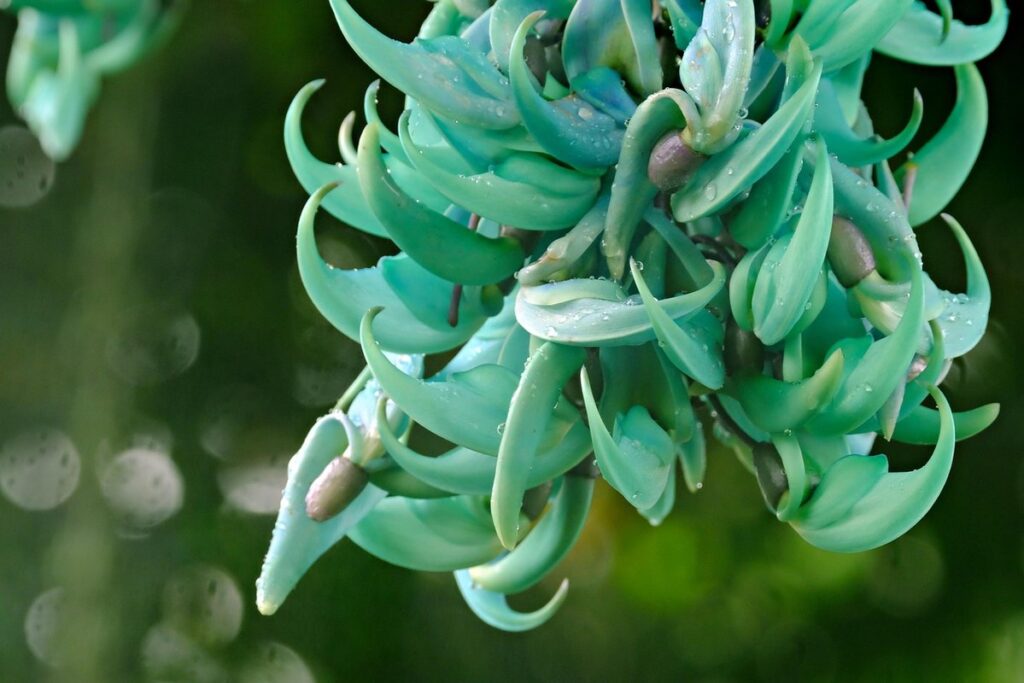
What is a Jade Plant Flower?
The moment of truth has finally arrived – we’re going to dive into what that mysterious bloom actually looks like and how it grows on your jade plant! We’ll explore its unique characteristics up close.
Overview of the Jade Plant
The jade plant is one of the most popular and low-maintenance indoor plants out there, and it’s no wonder why. With its beautiful, delicate white flowers and thick, fleshy leaves, it adds a touch of elegance to any room. But beyond its aesthetic appeal, the jade plant has been gaining popularity for its easy-going nature – it can thrive in a variety of lighting conditions, from bright to low light, making it perfect for spaces with limited natural light.
In fact, one of the reasons why the jade plant is such a favorite among indoor gardeners is because it’s incredibly forgiving. It can survive with infrequent watering and doesn’t require a lot of pruning or maintenance. This makes it an ideal choice for busy people who want to bring some greenery into their homes without the hassle.
Whether you’re a seasoned gardener or a newcomer to the world of plants, the jade plant is definitely worth considering. With its versatility and low-maintenance requirements, it’s a great addition to any indoor space – and with the right care, it can even bloom beautiful white flowers for months on end!
Types of Jade Plants
Jade plants come in several varieties, each with its unique characteristics. One of the most common types is the Chinese Evergreen (Aglaonema modestum), which has beautiful silver and green leaves. While it’s not a true jade plant, it’s often confused with one due to its similar appearance. Another popular variety is the Dwarf Jade (Portulacaria afra), also known as Elephant Bush or Dwarf Bottlebrush Plant.
The Dwarf Jade is a compact, low-maintenance option that thrives in indoor conditions. It has small, rounded leaves and can grow up to 6 feet tall when given enough space. On the other hand, the Chinese Evergreen is more adaptable and tolerates a range of lighting conditions. This plant is also known for its ability to purify the air by removing pollutants such as benzene and formaldehyde.
Other less common varieties include the Jade Plant (Crassula ovata), which has thick, fleshy leaves that store water, allowing it to survive in dry environments. The Pachypodium ‘Petersiana’ is another unique variety with striking, white tubular flowers. When choosing a jade plant, consider factors like your climate and available space to ensure you pick the right type for your needs.
Understanding the Rarity of Jade Plant Flowers
You’ve probably noticed that your jade plant rarely, if ever, blooms, and when it does, it’s a rare treat. In this section, we’ll explore why its flowers are so scarce and what you can do to encourage them.
Why Do Jade Plants Rarely Bloom?
When it comes to jade plants, one of the most frustrating things for many enthusiasts is the rare occurrence of flowers. It’s not uncommon for these low-maintenance plants to go years without producing a single bloom, leaving some owners wondering if they’ll ever get to see this special sight.
There are several reasons why jade plants rarely flower. For one, climate plays a significant role. Jade plants prefer cooler temperatures between 55°F and 75°F (13°C and 24°C), but if your area experiences extreme heat or cold, it can negatively impact flowering. Additionally, poor soil quality can also hinder the plant’s ability to produce flowers. A well-draining potting mix with adequate nutrients is essential for jade plants to thrive.
Another crucial factor is pollination. Jade plants rely on proper pollination to set seed, and without it, they may not produce flowers at all. Unfortunately, indoor conditions often lack the necessary pollinators like bees and butterflies that would normally facilitate this process. To encourage your jade plant to bloom, try providing a warm and humid environment with plenty of indirect light, using a high-quality potting mix, and avoiding over-watering or under-watering.
The Role of Light in Flower Induction
When it comes to inducing flowering in jade plants, light exposure plays a significant role. Jade plants require a period of cooler temperatures and shorter daylight hours to produce flowers. By simulating this natural process, you can encourage your jade plant to bloom.
To create a suitable environment for flower induction, start by reducing the amount of direct sunlight your jade plant receives. This can be achieved by placing it in a spot with filtered or indirect light. You can also use sheer curtains or blinds to diffuse the sun’s rays and prevent scorching.
In addition to reduced light exposure, make sure to maintain temperatures between 50°F and 60°F (10°C and 15°C) for several weeks before attempting to induce flowering. This will signal to your plant that it’s time to bloom.
By manipulating these conditions, you can give your jade plant the best chance to produce flowers. Keep in mind that even with proper care, flowering is not guaranteed, but with patience and persistence, you may be rewarded with beautiful blooms.
Identifying the Stages of Jade Plant Flower Development
To grow a stunning jade plant flower, you need to understand its unique development process. This section will walk you through the distinct stages of bloom formation.
Pre-Flowering Signs and Symptoms
As you nurture your jade plant, it’s essential to recognize the subtle signs that indicate flowering is imminent. Before a new bloom emerges, your plant will exhibit distinct changes in its growth patterns and leaf coloration.
Notice if your jade plant’s leaves are starting to fade from their vibrant green hue to a lighter, more yellowish tone. This gradual change in color can be a sign that the plant is preparing for flowering. Observe the growth rate of new leaves; they may appear slightly larger or thicker than usual, which can indicate that the plant is diverting energy towards flowering.
Another pre-flowering symptom is stem thickening. The stalks of your jade plant may begin to swell and become more robust as the plant prepares for blooming. Be mindful of these changes, as they signal that your plant is on the cusp of producing its beautiful flowers.
Keep in mind that not all jade plants will exhibit these signs before flowering. However, being attentive to these subtle cues can help you anticipate and appreciate the upcoming bloom.
The Actual Flowering Process
When a jade plant finally blooms, it’s a truly magical experience. But have you ever wondered what happens during this process? Let’s dive into the details of the actual flowering process.
Bloom timing can vary greatly depending on factors such as climate, soil quality, and overall health of the plant. Typically, a mature jade plant (at least 5-7 years old) will produce a single stem with multiple buds at its tip. This usually occurs in late winter or early spring, but it can also happen in other seasons depending on your location.
When the bloom finally opens, you’ll notice that each flower is relatively small, about 1-2 inches across, and delicate in appearance. However, what’s truly remarkable is their fragrance – it’s often described as sweet, yet subtle, and reminiscent of honeysuckle or jasmine. Keep in mind that some jade plants may not have a strong scent at all, so don’t worry if you don’t detect anything.
As for the lifespan of the bloom, it usually lasts anywhere from 2-6 weeks, depending on various conditions. After the flowers fade, they’ll turn into seed pods, which contain tiny black seeds that can be used to propagate new plants.
Tips for Encouraging Jade Plant Flowers
If you’re eager to coax those beautiful flowers out of your jade plant, follow these expert tips for encouraging blooms. With a little patience and TLC, you’ll be rewarded with stunning white blossoms.
Environmental Adjustments
When it comes to encouraging your jade plant to bloom, making some environmental adjustments can make all the difference. Temperature and humidity are two of the most critical factors that impact flowering. Most jade plants prefer daytime temperatures between 65-75°F (18-24°C) and nighttime temperatures around 55-65°F (13-18°C). Avoid placing your plant near heating or cooling vents, fireplaces, or drafty windows.
Humidity is also crucial for jade plant flowers. Maintain a humidity level of at least 50%, but ideally between 60-70%. You can achieve this by placing the pot on a tray filled with water and pebbles or using a humidifier nearby. Be cautious not to overwater, as this can lead to root rot.
As for fertilization, use a balanced, water-soluble fertilizer (20-20-20) during the growing season (spring-fall). Dilute the fertilizer to half the recommended strength to avoid burning your plant’s roots. Avoid feeding your jade plant during the winter months when it’s dormant.
Pruning Techniques for Healthy Growth
Pruning is an essential technique for encouraging healthy growth and potentially leading to blooming jade plants. When done correctly, pruning not only maintains the plant’s shape but also promotes a robust root system, which is crucial for flowering.
To begin with, inspect your jade plant carefully, removing any dead or damaged leaves to prevent the spread of disease. This will also encourage new growth and help your plant focus its energy on producing flowers.
Next, reduce overgrown branches by cutting them back about one-third from their tips. Make clean cuts just above a node (where a leaf meets the stem), as this helps the plant heal quickly and minimizes the risk of infection. Avoid cutting too much at once, as this can shock the plant.
By incorporating pruning into your jade plant care routine, you’ll be well on your way to encouraging healthy growth and increasing the chances of those elusive flowers.
Care and Maintenance for Post-Flowering Plants
Now that your jade plant has bloomed, it’s essential to provide extra care to encourage new growth, as the focus shifts from flowering to leafy green production. We’ll cover the necessary steps for post-blooming maintenance.
Managing the Aftermath of Blooming
After a jade plant has finished blooming, it can go through a period of adjustment. This is because flowering puts a lot of energy on the plant’s resources, and its growth may slow down temporarily. During this time, it’s essential to provide extra care to ensure the plant recovers quickly.
Monitor your plant closely for signs of stress or fatigue. If you notice yellowing leaves or droopy stems, adjust your watering schedule accordingly. Jade plants prefer well-draining soil, so make sure not to overwater and cause root rot. Keep an eye out for pests that might take advantage of the weakened state.
To encourage healthy growth, maintain a regular fertilization routine using a balanced fertilizer. Prune any dead or damaged leaves to prevent the spread of disease and promote new growth. A post-flowering jade plant can be more susceptible to fungal infections, so keep its environment clean and dry.
By following these tips, you’ll help your jade plant recover from blooming and thrive in the long run.
Preparing for Future Flowering Cycles
As we’ve established that jade plants can bloom with proper care and conditions, it’s essential to prepare for future flowering cycles. To maintain your jade plant’s potential for continuous blooming, you’ll want to focus on providing the right environment and nutrients.
First, ensure your jade plant is getting enough light. While some direct sunlight can be beneficial, intense light can cause stress, which may prevent blooming in the long run. Aim for a spot with bright, indirect light or supplement with grow lights if necessary. Next, keep an eye on your plant’s watering schedule. Overwatering can lead to root rot and reduce the likelihood of future flowering.
Fertilize your jade plant regularly during the growing season (spring and summer) using a balanced, water-soluble fertilizer. This will provide essential nutrients for healthy growth and encourage blooming. Prune your plant back after it finishes blooming to maintain its shape and promote new growth, which can lead to future flowers. By following these tips, you’ll be well on your way to enjoying continuous blooms from your jade plant.
Conclusion and Final Thoughts
As we’ve explored the mysterious world of jade plant flowers together, it’s time to summarize key takeaways and share some final thoughts on how to care for these unique plants.
Recap of Key Takeaways
Now that you’ve made it through our comprehensive guide on jade plant flowers, let’s recap the key takeaways to ensure you’re equipped with the knowledge and confidence to tackle these mysterious blooms.
You now know how to identify a jade plant flower, which can be tricky since they don’t bloom often or produce vibrant colors like other plants. We discussed the ideal growing conditions for your jade plant to increase its chances of flowering.
You’ve also learned that jade plant flowers are actually pollinated by insects, making manual pollination unnecessary but still beneficial if you’re patient and willing to observe your plant’s progress. Moreover, the blooming process can be lengthy, taking several months from start to finish.
Additionally, we explored the importance of not pruning or repotting your jade plant while it’s in bloom. These actions can damage the delicate flowers or hinder future flowering attempts. To ensure a successful blooming experience, keep an eye on your plant’s needs and provide the right care during this time.
Encouragement for Further Exploration
As you’ve reached the end of this comprehensive guide on the mysterious jade plant flower, we hope you’re as fascinated by its uniqueness as we are. You’ve likely uncovered a wealth of information about this captivating topic, but there’s still much to explore and discover.
We encourage you to continue delving into the world of crassula ovata and its remarkable flowers. If you’re interested in learning more about the symbolism behind jade plant blooms, consider researching different cultures’ associations with these delicate flowers. For example, in Chinese culture, white jade is often seen as a symbol of good luck and prosperity.
To take your knowledge to the next level, try experimenting with different growing conditions or pruning techniques to see how they affect your own jade plant’s flowering habits. You could also explore other species within the crassula genus to discover new and exciting variations. Remember, the world of succulents is full of secrets waiting to be uncovered – keep exploring and you’ll soon become an expert in this fascinating field!
Frequently Asked Questions
How can I ensure my jade plant gets the right amount of light to promote flowering?
To induce blooming, make sure your jade plant receives bright, indirect light for at least 4-6 hours a day. East- or west-facing windows are ideal. If this isn’t possible, consider using grow lights to supplement the natural light. Avoid direct sunlight, which can scorch the leaves and prevent flowering.
What’s the best way to care for my jade plant after it finishes blooming?
After your jade plant has finished blooming, reduce watering to once a week, allowing the soil to dry slightly between waterings. Fertilize sparingly, using a balanced, water-soluble fertilizer at half the recommended strength. Prune back any overgrown stems and leaves to maintain the plant’s shape.
Can I propagate my jade plant from the seeds of the flower?
Unfortunately, it’s not recommended to propagate your jade plant from seed. The seeds are difficult to germinate, and the resulting plants may not retain the same characteristics as your parent plant. Instead, consider propagating using stem cuttings or leaf sections, which is a more reliable method.
Why hasn’t my jade plant produced any flowers after following the care tips?
Don’t worry! Jade plant flowering can be finicky. Ensure you’re providing the right environmental conditions, and try adjusting the temperature, humidity, or light exposure. Also, check for pests or diseases that might be affecting your plant’s ability to bloom.
How often should I repot my jade plant after it has finished blooming?
Repotting after flowering can help maintain your plant’s health and encourage future blooms. Aim to repot every 2-3 years in the spring when new growth appears, using a slightly larger pot with fresh, well-draining soil. Gently remove the plant from its container and trim any circling roots before placing it in its new home.