
As a gardener or DIY enthusiast, you’re likely no stranger to the importance of creating an optimal growing environment for your plants. But have you ever considered how to harness the power of sunlight to grow your favorite fruits and veggies year-round? A passive solar greenhouse is a game-changer in this department. By maximizing natural sunlight and minimizing energy costs, you can create the perfect conditions for your crops to thrive. In this article, we’ll explore the benefits of passive solar design and provide expert tips on how to build and maintain your very own eco-friendly greenhouse. We’ll cover everything from choosing the right materials to optimizing sunlight absorption, so you can enjoy fresh produce all year round while saving money on energy bills. Let’s get started!
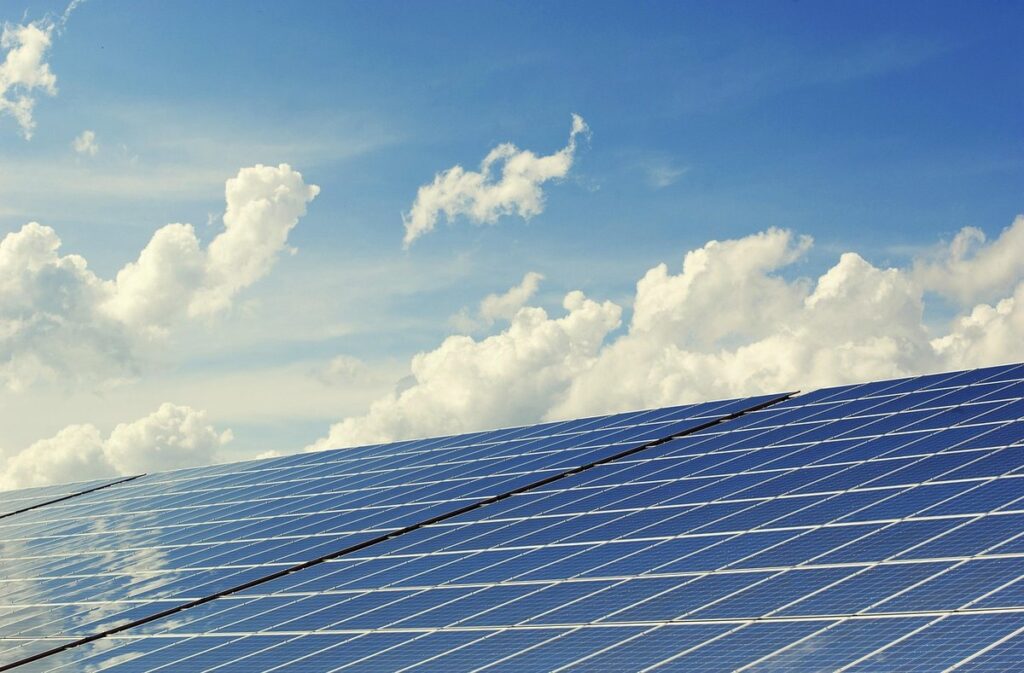
Understanding the Basics of Passive Solar Greenhouses
Let’s dive into the fundamental principles that make a passive solar greenhouse tick, and explore how to harness natural light for optimal plant growth. This simple yet crucial understanding will set you up for success in your design journey.
Benefits of Passive Solar Design
One of the most significant advantages of passive solar design in greenhouses is its ability to harness natural light and heat without relying on artificial sources. This not only reduces energy consumption but also saves you money on utility bills over time.
In a well-designed passive solar greenhouse, sunlight enters through south-facing windows or walls, warming the interior space. During colder months, this radiant heat helps maintain a stable temperature, even when external temperatures drop significantly. By taking advantage of natural heating and cooling, you can reduce your reliance on heating and cooling systems, leading to substantial energy savings.
Another benefit of passive solar design is its environmental friendliness. Since it utilizes natural light and heat, there’s no need for electrical or gas-powered equipment, reducing greenhouse emissions and carbon footprint. Additionally, well-designed passive greenhouses often require fewer materials and resources compared to traditional buildings, making them a more eco-friendly option.
By incorporating passive solar design principles into your greenhouse project, you can create a self-sustaining, energy-efficient space that not only benefits the environment but also saves you money in the long run.
Key Principles of Passive Solar Design
When it comes to designing and building a passive solar greenhouse, understanding the fundamental principles of passive solar design is crucial. At its core, passive solar design revolves around three key elements: orientation, insulation, and thermal mass.
First and foremost, orientation is essential for harnessing natural sunlight and heat. A south-facing wall or window receives direct sunlight throughout the day, which can be used to warm your greenhouse during winter months. Conversely, strategically placing a north-facing wall or window can help keep your greenhouse cool during summer months by blocking direct sunlight. When selecting a site for your greenhouse, look for a spot that receives maximum sunlight, ideally between 30° and 45° east or west of south.
Insulation is also critical in passive solar design. Proper insulation helps retain heat generated from the sun’s rays, reducing heat loss during cold winter nights. Use materials like foam board, straw bales, or recycled denim to create an airtight seal around your greenhouse.
Thermal mass refers to materials that absorb and release heat slowly, helping regulate indoor temperatures. Examples include concrete, brick, or tile. By incorporating thermal mass elements into your design, you can maintain a consistent temperature within your greenhouse, reducing the need for artificial heating and cooling systems. When selecting thermal mass materials, consider their specific heat capacity and density to ensure they meet your needs.
When combining these principles, you’ll create an efficient and effective passive solar greenhouse that harnesses natural light and heat to grow healthy plants year-round.
Comparison with Traditional Greenhouse Designs
Passive solar greenhouses differ significantly from traditional greenhouse designs. One of the primary differences lies in their ability to harness natural sunlight and heat, reducing the need for artificial lighting and heating systems. Unlike traditional greenhouses that rely on supplemental lighting and heating, passive solar greenhouses use strategically designed architecture and materials to maximize the available natural light.
For instance, south-facing walls in a passive solar greenhouse are typically covered with transparent or translucent glazing to allow sunlight to penetrate. This allows for efficient heat absorption during the day, which is then stored within thermal mass elements such as concrete or brick. In contrast, traditional greenhouses often require additional lighting and heating systems to augment the available natural light.
The advantages of passive solar technology are numerous. By reducing the reliance on artificial lighting and heating, passive solar greenhouses can lower energy costs and minimize their carbon footprint. They also promote a more sustainable approach to gardening by leveraging the sun’s energy for optimal plant growth.
Selecting a Suitable Location for Your Passive Solar Greenhouse
When it comes to building a passive solar greenhouse, choosing the right location is crucial for optimal sunlight exposure and temperature regulation. Consider factors like orientation, climate, and surrounding landscape when selecting your site.
Factors Influencing Site Selection
When selecting a site for your passive solar greenhouse, there are several key factors to consider. First and foremost, climate plays a significant role in determining the suitability of a location. Different climates require different design approaches, so it’s essential to choose a site that aligns with your local climate conditions.
Sunlight exposure is another critical factor to consider. Ideally, you’ll want to position your greenhouse to receive direct sunlight for at least 6 hours a day during the winter months. This can be achieved by orienting the greenhouse southward in the Northern Hemisphere or northward in the Southern Hemisphere.
Soil quality also matters, as it directly affects the health and productivity of your plants. Opt for a site with well-draining soil to prevent waterlogged conditions that can lead to root rot and other issues. If your soil is heavy clay or sandy, consider adding organic matter to improve its structure and fertility.
It’s also worth considering the surrounding landscape and how it will impact your greenhouse’s performance. Avoid areas prone to frost pockets, as these can cause damage to your plants. By carefully evaluating these factors, you’ll be able to choose a site that sets your passive solar greenhouse up for success.
Assessing Sunlight Patterns and Microclimates
Assessing sunlight patterns and microclimates on your chosen site is crucial for designing an effective passive solar greenhouse. To begin, observe the sun’s path throughout the day during different seasons. Note the areas of direct radiation, where the sun’s rays hit the ground without obstruction, and areas of diffuse radiation, where sunlight is scattered by trees or other obstacles.
To measure direct and diffuse radiation, use a tool like a pyranometer or a light meter. These devices can be set up to collect data on the amount of solar radiation reaching different areas of your site. You can also observe how shadows fall during the day, taking note of any changes in sunlight patterns due to surrounding topography.
As you assess your site, consider the concept of microclimates – localized areas with unique temperature and humidity conditions influenced by nearby features such as water bodies, forests, or buildings. These microclimates can either enhance or detract from your greenhouse’s performance. For instance, a south-facing slope may receive more direct radiation than a flat area, while an adjacent forest might create a cooler microclimate that requires additional heating during winter months.
When evaluating sunlight patterns and microclimates on your site, prioritize areas with high levels of direct radiation during the winter months. These regions will provide the most benefit for your greenhouse’s passive solar design.
Designing Around Existing Landscapes
When designing your passive solar greenhouse, it’s essential to consider the existing landscape and incorporate it into your design. This might involve building around mature trees, preserving natural habitats, or even incorporating existing water features. By doing so, you can create a harmonious balance between your greenhouse and its surroundings.
One of the most significant benefits of designing around existing landscapes is that it minimizes the need for site preparation and excavation. For instance, if you have a beautiful oak tree on your property, you could design the greenhouse to surround it, providing shade for the surrounding plants while still allowing sunlight to enter the greenhouse through strategically placed glazing.
When preserving natural habitats, consider the following tips: assess the existing ecosystem, identify areas of high biodiversity, and incorporate these features into your design. This approach not only helps maintain ecological balance but also creates a unique and diverse microclimate within your greenhouse.
Incorporating existing water features can be particularly beneficial for passive solar greenhouses. For example, you could use rainwater harvesting systems to collect and store water from the roof, or incorporate a pond or stream into your design to provide a source of cooling during hot summer months.
Designing Your Passive Solar Greenhouse
Now that you’ve chosen a building site and understood your climate, it’s time to design your passive solar greenhouse for optimal energy efficiency and growing conditions. Let’s dive into the essential design considerations to get you started!
Choosing the Right Shape and Size
When it comes to designing your passive solar greenhouse, choosing the right shape and size is crucial for maximizing sunlight exposure and minimizing energy losses. A well-designed shape can direct sunlight deep into the greenhouse, while a carefully selected size will prevent unnecessary heat buildup.
Consider a rectangular or square shape for optimal sunlight exposure, as these shapes allow light to penetrate evenly throughout the space. Avoid complex angles or irregular shapes that can create hotspots and reduce efficiency. For example, if your greenhouse has a large south-facing wall, consider orienting it at an angle to direct sunlight deep into the structure.
As for size, keep in mind that bigger isn’t always better. A larger greenhouse may require more materials and energy to heat and maintain, but a smaller one can be just as effective with proper design. Consider factors like plant spacing, ventilation, and insulation when selecting your greenhouses dimensions. Remember to balance space requirements with the amount of sunlight available on each side of your greenhouse.
Keep in mind that local climate conditions will also influence your shape and size decisions. Consult local building codes and research regional sunlight patterns to ensure your design is tailored to your specific environment. By choosing a well-designed shape and size, you’ll be one step closer to creating an efficient and thriving passive solar greenhouse.
Selecting Materials with High Thermal Mass
When selecting materials for your passive solar greenhouse, consider using those with high thermal mass. These materials absorb and release heat slowly, helping to regulate indoor temperatures and create a stable climate. Brick and concrete are excellent examples of such materials.
Brick is a popular choice due to its durability and ability to store heat energy during the day. It releases this stored energy at night, maintaining a comfortable temperature indoors. A single layer of brick can absorb and release up to 2-3 times more energy than an equivalent amount of wood or steel. This makes it an ideal material for passive solar greenhouses.
In addition to bricks, concrete is another excellent option with high thermal mass. Its density allows it to store a significant amount of heat, which is then released as needed. When using materials like these, ensure proper ventilation to prevent overheating during the day. By incorporating materials with high thermal mass into your design, you can create a more stable and comfortable climate within your passive solar greenhouse.
Incorporating Shading Devices and Overhangs
Shading devices and overhangs play a crucial role in regulating sunlight exposure and preventing overheating in your passive solar greenhouse. These elements help control the amount of direct sunlight that enters the structure, reducing the risk of extreme temperatures. Consider installing awnings or overhangs on the south-facing side of your greenhouse to block direct sunlight during peak hours.
Overhangs can also be designed to provide shade while allowing some indirect sunlight to enter the greenhouse. For example, a deep overhang with a wide eave can block direct sunlight but allow filtered light to pass through. This design not only reduces heat gain but also promotes even plant growth.
When designing your shading devices and overhangs, consider factors such as climate, latitude, and the time of year. In warmer climates, for instance, deeper overhangs may be necessary to prevent overheating during summer months. Similarly, in colder regions, shallower overhangs can allow more sunlight to enter during winter months when it’s scarce.
By incorporating shading devices and overhangs into your passive solar greenhouse design, you’ll create a more balanced and efficient microclimate for your plants to thrive.
Building Your Passive Solar Greenhouse
When building a passive solar greenhouse, it’s essential to carefully plan and design the structure to maximize natural light and heat. This includes selecting optimal orientation and window placement for your specific climate and location.
Preparing the Site for Construction
Preparing the site for construction is a crucial step in building your passive solar greenhouse. It’s essential to ensure that your land is clear of debris and obstructions before beginning excavation work. Start by surveying the area to identify any potential issues, such as underground utilities or environmental hazards like wetlands.
Clearing the land involves removing trees, rocks, and other obstacles that can interfere with construction. This may require hiring a professional arborist to safely remove trees, especially if they’re large or near power lines. You’ll also need to clear the area of any debris, such as branches, leaves, and weeds.
Next, excavate the foundation for your greenhouse, taking care to follow local building codes and regulations. This typically involves digging a shallow trench for the foundation walls, which will provide support for the structure. Be sure to test the soil for stability before proceeding with excavation work.
Constructing the Frame and Installing Insulation
Constructing the frame of your passive solar greenhouse is crucial to achieving optimal thermal performance. When building the frame, choose materials that are durable and able to withstand varying weather conditions. For example, steel frames with a galvanized coating can provide excellent structural support while resisting rust.
In addition to framing, installing insulation is essential for maintaining internal temperatures. Consider using high-density foam boards or reflective barrier systems to minimize heat loss and prevent cold air infiltration. Ensure all joints and seams are sealed to maintain airtightness, which is critical in achieving thermal efficiency. Some greenhouses even employ radiant barrier coatings on the exterior surface of glazing materials to reflect solar radiation.
To maximize thermal performance, install insulation between walls, floors, and ceilings. This will help regulate internal temperatures, keeping your greenhouse warm during winter months and cool during summer months.
Installing Glazing and Shading Devices
When it comes to installing glazing and shading devices in your passive solar greenhouse, there are several options to consider. Glazing materials can be made from glass, polycarbonate, acrylic, or even recycled plastic bottles. Glass is a popular choice due to its high transparency and durability, but it can be heavy and expensive. Polycarbonate panels, on the other hand, are lighter and more affordable, but may not provide the same level of insulation as glass.
When choosing glazing materials, consider factors such as maintenance requirements, energy efficiency, and durability. For example, if you live in an area with high winds or extreme temperatures, a sturdy glass roof may be a better option. However, if budget is a concern, polycarbonate panels could be a more affordable alternative.
Shading devices, such as louvers, overhangs, or shading cloths, are also crucial for maintaining optimal temperature and light levels inside your greenhouse. These devices can help block direct sunlight during hot summer months while allowing winter sun to penetrate and warm the space. Consider incorporating movable shades that can be adjusted seasonally to optimize energy efficiency.
When selecting glazing materials and shading devices, it’s essential to balance aesthetics with functionality. Choose options that not only meet your budget but also provide a durable, low-maintenance solution for years to come.
Optimizing Your Passive Solar Greenhouse
Now that you’ve got your greenhouse up and running, let’s dive into optimizing its performance to get the most out of your passive solar setup. We’ll explore ways to fine-tune the design and placement for maximum energy gain.
Monitoring and Adjusting to Climate Fluctuations
As you monitor your passive solar greenhouse’s performance, it’s essential to be prepared for climate fluctuations. These variations can significantly impact the internal temperature, plant growth, and overall efficiency of your structure.
To effectively monitor climate fluctuations, start by collecting data on temperature, humidity, light exposure, and other relevant factors. This information will help you identify trends and patterns in your greenhouse’s performance. Utilize tools like temperature sensors, hygrometers, and photometers to gather accurate and consistent data.
Analyze the collected data to determine how climate fluctuations are affecting your greenhouse. Look for correlations between temperature changes and plant growth or water usage. Use this information to make informed decisions about adjustments to your greenhouse’s design or operations.
For instance, if you notice that your greenhouse is consistently experiencing extreme heat during summer months, consider implementing shading solutions or adjusting your glazing materials to reduce solar gain. By regularly monitoring and adjusting to climate fluctuations, you can optimize your passive solar greenhouse’s performance and ensure a thriving environment for plants year-round.
Maintaining Optimal Indoor Conditions
Maintaining optimal indoor conditions is crucial for the health and productivity of your plants in a passive solar greenhouse. One of the most significant challenges you’ll face is controlling temperature fluctuations. This can be achieved through proper glazing, insulation, and ventilation strategies. For instance, using double-glazed windows or adding thermal mass elements like concrete blocks can help regulate temperatures.
Humidity management is equally important to prevent fungal diseases and pests. You can achieve this by ensuring good air circulation, using dehumidifiers, or incorporating plants that release moisture into the air. Regular monitoring of temperature and humidity levels will allow you to make necessary adjustments.
Pest control also requires attention, especially when growing sensitive crops like tomatoes or eggplants. Introduce beneficial insects like ladybugs or lacewings, which feed on pests, and maintain a clean greenhouse environment by regularly inspecting for signs of infestation. By implementing these strategies, you’ll be able to create a stable indoor climate that promotes healthy plant growth and minimizes the need for external inputs.
Keep in mind that plants have different temperature and humidity requirements, so research specific needs for your crops. Also, remember that a well-designed greenhouse will naturally regulate conditions through its design features.
Long-Term Benefits and Upgrades
As you enjoy the benefits of your passive solar greenhouse in its first year, it’s essential to consider the long-term advantages of this sustainable design. A well-designed and well-maintained passive solar greenhouse can provide a wealth of benefits for years to come.
One of the most significant advantages is increased yields. As your plants become accustomed to the optimal growing conditions provided by the greenhouse, you can expect to see higher crop yields and more frequent harvests. This is especially true for crops like tomatoes, peppers, and eggplants, which thrive in the warm and sunny environment of a passive solar greenhouse.
In addition to increased yields, a passive solar greenhouse can also help reduce energy costs over time. As your greenhouse becomes more efficient at harnessing natural light and heat, you’ll rely less on artificial lighting and heating systems. This not only saves money but also reduces your carbon footprint, making your greenhouse an even more sustainable option.
To maximize these benefits, make sure to regularly inspect and maintain your greenhouse’s glazing, insulation, and ventilation systems. This will ensure that the passive solar design continues to work efficiently, providing optimal growing conditions for your plants year after year.
Frequently Asked Questions
Can I use a passive solar greenhouse for cold-climate regions?
While traditional greenhouses might not be suitable for cold climates, a well-designed passive solar greenhouse can thrive even in areas with harsh winters. By selecting materials with high thermal mass and incorporating shading devices, you can maintain optimal indoor conditions year-round.
How do I calculate the ideal size of my passive solar greenhouse?
To determine the perfect size for your passive solar greenhouse, consider factors like available sunlight, climate fluctuations, and your desired crop yield. A general rule of thumb is to allocate at least 200 square feet per person or family member for a sustainable food system.
Can I combine traditional and passive solar design elements in my greenhouse?
Absolutely! By incorporating passive solar principles into an existing traditional greenhouse, you can enhance its energy efficiency and extend the growing season. Consider adding south-facing windows, insulation, and shading devices to optimize your setup.
How do I maintain optimal humidity levels in a passive solar greenhouse?
To prevent excessive moisture buildup and maintain healthy plant growth, ensure good air circulation by incorporating vents or fans in your design. You can also utilize evaporative cooling systems or shading devices to regulate temperature and humidity levels.
What are some common mistakes to avoid when building a passive solar greenhouse?
Be mindful of factors like site orientation, glazing quality, and insulation efficiency when constructing your passive solar greenhouse. Avoid over-glazing, which can lead to overheating, and ensure proper ventilation to prevent moisture buildup and promote healthy plant growth.