
Thyme is one of those magical herbs that seems to pop up in almost every recipe, but its uses don’t stop at cooking. This fragrant and versatile plant has been prized for centuries for its culinary, medicinal, and household benefits. From soothing digestive issues to repelling insects, thyme’s incredible properties make it a staple in many cultures around the world. But that’s not all – this hardy herb is also a natural skincare savior and a potent cleaning agent, making it a must-have for any eco-conscious home. In this article, we’ll delve into the amazing uses of thyme beyond the kitchen, covering its various applications, growth tips, and clever substitutions to make you a thyme expert in no time. Whether you’re a seasoned gardener or just discovering the wonders of thyme, keep reading to unlock its full potential.
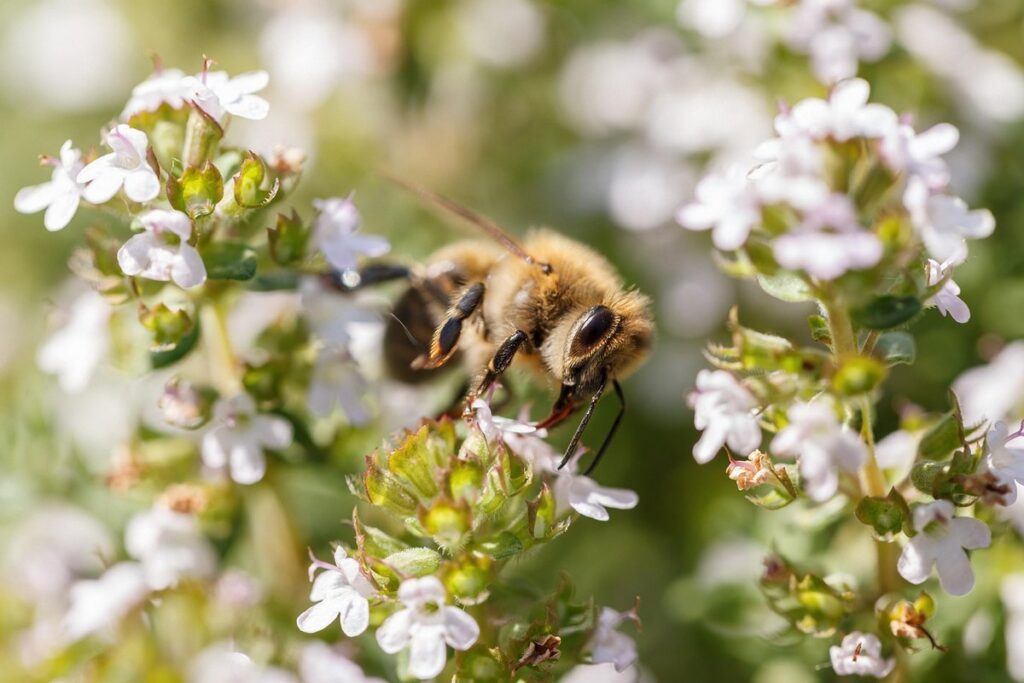
The Benefits of Thyme
Thyme is more than just a flavorful herb, it also boasts impressive health benefits and has been used for centuries to promote well-being. Let’s explore these advantages in more detail.
Nutritional Value and Antioxidant Properties
Thyme is often overshadowed by its more popular counterparts, but this unassuming herb packs a nutritional punch that’s hard to ignore. Rich in vitamins A and C, potassium, and iron, thyme makes an excellent addition to your kitchen in more ways than one.
Vitamin A in thyme acts as a powerful antioxidant, shielding cells from damage caused by free radicals. This is particularly beneficial for maintaining healthy skin, hair, and mucous membranes. Meanwhile, the high vitamin C content helps boost immunity, supporting the body’s natural defense against infections. Potassium, an essential mineral, plays a crucial role in heart health by regulating blood pressure and promoting cardiovascular well-being.
But what really sets thyme apart is its antioxidant profile. Antioxidants like thymol, carvacrol, and linalool protect cells from oxidative stress, potentially reducing the risk of chronic diseases such as cancer and neurodegenerative disorders. To reap these benefits, incorporate fresh or dried thyme into your meals regularly – add it to soups, stews, salads, or use it as a marinade for meats.
Medicinal Properties and Health Effects
Thyme has been a trusted herb for centuries, not only for its distinctive flavor but also for its medicinal properties that can benefit our health and well-being. Let’s dive into the amazing ways thyme supports respiratory health.
One of the most notable uses of thyme is in treating bronchitis and coughs. Its antimicrobial properties make it effective against bacteria and viruses, helping to alleviate congestion and soothe irritated throats. Thyme contains compounds like thymol and carvacrol, which have been shown to exhibit potent antibacterial activity.
To harness the medicinal power of thyme for respiratory issues, you can try making a tea by steeping fresh or dried thyme leaves in hot water. Strain the liquid and drink it 2-3 times a day to ease congestion and coughs. You can also add thyme to your soups, stews, or cooking sauces to reap its benefits.
Some studies have even highlighted thyme’s potential in fighting off infections such as tuberculosis and pneumonia. By incorporating thyme into your diet, you may be able to reduce the severity of respiratory issues and support overall health.
Cooking with Thyme: Essential Recipes
Now that you’ve discovered the wonderful world of thyme, let’s dive into some essential recipes that showcase its unique flavor and aroma. From savory meats to soups and stews, we’ll explore must-try dishes using this versatile herb.
Soups, Stews, and Braises
When it comes to soups, stews, and braises, thyme is an essential herb that adds depth and warmth to these comforting dishes. As a staple in French cuisine, it’s no surprise that thyme pairs perfectly with carrots and potatoes, creating a hearty and satisfying soup or stew.
Try making a classic French-inspired vegetable soup by simmering diced carrots, potatoes, onions, and celery in a flavorful broth infused with fresh thyme. You can also add some aromatics like garlic and bay leaves to enhance the flavor. To make it even heartier, add some crusty bread or croutons on top.
For a more rustic stew, combine lamb or beef chunks with sliced carrots and potatoes, along with plenty of thyme sprigs, in a rich red wine broth. Let it simmer all day for a fall-apart tender meat and perfectly cooked vegetables. The key to getting the most out of your thyme is to use fresh sprigs rather than dried leaves, which can become bitter if overcooked.
When using thyme in soups and stews, remember that a little goes a long way. Start with just a few sprigs and adjust to taste, as the herb can quickly overpower other flavors. With its subtle yet aromatic flavor, thyme is an excellent addition to any soup or stew recipe.
Meat, Poultry, and Seafood Dishes
Thyme is an incredibly versatile herb that can elevate even the simplest of dishes. When it comes to meat, poultry, and seafood, thyme’s piney flavor pairs beautifully with a variety of proteins. For a classic take, try adding thyme to your roasted chicken or beef for a flavorful twist. Simply rub the herbs over the meat before roasting for an aromatic and savory result.
But thyme doesn’t stop there – it also complements the natural flavors of fish like salmon and cod. In fact, many Mediterranean-inspired recipes feature thyme as a key ingredient in seafood dishes. Try pairing thyme with lemon juice and olive oil to create a simple yet impressive marinade for your next grilled or baked salmon fillet.
To take your thyme game to the next level, consider experimenting with different types of thyme, such as English or French thyme, which have distinct flavor profiles that can add depth to your dishes. Whether you’re cooking up a hearty beef stew or a delicate fish filet, thyme is sure to bring out the best flavors in any protein.
Using Thyme Beyond Cooking: Skincare and Cleaning
Did you know that thyme’s antibacterial properties make it a fantastic addition to your skincare routine? We’ll explore how to use thyme for healthy, glowing skin.
Natural Skincare Remedies
When it comes to using thyme beyond cooking, its antibacterial properties make it an effective ingredient in skincare products. One of the most significant benefits of thyme for skin health is its ability to reduce acne and prevent breakouts. Thyme’s antimicrobial properties can help control the growth of bacteria that cause acne, leaving your skin feeling clean and refreshed.
To incorporate thyme into your skincare routine, you can try making a thyme-infused face mask. Simply steep fresh or dried thyme leaves in a bowl of boiling water for 10-15 minutes. Strain the mixture and let it cool before applying it to your face as a mask. Thyme can also be added to carrier oils like coconut or olive oil to create a soothing and antibacterial skincare treatment.
Remember, thyme is not just for cooking; its medicinal properties make it an excellent addition to your skincare arsenal. By harnessing the power of thyme, you can enjoy healthier-looking skin that glows with vitality.
Household Cleaning Tips
When it comes to using thyme beyond cooking, one of its most underrated benefits is its incredible versatility as a natural cleaning agent and insect repellent. Did you know that thyme essential oil can be used to keep mosquitoes at bay? Simply mix a few drops with water and spray it on your skin or clothing before heading outdoors. Its antimicrobial properties also make it an effective addition to homemade cleaning solutions.
In fact, studies have shown that thyme oil exhibits potent antibacterial activity against E. coli and Staphylococcus aureus, two common household pathogens. To harness its power for cleaning, try adding a few drops of thyme essential oil to your all-purpose cleaner or disinfectant spray. Its fresh, herbaceous scent will leave your home smelling clean and inviting while also providing an extra layer of protection against germs.
To create your own natural insect repellent using thyme essential oil, start by mixing 10-15 drops with 1 ounce of water in a spray bottle. Shake well before applying to skin or clothing. This DIY solution is not only eco-friendly but also gentle on skin, making it perfect for families with young children.
Growing Thyme: Tips for Gardeners
If you’re looking to grow thyme in your garden, don’t worry if it’s a new experience – we’ve got some expert tips to get you started on this fragrant journey. Learn how to cultivate healthy thyme plants with ease.
Planting and Soil Requirements
When planting thyme, it’s essential to choose a location that provides the right conditions for its growth. Thyme prefers well-draining soil, which means avoiding areas with standing water or where water tends to collect. A spot with full sun is also crucial, as thyme requires at least six hours of direct sunlight per day to produce plenty of fragrant leaves.
To ensure optimal growth, it’s recommended to plant thyme in a raised bed or container that allows for good drainage. If your soil is heavy clay or prone to waterlogging, consider adding organic matter like compost or sand to improve its structure.
While thyme is relatively low-maintenance, it does benefit from occasional pruning. Prune the stems back by about one-third after flowering to encourage new growth and prevent the plant from becoming leggy. This will also help promote a bushy shape and prevent it from spreading too far. By providing the right growing conditions and pruning regularly, you’ll be rewarded with a healthy, fragrant thyme plant that’s perfect for using in your favorite recipes.
Pest Control and Companion Planting
When it comes to growing thyme alongside other plants, its pest-repelling properties make it an invaluable companion plant. Thyme is known to repel whiteflies and aphids, two common pests that can wreak havoc on vulnerable vegetables like tomatoes and peppers. By incorporating thyme into your garden bed, you can create a harmonious balance between different plants.
Here are some practical tips for using thyme as a companion plant:
* Plant thyme near tomato plants to repel whiteflies and prevent them from spreading diseases.
* Place thyme nearby pepper plants to deter aphids and other pests that target these sensitive vegetables.
* Interplant thyme with other herbs like rosemary, basil, or mint to create a pest-free zone in your garden.
Thyme’s natural repellent properties also make it an excellent addition to indoor gardens. You can pot thyme in small containers and place them near vulnerable plants to keep pests at bay. With its compact growth habit and fragrant foliage, thyme is a great choice for small-space gardening.
Thyme Substitutes: What to Use When Fresh or Dried Thyme Isn’t Available
Don’t let a thyme shortage ruin your recipe – we’ve got you covered! In this section, discover effective substitutes for fresh and dried thyme.
Other Herbs with Similar Flavor Profiles
When you’re cooking and realize that you don’t have thyme on hand, there are some herbs that can come to the rescue. While they may not be exact substitutes for thyme’s unique flavor profile, sage, oregano, and rosemary can be used as a last resort in certain recipes.
Sage is often used in Mediterranean and Italian cooking, particularly with poultry and pork dishes. Its slightly bitter, earthy taste pairs well with the rich flavors of roasted meats or vegetables. When substituting thyme with sage, use about half the amount of sage called for in your recipe. This will help prevent overpowering the dish with too much herbal flavor.
Oregano is another herb that’s commonly used as a substitute for thyme, especially in tomato-based sauces and soups. Its pungent, earthy taste adds depth to dishes like pasta sauce, pizza, or chili con carne. When substituting oregano for thyme, use about one-third the amount of oregano called for in your recipe, as its flavor can be quite strong.
Rosemary is often used with roasted meats and vegetables, particularly lamb and chicken. Its piney, slightly bitter taste pairs well with the rich flavors of slow-cooked dishes. When substituting rosemary for thyme, use about one-quarter the amount of rosemary called for in your recipe, as its flavor can be quite overpowering.
When using these herbs as substitutes for thyme, remember that a little goes a long way. It’s always better to start with a small amount and adjust to taste, rather than adding too much herbal flavor and overpowering your dish. With practice and experimentation, you’ll find that these herbs can add unique flavors to your cooking when thyme isn’t available.
History of Thyme: From Ancient Traditions to Modern Uses
Thyme has a rich and fascinating history that spans thousands of years, from ancient civilizations to modern-day kitchens. Let’s take a journey through time to explore its evolution and enduring appeal.
Thyme in Ancient Greek and Roman Cuisine
Thyme was highly valued by the ancient Greeks and Romans for its medicinal properties and culinary uses. In fact, it was a staple herb in their kitchens and apothecaries alike. The Greeks considered thyme to be a symbol of courage and honor, often using it in wreaths for athletes competing in the Olympic Games.
In terms of cuisine, thyme played a starring role in many traditional dishes from both cultures. The ancient Greeks used thyme to flavor meats, stews, and soups, while the Romans employed it in a variety of recipes, including fish dishes, meat stews, and even desserts like sweet cakes. For example, the Roman cookbook “De Re Coquinaria” by Apicius contains several recipes that feature thyme as an essential ingredient.
One of the reasons thyme was so highly valued is due to its perceived health benefits. The Greeks believed it could treat a range of ailments, from indigestion and flatulence to anxiety and stress. To incorporate thyme into your diet like our ancient ancestors, try using it in soups, stews, or roasted meats for a burst of flavor and a potential boost to overall well-being.
Thyme’s Rise to Prominence in Modern Cooking
Thyme has indeed risen to prominence in modern cooking, becoming a staple herb in many cuisines worldwide. Its versatility is one of its key attractions – it pairs well with a wide range of ingredients and can be used in both sweet and savory dishes.
One reason thyme’s popularity continues to grow is due to its impressive list of health benefits. Rich in antioxidants and anti-inflammatory compounds, thyme has been shown to have antibacterial properties that help protect against illness-causing bacteria. This makes it a great addition to soups, stews, and sauces where it can add flavor while also providing an extra layer of nutrition.
As a result, chefs and home cooks alike are incorporating thyme into their recipes more and more. From traditional Mediterranean dishes like Greek salad and Turkish kebabs to modern twists on classic comfort food, thyme’s unique flavor profile is being used in countless ways. Whether you’re looking to add depth to your cooking or simply want to try something new, thyme is definitely worth experimenting with.
Frequently Asked Questions About Thyme
You might have some questions about thyme, and we’ve got answers! Below, we’ll tackle some of the most common queries about this versatile herb.
What Are the Different Types of Thyme?
Thyme is one of those versatile herbs that comes in many different varieties, each with its own unique flavor and aroma. While the most commonly used variety is English thyme, there are several others worth exploring.
One popular variation is lemon thyme (Thymus x citriodorus), which has a bright, citrusy scent that pairs well with seafood and vegetables. Its light, uplifting flavor makes it perfect for springtime dishes or as a garnish for soups and salads. Garlic thyme (Origanum heracleoticum) is another variation worth mentioning, with its robust, slightly spicy aroma that adds depth to sauces, marinades, and roasted meats.
Then there’s creeping thyme (Thymus serpyllum), which forms a low-growing carpet of tiny leaves that release a rich, earthy fragrance. This variety is perfect for use in potpourri blends or as a groundcover in herb gardens. Each type of thyme offers something unique to your cooking repertoire, so don’t be afraid to experiment and find the ones that suit your taste buds best.
When using different types of thyme, remember to adjust the quantity according to the intensity of the flavor. For example, lemon thyme is generally milder than garlic thyme, so use a bit more if you want a stronger flavor.
How to Store Thyme for Long-Term Use
When it comes to storing thyme for long-term use, proper storage is crucial to preserve its flavor and aroma. You see, fresh thyme can be quite delicate, prone to losing its potency when exposed to heat, light, or moisture. To keep your thyme fresh for a longer period, consider the following storage methods.
Firstly, store the stems in a cool, dry place away from direct sunlight. A pantry or cupboard is an ideal spot. You can also tie the stems together with twine and hang them upside down, allowing air to circulate freely. This method helps retain the thyme’s fragrance and flavor.
For longer-term storage, transfer the dried leaves to an airtight container, such as a glass jar or a plastic container. Store it in a dark place like a cupboard or drawer. Make sure to label the container so you can easily identify its contents later on. This method will keep your thyme fresh for several months, ready to be used whenever you need it.
Frequently Asked Questions
Can I grow thyme indoors if I don’t have outdoor space?
Yes, you can definitely grow thyme indoors, provided you give it enough light and maintain a stable temperature between 60-70°F (15-21°C). Use a well-draining potting mix and water sparingly to prevent root rot.
How do I identify the different types of thyme and choose the right one for my needs?
There are several varieties of thyme, including English thyme, French thyme, and lemon thyme. Identify your needs (culinary, medicinal, or ornamental) and choose a type that suits those requirements. For example, English thyme is a popular choice for cooking due to its mild flavor.
Can I use thyme essential oil as a replacement for dried thyme in recipes?
Yes, you can use thyme essential oil as a substitute for dried thyme in some recipes, but be sure to follow the recommended usage rates and dilute it with a carrier oil before applying topically. Essential oils are potent, so start with small amounts and adjust to taste.
How do I harvest thyme without damaging the plant?
To harvest thyme, simply snip off individual stems or leaves with scissors or pinch them between your fingers. Avoid cutting too much of the plant at once, as this can weaken it. Harvesting regularly will also encourage new growth.
Can I use thyme for skin issues like acne and eczema?
Yes, thyme has antibacterial and anti-inflammatory properties that make it a natural remedy for acne and eczema. Mix a few drops of thyme essential oil with a carrier oil or add fresh thyme leaves to a warm compress to soothe and calm the skin. However, always do a patch test before using it on sensitive areas.