
If you’re one of the many plant enthusiasts who’ve fallen in love with the delicate beauty of the sensitivity plant, you know just how finicky it can be. But don’t worry, with the right care and attention, your Senstive plant will thrive and bring joy to your space for years to come. The key to success lies in understanding its needs when it comes to lighting, watering, and propagation – get these basics right and you’ll be rewarded with a stunning display of blooms. But common problems can still arise, from yellowing leaves to dropped flowers, which is why we’ve put together this comprehensive guide on how to care for your sensitivity plant. From troubleshooting tips to expert advice on creating the perfect environment, we’ve got everything you need to keep your plant happy and healthy.
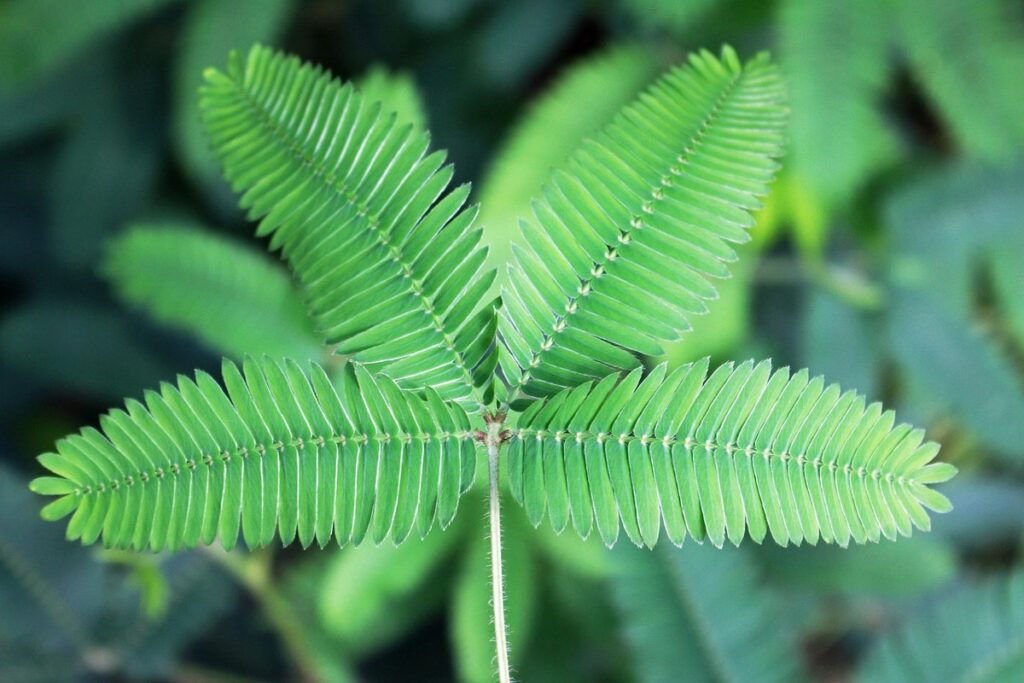
What is a Sensitivity Plant?
Let’s dive into what makes the sensitivity plant so unique, and explore its fascinating characteristics that make it one of the most popular houseplants around.
History and Origin of the Sensitivity Plant
The sensitivity plant has a rich history that spans centuries, with its unique properties making it a prized subject for researchers. In botany, this fascinating plant has been studied extensively due to its remarkable ability to respond to touch and movement. One of the earliest recorded uses of the sensitivity plant dates back to the 17th century when it was used in experiments by prominent botanists.
Researchers were particularly interested in the plant’s unique properties, which allow it to fold up its leaves and droop its stems when touched or manipulated. This remarkable behavior has led scientists to study the plant’s response mechanisms, gaining valuable insights into plant physiology and development. The sensitivity plant’s adaptability has also made it a popular choice for studies on plant movement and flexibility.
Interestingly, the sensitivity plant was also used in early experiments on plant learning and memory. Researchers would often manipulate the plant’s leaves or stems to see how it would respond and adapt over time. This work laid some of the foundational knowledge for modern plant biology research.
Unique Features of the Sensitivity Plant
One of the most fascinating aspects of the sensitivity plant is its unique ability to move its leaves in response to touch and other stimuli. This remarkable feature has earned it a spot as one of the most interesting houseplants around. When you gently touch the leaf or even just approach it, the plant’s delicate tendrils will quickly fold up, often in a matter of seconds.
This sensitivity is due to specialized cells called “sensilla” that line the leaves, allowing them to detect even the slightest changes in their environment. It’s not just limited to touch either – the plant can also respond to vibrations, temperature fluctuations, and even light exposure.
While this unique feature may be a bit unsettling at first (who doesn’t love a good fright?), it’s actually a testament to the plant’s adaptability and clever survival strategies. In the wild, this sensitivity helps protect the plant from herbivores that might try to feed on its leaves. And in your home, it can add an entertaining touch of whimsy to your indoor space. So go ahead and experiment with the sensitivity plant – just be gentle when handling those sensitive leaves!
Characteristics and Types of Sensitivity Plants
If you’re new to growing sensitivity plants, understanding their unique characteristics is crucial for providing the best care. Let’s explore the different types of sensitivity plants that thrive in various environments.
Common Species of Sensitivity Plants
If you’re fascinated by the unique behavior of sensitivity plants, you’ll be excited to learn about some of its most well-known species. One of the most popular varieties is Mimosa pudica, native to South America and the Caribbean. This plant is known for its sensitive leaves that fold up when touched or disturbed. In fact, it’s often referred to as the “touch-me-not” due to this behavior.
Another species worth mentioning is Mimosa diplotricha, found in Southeast Asia and parts of Africa. Its leaves are also highly sensitive, but they have a unique ability to move towards light sources, making them an excellent choice for low-light conditions. The M. diplotricha is also known for its compact growth habit, making it ideal for indoor container gardens.
When choosing a sensitivity plant species, consider the native habitat and growing requirements of each variety. For example, Mimosa pudica prefers well-draining soil and partial shade, while M. diplotricha thrives in high humidity and direct sunlight. By selecting the right species for your environment, you’ll be able to enjoy these fascinating plants for years to come.
Some notable characteristics of sensitivity plant species include their unique ability to move towards or away from light sources (phototropism), as well as their tendency to fold up when touched or disturbed (thigmonasty). These traits are perfect for creating a dynamic and interactive display in your home or office.
Differentiating Between Varieties
With over 400 species of sensitivity plants, it can be overwhelming to identify which one you have at home. But don’t worry, we’ve got you covered. To differentiate between varieties, let’s start with their physical appearance.
Observe the leaves: they come in various shapes and sizes. Some are rounded, while others are more elongated or even narrow. The leaf edges can also be smooth or serrated. For example, Mimosa pudica, also known as the sensitive plant, has ovate-shaped leaves with a pointed tip, whereas Mimosa diplotricha has elliptical leaves with a wavy margin.
Consider the growth habit: some sensitivity plants are compact and shrub-like, while others can grow quite tall. Note how your plant responds to pruning – some will produce new shoots from the base, while others will focus on developing height. By observing these characteristics, you’ll be able to narrow down which variety you’re dealing with.
Keep in mind that hybridization is also a factor, so some plants may exhibit traits from multiple parent species. To confirm your plant’s identity, consult a trusted field guide or reach out to a local nursery expert for guidance.
Care and Maintenance for Sensitivity Plants
To keep your sensitivity plant thriving, regular care and maintenance are essential, so let’s dive into the best practices to ensure its optimal health. This includes tips on watering, pruning, and providing the right environment.
Lighting Requirements for Sensitivity Plants
When it comes to lighting requirements for sensitivity plants, it’s essential to strike the right balance between providing enough light and preventing damage from excessive direct sunlight. These plants thrive in bright, indirect light conditions, which is why east- or west-facing windows are ideal. Avoid placing them directly under a south-facing window, as this can cause scorching.
In terms of direct sunlight tolerance, sensitivity plants can handle short periods (about 30 minutes to an hour) of direct sunlight, but prolonged exposure can lead to leaf discoloration and damage. To ensure optimal health, place your plant in an area where it receives bright, indirect light for most of the day. If you’re unsure whether your plant is getting too much direct sunlight, check for signs like wilted or scorched leaves.
To give your sensitivity plant the right amount of light, consider supplementing with grow lights if natural light isn’t sufficient. Place them 12-18 inches above the plant to provide gentle, diffused lighting that promotes healthy growth. Monitor your plant’s response and adjust the lighting accordingly to ensure it remains happy and thriving.
Watering Schedule for Sensitivity Plants
Proper watering is crucial for sensitivity plants, as they are prone to root rot if the soil is too moist. To prevent this, it’s essential to understand their unique water requirements. Sensitivity plants prefer well-draining soil and should be watered sparingly, allowing the top 1-2 inches of soil to dry out between waterings.
A good rule of thumb is to water your sensitivity plant once a week during the spring and summer months when it’s actively growing. During the fall and winter months, you can reduce watering to every 10-14 days, as the plant’s growth slows down. It’s also crucial to check the soil moisture by sticking your finger into the soil up to the first knuckle.
Some common signs of overwatering include yellowing leaves, soft stems, and a pot that feels heavy due to waterlogged soil. If you notice any of these symptoms, adjust your watering schedule accordingly. Conversely, underwatered plants will exhibit dry, brittle leaves and may require more frequent watering. By striking the right balance, you’ll be able to keep your sensitivity plant thriving and enjoying its signature delicate appearance.
Propagation Methods for Sensitivity Plants
To successfully propagate a sensitivity plant, you’ll need to know the right methods, which include division, leaf and stem cuttings, and even propagation through layering. Let’s take a closer look at each of these techniques.
Stem Cuttings: A Popular Method for Propagation
Taking stem cuttings from mature sensitivity plants is a popular method for propagation. To do this successfully, you’ll need to select healthy stems with at least two nodes, as these will have the best chance of rooting. Cut the stems just above a node using a sharp, clean knife or pruning tool.
To promote root growth and increase your chances of success, apply a rooting hormone to the cut end of the stem. This is available in liquid or powder form, and can be applied directly to the wound. Follow the instructions on the packaging for the correct application rate.
When potting up your cuttings, use a well-draining potting mix specifically designed for propagation. Avoid using regular potting soil as this may compact and prevent proper root development. Plant the cutting about 1-2 cm deep in the potting mix, firming it gently around the stem to secure it in place.
In ideal conditions, your cuttings should start to produce roots within 2-4 weeks, although this can vary depending on factors such as temperature, humidity and light exposure.
Leaf and Seed Propagation
If you want to multiply your sensitivity plant collection without relying on cuttings, you can try leaf and seed propagation. This method is perfect for those who enjoy experimenting with different propagation techniques.
To start leaf propagation, choose a healthy leaf from the mother plant, making sure it has at least two nodes. Remove any lower leaves that would be submerged in water, as this can lead to rot. Place the leaf in a glass of water, changing the water every 1-2 weeks to prevent bacterial growth. Roots should develop within 2-3 weeks, at which point you can transfer the new plant into a pot filled with well-draining soil.
Seeds are another option for propagation, although they can be more challenging to obtain from your sensitivity plant. To increase your chances of getting viable seeds, ensure your plant is receiving enough light and maintaining healthy growth habits. When the seed pods turn brown and split open, collect the seeds immediately and sow them in a shallow tray filled with moistened potting mix.
Keep in mind that propagating through seeds can be a longer process, taking anywhere from 6-12 months for the new plants to mature.
Common Problems with Sensitivity Plants
Even with proper care, sensitivity plants can be prone to certain issues, and identifying these problems early on is crucial for their health. Let’s take a closer look at some common concerns that may arise.
Overwatering: A Leading Cause of Death for Sensitivity Plants
Overwatering is one of the most common mistakes gardeners make when caring for their sensitivity plants. These delicate plants are prone to root rot and other problems that can arise from excess moisture. When a sensitivity plant is overwatered, it may begin to droop or wilt, even if the soil feels consistently moist.
One of the first signs of overwatering in a sensitivity plant is yellowing leaves. This can start with just one or two leaves, but quickly spread throughout the plant as more roots begin to rot. Be on the lookout for soft, mushy stems and blackened roots – these are clear indicators that your plant has too much water.
If you suspect overwatering, don’t panic! Simply stop watering your sensitivity plant until the soil feels dry to the touch again. This may take a few weeks, depending on the temperature and humidity in your home. Be patient and avoid fertilizing the plant during this time – it’s essential to let the roots recover before feeding.
In extreme cases of overwatering, the entire root system may need to be replaced. To prevent this from happening in the first place, check the soil moisture daily by sticking your finger into the soil up to the knuckle. If the soil feels dry, it’s time for a drink – but if it still feels damp or soggy, wait another day before watering again.
Pests and Diseases That Affect Sensitivity Plants
Sensitivity plants are susceptible to various pests and diseases that can affect their appearance and overall health. One of the most common pests is spider mites, which can be identified by fine webbing on the leaves and a yellowing or bronzing effect. To treat spider mite infestations, isolate the plant and spray it with neem oil or insecticidal soap.
Fungal diseases like root rot and leaf spot can also impact sensitivity plants. Root rot is often caused by overwatering and can be identified by soft, mushy stems and a foul odor. To prevent root rot, ensure good air circulation around the plant and avoid getting water on the leaves or crown. Leaf spot, on the other hand, can be treated with fungicides like copper-based products.
Mealybugs and scale are other pests that can infest sensitivity plants. These insects can be identified by a white, cottony appearance on the stems and leaves. To control mealybug and scale populations, use insecticidal soap or neem oil according to the product’s instructions.
Keep in mind that prevention is key when it comes to pest and disease management. Regularly inspect your plant for signs of infestation or infection, and take prompt action if you notice any issues. By staying vigilant and using integrated pest management strategies, you can keep your sensitivity plant healthy and thriving.
Conclusion: Tips for Growing Healthy Sensitivity Plants
As you’ve learned how to care for your sensitivity plant, now it’s time to put those tips into action and enjoy a thriving, healthy plant. Here are our top recommendations for success.
Final Thoughts on Sensitivity Plant Care
As you conclude your journey with the sensitivity plant, it’s essential to remember that proper care and attention are crucial for its survival and thriving. You’ve learned about the unique characteristics of this fascinating plant, from its delicate leaves to its incredible adaptability. Now, let’s summarize the key takeaways and emphasize the importance of providing the right conditions for your sensitivity plant.
First and foremost, make sure to provide bright, indirect light for your plant, as direct sunlight can cause scorching. This may require a sheer curtain or shade cloth to filter the light, depending on your environment. Water sparingly, allowing the soil to dry slightly between waterings, as overwatering is a common mistake that can lead to root rot.
Maintaining optimal temperatures between 65°F and 75°F (18°C and 24°C) will also help prevent damage to the leaves. Fertilize your plant during the growing season with a balanced fertilizer to promote healthy growth and blooming. Pruning regularly will encourage new growth, but be cautious not to over-prune, as this can cause stress.
Another critical aspect of sensitivity plant care is providing adequate humidity, especially in dry environments. You can achieve this by placing the pot on a tray filled with water and pebbles or using a humidifier nearby. Monitor your plant’s response to these conditions, adjusting as necessary to prevent pests and diseases.
By following these guidelines and paying attention to your plant’s needs, you’ll be well on your way to enjoying a thriving sensitivity plant that brings joy and beauty to your space. Remember to observe your plant regularly, taking note of any changes or issues, so you can provide the best possible care for this unique and rewarding companion.
Frequently Asked Questions
Can I grow a Sensitivity Plant outdoors, or is it strictly an indoor plant?
Yes, you can grow a Sensitivity Plant outdoors in a shaded area with high humidity, but be aware that direct sunlight may cause the leaves to become scorched. If you choose to grow it outdoors, make sure to provide protection from extreme temperatures and ensure good air circulation.
How often should I repot my Sensitivity Plant, especially when it’s producing new growth?
Repot your Sensitivity Plant every 1-2 years in the spring when it becomes pot-bound or shows signs of nutrient deficiency. Choose a well-draining potting mix specifically designed for indoor plants and use a container that is only slightly larger than the previous one.
What are some common mistakes to avoid when propagating a Sensitivity Plant through leaf cuttings?
Avoid over-watering, which can lead to root rot, and ensure the cutting area is dry before placing it in water or soil. Also, keep the cutting away from direct sunlight and maintain high humidity until roots develop.
Can I propagate my Sensitivity Plant using seeds, or is stem cutting the recommended method?
Yes, you can propagate a Sensitivity Plant using seeds, but this method is more challenging and less predictable than stem cuttings. Sow the seeds in a well-draining seed starting mix and maintain high humidity until germination occurs.
What are some signs that my Sensitivity Plant has become overwatered, and how do I prevent it?
Look for yellowing leaves, droopy stems, or soft, mushy stems as indicators of overwatering. To prevent this issue, ensure good drainage in your potting mix, avoid getting water on the leaves, and let the top 1-2 inches of soil dry out between waterings.