
Growing tomatoes can be a thrilling experience for any gardener. But let’s face it, these luscious fruits (yes, technically they’re a fruit!) are notorious for their fragile stems and tendency to topple over in the wind. This is where tomato supports come into play – a simple yet essential tool that can make all the difference between a bountiful harvest and a disappointing crop.
In this article, we’ll delve into the world of tomato supports, covering everything from choosing the right type to installing them effectively. We’ll explore how these structures can help promote healthier plants, boost production, and even reduce disease risk in your garden. Whether you’re a seasoned green thumb or just starting out, our expert advice will guide you through the process of selecting and setting up tomato supports that meet your needs.
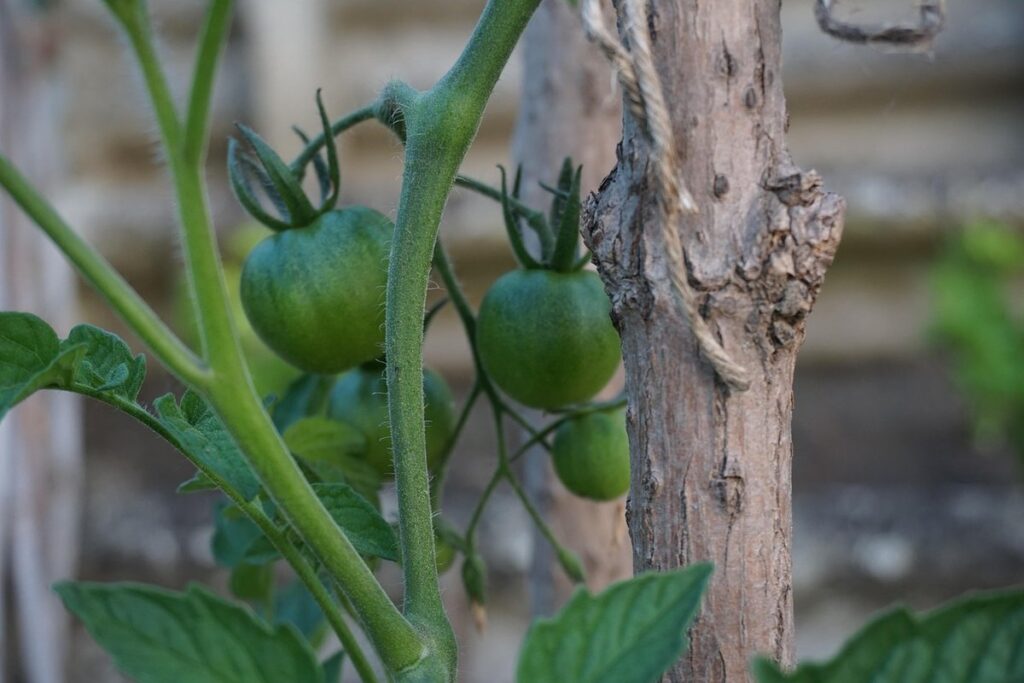
Understanding Tomato Supports
When it comes to choosing the right tomato supports, understanding their different types is crucial for selecting the perfect fit for your garden and specific needs. We’ll break down each type in this section.
Benefits of Using Tomato Supports
Using tomato supports can have a significant impact on your garden’s productivity and overall health. By providing a sturdy structure for your plants to grow against, you’ll notice improvements in several key areas.
For one, using tomato supports will lead to improved fruit production. When plants are given the support they need to grow upwards, rather than sprawling along the ground, they’re able to receive more sunlight and air circulation, which can lead to a significant increase in yields. In fact, studies have shown that supported plants can produce up to 20% more fruit compared to unsupported ones.
In addition to increased production, tomato supports also help maintain better plant structure. By keeping your plants upright and organized, you’ll reduce the likelihood of disease spreading through contact between leaves and stems on the ground. This is especially important for tomatoes, which are prone to soil-borne diseases like verticillium wilt. Regularly inspecting your plants and providing support as needed will help prevent these issues from arising in the first place.
Regular pruning and training of supported plants also makes it easier to spot any potential problems early on.
Types of Tomato Supports Available
When it comes to supporting your tomato plants, you have several options to choose from. Each type of support has its unique features and benefits, making some more suitable for certain garden conditions and plant types.
Tomato cages are a popular choice for their ease of use and space-saving design. They typically consist of a wire or metal mesh enclosure that surrounds the plant, providing support as it grows. Cages are great for indeterminate tomato varieties and can be easily moved to accommodate multiple plants.
Trellises offer a more vertical growing option, allowing you to train your tomato vines to climb up the support. They come in various materials, including wood, metal, and PVC, and can be customized to fit different garden spaces. Trellises are ideal for determinate tomato varieties that produce smaller fruits.
Stakes are another simple yet effective option for supporting indeterminate tomato plants. They consist of a single rod or post that is driven into the ground, providing support as the plant grows. Stakes are often used in conjunction with twine or ties to secure the plant in place.
Arbors provide a more decorative and structural element to your garden. They can be made from wood, metal, or other materials and offer a space for climbing plants like tomatoes to grow. Arbors come in various shapes and sizes, making them suitable for different garden styles and spaces.
When choosing between these options, consider the mature size of your tomato plant, its growth habit, and the available space in your garden.
Choosing the Right Type of Support
When selecting the perfect tomato support for your garden, it’s essential to consider a few key factors that will impact its performance and longevity. Let’s take a closer look at the different types available.
Cage Supports: Pros and Cons
Cage supports are a popular choice among gardeners due to their ease of installation and space-saving design. They typically consist of a metal or plastic framework that is wrapped around the plant, providing support for its growing stem and fruit. One of the main advantages of cage supports is their simplicity – they can be easily installed by simply placing them around the base of the plant, eliminating the need for complicated setup.
However, cage supports may not be suitable for larger plants or those with a more extensive root system. Their structure can become overwhelmed by the plant’s growth, leading to damage and reduced yields. Additionally, cage supports can make it difficult to access the plant’s center, hindering pruning and harvesting tasks. If you’re growing indeterminate tomatoes or other large varieties, you may want to consider alternative support options that provide more flexibility and structural integrity.
When choosing a cage support for your tomato plants, look for models made from durable materials, such as rust-resistant steel or heavy-duty plastic. These will help ensure the support can withstand harsh weather conditions and hold up against strong winds.
Trellis Supports: Design and Installation Tips
When it comes to choosing trellis supports, there are several design considerations to keep in mind. First and foremost, you’ll want to consider the type of tomatoes you’re growing. Indeterminate varieties, for example, require more support than determinate varieties as they grow much longer.
In terms of design, you can opt for a simple, freestanding trellis or one that’s attached to a wall or fence. If you choose the latter, make sure it’s securely fastened to prevent toppling over in strong winds. Another consideration is the material used – wooden trellises are a popular choice due to their natural beauty and durability.
When installing your trellis, make sure it’s at least 6 feet tall to allow for proper growth of the tomato plants. You’ll also want to space the supports about 12-18 inches apart to give the plants room to grow without becoming too congested. As your tomatoes begin to produce fruit, gently tie them to the trellis using soft twine or clips to prevent damage and promote even ripening.
Installing Tomato Supports
Now that you have chosen the perfect tomato supports for your garden, let’s move on to installing them securely and safely. This is a crucial step in ensuring their stability.
Preparing Your Soil and Plants
Before installing tomato supports, it’s essential to prepare your soil and plants properly. This will ensure that your plants get the best possible start, which is crucial for a healthy and productive harvest.
To begin with, test your soil pH levels to determine if they’re suitable for tomatoes. Most tomatoes prefer a slightly acidic to neutral soil pH, ranging from 6.0 to 7.0. If your soil is too alkaline or acidic, you may need to add lime or sulfur to adjust the pH levels.
Next, consider the nutrient content of your soil. Tomatoes are heavy feeders and require a well-balanced diet of nitrogen, phosphorus, and potassium (NPK). You can use compost or fertilizer specifically formulated for tomatoes to provide essential nutrients. Mix in about 2-3 inches of compost into the top 6-8 inches of soil before planting.
Also, inspect your plants’ roots and remove any weak or damaged growths to prevent disease and pests from spreading. Prune your tomato seedlings to encourage bushy growth and promote better air circulation around the plant. By taking these simple steps, you’ll be creating a conducive environment for your tomatoes to thrive, which is essential for getting the most out of your supports.
Securing Your Supports
Securing your tomato supports is crucial to prevent them from toppling over due to strong winds or heavy fruit. To do this effectively, you’ll want to choose the right materials and methods for securing your supports.
Using stakes is a common method, but it can be less effective if not done correctly. For example, if the stake is too thin or too short, it may not provide enough support for the plant. On the other hand, using thicker stakes or multiple stakes spaced evenly apart can be more secure. To use stakes effectively, drive them into the ground about 6-8 inches deep and tie the tomato plant to the stake with twine or clips.
Alternatively, you can use twine or clips specifically designed for securing tomato supports. Twine is a simple and inexpensive option that works well, but it can be prone to tangling and may not provide enough support if the plant grows too large. Clips, on the other hand, are easier to adjust as the plant grows and can provide more even support.
When using twine or clips, make sure to tie them snugly but not too tightly, as this can damage the plant’s stem. Regularly check your supports and make adjustments as needed to ensure they remain secure throughout the growing season.
Training Your Tomato Plants
Now that you’ve chosen the perfect tomato support, it’s time to teach your plants how to make the most of it. In this next step, we’ll cover how to train your tomato plants for optimal growth and stability.
Pruning Techniques for Maximum Growth
When it comes to training your tomato plants, pruning is an essential technique that can significantly impact their growth and fruit production. By removing specific parts of the plant, you’re directing its energy towards producing more fruit, rather than foliage.
Here are some key pruning techniques to keep in mind:
Remove lower leaves to prevent soil-borne diseases from spreading up the stem, and to promote healthy airflow around the fruit. Cut off any weak or spindly growth that’s not producing fruit, as this will allow the plant to focus its energy on more productive areas.
Consider “topping” your indeterminate tomato plants by removing the top set of leaves to encourage bushy growth and prevent them from becoming leggy. For determinate varieties, prune the tips of the branches to encourage branching and promote a stronger root system.
Timing is also crucial – prune your tomatoes when they’re around 6-8 inches tall, and then again after fruiting has begun. This will help control the plant’s size and direct its energy towards producing more fruit throughout the season.
Supporting Indeterminate Tomatoes
Indeterminate tomatoes can grow up to 6 feet tall and require more support than their determinate counterparts. As they produce fruit continuously throughout the season, they need a sturdy structure to keep them upright and promote healthy growth.
To provide adequate support for indeterminate tomatoes, start by installing a trellis or tomato cage early in the growing season. You can place it near the base of the plant or tie the stem to the cage as it grows. As the plant reaches about 2 feet tall, begin training it onto the support using twine or clips.
Another option is to use a teepee-style trellis made from bamboo stakes or wire frames. Simply drive the stakes into the ground and weave the plant’s stems through the framework. This type of support allows for better air circulation and can help prevent disease.
Remember, regular pruning will also help keep your indeterminate tomatoes manageable and encourage them to produce more fruit. Remove any weak growth and cut back long stems to maintain a balanced structure. With proper support and care, you’ll be rewarded with a bountiful harvest of delicious, homegrown tomatoes.
Common Challenges and Solutions
When it comes to growing tomatoes, you’ll inevitably encounter some common challenges that can stump even the most seasoned gardeners. Let’s tackle these obstacles together in this next section.
Overgrown Plants: What to Do
When dealing with overgrown tomato plants, it’s essential to take control before they start competing for resources and affecting fruit production. One common issue is that the vines become too dense, making it difficult to access the fruits or support them properly.
To manage overgrown tomato plants, start by pruning them back to encourage bushy growth and prevent them from becoming leggy. Remove any weak or spindly stems, as well as any branches that are crossing or rubbing against each other. This will help maintain air circulation and reduce disease risk.
Another approach is to provide additional support for the plant using tomato supports. By giving the plant a sturdy framework, you can keep it upright and encourage horizontal growth. This makes it easier to manage the foliage and access the fruits without having to fight through dense vines. Regular pruning and training will also help maintain a balanced shape, promoting healthy growth and maximizing yields.
Regular inspections and maintenance are key in preventing overgrowth issues.
Pests and Diseases: Prevention Tips
When it comes to growing tomatoes, pests and diseases can be one of the biggest challenges you’ll face. These issues not only damage your plants but also lead to reduced yields and a lower quality harvest. To minimize the risk of pest and disease infestations, it’s essential to implement some prevention measures.
Start by choosing varieties that are resistant to common tomato diseases such as fusarium wilt and nematodes. You can also incorporate crop rotation into your garden plan to break the disease cycle. For example, if you grew tomatoes in a particular bed last season, consider planting a different type of fruit or vegetable in that spot this time around.
In addition to these measures, there are several physical barriers you can use to deter pests. Row covers, fine mesh screens, and copper tape can all be effective deterrents against aphids, whiteflies, and other small insects. For larger animals like rabbits and deer, consider using fences or repellents to protect your plants.
Maintenance and Upkeep
Once you’ve got your tomato supports in place, it’s essential to keep them sturdy and secure throughout the growing season by performing regular maintenance tasks. Regular checks will help ensure your plants receive optimal support.
Regular Inspections for Damage or Wear
As you continue to tend to your tomato plants, it’s easy to overlook the supports that are working hard behind the scenes to keep them upright and healthy. However, regular inspections of your tomato supports are crucial to ensure they remain in good condition. This means checking for signs of damage or wear after each major weather event, particularly strong winds or heavy rainfall.
During these checks, look for any broken or loose parts, such as snapped wires, rusted metal components, or worn-out fabric. Inspect the soil around your supports to make sure they’re not sinking into the ground or developing uneven growth patterns due to poor support placement. Also, keep an eye out for pest infestations or diseases that might be taking hold on the supports themselves.
By performing these regular inspections, you’ll be able to identify and address any issues before they compromise your tomato plants’ stability or overall health. Remember, a well-maintained support system is essential for promoting healthy growth and maximizing your harvest yield.
Adjusting Your Supports as Needed
As your tomato plants continue to grow and thrive, it’s essential to monitor their support needs regularly. What worked perfectly at planting time might not be enough as the season progresses. Be prepared to make adjustments to ensure your plants receive the necessary support.
Observe your plants closely and look for signs that they need additional or different types of support. Are the stems becoming too heavy, causing them to sag? Do you notice leaves touching the ground or other nearby plants? These are clear indicators that it’s time to reassess your support system.
One common adjustment is to add trellis extensions or stakes to provide extra stability. For example, if you’ve been using a single stake, consider adding a second one on the opposite side of the plant for added security. Alternatively, you might need to swap out a simple tomato cage for a more robust one that can handle increased weight.
Keep in mind that adjusting your supports too frequently can damage plants or disrupt their growth. It’s better to err on the side of caution and make fewer but more significant adjustments throughout the season.
Conclusion
Now that you’ve learned about the different types of tomato supports, it’s time to put your newfound knowledge into action. Remember, choosing the right support for your tomatoes is crucial to promote healthy growth and prevent damage from weight or disease. Think back on the factors we discussed – such as space constraints, plant size, and personal preference – and decide which type of support best suits your garden needs. Don’t be afraid to get creative and combine different types of supports to create a unique solution for your specific tomato plants. By selecting the right support, you’ll enjoy a bountiful harvest of juicy, flavorful tomatoes that will make all your gardening efforts worthwhile.
Frequently Asked Questions
How to Determine if My Tomato Plants Need Additional Support?
Before investing in supports, it’s essential to assess your tomato plants’ individual needs. Consider factors like plant height, stem thickness, and growth habits to determine whether added support is necessary.
Can I Use Pre-Existing Structures as Tomato Supports?
Yes, you can repurpose existing structures, such as stakes or trellises, to serve as supports for your tomatoes. However, ensure they are sturdy enough to hold the weight of your plants and fruits without toppling over in the wind.
What’s the Best Time to Install Tomato Supports?
The ideal time to install tomato supports depends on your specific climate and plant growth rates. Generally, it’s best to set up supports when seedlings reach about 6-8 inches tall or as soon as you notice signs of stem elongation.
How Do I Secure My Supports in Windy Conditions?
To prevent supports from toppling over, use a combination of heavy-duty stakes, anchoring systems (like ground anchors), and securing clips to attach the support directly to the plant. Additionally, consider using wind-resistant support materials like bamboo or metal pipes.
What If I Notice My Plants Are Still Overgrowing Their Supports?
Regularly inspect your supports for signs of wear or damage and adjust them as needed to accommodate growing plants. Consider upgrading to a more substantial structure or installing additional supports if the plant continues to outgrow its existing setup.