
If you’re looking for natural ways to boost your health and wellness, then you’re in the right place! Honey and ginger are two superfoods that have been used for centuries to alleviate digestive issues, allergies, and even skin problems. Not only do they taste amazing together, but they also pack a punch when it comes to providing relief from common ailments. By combining these natural remedies, you can enhance your overall wellness and feel the benefits of a healthy lifestyle.
This article will dive into the sweet and spicy world of honey and ginger, exploring their individual benefits and how they work together in harmony. We’ll cover topics such as digestive health, allergy relief, and even provide some delicious recipes to get you started on your journey to enhanced wellness. Whether you’re looking for a natural cure or just want to add some variety to your diet, this article is the perfect place to start.
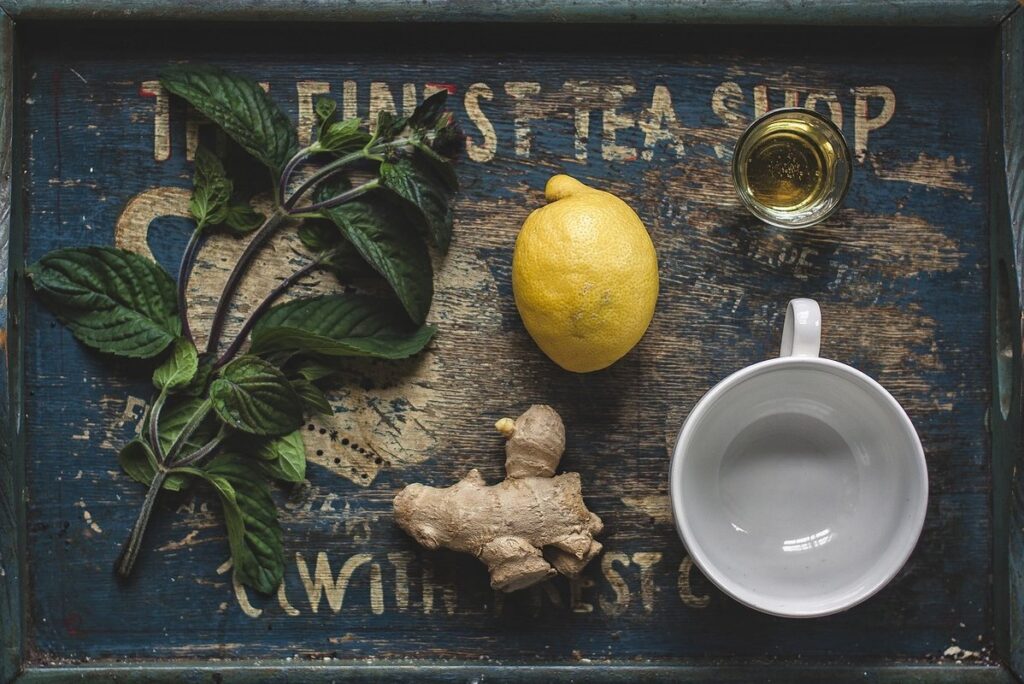
Introduction to Honey and Ginger
Let’s start by exploring what makes honey and ginger such a powerful duo, and why they’ve been used for centuries to promote overall wellness. We’ll delve into their unique properties and benefits.
History and Cultural Significance of Honey and Ginger
Honey and ginger have been revered for their medicinal properties and culinary uses across various cultures for centuries. One of the most significant historical uses of these two ingredients can be seen in ancient Egypt, where honey was considered a luxury item and used not only as a sweetener but also for its antimicrobial properties to treat wounds and infections. In contrast, ginger was prized for its warming properties and used to alleviate digestive issues.
In China, ginger has been used for over 3,000 years as an essential ingredient in traditional medicine, known as “Zingiber officinale”. It’s believed that the Chinese used ginger not only for its culinary benefits but also for its medicinal properties, including reducing nausea and inflammation. Similarly, in India, honey is mentioned in the ancient Ayurvedic texts as a natural remedy for various ailments, from skin conditions to respiratory issues.
The cultural significance of these ingredients can be seen in their continued use today in traditional medicine practices around the world, highlighting their enduring importance in human health and well-being.
Brief Overview of Nutritional Benefits
When it comes to honey and ginger, their nutritional benefits are nothing short of impressive. Honey is an excellent source of antioxidants, which help protect cells from damage caused by free radicals. In fact, a single tablespoon of dark honey contains over 13% of the daily recommended intake of vitamin C, a powerful antioxidant that also boosts immune function.
Ginger, on the other hand, is rich in vitamins and minerals like manganese, magnesium, and potassium. These essential nutrients not only support healthy blood flow but also play a crucial role in maintaining bone health. The antibacterial properties present in ginger are particularly noteworthy, as they can help alleviate symptoms of indigestion and nausea.
Incorporating both honey and ginger into your diet is relatively easy. You can start by adding a drizzle of raw honey to your morning oatmeal or yogurt, while also incorporating fresh ginger into your cooking. A simple way to do this is by grating 1-2 inches of fresh ginger and sautéing it in olive oil as a side dish for your favorite meals. By making these small changes, you can unlock the full potential of honey and ginger’s nutritional benefits, promoting overall health and wellness.
Health Benefits of Honey
Let’s dive into one of the most fascinating aspects of honey: its incredible health benefits, which have been cherished for centuries by natural remedy enthusiasts and medical professionals alike.
Digestive Health: The Role of Honey in Gut Health
Honey has been touted as a superfood for centuries, and its potential to support gut health is one of its most impressive benefits. Our gut is home to trillions of microorganisms that play a crucial role in our overall well-being. Honey’s unique combination of prebiotics and antimicrobial properties makes it an excellent addition to a digestive health regimen.
Research has shown that honey can help reduce inflammation in the gut, which is often a precursor to digestive issues such as bloating, constipation, or IBS. This anti-inflammatory effect is particularly notable in individuals with conditions like Crohn’s disease or ulcerative colitis. To incorporate honey into your gut-friendly diet, try adding it to your morning oatmeal or yogurt, or use it as a sweetener in place of refined sugars.
In addition to its prebiotic properties, honey also contains compounds that have antimicrobial and antifungal effects, helping to maintain a healthy balance of gut bacteria. This makes it an excellent natural remedy for digestive issues like diarrhea, acid reflux, or stomach ulcers. When using honey as a treatment for digestive issues, start with small amounts (about 1-2 teaspoons per day) and gradually increase the dosage as needed.
Antibacterial and Antifungal Properties
Honey’s remarkable antimicrobial properties have been harnessed for centuries to promote wound healing and prevent infections. Research has shown that honey’s acidity and low pH level create an environment inhospitable to microbial growth, making it an effective antibacterial agent. In fact, a study published in the Journal of Wound Care found that medical-grade honey significantly reduced bacterial load on burn wounds.
When applied topically, honey can help prevent infection in minor cuts and scrapes. For example, applying a thin layer of honey to a scrape or cut before covering it with a bandage can aid in healing while minimizing scarring. Additionally, honey’s antifungal properties make it an effective remedy for treating fungal infections such as athlete’s foot.
To harness the antimicrobial power of honey and ginger, try mixing equal parts of pure honey and finely grated fresh ginger to create a paste. Apply this paste directly to affected areas twice daily to help combat infection and promote healing. Remember to always choose high-quality, raw honey that has not been heat-treated or filtered, as these processes can destroy its natural antimicrobial properties.
Allergy Relief: How Honey Can Help
When it comes to managing allergies, many people turn to over-the-counter medications or prescription treatments. However, honey has been touted as a natural allergy relief agent for centuries. This may seem counterintuitive, considering that most commercial honey is processed and heated, which can destroy its potential health benefits.
Raw, unfiltered honey, on the other hand, contains bee pollen, which is rich in enzymes and nutrients that can help build up your immune system over time. As you consume small amounts of raw honey regularly, your body becomes more tolerant to local allergens like pollen, dust mites, and pet dander. This process is known as immunotherapy or allergy desensitization.
In a study published in the Journal of Alternative and Complementary Medicine, participants who consumed 1-2 tablespoons of locally produced, raw honey daily for three months experienced significant improvements in allergy symptoms compared to those who took antihistamines or other conventional treatments. By incorporating raw honey into your diet, you may find that you need fewer medications to manage your allergies.
To get started, look for local beekeepers who sell raw, unfiltered honey harvested from their beehives. Start by consuming a small amount (about 1/2 teaspoon) mixed with warm water or tea daily, and gradually increase the dose as needed. Remember that everyone’s tolerance is different, so monitor your body’s response closely.
Health Benefits of Ginger
Ginger is a natural anti-inflammatory that has been shown to alleviate nausea, reduce pain and inflammation, and even help combat certain types of cancer. Let’s explore its amazing health benefits in more detail!
Anti-Inflammatory Effects of Ginger
Ginger has been a long-standing remedy for reducing inflammation and alleviating pain. Its anti-inflammatory effects are primarily attributed to its ability to inhibit the production of pro-inflammatory enzymes, such as COX-2 (cyclooxygenase-2). This enzyme plays a key role in triggering the inflammatory response by converting arachidonic acid into prostaglandins.
Research has shown that ginger’s active compound, 6-gingerol, effectively suppresses COX-2 activity. By inhibiting this enzyme, ginger reduces inflammation and pain at its source. This mechanism is particularly beneficial for individuals suffering from arthritis, as it can help alleviate joint pain and swelling.
In addition to its anti-inflammatory effects, ginger also contains other compounds that contribute to its pain-relieving properties. Its sesquiterpenes, such as zingiberene, have been shown to inhibit the production of pro-inflammatory cytokines, further exacerbating inflammation. By incorporating ginger into your diet or using it topically, you can harness its anti-inflammatory power and experience relief from chronic pain.
Ginger’s Antioxidant Properties and Free Radical Scavenging Ability
Ginger is renowned for its potent antioxidant properties, which enable it to combat free radicals and mitigate oxidative stress. The process begins with ginger’s ability to neutralize free radicals, unstable molecules that can cause cellular damage and contribute to chronic diseases like cancer, diabetes, and heart disease.
Research has shown that ginger contains a wealth of antioxidants, including gingerols and shogaols, which are responsible for its anti-inflammatory properties. These compounds have been found to scavenge free radicals, thereby preventing them from causing oxidative stress. Studies have demonstrated the effectiveness of ginger in reducing inflammation and improving symptoms associated with conditions like arthritis.
To incorporate ginger’s antioxidant properties into your daily routine, try adding it to your morning smoothie or tea. You can also use fresh ginger in cooking or take it as a supplement. Aim for 1-2 inches of fresh ginger per day or 250-500 mg of dried ginger powder. With consistent consumption, you may experience improved immune function and reduced inflammation.
When combined with the antioxidant properties of honey, the benefits are compounded, making for a powerful duo in promoting overall well-being.
Ginger and Digestive Health: Solving Bloating and Nausea Issues
Ginger has been touted for its numerous health benefits, but one of its most impressive advantages lies in its ability to soothe digestive issues. Many individuals struggle with bloating and nausea, and ginger’s anti-inflammatory properties make it an effective natural remedy. When consumed in moderation, ginger can help alleviate symptoms associated with irritable bowel syndrome (IBS) such as cramping, diarrhea, and gas.
To harness the digestive benefits of ginger, try incorporating it into your meals in a variety of ways. Make a soothing tea by steeping fresh ginger in hot water or add crystallized ginger to your favorite stir-fry recipes. Some people find that consuming a small amount of raw ginger before eating can also help stimulate digestion and reduce nausea.
It’s essential to note that excessive ginger consumption may exacerbate digestive issues, so start with small amounts (about 1-2 inches of fresh ginger or a teaspoon of crystallized ginger) and observe how your body reacts. By incorporating ginger into your diet in moderation, you may find relief from bloating and nausea, allowing you to enjoy your favorite foods without discomfort.
Incorporating honey and ginger together can also have a synergistic effect on digestion. The sweetness of the honey helps balance out the spiciness of the ginger, making it an enjoyable and soothing combination for those with sensitive stomachs.
The Synergistic Effects of Honey and Ginger Together
Combining honey and ginger can amplify their individual health benefits, creating a powerful duo that’s more effective than its separate parts. Let’s dive into the synergistic effects of this sweet and spicy pairing.
Combining the Benefits for Enhanced Wellness
When consumed together, honey and ginger can have a profound impact on our overall well-being. One of the most significant benefits is improved digestion. The sweetness of honey helps to balance out the spiciness of ginger, making it easier for our bodies to digest food. This synergy also stimulates the production of digestive enzymes, which further enhances nutrient absorption.
Ginger’s anti-inflammatory properties are another key benefit when paired with honey. The compound gingerol, found in ginger, reduces inflammation by blocking pro-inflammatory enzymes. Honey, with its antimicrobial and antioxidant properties, complements ginger’s effects, creating a potent combination that soothes the digestive system and reduces inflammation throughout the body.
To experience these benefits, try adding a spoonful of raw honey to your tea or smoothie after consuming spicy foods containing ginger. You can also use this duo as a natural remedy for indigestion and bloating by mixing equal parts honey and ginger paste with warm water before bedtime.
Therapeutic Applications: Using Honey-Ginger Combinations in Healthcare
Honey-ginger combinations have shown promise in treating various health conditions, making them an exciting area of research in healthcare. For instance, studies have found that honey-ginger concoctions may help alleviate symptoms of gastrointestinal disorders such as irritable bowel syndrome (IBS) and ulcerative colitis. The anti-inflammatory properties of ginger, combined with the antibacterial properties of honey, may reduce inflammation and promote healing in the digestive tract.
Additionally, the combination has been explored for its potential to combat respiratory issues like bronchitis and chronic obstructive pulmonary disease (COPD). Ginger’s expectorant properties help loosen mucus, while honey’s antimicrobial properties soothe the throat and airways. Research also suggests that a honey-ginger mixture may aid in wound healing by accelerating tissue repair and reducing infection risk.
To incorporate this therapeutic application into your healthcare routine, consider using a 1:1 ratio of honey to ginger. Mix the two ingredients with warm water or tea to create a soothing drink. You can also add it to topical creams or ointments for skin issues like eczema or acne. Remember to consult with a healthcare professional before making any changes to your treatment plan.
Preparing and Using Honey and Ginger in Recipes
Now that you have a solid understanding of honey and ginger’s benefits, let’s explore how to incorporate them into your cooking with these simple preparation tips. We’ll cover popular recipe ideas using these two ingredients.
Cooking with Honey and Ginger: A Guide to Flavorful Meals
When it comes to cooking with honey and ginger, the possibilities are endless. But before we dive into some of our favorite recipes, let’s talk about how to incorporate these two superfoods into your dishes.
To start, consider using honey as a sweetener in place of refined sugars. Not only will this add natural sweetness to your meals, but it also provides a rich source of antioxidants and antibacterial properties. For example, try drizzling honey over roasted vegetables or using it as a glaze for meats during the last few minutes of cooking.
Ginger, on the other hand, is a versatile ingredient that can be used in both sweet and savory dishes. Add fresh ginger to your morning smoothies or tea for an immunity boost, or use crystallized ginger to add a spicy kick to baked goods. When using honey and ginger together, start with small amounts of each and adjust to taste – the combination can be quite potent!
Some other tips to keep in mind: when working with raw honey, it’s best to use high-quality, unfiltered varieties that retain their natural nutrients and flavor. For crystallized ginger, look for brands that are low in added sugars and artificial preservatives. Experimenting with different combinations of honey and ginger will help you develop a signature flavor that’s all your own – so don’t be afraid to get creative!
DIY Remedies: Making Your Own Honey-Ginger Treatments at Home
Making honey-ginger treatments at home is easier than you think. With just a few simple ingredients and some basic kitchen equipment, you can create effective remedies for various health issues. To start, combine 2 tablespoons of raw honey with 1 tablespoon of freshly grated ginger to make a soothing paste. You can apply this paste topically to reduce pain and inflammation, or consume it orally to boost your immune system.
For a more potent treatment, try mixing equal parts honey and ginger juice, then applying the mixture to affected areas using a warm compress. This remedy is particularly effective for relieving sore throats and coughs. To make honey-ginger lozenges at home, simply combine 2 tablespoons of honey with 1 teaspoon of grated ginger and shape into small balls. Allow the mixture to dry completely before storing in an airtight container.
When using your homemade honey-ginger treatments, be sure to store them properly to maintain their potency. Keep the mixtures away from direct sunlight and heat sources, and use clean utensils each time you apply or consume them.
Potential Side Effects and Precautions When Consuming Honey and Ginger
While honey and ginger offer numerous benefits, it’s essential to be aware of potential side effects and take necessary precautions when consuming them in large quantities or for extended periods. Be sure to consult a healthcare professional if you experience any adverse reactions.
Allergies and Intolerances: Risks to Consider
If you’re considering incorporating honey and ginger into your diet, it’s essential to be aware of the potential risks associated with allergies and intolerances. Some people may experience adverse reactions to these ingredients, which can range from mild discomfort to severe health issues.
Honey, for instance, is a common allergen that can cause anaphylaxis in rare cases. If you’re new to consuming honey, start by introducing small amounts into your diet and monitor your body’s response. Be aware of symptoms like hives, itching, or swelling, which may indicate an allergy.
Similarly, ginger can cause gastrointestinal upset in some individuals, particularly those with digestive issues. If you experience nausea, diarrhea, or stomach pain after consuming ginger, it’s possible that you have a intolerance to the spice. In both cases, if you suspect an allergic reaction or intolerance, discontinue use and consult with a healthcare professional for proper diagnosis and guidance.
To minimize risks, always choose high-quality honey and ginger products from reputable sources, and follow recommended dosages. If you’re unsure about your sensitivity or have pre-existing conditions, consult with a healthcare expert before incorporating these ingredients into your diet.
Interactions with Medications: What You Need to Know
When it comes to incorporating honey and ginger into your diet, it’s essential to be aware of potential interactions with medications you may be taking. This is particularly crucial for individuals on blood thinners, as honey has been shown to enhance the anticoagulant properties of warfarin and increase the risk of bleeding complications.
For instance, consuming large amounts of honey can lead to an excessive effect when combined with medication such as Plavix (clopidogrel) or Coumadin (warfarin). To minimize risks, it’s recommended that you consult your healthcare provider before making significant changes to your diet. This is especially true if you’re on a stable dosage regimen.
Similarly, individuals taking diabetes medications may need to adjust their dosages due to the natural sweetness of honey and its potential impact on blood sugar levels. Ginger, on the other hand, has been found to have a more pronounced effect on glucose metabolism in some cases. If you’re managing diabetes through medication, consider consulting with your healthcare provider or registered dietitian for personalized guidance on incorporating honey and ginger into your meal plan.
Conclusion and Final Thoughts on the Power Couple of Honey and Ginger
As we come to a close, let’s recap the key takeaways from our exploration into the amazing benefits of honey and ginger for your health. Now it’s time to tie everything together!
Recap of Key Findings and Takeaways
In conclusion to our comprehensive guide on honey and ginger, let’s recap the key findings and takeaways. We’ve explored the numerous benefits of incorporating these two natural ingredients into your daily life.
From soothing digestive issues with warm ginger tea to harnessing the antibacterial properties of honey for wound healing, we’ve seen how this dynamic duo can be used in various ways. Honey has been shown to have potential anti-inflammatory effects, reducing joint pain and improving respiratory function when consumed as a cough syrup or added to warm water.
Ginger, on the other hand, has been found to aid in nausea relief and improve cognitive function due to its high content of vitamin B6 and magnesium. By combining these two ingredients, you can create a powerful remedy for various health issues, from colds and flu to skin irritations and digestive problems.
To put this knowledge into practice, try adding a spoonful of honey to your morning ginger tea or substituting it in your favorite recipes for an extra boost of nutrition.
Future Research Directions: Unlocking the Full Potential of This Dynamic Duo
As we conclude our exploration of the incredible duo that is honey and ginger, it’s clear that there’s still much to be uncovered about their potential benefits. Future research directions are crucial to unlocking the full potential of these two powerhouse ingredients.
One area ripe for investigation is the synergistic effect of combining honey and ginger in various therapeutic applications. Studies have shown that this combination can enhance wound healing, reduce inflammation, and even exhibit antimicrobial properties. However, more research is needed to fully understand how their individual and collective bioactive compounds interact to produce such remarkable effects.
Another promising area of study lies in the realm of phytochemistry. Further analysis of the unique chemical profiles of different honey and ginger varieties could reveal new insights into their health-promoting potential. For instance, what are the specific flavonoids and phenolic acids responsible for their antioxidant properties? What about their potential impact on metabolic disorders or cardiovascular health?
To contribute to this ongoing research, consider sourcing high-quality, locally produced honey and ginger from reputable suppliers. You can also participate in citizen science initiatives or volunteer with organizations focused on natural health research. By collaborating with experts and staying informed about the latest discoveries, we can collectively harness the full potential of this dynamic duo.
Frequently Asked Questions
Can I use honey and ginger together with other natural remedies?
You can certainly combine honey and ginger with other natural remedies to create a more potent treatment. For example, mixing it with turmeric or coconut oil can enhance its anti-inflammatory properties. However, always research the individual ingredients and potential interactions before combining them.
How do I choose the right type of honey for my needs?
Raw, unfiltered honey is often preferred for its higher nutritional content and medicinal properties. Look for honey that’s locally sourced, organic, and free from additives or preservatives. You can also experiment with different types, such as manuka or buckwheat honey, to find what works best for your specific health concerns.
What are some potential side effects of consuming large amounts of honey?
Yes, excessive consumption of honey can lead to an overconsumption of sugar and calories. This may be a concern for those with diabetes or weight management issues. Additionally, raw honey can contain small amounts of botulinum spores, which can cause food poisoning in rare cases.
Can I use honey and ginger as a natural sweetener alternative?
Yes, you can use honey as a natural sweetener substitute in recipes. However, keep in mind that it has a stronger flavor than refined sugar and may not provide the same sweetness level. Ginger can also be used as a spice to add flavor without added sugars.
How do I store honey and ginger to maintain their medicinal properties?
To preserve the medicinal properties of honey and ginger, store them in a cool, dark place away from direct sunlight. For honey, it’s best to keep it in an airtight container at room temperature (around 60°F to 70°F). For ginger, you can store it in the refrigerator or freeze it to maintain its potency.