
Are you tired of worrying about overwatering your peace lilies, only to have them sit in soggy soil for days? If so, growing your peace lily in water might be just the solution you’ve been looking for. Not only does this method reduce the risk of overwatering, but it also allows for improved air circulation around the roots – a must-have for these beautiful plants.
In this article, we’ll delve into the world of growing peace lilies in water and explore its numerous benefits. We’ll cover how to properly care for your plant while it’s in water, including tips on how often to change the water, what type of container to use, and more. Whether you’re a seasoned gardener or just starting out, we’ll walk you through every step of the way so you can enjoy the stunning blooms and air-purifying benefits of your peace lily with ease.
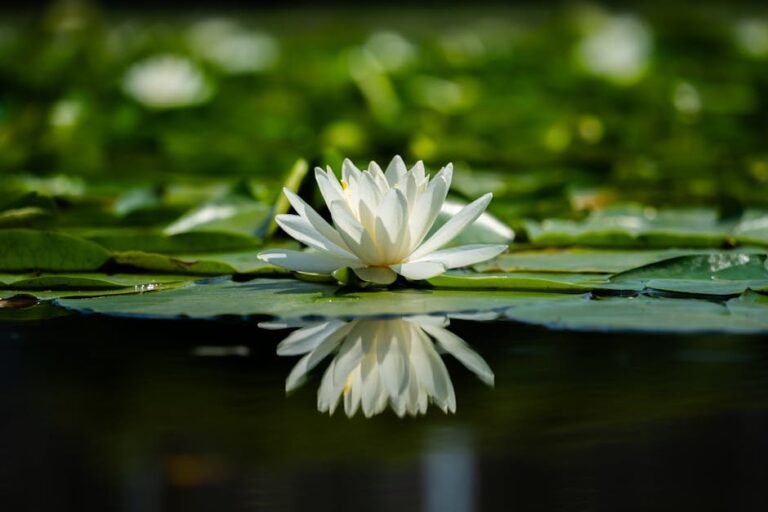
Section 1: Benefits of Growing Peace Lilies in Water
Growing peace lilies in water can have a range of benefits, from reducing maintenance to promoting healthy growth and bloom production. Let’s explore these advantages up close!
Why Choose Hydroponics for Your Peace Lily
Choosing hydroponics for your peace lily is an excellent decision, especially when grown in water. One of the primary advantages is the reduced risk of overwatering, which is a common issue with traditional soil-based plants. When using hydroponics, you can precisely control the amount of nutrients and water your peace lily receives, eliminating the possibility of root rot and other problems associated with excess moisture.
Additionally, growing in water allows for improved air circulation around the roots, promoting healthy growth and preventing fungal diseases. This is particularly beneficial for peace lilies, which are prone to root rot if the soil is too moist. By using a hydroponic system, you can create an oxygen-rich environment that encourages strong root development.
Hydroponics also increases nutrient uptake by delivering essential minerals directly to the roots, leading to healthier and more vibrant plants. This means your peace lily will require fewer fertilizers, making it easier to maintain and care for.
Understanding the Science Behind Hydroponic Systems
Hydroponic systems have revolutionized the way plants grow, providing a controlled environment that optimizes nutrient uptake and promotes healthy root development. In a hydroponic system, plants are grown in a water-based solution rather than soil, which can lead to more efficient water use and reduced waste.
Here’s how it works: a hydroponic system consists of a reservoir where nutrients are dissolved, a pump or irrigation system that delivers the nutrient-rich solution to the roots, and an aeration system that ensures oxygen is present in the solution. This setup allows for precise control over nutrient levels, pH, and temperature, creating an ideal environment for your peace lily to thrive.
For example, by adjusting the nutrient levels and pH in a hydroponic system, you can prevent nutrient deficiencies that might occur when growing in soil. Additionally, hydroponic systems allow for more rapid root growth, which enables your peace lily to absorb nutrients more efficiently.
Tips for Selecting the Right Peace Lily Variety
When selecting a peace lily variety for growing in water, it’s essential to consider factors such as bloom time, plant size, and foliage texture. With over 30 species of peace lilies to choose from, the options can be overwhelming.
Some popular varieties for growing in water include ‘Sensation’, which produces large white blooms, and ‘Densmorei’, known for its dark green leaves and red spathes. If you’re looking for a compact variety, consider ‘Baby Doll’ or ‘Moonlight’, both of which grow to around 12-18 inches tall.
When selecting a peace lily for water culture, also consider the plant’s natural growing habits. For example, some varieties tend to produce more roots in water, while others may not do as well. Researching specific variety traits will help you choose the best plant for your needs.
Ultimately, the right peace lily variety for growing in water is one that balances your desired aesthetic with practical considerations like space and maintenance requirements.
Section 2: Preparing Your Peace Lily for Hydroponics
Now that you’ve set up your peace lily in water, it’s time to prepare it for a hydroponic system. This section will walk you through the necessary steps to ensure a healthy transition.
Choosing the Right Container for Your Peace Lily
When it comes to growing your peace lily in water, choosing the right container is crucial for its health and well-being. You can opt for a variety of containers, but some work better than others.
Glass vases are an excellent choice as they allow you to monitor your plant’s roots closely. This transparency also helps prevent overwatering, which can be detrimental to your peace lily. However, glass vases might not provide enough support or stability to the plant, especially when it grows taller.
Ceramic pots, on the other hand, offer better structural support and come in a range of designs that can add an aesthetic touch to your space. They also help regulate moisture levels, which is essential for peace lilies grown in water.
Self-watering planters are another popular option. These planters have built-in reservoirs that provide plants with the right amount of water as needed. This can be especially useful if you tend to forget to water your plants or live in an area with low humidity.
Regardless of which container you choose, ensure it has adequate drainage holes to prevent waterlogged soil and root rot. With a little research and consideration, you’ll find the perfect vessel for your peace lily’s hydroponic journey.
Selecting the Perfect Watering System for Your Peace Lily
When it comes to selecting the perfect watering system for your peace lily in water, you’ll want to consider a few different options. Drip irrigation systems are a popular choice among hydroponic gardeners, as they deliver water directly to the roots of the plant, reducing evaporation and runoff. This type of system is particularly well-suited for peace lilies, which prefer moist soil but can be susceptible to overwatering.
Misting systems, on the other hand, provide a fine spray of water that helps to maintain humidity around the plant. While misting systems can be more energy-intensive than drip irrigation, they’re often preferred by gardeners who want to create a lush, tropical environment for their peace lily. When choosing between these two options, consider your peace lily’s specific needs and preferences. If it thrives in moist conditions but is sensitive to overwatering, a drip irrigation system may be the better choice.
Some popular brands offer combination systems that include both drip irrigation and misting components. These hybrid systems can provide flexibility and adaptability for gardeners who want to experiment with different watering methods.
Preparing Your Peace Lily for Transition to Water
Before making the transition from soil to water, it’s essential to prepare your peace lily for its new environment. This involves repotting and hardening off procedures that will help your plant adapt smoothly.
Repot your peace lily into a container with excellent drainage, as this is crucial in hydroponic systems where water isn’t recycled like in soil-based gardening. Choose a pot size that’s slightly larger than the previous one to give the roots room to grow. Use a well-draining potting mix specifically designed for tropical plants.
Next, harden off your peace lily by gradually exposing it to more light and air circulation over the course of 7-10 days. Start by moving the plant to a shaded area outdoors or a bright indoor location with good ventilation. Monitor its response and adjust the duration and intensity of exposure accordingly. This will help prevent shock when transitioning to water.
By following these steps, you’ll be able to minimize stress and ensure a seamless transition for your peace lily as it enters its new hydroponic environment.
Section 3: Caring for Your Peace Lily in Water
When keeping your peace lily in water, it’s essential to maintain its environment and ensure optimal growth, which we’ll cover in this section. Proper care techniques will be discussed next.
Monitoring and Maintaining Optimal Water Levels
Monitoring water levels is crucial for your peace lily’s health when grown in water. Over- or under-watering can lead to root rot and other issues. Check the water level regularly by sticking your finger into the water, making sure not to disturb the roots.
Optimal water levels typically range from 1-3 inches above the base of the plant. This allows for good root growth while preventing the crown (where the leaves meet the stem) from sitting in water. Make adjustments as needed based on the temperature and humidity of your environment – peace lilies grown in warmer temperatures may require more frequent watering.
To maintain optimal water levels, use a large enough container to hold at least 1-2 gallons of water. This will help prevent frequent watering and allow you to monitor the level more easily. Additionally, ensure good air circulation around the plant by placing it on a tray or pedestal to avoid waterlogged soil.
Fertilizing Your Peace Lily in a Hydroponic System
Fertilizing your peace lily in a hydroponic system requires careful consideration of the nutrients it needs to thrive. In water-based systems, plants can quickly become dependent on fertilizers for essential micronutrients and macronutrients.
There are two main types of fertilizers available: synthetic and organic. Synthetic fertilizers provide quick results but may contain harsh chemicals that can harm your plant in excess. Organic options, such as fish emulsion or bone meal, promote a balanced nutrient intake without the risks associated with artificial additives. A general-purpose 20-20-20 NPK (nitrogen-phosphorus-potassium) fertilizer is suitable for peace lilies but consider supplementing with micro-nutrient-rich fertilizers like calcium and magnesium.
To fertilize your peace lily, start by adding a quarter-strength solution to the water reservoir once every two weeks. Monitor your plant’s response and adjust the frequency accordingly. Be cautious not to over-fertilize, as this can lead to nutrient burn and negatively impact root growth. Regularly test the pH level of your water to ensure it falls within the ideal range for your peace lily (5.5-6.5). By choosing the right fertilizer and following a balanced application schedule, you’ll be able to provide your peace lily with the essential nutrients it needs to flourish in its hydroponic environment.
Pruning and Grooming Your Peace Lily
To maintain your peace lily’s health and prevent pest issues, regular pruning and grooming are essential. Pruning helps control the plant’s size, encourages new growth, and promotes a fuller appearance. Start by removing dead or dying leaves, as these can become entry points for pests like mealybugs and spider mites.
To prune your peace lily effectively, use clean scissors to cut back any overgrown stems, aiming for about one-third of the plant’s total height. This will help maintain the plant’s shape while encouraging new growth from the remaining stems.
For grooming purposes, gently wipe down the leaves with a soft-bristled brush or a damp cloth to remove dust and dirt accumulation. This not only enhances the plant’s appearance but also helps prevent pest infestations by removing potential hiding spots.
Additionally, inspect your peace lily regularly for signs of pests, such as white powdery patches or tiny eggs on the leaves. If you notice any issues, treat your plant promptly with insecticidal soap or neem oil to prevent further damage. By incorporating these pruning and grooming tips into your care routine, you’ll be able to enjoy a thriving and pest-free peace lily in water for months to come.
Section 4: Troubleshooting Common Issues
Don’t worry if your peace lily is struggling – we’ve got you covered. This section addresses common issues and provides practical solutions to get your water-based peace lily thriving again.
Identifying and Addressing Overwatering Problems
When it comes to growing peace lilies in water, overwatering is one of the most common mistakes that can lead to root rot and nutrient deficiencies. This can be devastating for your plant, causing damage to its roots and leaving it vulnerable to disease. So, how do you identify if your peace lily is experiencing these problems?
Keep an eye out for yellowing leaves or soft, mushy stems – these are often the first signs of overwatering. You may also notice a sudden drop in growth or development, which can be a sign that the roots are rotting due to excess water. If you suspect root rot, carefully inspect the roots and remove any damaged areas.
To prevent overwatering, make sure your plant is receiving enough light and nutrients. Check the water level regularly and adjust as needed. Also, consider repotting your peace lily in a well-draining potting mix to help reduce the risk of root rot.
Managing Pests and Diseases in Your Hydroponic System
When growing peace lilies in water, it’s essential to monitor for common pests and diseases that can impact their health. One of the most significant threats is root rot, caused by overwatering and a lack of air circulation. To prevent this, ensure good drainage by changing the water regularly and providing adequate space between plants.
Common pests like aphids, mealybugs, and spider mites can also infest peace lilies in water. Inspect your plants closely for signs of these pests, such as white cottony patches or tiny moving dots on the leaves. To manage an infestation, gently remove affected areas with scissors or a soft brush, and treat the plant with insecticidal soap.
Fungal diseases like leaf spot and crown rot can also occur in hydroponic systems. These issues are often caused by contaminated water, poor air circulation, or high humidity levels. To prevent fungal growth, maintain good hygiene practices when handling plants and ensure adequate air exchange around your peace lilies. Regularly inspect your plants for signs of disease and address any issues promptly to keep them healthy.
Troubleshooting Nutrient Deficiencies in Your Peace Lily
If you notice that your peace lily is not thriving in its hydroponic system, it may be experiencing nutrient deficiencies. These deficiencies can occur due to various reasons such as incorrect pH levels, inadequate nutrient dosing, or poor water circulation.
One common type of deficiency is nitrogen (N) deficiency, which can cause pale leaves and stunted growth. To diagnose N deficiency, inspect the leaves for yellowing or pale coloration. If you suspect an N deficiency, adjust your nutrient schedule to ensure adequate nitrogen levels are being provided to the plant.
Another issue is magnesium (Mg) deficiency, which can lead to curled or distorted leaves. Diagnose Mg deficiency by observing leaf curling or stunted growth. To correct Mg deficiency, increase the concentration of magnesium in your nutrient solution and adjust the pH accordingly.
Regular water changes and monitoring of pH levels can help prevent nutrient deficiencies in hydroponic systems. Additionally, ensure that your peace lily is receiving adequate light and proper aeration to thrive in its aquatic environment.
Some common signs of nutrient deficiencies include yellowing leaves, stunted growth, and curled or distorted leaves. By being aware of these symptoms and taking corrective action promptly, you can prevent nutrient deficiencies and ensure the health and well-being of your peace lily.
Section 5: Advanced Techniques for Growing Peace Lilies in Water
If you’re ready to take your water-grown peace lily care to the next level, you’ll love these expert tips and tricks for optimal growth. From root pruning to repotting, we’ve got you covered.
Using Aeration Systems to Improve Root Growth
When it comes to growing peace lilies in water, providing adequate oxygenation to the roots is crucial for optimal growth. This is where aeration systems come into play, playing a vital role in promoting healthy root development and increasing plant yields.
Aeration systems work by circulating air within the hydroponic solution, allowing more oxygen to reach the roots of your peace lily. This process has numerous benefits, including:
* Enhanced nutrient uptake: With increased oxygenation, your peace lily can absorb essential nutrients from the solution more efficiently.
* Improved root growth: Aeration stimulates root development, encouraging the plant to produce a stronger and healthier root system.
* Increased yields: As a result of improved nutrient uptake and root growth, you can expect to see an increase in flower blooms and overall plant productivity.
To implement an aeration system in your hydroponic setup, consider using air stones or submersible pumps. These devices circulate the water, introducing oxygen into the solution and promoting healthy root development. Regular monitoring of pH levels and nutrient intake is also crucial to ensure the optimal functioning of your aeration system. By incorporating this advanced technique, you’ll be able to provide your peace lily with the ideal conditions for growth, resulting in a thriving and vibrant plant.
Implementing pH Control Systems for Optimal Nutrient Uptake
Maintaining optimal pH levels is crucial for peace lily growth in water-based systems. The ideal pH range for peace lilies is between 5.5 and 6.5. If the pH deviates from this range, it can lead to nutrient deficiencies or even plant death.
To implement a pH control system, you’ll need to choose a reliable pH meter that can accurately measure the pH levels in your system. You’ll also need to select a suitable pH adjuster, such as phosphoric acid or potassium hydroxide, and follow the manufacturer’s instructions for dosage and application.
Regular monitoring of pH levels is essential to avoid over-correction. For example, if you’re using a pH meter with an alarm function, set it to alert you when the pH drops below 5.5 or rises above 6.5. This will give you ample time to adjust the pH before it causes harm to your plant.
When adjusting the pH, start with small increments and gradually make adjustments until you reach the desired level.
Integrating CO2 Supplementation into Your Hydroponic System
When it comes to growing peace lilies in water, many enthusiasts have discovered that supplementing their plants with CO2 can lead to remarkable results. This process is known as carbonation, and it involves introducing additional CO2 into the water to enhance plant growth and development.
The benefits of CO2 supplementation are numerous. For one, it allows peace lilies to absorb nutrients more efficiently, leading to healthier leaves and blooms. Additionally, increased CO2 levels can boost photosynthesis rates, resulting in faster growth and more vibrant colors. Some growers even report improved resistance to disease and pests when their peace lilies receive adequate CO2.
To integrate CO2 supplementation into your hydroponic system, start by determining the ideal CO2 levels for your specific setup. Most hydroponic systems function well with CO2 levels between 800-1,200 ppm (parts per million). Next, consider investing in a CO2 tank or other supplementary source to maintain consistent CO2 delivery. Monitor and adjust as needed to ensure optimal growth and development.
Frequently Asked Questions
Can I use tap water for my peace lily when growing it in water?
No, we recommend using filtered or distilled water to prevent the buildup of minerals and salts that can harm your plant. Tap water may contain high levels of chlorine or fluoride, which can be toxic to peace lilies.
How often should I change the water in my hydroponic system for optimal results?
We recommend changing the water every 1-2 weeks, depending on the temperature and humidity of your environment. This will prevent the buildup of bacteria and maintain optimal nutrient levels for your plant.
What kind of container is best suited for growing peace lilies in water?
Choose a clear glass or plastic container that allows for good air circulation around the roots. Avoid using containers with small openings, as they can cause the water to become stagnant and promote bacterial growth.
Can I fertilize my peace lily in water every week, or will it lead to overfertilization?
Yes, you should fertilize your peace lily regularly, but not excessively. Fertilize once a month with a balanced fertilizer (20-20-20) at half the recommended strength. This will provide your plant with essential nutrients without causing harm.
How do I prevent pests and diseases in my hydroponic system for peace lilies?
Regularly inspect your plants for signs of pests or disease, and take action promptly if you notice any issues. Use neem oil or insecticidal soap to control pests, and treat fungal infections with a fungicide specifically designed for hydroponic systems.