
Nerve plants are some of the most unique and fascinating houseplants out there, known for their striking, velvety leaves that seem to writhe and twist in every direction. But while they’re certainly a head-turner, these delicate beauties require some special care to keep them thriving. Whether you’re a seasoned plant parent or just starting out, getting the lighting, watering, fertilizing, and pruning right can be a challenge.
In this article, we’ll dive into comprehensive nerve plant care tips that will have your plants looking their best in no time. From the importance of bright, indirect light to the perfect balance of water and nutrients, we’ll cover everything you need to know to keep your nerve plant happy and healthy. With expert advice on fertilizing and pruning, as well as troubleshooting common problems, you’ll be well-equipped to tackle any issues that may arise.
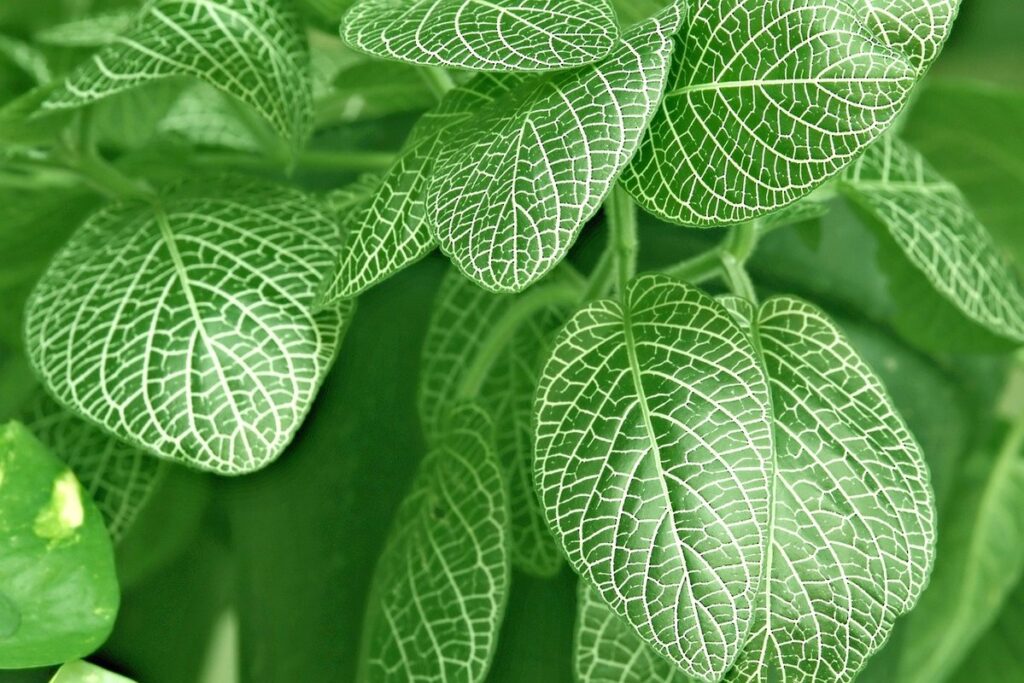
Understanding Your Nerve Plant
To truly master nerve plant care, you need to understand what makes your plant tick – literally. Let’s take a closer look at the unique characteristics of the nerve plant and how they impact its needs.
What is a Nerve Plant?
The Nerve Plant is a unique and fascinating addition to any indoor space. It’s an epiphyte, which means it grows on other surfaces rather than in the ground, making it perfect for hanging baskets or mounted on driftwood. Native to tropical regions of South America, this plant thrives in high-humidity environments and is often found growing on tree trunks or rocks.
One of its most distinctive features is its ability to store water in its leaves, allowing it to survive with minimal watering. This adaptation makes the Nerve Plant incredibly resilient, but also requires a bit more finesse when it comes to care. The plant’s leaves are typically heart-shaped and have prominent veins that resemble nerves – hence its name.
When grown indoors, the Nerve Plant tends to drop its lower leaves as it adjusts to its new environment. This is completely normal and shouldn’t be cause for concern. With proper care, including bright, indirect light and consistent watering, your Nerve Plant will thrive in no time, providing a beautiful display of unique foliage and air-purifying benefits.
Choosing the Right Variety
When it comes to choosing the right variety of nerve plant for your home or office, you’re faced with an exciting decision. With over 1,000 species to choose from, each offering unique characteristics and growth habits, selecting the perfect one can be daunting.
Some popular types of nerve plants include the Alocasia micholitziana ‘Frydek’, known for its striking white variegation and ability to tolerate full sun, while others like the Alocasia reginula prefer shadier conditions. The Alocasia infernalis boasts striking red veins and can thrive in low-light environments.
When selecting a nerve plant variety, consider your care level and the space it will occupy. For instance, if you’re new to nerve plant care or have limited light exposure, opt for varieties with darker leaves that require less maintenance. If you have ample space and plenty of indirect light, choose those with striking patterns or unique colors.
Some essential factors to keep in mind when choosing your nerve plant include temperature tolerance, watering needs, and fertilization requirements. Research the specific needs of each variety to ensure a harmonious match between plant and owner.
Lighting Requirements for Healthy Growth
When it comes to nerve plant care, proper lighting is essential for promoting healthy growth and vibrant foliage. In this next section, we’ll explore the specific lighting requirements your nerve plant needs.
How Much Light Does My Nerve Plant Need?
Determining the ideal lighting conditions for your nerve plant is crucial for its healthy growth. Since nerve plants are tropical natives, they require bright, indirect light to thrive. However, this doesn’t mean they can tolerate direct sunlight or high-intensity grow lights.
To determine the right amount of light for your nerve plant, observe its natural behavior. In low-light environments, such as north-facing windows or shaded areas, you may need to supplement with additional lighting. For instance, using LED grow lights that provide a balanced spectrum of 18-24 inches above the soil can help compensate for insufficient natural light.
On the other hand, if your nerve plant is placed in an area with high-intensity lighting, such as south-facing windows or under bright grow lights, ensure it’s not scorched. Monitor your plant’s response to these conditions and adjust the lighting accordingly. Aim for a balance where the leaves remain green but don’t become scorched or develop brown edges.
Keep in mind that nerve plants can adapt to different lighting conditions over time, but they’ll still require some direct light to photosynthesize properly.
Direct vs. Indirect Light
When it comes to nerve plant care, lighting is one of the most critical factors that can either promote healthy growth or lead to damage. The type of light exposure your nerve plant receives plays a significant role in its overall well-being, and understanding the difference between direct and indirect light is essential.
Direct light, especially from south-facing windows, can be beneficial for nerve plants during the winter months when they receive limited natural light. However, excessive exposure to direct sunlight can cause scorching, leading to brown spots or even killing the leaves. On the other hand, indirect light provides a gentle, filtered glow that’s ideal for promoting healthy growth year-round.
When choosing between direct and indirect light, consider the specific needs of your nerve plant. For example, some species prefer bright, indirect light, while others thrive in lower light conditions. To avoid over-exposure, start by placing your nerve plant near an east- or west-facing window during the summer months when sunlight is more intense.
Watering Your Nerve Plant: The Key to Success
Watering your nerve plant is an art that requires some finesse, and getting it just right will be crucial in keeping your plant happy and thriving. Let’s dive into the specifics of watering your nerve plant correctly.
Understanding Soil Moisture Levels
Checking soil moisture levels is crucial for nerve plant care. Over-watering and under-watering can be detrimental to its health, so it’s essential to monitor the soil conditions regularly. To check the soil moisture, insert your finger into the soil up to the first knuckle, about 1-2 inches deep. If the soil feels dry, it’s time to water your nerve plant. However, if it’s still damp or wet, wait a day or two before watering again.
Signs of over-watering include yellowing leaves, droopy stems, and soft, mushy roots. On the other hand, signs of under-watering are wilted leaves, dry soil, and brittle stems. If you notice any of these symptoms, adjust your watering schedule accordingly. Make sure to check the moisture level every 2-3 days during hot summer months when nerve plants tend to lose water quickly.
Keep in mind that different nerve plant varieties have varying needs. Some may require more frequent watering than others. Pay attention to how your specific plant responds to watering and make adjustments as needed. By regularly checking soil moisture levels, you’ll be able to provide the right amount of water for your nerve plant’s optimal health.
Frequency and Timing of Watering
When it comes to watering your nerve plant, frequency and timing are crucial. Over-watering can lead to root rot, while under-watering causes stress, leading to yellow leaves and a weakened plant.
The ideal watering schedule for your nerve plant depends on several factors, including temperature and humidity levels. In general, allow the top inch of soil to dry out between waterings. If you live in a hot and humid climate, you may need to water more frequently – every 3-4 days during peak summer months.
Conversely, if your home is air-conditioned or has low humidity, reduce watering to once a week. Monitor your plant’s response to the environment and adjust accordingly. For example, if your nerve plant starts to droop excessively between waterings, it may be a sign that you’re underwatering.
Remember to check the moisture levels by sticking your finger into the soil up to the first knuckle. This simple test will help you determine when it’s time to give your nerve plant some hydration. By paying attention to temperature and humidity levels, and adjusting your watering schedule accordingly, you’ll be able to keep your nerve plant happy and thriving.
Humidity and Temperature Considerations
When it comes to nerve plant care, understanding the right humidity and temperature conditions is crucial for your plant’s survival. Let’s dive into the ideal ranges that’ll keep your plant thriving.
Ideal Temperature Range for Nerve Plants
When it comes to caring for your nerve plant, maintaining an ideal temperature range is crucial. Nerve plants prefer temperatures between 65°F (18°C) and 75°F (24°C), with some varieties tolerating as low as 55°F (13°C). However, exposure to extreme temperatures can be detrimental to their health.
Temperatures above 85°F (29°C) can cause your nerve plant to become stressed, leading to reduced growth and potentially even death. Conversely, prolonged periods below 50°F (10°C) can also be damaging, causing leaf drop and stunted growth.
To give you a better idea of the risks associated with extreme temperatures, consider this: a study found that temperatures above 90°F (32°C) resulted in a 20% reduction in nerve plant growth. In contrast, keeping your nerve plant within its preferred temperature range can lead to healthy, vibrant foliage and optimal growth.
To ensure you’re providing the right conditions for your nerve plant, keep an eye on your home’s thermostat and adjust accordingly. For example, if you live in a warm climate, consider placing your nerve plant near a north-facing window or using a fan to circulate air and maintain a comfortable temperature range.
Maintaining Humidity Levels
Maintaining optimal humidity levels is crucial for nerve plant health. Since these plants thrive in humid environments, it’s essential to replicate their natural habitat. In ideal conditions, the air should be 50-60% relative humidity (RH). However, many of us live in areas with dry air, making it challenging to maintain such high humidity.
To increase humidity levels in low-humidity environments, you can try a few techniques. One method is to place the pot on a tray filled with water and pebbles. As the water evaporates, it increases the surrounding humidity. You can also use a humidifier specifically designed for plants. These devices release moisture into the air, creating a more humid microclimate around your nerve plant.
For those who prefer DIY solutions, you can group plants together to create a mini-greenhouse effect. By doing so, you’ll trap excess moisture and maintain higher humidity levels near your nerve plant. Regular misting with a water spray bottle is another technique to increase humidity, but be cautious not to overwater, as this can lead to root rot.
Fertilizing and Pruning Your Nerve Plant
To keep your nerve plant thriving, fertilization is key: learn how to feed it properly for a vibrant display of colors. Also, discover when pruning is necessary to maintain its shape and health.
When to Fertilize
When it comes to fertilizing your nerve plant, timing is everything. You want to provide your plant with essential nutrients during its growth stages and seasons to keep it healthy and thriving. A general rule of thumb is to fertilize your nerve plant during the growing season, which typically falls between spring and summer months.
For young or newly repotted nerve plants, start by fertilizing once a month with a balanced, water-soluble fertilizer (20-20-20). As your plant matures, you can switch to a more dilute solution (10-10-10) applied every 6-8 weeks. During the fall and winter months when growth slows down, you can reduce fertilization to once every 2-3 months.
Considerations for seasonal changes are also important. For example, if your nerve plant is exposed to direct sunlight during the summer, it may require more frequent fertilization. Conversely, if your plant is indoors with limited natural light, fertilization can be reduced accordingly. By adjusting your fertilizer schedule based on these factors, you’ll keep your nerve plant happy and vibrant throughout the year.
Techniques for Pruning
When it comes to pruning your nerve plant, it’s essential to do so correctly to promote bushy growth and prevent over-growth. One of the primary goals of pruning is to maintain the desired shape and size of your plant while encouraging new growth.
To achieve this, start by removing any dead or dying leaves, which can help prevent the spread of disease and encourage healthy growth. Use a pair of clean scissors or pruning shears to snip off these leaves at the base, making sure not to tear the stem. This will also help maintain the plant’s appearance and prevent unsightly brown edges.
To promote bushy growth, cut back the longest stems by about one-third to half, depending on their length. This will encourage the plant to produce new growth from the tips of the remaining stems. Be careful not to over-prune, as this can cause stress to the plant. Instead, prune regularly to maintain a balanced shape.
Another technique is to pinch off the top set of leaves on each stem. This will help control the plant’s height and encourage branching. Simply snip off the top two or three sets of leaves with your scissors, making sure not to damage the stem. By following these pruning techniques, you can keep your nerve plant looking its best while promoting healthy growth.
Common Problems and Pests: Prevention and Treatment
As you tend to your nerve plant, it’s inevitable that pests and problems will arise. This section covers common issues and their prevention and treatment methods to keep your plants thriving.
Signs of Over-Watering
One of the most common mistakes plant enthusiasts make is over-watering their nerve plants. When you notice that your nerve plant is struggling due to excess moisture, it’s essential to take immediate action to correct the issue.
Here are some common signs of over-watering:
* Yellowing or dropping leaves: If your nerve plant’s leaves are turning yellow or falling off, it may be a sign that they’re getting too much water.
* Soft and mushy stems: Over-watered stems will feel soft and squishy to the touch, often resulting in stem rot.
* Waterlogged soil: Check if the soil is waterlogged by gently poking your finger into the potting mix. If it feels damp or soggy, it’s likely over-watered.
To correct the issue, repot your nerve plant in a well-draining potting mix and reduce watering frequency. Make sure to inspect the roots for any signs of rot and trim them if necessary. Monitor your plant’s water needs closely, as they prefer dry spells between waterings. By being vigilant about moisture levels, you can help prevent over-watering and keep your nerve plant healthy and thriving.
How to Deal with Pests
When it comes to nerve plant care, one of the most common problems you’ll encounter is pests. These unwanted visitors can cause damage to your beautiful plants and even spread diseases if left unchecked. So, let’s talk about how to deal with them.
Some common pests that affect nerve plants include spider mites, mealybugs, scale insects, and aphids. To prevent these pests from taking over, make sure to inspect your plant regularly for any signs of infestation. Check the underside of leaves and stems, as well as the soil for eggs or larvae. If you notice any issues early on, you can take action to prevent them from spreading.
If you do find that your nerve plant is infested with pests, don’t panic! Treatment options are available. You can use insecticidal soap or neem oil to kill the pests and their eggs. For severe infestations, consider repotting the plant in fresh soil to get rid of any remaining pests. Remember to always follow the product instructions carefully to ensure you’re using the treatment safely and effectively.
It’s also essential to maintain a healthy environment for your nerve plant by keeping it away from drafts and maintaining proper humidity levels. A balanced diet of fertilizers will also help keep your plant robust, making it less susceptible to pest infestations. By following these tips, you’ll be well on your way to creating a pest-free haven for your beautiful nerve plants!
Frequently Asked Questions
How often should I inspect my nerve plant for pests, especially after fertilizing?
It’s essential to inspect your nerve plant regularly, but more so after fertilizing or repotting. Pests like spider mites, mealybugs, and scale can take advantage of the plant’s weakened state during these periods. Check for any unusual growths, sticky substance, or eggs on the leaves. If you notice any issues, treat your plant promptly with insecticidal soap or neem oil.
Can I propagate my nerve plant using leaf cuttings, or is division the only option?
You can propagate your nerve plant through leaf cuttings, but it’s a bit more challenging than division. Take healthy leaves from mature plants and allow them to dry out for a few days before planting them in well-draining soil. Keep the soil consistently moist but not waterlogged until roots develop. This method is ideal for propagating new varieties or sharing nerve plants with friends.
How do I maintain humidity levels around my nerve plant, especially during dry winter months?
Maintaining optimal humidity levels (50-70%) is crucial for your nerve plant’s well-being. During dry winter months, you can use a humidifier nearby to increase the surrounding moisture. Alternatively, place the plant on a tray filled with water and pebbles or group plants together to create a microclimate. Monitor your plant’s response and adjust your methods accordingly.
Can I grow my nerve plant outdoors in a shaded area, or is it strictly an indoor plant?
While nerve plants can tolerate some outdoor conditions, they’re best suited for bright, indirect light indoors. Outdoor shade can lead to weak growth, yellowing leaves, or even root rot if the soil becomes waterlogged. If you must grow your nerve plant outside, ensure it’s in a shaded area with high humidity and monitor its condition closely.
How do I balance my watering schedule when switching from winter to spring, considering the increased light?
When transitioning from low-light winter conditions to brighter spring months, your nerve plant will require more water. Gradually increase your watering frequency, but avoid overwatering, which can lead to root rot and other issues. Monitor your plant’s responses and adjust your watering schedule accordingly. Keep in mind that nerve plants prefer moist soil, but not waterlogged conditions.