
Pruning your jade plant can be a daunting task, especially if you’re new to indoor gardening. But don’t worry, with the right guidance, you’ll be able to keep your jade plant healthy and thriving in no time. Pruning is an essential part of caring for your jade plant, as it helps control its size, encourages new growth, and prevents it from becoming leggy. In this article, we’ll walk you through everything you need to know about pruning your jade plant, including when to prune, how to prune correctly, and common mistakes to avoid. We’ll also share some expert tips on post-pruning care to ensure your jade plant recovers quickly and comes back stronger than ever. Whether you’re a seasoned gardener or just starting out, this article will provide you with the knowledge you need to master the art of pruning your jade plant.
Understanding Your Jade Plant’s Needs
To grow a healthy and thriving jade plant, it’s essential to understand its basic needs, including watering, light, and temperature requirements. Let’s dive into what your plant needs to thrive.
Identifying the Right Time to Prune
When it comes to pruning your jade plant, timing is everything. You want to prune at the right moment to encourage healthy growth and prevent damage to your plant. The optimal seasons for pruning a jade plant are during its active growing periods, which typically fall in the spring and summer months.
In regions with mild winters, you can prune your jade plant year-round, but if you live in an area with cold winters, it’s best to wait until the weather warms up. Pruning during the active growth phase helps your plant direct its energy towards producing new leaves and stems, rather than just surviving the winter months.
Avoid pruning your jade plant during the fall or winter, as this can cause stress and make your plant more susceptible to disease and pests. If you must prune during these seasons, do so lightly and focus on removing any damaged or dead branches.
Inspecting Your Plant for Neccessary Pruning
As you continue to care for your jade plant, it’s essential to keep an eye out for signs that indicate pruning is necessary. One of the most obvious indicators is overgrowth – if your plant has become too large and its leaves are sprawling out of control, it may be time to prune. Look for branches that have grown unevenly or are crossing over each other, which can lead to damage and create a tangled mess.
To determine if pruning is needed, inspect the shape of your jade plant’s leaves. If they’re becoming too large or developing brown tips, it could be a sign that your plant needs some TLC. Also, check for any dead or dying leaves – these should be removed as soon as possible to prevent the spread of disease and encourage healthy growth.
When you notice any of these signs, resist the temptation to cut back your jade plant drastically. Instead, prune just the necessary areas, taking care to maintain its natural shape and promote new growth.
Tools and Preparation
Before you start pruning, make sure you have a few essential tools on hand, including clean scissors or pruning shears and gloves for protecting your hands from spines. Having these essentials will help ensure a safe and successful pruning process.
Choosing the Right Pruning Tools
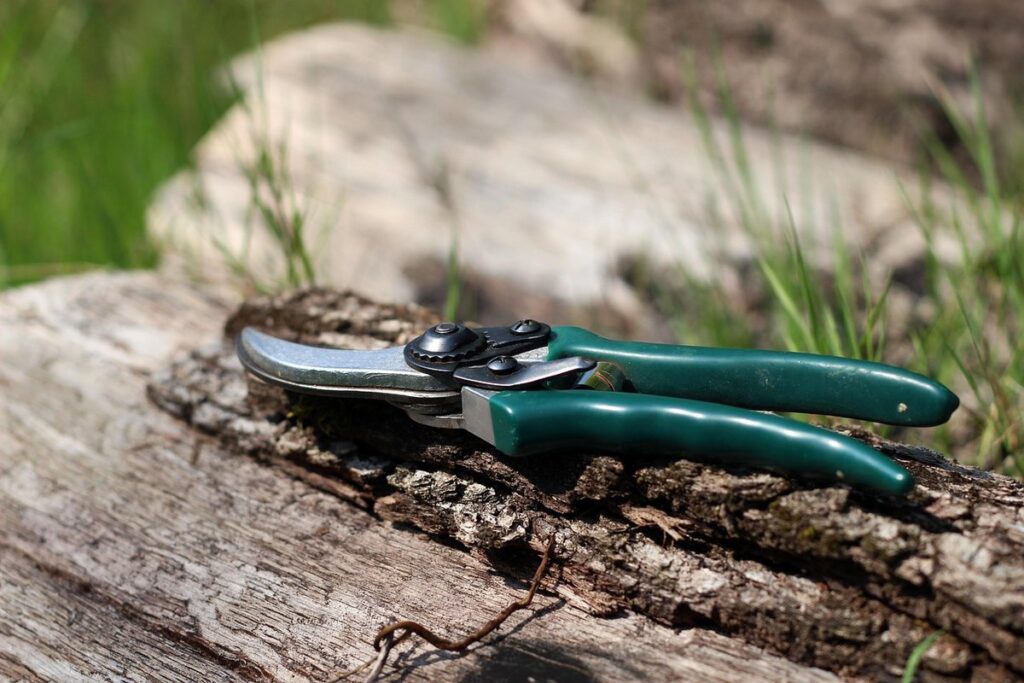
To prune a jade plant effectively, you’ll need the right set of tools. Start with hand pruners, which are ideal for cutting smaller stems and leaves. Look for sharp blades that won’t crush the delicate tissue of your jade plant. Loppers, on the other hand, come in handy when pruning thicker branches. These long-handled shears allow you to reach farther into the plant without straining.
Don’t forget to protect yourself with a pair of gloves. Pruning can be messy and thorny, so it’s essential to keep your hands safe from cuts and scratches. You’ll also want to wear protective eyewear if you’re working in a cluttered or dark space.
When choosing pruning tools, consider the durability and quality of the materials used. Opt for sharp blades that will reduce the risk of crushing the plant’s tissue, and look for ergonomic handles that fit comfortably in your hand. With the right tools by your side, you’ll be well-prepared to tackle any pruning task with confidence.
Preparing Your Workspace for Pruning
Before you begin pruning your jade plant, it’s essential to prepare your workspace. Clear the area around the plant of any debris, tools, or other objects that could get in the way or damage the plant. This will give you plenty of room to work and allow you to focus on the task at hand.
Next, ensure that your workspace has good lighting. Pruning can be a delicate process, and poor lighting can make it difficult to see what you’re doing. Natural light is ideal, but if that’s not possible, invest in a good quality lamp or LED grow light specifically designed for indoor plants. This will help you to see the details of your plant’s leaves and stems more clearly.
Additionally, consider dusting your workspace with a damp cloth before starting. Dust can accumulate quickly around plants, and it’s essential to remove any debris that could interfere with your pruning tools or damage the plant. By taking these simple steps, you’ll be able to create an optimal environment for pruning your jade plant successfully.
Basic Pruning Techniques
Now that you know why pruning is essential, let’s dive into the basic techniques you’ll need to keep your jade plant thriving and looking its best. We’ll start with the fundamental steps of pruning, covering how to shape, trim, and maintain your plant.
Removing Dead or Damaged Leaves
When pruning your jade plant, it’s essential to remove dead or damaged leaves and branches to maintain its overall health and appearance. Dead or damaged leaves can be identified by their wilted, brown, or black coloration, while branches may exhibit signs of decay, such as soft spots, cracks, or a brittle texture.
To safely remove these problematic areas, start by using clean pruning shears to cut the leaf or branch just above a growth node – this will help prevent disease from spreading. For leaves, make a small incision about 1/4 inch above the base of the petiole, while for branches, cut at a 45-degree angle to promote healthy healing.
Cutting off dead or damaged parts not only helps maintain your plant’s aesthetic appeal but also encourages new growth and prevents the spread of disease. Remove any weak or spindly growth as well, as this will help direct energy towards producing healthier, more robust leaves and stems.
Trimming Back Overgrown Branches
When trimming back overgrown branches on your jade plant, it’s essential to remove more than just the long stems. You’ll also want to thin out the foliage and shape the overall form of the plant. Start by identifying which branches are growing inwards or rubbing against each other – these should be removed completely to prevent damage and promote healthy growth.
To maintain a balanced appearance, cut back the longest branches to about two-thirds of their original length. Make clean cuts just above a leaf node, using sharp, sterile pruning tools to avoid spreading disease. This will encourage new growth from the remaining nodes and help maintain the plant’s natural shape.
Remember that jade plants can be trimmed quite hard without causing harm, so don’t hesitate to remove large sections if needed. By regularly pruning back overgrown branches, you’ll keep your jade plant looking its best and prevent it from becoming leggy or sparse. This will also encourage new growth and help maintain the plant’s vibrant green color.
Advanced Pruning Techniques
Now that you’ve mastered the basics, let’s dive into more advanced pruning techniques for jade plants to help them thrive and maintain their desired shape.
Pinching for Shape and Size Control
When you want to control the size and promote bushy growth on your jade plant, pinching is an effective technique. Pinching involves removing the growing tip of the stem, which helps direct the plant’s energy towards producing new shoots and leaves instead of continuing to elongate.
To pinch for shape and size control, identify a healthy stem with at least two sets of leaves, then locate the growing tip, usually marked by a small node or swelling. Gently pinch off this tip using your thumb and index finger. Make clean cuts just above a node, taking care not to crush any delicate tissue.
Pinching encourages the plant to focus its energy on branching out rather than growing taller. Regular pinching can also prevent legginess in jade plants, which tend to grow quite long if left unpruned. For example, prune your jade plant by pinching every 2-3 inches along the stem for a full and compact appearance.
By practicing regular pinching, you’ll be able to maintain your jade plant’s ideal size while promoting a lush, bushy growth habit.
Air Root Pruning for Propagation
When it comes to propagating your jade plant, you might be wondering if there’s more to pruning than just cutting off unwanted branches. One advanced technique that can aid in propagation is air root pruning. This method involves removing the aerial roots that have developed on your jade plant, making it easier to create new cuttings.
Air root pruning can significantly increase the chances of successful propagation by encouraging the plant to produce even more aerial roots. To prepare the roots for cutting, gently twist and pull out as many of these aerial roots as possible from around the base of the plant. Use a pair of clean scissors or pruning shears to trim off any remaining stumps, making sure not to damage the surrounding tissue.
When removing the air roots, make sure to disinfect your tools between each cut to prevent the spread of disease. This will also help you avoid contaminating the rest of your jade plant. Once you’ve removed as many air roots as possible, carefully cut 2-3 inch stem sections from the mother plant, just above a node (where a leaf meets the stem). These sections are now ready for rooting in water or soil, and with proper care, should develop into new jade plants within a few weeks.
Common Mistakes to Avoid
When pruning a jade plant, it’s easy to make mistakes that can harm your plant. Make sure you’re aware of these common pitfalls before getting started with pruning.
Over-Pruning: A Recipe for Disaster
Pruning your jade plant is an essential part of its care, but over-pruning can be detrimental to its health. When you remove too much foliage at once, it can shock the plant and cause it to become vulnerable to diseases and pests. This is especially true for young or newly acquired plants that are still adjusting to their environment.
A good rule of thumb is to prune only what’s necessary – about 1/3 of the old growth in a single pruning session. Prune conservatively, focusing on removing dead or damaged leaves and stems, rather than attempting to shape the plant into an ideal form. This will encourage new growth without causing unnecessary stress.
To avoid over-pruning, take stock of your jade plant’s needs before you begin. Consider its age, size, and overall health. If it’s a young plant, focus on establishing a strong root system before pruning for shape or size. For mature plants, prune more frequently to maintain desired shapes and prevent legginess.
By prunning judiciously and with attention to your plant’s specific needs, you can promote healthy growth and prevent the pitfalls of over-pruning.
Under-Pruning: Missing Opportunities for Growth
When it comes to pruning your jade plant, under-pruning can be just as detrimental as over-pruning. It may seem counterintuitive, but failing to prune your jade plant regularly can lead to missed opportunities for growth and maintenance.
Under-pruning means not removing enough of the plant’s old or damaged leaves, stems, or roots. This can cause a buildup of dead or dying material, which can spread disease and attract pests. Not only that, but under-pruned plants often become leggy and lose their natural shape, making them more prone to breakage.
For example, if you notice your jade plant is becoming top-heavy or developing weak spots, it’s likely time for some pruning. However, simply trimming off a few stray leaves or stems may not be enough to address the underlying issues. To truly promote healthy growth and prevent problems down the line, aim to prune at least one-third of your plant’s old material every 6-12 months.
By making a habit of regular pruning, you’ll be able to maintain your jade plant’s vigor and encourage new growth, resulting in a more robust and thriving specimen.
Maintaining Your Pruned Jade Plant
After pruning your jade plant, it’s essential to provide it with proper care and maintenance to prevent damage to new growth and encourage healthy development of leaves and stems. This includes watering, fertilizing, and monitoring its environment.
Post-Pruning Care for Optimal Health
After pruning your jade plant, it’s essential to provide optimal care for its recovery and continued health. Watering is a crucial aspect of post-pruning care, as the plant will require more moisture initially. However, be cautious not to overwater, which can lead to root rot. Check the soil moisture by sticking your finger into the soil up to the first knuckle. If it feels dry, water thoroughly until excess water drains out.
Fertilization is also vital during this period. Use a balanced, water-soluble fertilizer at half the recommended strength. This will promote healthy growth and prevent any potential nutrient deficiencies. For example, if you’re using a 20-20-20 fertilizer, mix it with 1 tablespoon of fertilizer per gallon of water.
Repotting your jade plant after pruning is also beneficial, especially if the roots have become pot-bound. Choose a well-draining potting mix and a container that’s slightly larger than the previous one. Gently remove any old soil from the roots before placing them in their new home. Water thoroughly after repotting and keep the soil consistently moist during the first few weeks following pruning.
Encouraging Healthy Growth with Regular Maintenance
Regular pruning and maintenance are essential for promoting healthy growth in your jade plant. By removing old or damaged leaves, you’re allowing your plant to focus its energy on producing new, vibrant foliage. This process also helps prevent the spread of disease and pests that can thrive on weakened plants.
To encourage healthy growth, make it a habit to inspect your jade plant regularly for any signs of damage or decline. Remove any dead or dying leaves as soon as you spot them, taking care not to pull too hard on the stem which could cause further damage. Use clean scissors or pruning shears to snip off affected areas, making cuts just above a node (where a leaf meets the stem).
Additionally, maintain good air circulation around your plant by providing sufficient space between it and any nearby objects. This helps prevent fungal diseases that thrive in humid environments from taking hold. Water your jade plant carefully, allowing the soil to dry slightly between waterings to prevent root rot.
By incorporating these maintenance habits into your routine, you’ll be promoting a healthy environment for your jade plant to thrive in.
Frequently Asked Questions
What’s the best way to handle a leggy jade plant after pruning?
To prevent your jade plant from becoming leggy again, focus on promoting bushy growth by pruning it regularly. This will encourage the development of more branches and leaves, giving your plant a fuller appearance. Make sure to prune your jade plant every 6-8 weeks during its active growing seasons.
Can I use regular scissors or should I invest in specialized pruning tools?
While regular scissors can work for small prunings, it’s recommended to use specialized pruning tools like pruning shears or loppers for larger plants. These tools will make the process easier and help you achieve cleaner cuts. This is especially important when working with thicker branches or roots.
What if I’m unsure about how much of my jade plant to prune at once?
Start by removing only what’s absolutely necessary, such as dead or damaged leaves. Gradually work your way up to more significant pruning tasks, taking care not to remove too much foliage at once. This will help prevent shock and ensure a smooth recovery.
How do I know when my jade plant needs air root pruning for propagation?
Air root pruning is suitable for mature jade plants with established air roots. Look for roots growing above the soil surface or around the pot’s edges. Prune these roots carefully to encourage healthy growth and promote new root development, making it easier to propagate your plant.
Can I prune my jade plant during its dormant season, or should I wait until spring?
While pruning is essential year-round, it’s best to avoid pruning a jade plant during its dormant season (winter months) if possible. Pruning during this time can cause unnecessary stress and potentially harm the plant. If you must prune, do so minimally and focus on removing dead or damaged leaves.