
Trimming your jade plant might not be at the top of your gardening agenda, but trust us, it’s essential for its continued health and beauty. This low-maintenance houseplant can still benefit from regular pruning to promote new growth, prevent overgrown branches, and encourage a bushy shape. But when is the best time to prune your jade plant? And what are the common mistakes to avoid that can lead to damaged leaves or a stressed plant?
In this step-by-step guide, we’ll walk you through everything you need to know about trimming your jade plant, from choosing the right tools and timing your pruning sessions, to avoiding costly errors that can impact its growth. Whether you’re a seasoned green thumb or just starting out with your first houseplant, our expert advice will have your jade thriving in no time.
Understanding Jade Plants and Pruning Needs
To trim a jade plant effectively, it’s essential to understand its unique growth habits and pruning requirements, which can vary depending on the situation.
What are Jade Plants and Why Do They Need Trimming?
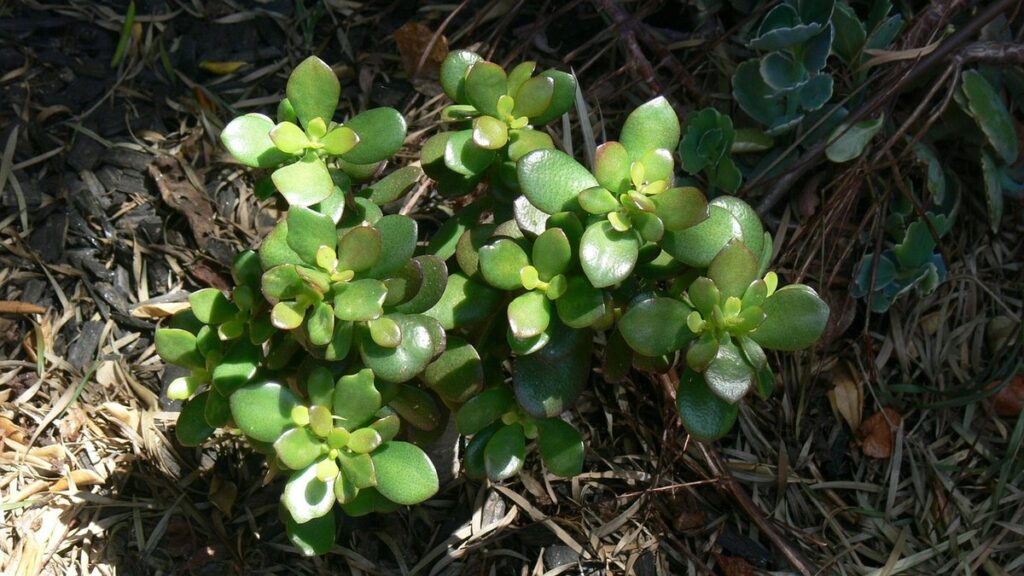
Jade plants (Crassula ovata) are one of the most popular and low-maintenance houseplants, known for their beautiful, rounded leaves and ability to thrive in a variety of conditions. They’ve become a staple in many homes due to their ease of care and versatility. However, despite their hardiness, jade plants do require regular pruning to maintain their shape, promote healthy growth, and encourage new leaf development.
As they grow, jade plants can become leggy and lose their compact shape, making them appear bare and unattractive. Regular trimming helps to control their size and encourages bushy growth, keeping the plant full and lush. By cutting back overgrown stems and removing any dead or damaged leaves, you’ll not only improve your plant’s appearance but also stimulate new growth and prevent disease from taking hold.
In fact, many experts recommend pruning jade plants regularly as a way to promote healthy development and extend their lifespan.
Types of Pruning for Jade Plants
When it comes to pruning jade plants, there are three primary types of cuts you can make: topical, root, and rejuvenation. Each type serves a specific purpose, and knowing when to use them is crucial for maintaining the health and appearance of your jade plant.
Topical pruning involves cutting back branches or leaves to maintain shape or encourage new growth. This is a good method for plants that have become leggy or are struggling to stay compact. Simply snip off any overgrown stems, making sure to leave at least two sets of leaves on each remaining stem. For example, if your jade plant has grown too tall, cut it back by about one-third to encourage bushy growth.
Root pruning is a more invasive method that involves cutting back the roots to increase air circulation and water uptake. This type of pruning should only be done when repotting your jade plant or during periods of high growth. Be careful not to damage any of the fine root hairs, as this can cause stress to the plant.
Rejuvenation pruning is a more extreme form of topical pruning that involves cutting back most of the plant’s branches and leaves to stimulate new growth from the center. This method should only be used on plants that are severely overgrown or diseased, as it can shock the plant and lead to dieback.
Preparing Your Jade Plant for Trimming
Before you start trimming, make sure your jade plant is healthy and ready for a haircut – we’ll walk through the essential steps to prepare it in this next section.
Choosing the Right Time for Pruning
When it comes to pruning a jade plant, timing is everything. You want to prune at the right moment to encourage healthy growth and prevent stress on the plant. As a general rule, the best time to prune a jade plant depends on its growth cycle, season, and overall health.
If your jade plant is actively growing, with new leaves emerging, it’s a good idea to wait until the active growth period has ended. Prune during the dormant season, typically in winter or early spring, when the plant is not producing new growth. This allows you to remove dead or damaged branches without causing further stress.
In warmer months, prune lightly to maintain shape and promote air circulation. Avoid pruning too much of the foliage at once, as this can cause shock to the plant. It’s also essential to consider your jade plant’s health when pruning. If it’s struggling with pests or diseases, wait until you’ve addressed these issues before pruning.
Remember, regular maintenance is key to keeping your jade plant healthy and thriving. By timing your prunes correctly, you’ll be giving your plant the best chance at a happy and balanced life.
Tools and Equipment Needed for Pruning
To prune your jade plant effectively, you’ll need some essential tools and equipment. First and foremost, put on a pair of gardening gloves to protect your hands from the sap, which can cause skin irritation in some people. This will also prevent dirt and debris from getting under your fingernails.
Next, grab a good pair of pruning scissors or clippers specifically designed for plants. These will make it easier to cut through thicker stems without causing damage. You may also want to have some sharp, clean pruning shears on hand for more precise cuts.
Before you start trimming, take a moment to inspect your jade plant’s potting mix. If the soil is dry and cracked, it’s a good idea to repot the plant in fresh potting mix after pruning to prevent root rot. A well-draining potting mix will also help prevent waterlogged soil, which can be detrimental to the health of your jade plant.
Step-by-Step Trimming Instructions
Now that you’ve got your tools and knowledge, it’s time to learn how to trim a jade plant safely and effectively. We’ll walk through each step together in this section.
Removing Dead or Diseased Leaves and Branches
When trimming your jade plant, it’s essential to remove dead or diseased leaves and branches to maintain its health and appearance. Start by gently grasping the affected area with your fingers or a pair of clean tweezers, making sure not to damage the surrounding tissue.
If you’re dealing with a leaf that’s turned yellow or brown, use scissors to snip it off just above a node (the point where a leaf meets the stem). This will help the plant redirect its energy towards healthy growth. For more extensive pruning, such as removing diseased branches, use sterile pruning tools and cut back to a healthy section.
It’s also crucial to remove any damaged or broken leaves, as these can provide an entry point for pests and diseases. Simply pluck them off, taking care not to touch the plant’s surface with your hands. By carefully removing dead or diseased material, you’ll help prevent the spread of disease and encourage a robust, thriving jade plant.
Remember to inspect your plant regularly for signs of decay or damage, and trim accordingly. This regular maintenance will go a long way in keeping your jade looking its best and staying healthy year-round.
Shaping the Plant: Reducing Size and Promoting New Growth
When shaping your jade plant, it’s essential to reduce its size while promoting new growth through pruning techniques. This process not only maintains a neat and balanced appearance but also encourages healthy development.
To begin, identify the areas that need reduction by gently removing any leggy or overgrown stems using clean, sharp scissors or pruning shears. Make cuts just above a leaf node, as this will help the plant direct its energy towards producing new growth from that point.
As you trim, consider reducing the size of your jade’s branches to encourage bushy growth and prevent it from becoming too leggy. Remove any weak or spindly growth, cutting them back to about one-third of their original length. This not only helps maintain shape but also encourages the plant to focus its energy on producing new, robust growth.
By implementing these pruning techniques, you’ll not only achieve a more balanced appearance but also promote healthy, vibrant growth in your jade plant.
Post-Pruning Care and Maintenance
After you’ve trimmed your jade plant, it’s essential to focus on its post-pruning care and maintenance to ensure a healthy and thriving plant. This involves regular watering, fertilizing, and pruning schedules.
Watering and Fertilizing After Pruning
After pruning your jade plant, it’s essential to focus on proper watering and fertilization techniques to promote healthy growth and prevent root rot. Overwatering is a common mistake that can be detrimental to the plant’s well-being.
When it comes to watering, make sure not to waterlog the soil. Check the soil moisture by sticking your finger into the soil up to the first knuckle. If the soil feels dry, it’s time for a drink. Water thoroughly until you see water coming out of the drainage holes. This ensures that the roots are getting enough water.
As for fertilization, wait at least two weeks after pruning before applying any fertilizer. A balanced, water-soluble fertilizer is perfect for jade plants. Dilute the fertilizer to half the recommended strength to avoid burning the roots.
Monitor your plant’s response to fertilization and adjust as needed. Too much fertilizer can cause more harm than good. Keep an eye out for signs of nutrient deficiency, such as yellowing leaves or stunted growth. Adjust your fertilization schedule accordingly.
Monitoring Plant Health and Adjusting Pruning Schedule
Monitoring your jade plant’s health after pruning is crucial to ensure it continues to thrive. Start by checking for new growth and leaf coloration. If the leaves remain pale or spindly, it may be a sign that the plant needs more time to recover from pruning. On the other hand, if you notice vigorous new growth and healthy green leaves, it’s likely that your jade plant is responding well to the pruning.
Adjusting your pruning schedule accordingly will help prevent over-pruning, which can lead to stress on the plant. For example, if you prune too much in one session, the plant may become vulnerable to pests or diseases. To avoid this, space out your pruning sessions every 4-6 weeks during the growing season (spring and summer). This allows the plant to recover and redirect its energy towards new growth.
Keep an eye on the temperature as well; jade plants prefer warmer temperatures above 65°F (18°C) to grow well. If you notice the plant struggling, adjust your pruning schedule or consider relocating it to a sunnier spot with more optimal conditions.
Common Mistakes to Avoid When Trimming Jade Plants
When trimming your jade plant, it’s essential to steer clear of common mistakes that can harm your beloved plant, such as over-pruning and incorrect cutting techniques. By avoiding these pitfalls, you’ll ensure a healthy trim job every time.
Over-Pruning and Under-Pruning: The Balance is Key
When trimming jade plants, it’s easy to get carried away and make common mistakes that can harm the plant. Two of the most significant errors are over-pruning and under-pruning. Over-pruning involves cutting back too much of the plant, which can lead to stress and potentially kill the plant. On the other hand, under-pruning leaves the plant looking unkempt and allows it to become leggy.
To avoid these mistakes, find a balance between pruning and allowing the plant to grow naturally. Prune your jade plant about one-third of its foliage at a time. This will help maintain the plant’s shape and encourage new growth without shocking it. For example, if you’re pruning a mature plant that has grown quite large, start by removing any dead or damaged leaves and stems. Then, take out select branches to thin out the plant and promote air circulation.
Aim for a balance that allows your jade plant to maintain its desired shape while still encouraging new growth and foliage. This way, you’ll enjoy healthy, thriving plants with minimal maintenance requirements.
Pruning During Plant Stress or Insect Infestation
When pruning your jade plant, it’s essential to consider the overall health of the plant. Pruning during times of stress or insect infestation can do more harm than good. If your jade is under stress due to root bound conditions, lack of water, or too much direct sunlight, wait until you’ve addressed these issues before trimming.
Insect infestations, such as mealybugs or spider mites, can weaken the plant and make it more susceptible to disease. Pruning during this time can spread the problem further and cause more damage. Instead, focus on treating the infestation with insecticidal soap or neem oil before pruning.
To avoid causing further harm, wait until your jade has recovered from stress or has been treated for an infestation. This will ensure that you’re making healthy cuts and not inadvertently spreading disease or pests through pruning. By being mindful of your plant’s overall health, you’ll be able to prune effectively and promote a strong, thriving jade plant.
Frequently Asked Questions
Can I Trim My Jade Plant During the Active Growing Season?
Yes, trimming your jade plant during its active growing season (usually spring and summer) can actually encourage new growth and promote a bushy shape. Just be sure to prune at the right time for your specific climate and plant’s needs.
How Often Should I Prune My Jade Plant After Its Initial Trimming?
It depends on how quickly your jade plant grows, but typically, you’ll want to prune it every 6-8 weeks during the growing season to maintain its shape and encourage new leaf development. Monitor your plant’s response to pruning and adjust your schedule as needed.
Can I Use Regular Garden Shears for Pruning My Jade Plant?
While regular garden shears can be used in a pinch, it’s best to use clean, sharp, and dedicated pruning tools specifically designed for indoor plants like jade. This will help prevent the spread of diseases and ensure a clean cut on your plant.
What If I’ve Over-Pruned My Jade Plant – Can It Recover?
While over-pruning can be stressful for your jade plant, it’s not usually fatal. However, it may take some time for your plant to recover. Reduce watering and fertilization until your plant has recovered from the pruning shock, and then gradually return to its normal routine.
How Do I Know If My Jade Plant Needs Pruning Immediately?
Look for signs of overgrown branches, yellowing leaves, or an uneven shape. These are all indicators that your jade plant needs pruning attention. Regularly inspect your plant and trim it when necessary to prevent damage and promote healthy growth.