
Are you tired of waiting for months to see results from your compost pile? Do you want to boost its nutrient-rich potential and get the most out of your food waste? A compost accelerator can be just what you need to speed up the decomposition process and create a fertile soil amendment. But with so many products on the market, it’s hard to know where to start. This article will help you make sense of the benefits and uses of compost accelerators, as well as natural alternatives that can enhance your composting journey and improve soil health. We’ll cover everything from choosing the right accelerator to tips for using it effectively, so you can turn your food scraps into a valuable resource in no time.
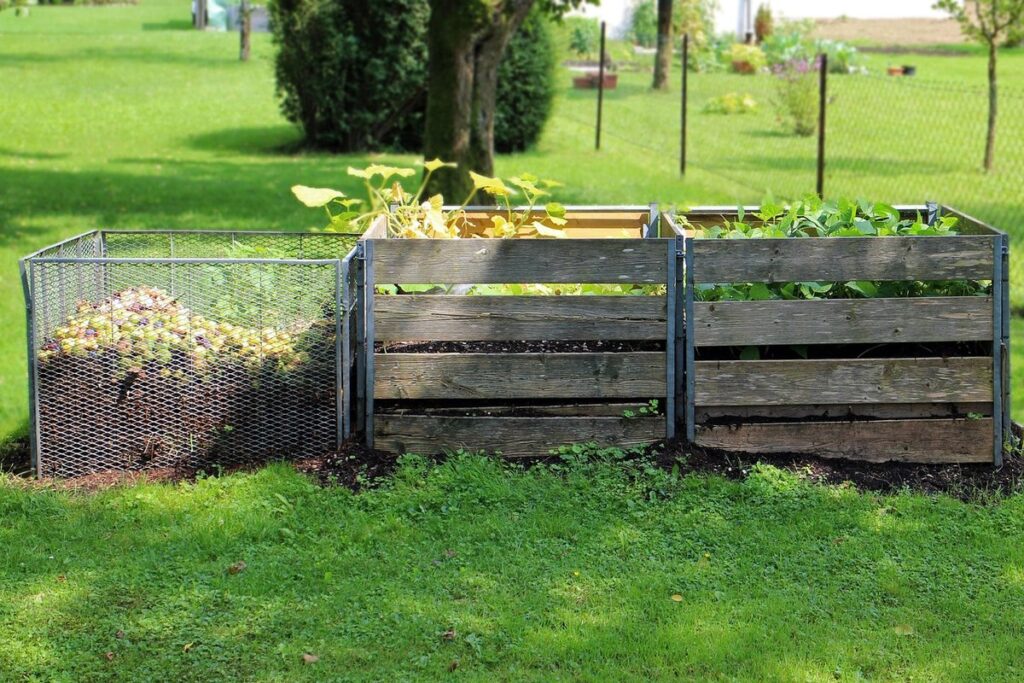
What is a Compost Accelerator?
Let’s dive into what makes a compost accelerator tick, and explore how these products can transform your composting process. Simply put, a compost accelerator is a tool designed to speed up decomposition.
Definition and Purpose
A compost accelerator is essentially a natural additive designed to speed up the decomposition process of organic materials, thereby enhancing their conversion into nutrient-rich compost. At its core, a compost accelerator serves as an intermediary step between raw organic waste and finished compost. By accelerating this process, gardeners can achieve faster and more efficient composting, even with limited space or resources.
Compost accelerators typically work by stimulating microbial activity within the compost pile. This means that they provide essential microorganisms necessary for breaking down complex organic compounds into simpler nutrient forms. Think of them as a catalyst in the composting reaction. When used correctly, these additives can help reduce odors, minimize pests, and prevent matting or mold growth – all common issues associated with standard composting methods.
A key aspect to keep in mind is that compost accelerators are not intended to replace traditional composting practices but rather enhance them. By incorporating an accelerator into your routine, you’ll still need to follow proper layering techniques, maintain a balanced carbon-to-nitrogen ratio, and provide adequate moisture – only now with the added benefit of speed and efficiency.
Benefits of Using Compost Accelerators
Using compost accelerators can significantly enhance the effectiveness of your composting process. One of the primary benefits is improved decomposition rates. By speeding up the breakdown process, you’ll be able to create nutrient-rich compost faster than traditional methods.
Compost accelerators also help minimize odors, which is a significant advantage for those who live in urban areas or have limited space for composting. These additives typically contain natural ingredients that balance out the pH levels of your compost pile, creating an environment where beneficial microorganisms thrive.
The use of compost accelerators can also increase the nutrient content of your finished compost. This means you’ll end up with a product that’s rich in nitrogen, phosphorus, and potassium – essential elements for promoting healthy plant growth. To get the most out of your compost accelerator, follow the manufacturer’s instructions carefully, and be sure to mix it well into your compost pile.
Regular use of compost accelerators can also help reduce waste disposal costs by minimizing the amount of organic materials sent to landfills. With a few simple additions, you’ll be able to create valuable resources from household waste, promoting sustainability in your community.
Choosing the Right Compost Accelerator
When it comes to selecting a compost accelerator, you’ll want to consider factors such as effectiveness, ease of use, and cost. We’ll break down these key considerations in this section.
Types of Compost Accelerators
When it comes to choosing a compost accelerator, you’ll come across various types that can aid in breaking down organic matter. The primary distinction lies between natural and synthetic options.
Natural compost accelerators are derived from renewable resources, such as food waste, agricultural byproducts, or plant extracts. These products often rely on microorganisms like bacteria, fungi, or yeast to catalyze the decomposition process. For instance, Effective Microorganisms (EM) is a popular natural accelerator that combines beneficial microbes with organic acids.
On the other hand, synthetic compost accelerators employ chemical compounds to accelerate the composting process. They typically contain nitrogen-rich components that speed up microbial activity and facilitate quicker breakdown of organic matter. An example of a synthetic accelerator is urea, which rapidly increases nitrogen levels in the compost pile.
When selecting a compost accelerator, consider your specific needs, such as the type of waste you’re processing or the desired rate of decomposition. Some accelerators may be more suitable for large-scale operations, while others are designed for smaller projects.
Factors to Consider When Selecting a Compost Accelerator
When selecting a compost accelerator, gardeners should consider several key factors to ensure they choose the right product for their needs. First and foremost, it’s essential to define your gardening goals. Are you looking to improve soil fertility, increase crop yields, or reduce waste? Different compost accelerators are designed to address specific concerns, so understanding what you want to achieve will help narrow down your options.
Next, think about the type of soil you’re working with. Compost accelerators can be tailored to suit different soil types, such as clay, sandy, or loamy soils. Some products may even specify their suitability for organic gardening or container gardens.
It’s also crucial to consider environmental concerns. Do you want an eco-friendly product that’s free from synthetic additives? Are there any specific certifications or labels you’re looking for, such as OMRI (Organic Materials Review Institute) or USDA Organic?
Finally, take a close look at the ingredient list and active ingredients in your chosen compost accelerator. Some products may contain harsh chemicals or by-products, so be sure to read reviews and check the manufacturer’s website for detailed information on what you’re getting.
How to Use Compost Accelerators Effectively
To get the most out of your compost accelerator, it’s essential to use them correctly and in conjunction with a well-planned composting strategy. Here are some key tips to keep in mind.
Incorporating Compost Accelerators into Your Composting Routine
When it comes to maximizing the benefits of compost accelerators, incorporating them into your routine requires attention to dosage rates and application methods. To start, begin by adding 1-2% compost accelerators to your pile, depending on the product’s instructions and your specific needs.
To apply, mix the accelerator into the top layer of your compost pile or sprinkle it evenly over the surface. For those with existing piles, you can also add a thin layer (about 1/4 inch) to the top, mixing well as you go. Keep in mind that some products may have different application rates, so be sure to follow the manufacturer’s guidelines.
As you incorporate compost accelerators into your routine, monitor your pile’s temperature and moisture levels. This will help you fine-tune the application rate and ensure optimal conditions for decomposition. Regularly mixing the accelerator into the pile also promotes even distribution of beneficial microbes and nutrients.
Some users find that adding a small amount of water to the mixture helps it spread evenly throughout the pile, especially during dry spells. By following these steps and taking note of your compost’s progress, you’ll be well on your way to harnessing the full potential of compost accelerators in your garden or homestead.
Tips for Maximizing the Benefits of Compost Accelerators
When using compost accelerators effectively, it’s essential to monitor decomposition progress and adjust usage accordingly. One way to do this is by regularly checking on the compost pile’s temperature and moisture levels. A temperature range of 130°F to 140°F (54°C to 60°C) indicates that decomposition is proceeding at a healthy rate. On the other hand, if the temperature remains too low or drops below 100°F (38°C), it may be necessary to add more compost accelerator to speed up the process.
It’s also crucial to maintain optimal moisture levels in your compost pile. Aim for a mix of “wet-soggy” and “dry-as-dirt” areas, as this promotes aerobic decomposition. Regularly turn the pile to ensure even decomposition and prevent matting or clumping, which can slow down the process.
By monitoring these factors and adjusting usage accordingly, you’ll be able to maximize the benefits of your compost accelerators and achieve a rich, nutrient-dense final product in no time.
Compost Accelerator Safety Precautions
When working with compost accelerators, it’s essential to take necessary safety precautions to avoid accidents and injuries. This section will outline key considerations for safe handling and use of these powerful tools.
Handling and Storage Guidelines
When handling and storing compost accelerators, it’s essential to follow safe guidelines to prevent accidents and exposure to potential hazards. To start with, always read the product label carefully before using a compost accelerator. Familiarize yourself with the recommended dosage rates, as excessive use can lead to over-processing of the compost.
When handling the accelerator, wear protective gear such as gloves and safety glasses to avoid skin contact or eye irritation. In case you accidentally ingest some of the material, do not panic but immediately rinse your mouth with water and seek medical attention if symptoms persist. When storing the accelerator, keep it in a well-ventilated area, away from direct sunlight and heat sources.
It’s also crucial to store the accelerator out of reach of children and pets to avoid accidental ingestion or exposure. If you’re planning to mix the accelerator with other chemicals or fertilizers, ensure you follow proper mixing procedures and use protective gear. Always refer to the product manufacturer’s instructions for specific handling and storage guidelines to guarantee a safe working environment.
Environmental Considerations
When using compost accelerators, it’s essential to consider their impact on soil health and ecosystem balance. These products can significantly alter the microbial dynamics within the compost pile, which may lead to an overabundance of certain microorganisms.
This imbalance can cause problems if not managed properly. For instance, a buildup of ammonia from excessive nitrogen conversion can harm plant growth or even contaminate water sources. Additionally, some accelerators might introduce unwanted pests or diseases into the ecosystem.
To minimize these risks, it’s crucial to choose products from reputable manufacturers that follow environmentally friendly practices. Also, adhere to the recommended application rates and guidelines provided by the manufacturer.
Monitor your compost pile regularly for signs of imbalance, such as unusual odors, excessive heat, or pest infestations. If you notice any irregularities, adjust your accelerator use accordingly or consider switching to a different product.
Some compost accelerators are designed with eco-friendliness in mind, using natural ingredients and minimizing waste production during manufacturing. These options are a better choice for environmentally conscious gardeners who want to minimize their ecological footprint while still achieving optimal composting results.
DIY Compost Accelerators: A Cost-Effective Alternative?
Are you looking for a budget-friendly way to boost your composting efforts? This section explores the DIY alternatives to commercial compost accelerators that can help you achieve amazing results.
Natural Ingredients for Compost Acceleration
When it comes to compost acceleration, natural ingredients can be just as effective as chemical-based accelerators. Molasses is one such ingredient that’s widely used due to its high nitrogen content. Adding a small amount of molasses to the compost pile can stimulate microbial growth and increase decomposition rates.
Another popular option is compost tea, which is essentially liquid-rich tea made from steeping compost in water. This liquid solution is rich in beneficial microbes that help break down organic matter more efficiently. You can make your own compost tea at home by steeping a bucket of compost in a larger container filled with water for 24-48 hours.
Animal manure, such as chicken or cow manure, is another natural ingredient that can be used to accelerate the composting process. However, it’s essential to note that using fresh manure can attract pests and create odors, so it’s best to age it first before adding it to the compost pile. A 1:10 ratio of aged manure to “green” materials (such as food scraps or grass clippings) is a good starting point.
By incorporating these natural ingredients into your composting routine, you can create a more efficient and effective compost acceleration process that’s gentle on the environment and budget-friendly too.
Creating Your Own Compost Accelerator at Home
Creating your own compost accelerator at home is not only cost-effective but also allows you to control the ingredients and quality of the final product. To get started, gather the following natural ingredients: 1 cup of worm casting, 1 cup of finished compost, 2 cups of peat moss or coconut coir, and a handful of effective microorganisms (EM) powder.
Next, mix all the dry ingredients together in a bowl until well combined. Add the worm casting and EM powder to the mixture, stirring until it reaches a uniform consistency. Transfer the accelerator blend into an airtight container, labeling it for future reference.
When to use your DIY compost accelerator? Apply 1-2 cups of the blend per 5-gallon bucket of compost pile, or mix 1 tablespoon with water and spray directly onto individual plant roots. This homemade concoction can help speed up decomposition rates by up to 30% while promoting beneficial microbes in the soil.
Remember to maintain a temperature range of 130°F to 140°F (54°C to 60°C) for optimal microbial activity, ensuring your DIY compost accelerator is working effectively.
Case Studies: Real-World Examples of Compost Accelerator Success
Let’s dive into real-world examples of compost accelerator success, where innovative approaches are turning waste into valuable resources. We’ll explore five successful case studies up close.
Successful Composting Projects Using Compost Accelerators
Composting projects that utilize compost accelerators have proven to be highly effective in various settings. For instance, a community garden in California used an organic compost accelerator to turn food waste into nutrient-rich soil for their crops. The results were staggering – within just six weeks, the garden’s yield increased by 25%, and the soil’s fertility improved dramatically.
Another notable example is a small-scale farm in rural India that incorporated a microbial-based compost accelerator into its operations. By using this technology, the farm was able to reduce its carbon footprint while maintaining high crop yields. The compost produced was not only rich in nutrients but also contained beneficial microorganisms that promoted healthy plant growth.
In both cases, compost accelerators played a crucial role in speeding up the decomposition process and enhancing the overall quality of the final product. By adopting these solutions, gardeners and farmers can expect to see improved crop yields, reduced waste disposal costs, and increased soil fertility – all while minimizing their environmental impact.
Lessons Learned from Compost Accelerator Trials
As we delve into real-world examples of compost accelerator success, it’s essential to examine the lessons learned from various trials and experiments. A group of gardeners, part of a large-scale composting project, used a compost accelerator to speed up the decomposition process. They applied the product to their compost piles and monitored the results closely.
The trial revealed an average 30% reduction in decomposition time, with some areas seeing even faster breakdown. However, the participants also encountered challenges such as uneven application, which led to inconsistent results. To achieve optimal benefits, it’s crucial to apply the accelerator uniformly throughout the compost pile.
One critical takeaway from this experiment is the importance of proper mixing and aeration. Gardeners who achieved the best results maintained regular mix-ins of “green” materials (e.g., food waste) with “brown” materials (e.g., dried leaves). Regular turning and monitoring also helped prevent anaerobic conditions, which can lead to unpleasant odors or even pest issues.
A more recent trial involved a smaller-scale project where the gardeners employed a compost accelerator specifically designed for urban gardens. This product was tailored to handle the unique challenges of compact spaces, such as temperature fluctuations and limited waste streams.
While the results were impressive, with an average 25% increase in nutrient-rich humus, participants encountered difficulties in sourcing the right materials due to their confined location. The experiment highlighted the value of product customization and adaptability in addressing specific needs.
Frequently Asked Questions
Can I Use Compost Accelerators with Hot Composting Methods?
Yes, compost accelerators can be used with hot composting methods to enhance decomposition rates. In fact, many gardeners find that combining a compost accelerator with the right carbon-to-nitrogen ratio and adequate moisture leads to faster and more efficient composting results.
How Do I Mix Compost Accelerator with My Existing Compost Pile?
When adding a compost accelerator to your existing pile, mix it in thoroughly according to the product’s instructions. Typically, this involves applying 1-2% of the compost accelerator by volume, depending on the product and desired outcome. Be sure to maintain adequate moisture and turn the pile regularly for optimal results.
Can I Make My Own Compost Accelerator Using Natural Ingredients?
Yes, you can create your own compost accelerators using natural ingredients like worm castings, compost tea, or activated charcoal. These DIY alternatives can be an affordable and environmentally friendly way to enhance decomposition rates and improve soil health.
How Do I Store a Compost Accelerator Once It’s Been Opened?
To preserve the effectiveness of your compost accelerator, store it in an airtight container in a cool, dry place. If you’ve opened a bag or container, consider transferring the contents to an airtight bin or jar and labeling it for future use.
What Are Some Common Mistakes to Avoid When Using Compost Accelerators?
Some common mistakes when using compost accelerators include overusing the product, which can lead to odors and contamination; failing to mix it in properly, resulting in uneven decomposition; and not maintaining adequate moisture levels, leading to slow or stalled composting processes. Be sure to follow instructions carefully and monitor your pile’s progress regularly.