
Sharpening your pruning shears is an essential skill for any gardening enthusiast, but it can be daunting if you’ve never done it before. A dull pair of shears can make pruning tasks a chore, leading to fatigue and frustration in the garden. But with the right techniques, you can keep your shears razor-sharp and tackle even the toughest branches with ease. In this guide, we’ll walk you through the process of sharpening your pruning shears, from inspection and cleaning to advanced sharpening techniques. We’ll cover everything you need to know to get a sharp edge, including how to inspect your shears for wear, clean out any debris, and use specialized tools to hone your blades to perfection. By following our step-by-step guide, you’ll be able to keep your pruning shears in top condition all season long.
Understanding Your Pruning Shears
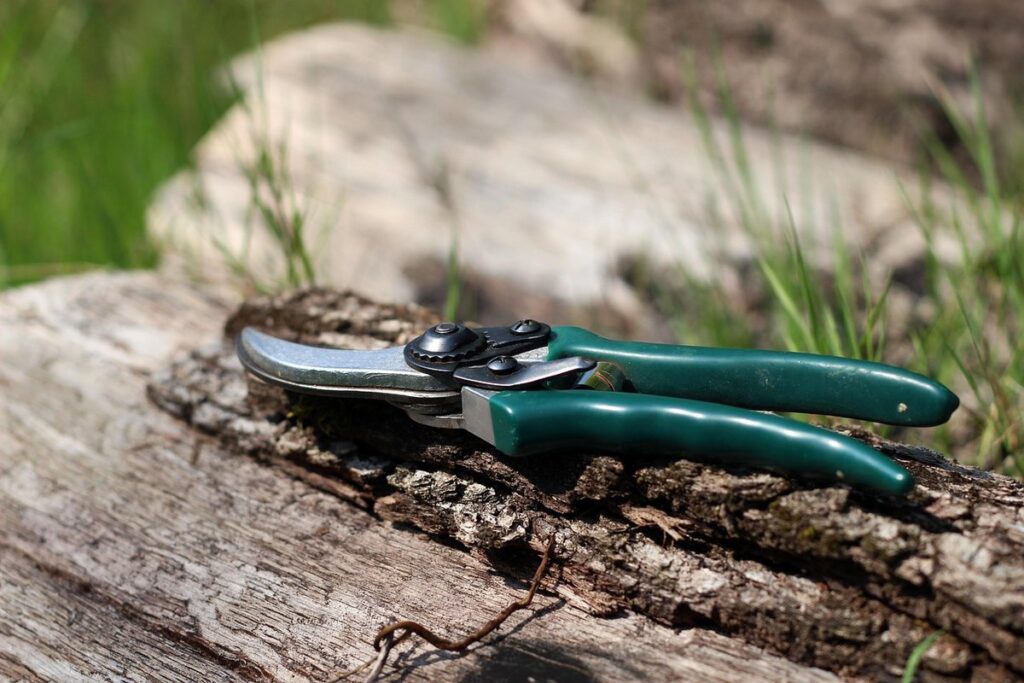
Before you start sharpening, let’s make sure you have a good understanding of your pruning shears and what makes them sharp. Familiarizing yourself with their parts will help ensure a smooth sharpening process.
Inspecting Your Tools
Inspecting your pruning shears before sharpening them is crucial to ensure you’re tackling the right issues and avoiding unnecessary steps. Take a close look at your tools and examine each component for signs of wear and damage.
Start by checking the blades for dullness, which can be caused by regular use or neglect. Look for a slight curve in the blade’s edge – if it’s significantly curved, it may be time to replace your shears altogether. Rusty or corroded parts can also compromise the performance of your pruning shears, so inspect the metal components carefully.
Check the handles for looseness and ensure all screws are securely tightened. Loose handles can lead to a loss of control during use and even cause injury if the shears slip out of your hands. Inspect the pivot points as well – if they’re clogged with debris or worn out, it may be difficult to sharpen the blades effectively.
By identifying these issues upfront, you’ll save time and effort in the sharpening process and ensure your pruning shears are in top condition for future use.
Choosing the Right Sharpening Method
When it comes to sharpening pruning shears, you have several methods to choose from. Each has its own set of benefits and drawbacks, so it’s essential to pick the one that suits your needs.
Manual whetstones are a popular choice for sharpening pruning shears. They work by allowing you to manually hone the blade with a diamond-coated surface. The pros of using manual whetstones include their cost-effectiveness and versatility – they can be used to sharpen various types of blades. However, they do require some practice to master, as it’s easy to create uneven edges.
Another option is diamond stones, which are designed for heavy-duty use. These stones offer a more aggressive grit than whetstones and are ideal for restoring dull blades quickly. On the downside, they can be expensive and may not be suitable for delicate pruning shears.
Sharpening steels are also available, offering a convenient way to hone your blades in an instant. While they’re easy to use, sharpening steels can only realign the blade, rather than actually sharpen it. This method is best used as a maintenance tool to keep your blades sharp between sharpening sessions.
Preparing Your Shears for Sharpening
Before sharpening your pruning shears, it’s essential to prepare them properly by cleaning and inspecting the blades to ensure a smooth sharpening process. This step will also help you identify any issues that need attention.
Cleaning and Disinfecting
Before you start sharpening your pruning shears, it’s essential to give them a good cleaning and disinfecting. This may seem like an extra step, but trust us, it’s crucial for maintaining their performance and preventing the spread of diseases.
Start by rinsing your shears under warm running water to remove any debris or dirt that might be clogging the blades. Next, mix a small amount of mild soap with warm water, being careful not to use too much, as this can damage the metal. Dip a soft-bristled brush into the soapy solution and gently scrub away any stubborn grime or sap buildup on the blades and handles.
Rinse your shears thoroughly with clean water to remove all soap residue, then dry them with a towel to prevent rust. This simple cleaning process will help ensure that your shears sharpen up smoothly and evenly, and it’ll also prevent any potential damage to the metal during the sharpening process.
Removing Rust and Corrosion
Before you can sharpen your pruning shears, it’s essential to remove any rust and corrosion that may be hindering their performance. Rust and corrosion can compromise the integrity of the blades, making them difficult to sharpen and potentially leading to further damage.
One effective way to remove rust is by using a penetrating oil like WD-40 or similar products. Spray the oil onto the rusty area, let it sit for a few minutes, then use a soft brush or cloth to wipe away the debris. You can also try baking soda as a gentle abrasive to help lift off rust stains. Simply mix baking soda and water to form a paste, apply it to the affected area, and scrub gently with a wire brush before rinsing.
For tougher cases of corrosion, you may need to reach for a more aggressive solution. Mix equal parts white vinegar and water in a spray bottle, then spray the solution onto the rusty area. Let it sit for about 30 minutes to an hour before wiping clean with a cloth. This acidic solution will help break down rust and corrosion, making it easier to remove.
Remember to always handle your pruning shears with care when dealing with harsh chemicals or abrasive materials, as you don’t want to damage the blades further. With these techniques, you should be able to get your pruning shears in good working order before sharpening them.
Sharpening Your Pruning Shears
To get the most out of your pruning shears, you’ll want to make sure they’re always sharp and ready for use. Let’s take a look at how to sharpen them effectively.
Basic Whetstone Sharpening Technique
To sharpen your pruning shears using a whetstone, you’ll need to position the blade at the correct angle and apply consistent pressure. Start by holding the stone firmly on a stable surface, with the sharpening area facing upwards. Place the straight edge of your pruning shear’s blade onto the stone, ensuring it’s aligned with the stone’s axis.
For straight-edged blades, maintain an 18-20° angle between the blade and the stone. For curved or angled blades, adjust the angle to match their profile. Apply gentle pressure while drawing the blade across the stone in a smooth motion, about half its length. Use light strokes, gradually increasing pressure as needed for sharper blades.
For curved blades, maintain contact with the stone’s surface by adjusting your hand position. Rotate the stone as you work to avoid uneven sharpening. Repeat this process several times, inspecting the blade’s edge after each stroke for optimal sharpness.
Diamond Stone Sharpening Method
When using a diamond stone to sharpen your pruning shears, it’s essential to understand the right grits for the job. For this method, you’ll need both a coarse and fine grit diamond stone.
Start by selecting a coarse grit diamond stone, typically around 100-150, which is perfect for removing old edge geometry. Hold the stone at a 20-degree angle against the blade and draw it along the edge in small, gentle strokes. This process will help break down any rust or debris that’s accumulated on the blade. Apply moderate pressure to keep the stone gliding smoothly across the surface.
Once you’ve removed the majority of old geometry, switch to a finer grit diamond stone (typically 600-800). The fine grit stone is used for honing the blade, creating a precise cutting edge. Use the same technique as before, holding the stone at a 20-degree angle and drawing it along the edge in smooth strokes. This step will refine the edge and remove any minor imperfections left behind by the coarse grit stone.
Advanced Sharpening Techniques
Now that you’ve mastered the basics, let’s dive into some advanced techniques to take your pruning shear sharpening skills to the next level. We’ll cover specialized methods for specific blades and shears types.
Honing vs. Sharpening
When it comes to sharpening pruning shears, you may have come across terms like “honing” and “sharpening.” While they’re often used interchangeably, there’s a subtle difference between the two. Honing is essentially maintenance for your existing edge geometry – it helps maintain the sharpness of your pruning shears without altering their cutting angle or bevel.
Think of honing as polishing a car to keep its paint job looking great. You’re not changing anything fundamental about the car, just keeping it in optimal condition. When you hone your pruning shears, you’re essentially “polishing” the edge by realigning and reprofiling it to maintain its original sharpness.
On the other hand, sharpening involves re-establishing or creating new edge geometry altogether – which means altering the bevel angle and cutting edge to achieve a sharper result. It’s like giving your car a full overhaul; you might change the suspension, engine, or even add new features.
For pruning shears, sharpening is typically done when they’re severely dull or have been damaged in some way. By understanding the difference between honing and sharpening, you’ll be able to maintain your pruning shears’ sharpness more effectively, extending their lifespan and improving your gardening experience.
Using a Sharpening Steel
Using a sharpening steel is an effective method for maintaining your pruning shears’ cutting edge. To use one correctly, start by holding the steel vertically and positioning the bevel of the blade against it. Gently draw the blade across the steel’s length, applying consistent pressure to maintain contact with its surface.
Keep in mind that the goal here isn’t to sharpen the blade but rather to realign its microscopic teeth and restore a sharp edge. Move the blade back and forth along the steel’s length several times, using a smooth, flowing motion. The number of passes will depend on how dull the blades have become – typically 5-10 repetitions should suffice.
When to use this method? A sharpening steel is particularly useful for maintaining pruning shears that are used extensively or experience high wear and tear. If your shears tend to develop nicks or small chips, using a sharpening steel can help prevent these issues from spreading.
Tips for Maintaining Your Sharpened Pruning Shears
Now that you’ve sharpened your pruning shears, it’s essential to maintain their edge so they stay sharp and perform well. Regular maintenance will also help prevent rust and damage.
Regular Maintenance Schedules
Regular maintenance is crucial to extend the lifespan of your sharpened pruning shears. To keep them in top condition, it’s essential to establish a regular schedule for cleaning and sharpening. Start by dedicating a specific time slot each week to inspect and maintain your tools. Check for any signs of rust or corrosion, and clean the blades thoroughly with a soft brush and mild soap.
Sharpening should be done every 2-3 weeks, depending on usage. If you use your pruning shears frequently, you may need to sharpen them more often. For example, if you’re working in dense foliage or thick branches, you’ll likely need to sharpen your tools more frequently than someone who uses them sparingly. To determine the frequency of sharpening, pay attention to how easily the blades cut through plant material – if they begin to feel dull, it’s time for a sharpening.
Regular maintenance not only extends the life of your pruning shears but also prevents damage to plants and reduces fatigue from struggling with dull tools.
Storage and Handling Best Practices
To maintain the edge geometry and prolong the lifespan of your sharpened pruning shears, proper storage and handling are crucial. When not in use, store your shears in a dry place away from direct sunlight to prevent rust or corrosion. Consider hanging them on a hook or storing them in a protective case to keep them organized and within reach.
When handling your sharpened shears, always hold the blades facing downwards to prevent accidental cuts or injuries. Regularly inspect your shears for any signs of wear or damage, checking for loose parts or worn-out handles. Clean your shears after each use by wiping them with a soft cloth, paying attention to the cutting edges and pivot points.
To maintain their edge geometry, avoid storing your sharpened shears in a drawer or on a flat surface, as this can cause the blades to bend or warp over time. If you must store them horizontally, place a thin layer of paper towel or cloth between each pair of shears to prevent scratching. By following these simple storage and handling best practices, you’ll be able to enjoy sharp and efficient pruning for years to come.
Frequently Asked Questions
Can I use a regular whetstone for pruning shears with curved blades?
You can, but it’s essential to choose a whetstone specifically designed for curved blades or one that has a unique surface pattern to accommodate the shape of your pruning shears. This will help you maintain the correct angle and avoid damaging the blade.
How often should I sharpen my pruning shears in high-traffic gardening situations?
It depends on usage, but as a general rule, sharpening every 1-2 weeks can be beneficial for high-traffic gardening areas or if you’re using your shears extensively. Regular maintenance ensures your shears remain sharp and efficient throughout the season.
What’s the best way to prevent rust from forming on my pruning shears?
Proper cleaning, drying, and storing are key. After each use, wipe down your shears with a dry cloth and apply a thin layer of oil or lubricant to protect against rust. Store them in a dry place away from direct sunlight.
Can I sharpen my pruning shears using just a sharpening steel?
A sharpening steel is excellent for honing and realigning the blade, but it’s not designed for sharpening dull blades. If your shears are severely worn or damaged, you’ll need to use a whetstone or diamond stone for more significant sharpening.
How do I know if my pruning shears have reached their lifespan?
Pruning shears typically last 5-7 years with regular maintenance and proper care. Look for signs of wear, such as rust, corrosion, or excessive dullness. If you notice your shears are no longer holding a sharp edge, it may be time to consider replacing them.