
Pruning your Christmas cactus can seem intimidating, but trust us, it’s easier than you think. With proper care and attention, this stunning plant can thrive year after year, bringing joy and festive cheer to your home during the holiday season. But did you know that regular pruning is essential for promoting healthy growth and blooming potential? It’s true – by carefully pruning your Christmas cactus at the right time, using the right techniques, and following some simple aftercare tips, you’ll be rewarded with vibrant blooms and a lush, full plant.
This comprehensive guide will walk you through everything you need to know about pruning your Christmas cactus, from timing and technique to aftercare and maintenance. Whether you’re a seasoned horticulturist or just starting out on your plant parenthood journey, we’ve got you covered with expert advice and insider tips to help you grow a thriving, blooming Christmas cactus that will be the envy of all your friends and family.
Understanding Your Christmas Cactus
Before you start pruning, it’s essential to understand your Christmas cactus’ unique growth habits and characteristics to prune effectively. Get familiar with its natural shape and flowering patterns in this section.
Identifying the Right Time to Prune
When it comes to pruning your Christmas cactus, timing is everything. You’ll want to prune your plant at the right moment to encourage healthy growth and blooming cycles. To determine the best time for pruning, consider the blooming cycles of your Christmas cactus.
Christmas cacti typically bloom in late fall or early winter, around November or December. If you’ve already had a blooming cycle, it’s usually safe to prune your plant after it finishes flowering. However, if your cactus is still producing buds or has just finished blooming, it’s best to wait until the new growth appears.
Another factor to consider is plant growth. Prune your Christmas cactus during its dormant period, which is typically from late spring to early summer. Avoid pruning during active growing periods, as this can stress the plant and lead to disease or pests.
By taking these factors into account, you’ll be able to prune your Christmas cactus at the optimal time, promoting healthy growth and encouraging more vibrant blooms in the future.
Preparing Your Tools and Workspace
When it comes to pruning your Christmas cactus, having the right tools and workspace is crucial for a successful outcome. This may seem like a no-brainer, but trust us – using dull or dirty tools can be disastrous for your plant’s health.
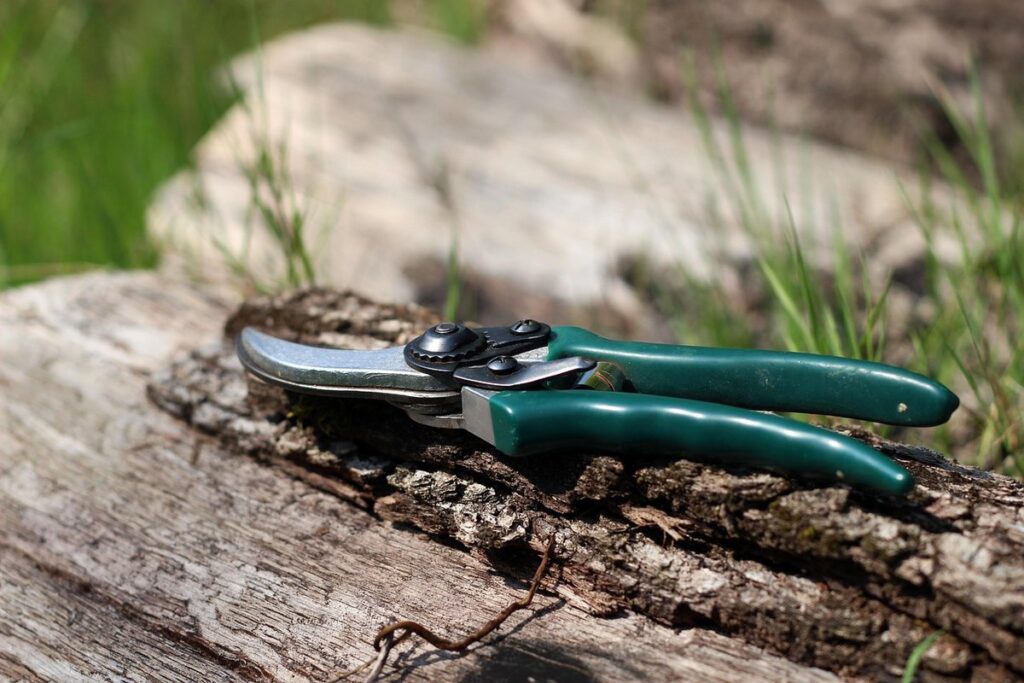
To start with, make sure you have clean and sharp pruners specifically designed for plants. A good pair of pruners will make it easy to cut through the thick stems of your Christmas cactus without causing damage. Clean them regularly by wiping them down with a damp cloth after each use and storing them in a dry place.
Next, set up a dedicated workspace for pruning. This can be as simple as clearing a table or countertop near a sink, where you have access to water and soap if needed. Lay out a soft cloth or paper towel to protect the surface from any plant debris. With a clean and organized workspace, you’ll be able to focus on making precise cuts and enjoying the process of pruning your Christmas cactus.
A word of caution: avoid using household scissors or knives, as they can easily crush or tear the delicate stems of your plant. It’s also essential to keep children and pets away from the area, as it may contain sharp objects and potentially hazardous materials like plant sap. By following these simple guidelines, you’ll be well-prepared for a successful pruning session with your Christmas cactus.
The Purpose of Pruning
Pruning is a crucial step in maintaining your Christmas cactus, allowing it to grow strong and healthy, so let’s dive into why pruning is essential.
Removing Dead or Damaged Segments
Removing dead or damaged segments is an essential step in maintaining the health and appearance of your Christmas cactus. When these segments remain on the plant, they can become a conduit for disease and pests to spread. Fungal infections, such as root rot, can thrive in moist conditions within the damaged areas, compromising the entire plant’s well-being.
In addition to creating an environment conducive to disease, dead or damaged segments can also detract from the overall appearance of your Christmas cactus. As new growth emerges, it may become tangled with and hidden by the decaying segments. Furthermore, retaining these sections can lead to uneven growth patterns, making your plant look lopsided.
To remove dead or damaged segments, carefully cut them away at a 45-degree angle using a clean, sharp knife or pruning tool. Make sure each segment is removed as close to the stem as possible to prevent any remaining tissue from becoming infected. This simple yet crucial step will not only promote healthy growth but also maintain your Christmas cactus’s natural beauty and appearance.
Promoting Healthy Growth
Pruning your Christmas cactus not only helps maintain its shape and encourages blooming, but it also promotes healthy growth. When you prune your plant, you’re removing dead, diseased, or damaged segments, which allows the remaining tissue to focus on producing new growth. This process is essential for maintaining the overall health of your plant.
By pruning regularly, you’ll encourage your Christmas cactus to produce more stems and branches, increasing its blooming potential. Healthy stems are better equipped to produce flowers, so by promoting new growth through pruning, you’re indirectly encouraging your plant to bloom more frequently. Additionally, pruning helps maintain the desired shape of your plant, preventing it from becoming too leggy or unmanageable.
To promote healthy growth and increase blooming potential, prune your Christmas cactus during its dormant season (usually between October and February). Remove any weak, damaged, or diseased segments, making clean cuts just above a node using a sterile tool.
Techniques for Pruning
Now that we’ve covered the basics, let’s dive into some essential techniques for pruning your Christmas cactus to promote healthy growth and encourage new blooms. We’ll explore various methods to help you achieve a thriving plant.
Removing Tips and Sideshoots
When pruning your Christmas cactus, removing tips and sideshoots is an essential step to maintain its shape and promote healthy growth. To do this, start by identifying the tips and sideshoots that you want to remove. These are typically the small segments of stem that are growing from the center or edges of the plant.
To remove the tips, use a pair of clean, sharp scissors or pruning shears. Cut just above a joint, where the segment meets the main stem. Make sure your cuts are at an angle, and slightly slanted inwards towards the stem. This will help prevent water from collecting on the cut area and reduce the risk of rot.
For sideshoots, use a similar technique to remove them close to the base of the plant. You can also gently twist and pull them off if they’re small enough. Be careful not to damage the main stem or any surrounding segments when removing sideshoots.
Cutting Back Segments
When it’s time to cut back segments of your Christmas cactus, approach this process with care to avoid damaging the plant. Start by identifying the segments you want to remove, typically those that have finished blooming and are showing signs of yellowing or dying back.
To cut these segments, use a sharp, clean pair of pruning scissors or clippers specifically designed for plants. Cut at an angle, about 1-2 inches from the node where the segment meets the main stem. This will help prevent water from collecting on the cut end and reduce the risk of rot.
Make your cuts just above a leaf node to encourage new growth from that point. For larger segments, you may need to remove more of the stem to prevent it from becoming too woody and brittle. Keep an eye out for any signs of stress or disease in the remaining plant tissue, and adjust your pruning accordingly to maintain overall health.
By cutting back segments thoughtfully, you’ll be directing the plant’s energy towards healthy growth and encouraging new blooms – a great way to rejuvenate your Christmas cactus for the next growing season.
Aftercare and Maintenance
Now that you’ve pruned your Christmas cactus, it’s essential to give it proper care to help it thrive. This includes watering, fertilizing, and providing optimal growing conditions.
Watering and Fertilizing
Now that you’ve pruned your Christmas cactus to promote healthy growth and encourage new blooms, it’s time to focus on aftercare. Proper watering and fertilizing schedules are crucial for your plant to thrive. When it comes to watering, make sure not to overwater, as this can lead to root rot and other issues. Instead, water your Christmas cactus when the soil feels dry to the touch, usually once a week in the spring and summer months.
During the fall and winter, reduce watering to every 4-6 weeks, as your plant is dormant. Fertilization is also essential, but be cautious not to overfertilize. Feed your Christmas cactus with a balanced, water-soluble fertilizer (20-20-20) once a month during the growing season. Dilute the fertilizer to half the recommended strength to avoid burning the roots.
As an example, consider fertilizing your plant in February and March when it’s actively growing. After the blooming period, reduce fertilization to once every 2 months. By following these watering and fertilizing schedules, you’ll be well on your way to a happy, healthy Christmas cactus.
Monitoring for Pests and Diseases
Monitoring for Pests and Diseases is crucial after pruning your Christmas cactus. The newly exposed tissue can be more susceptible to infestations and infections. Some common pests that may affect your plant are mealybugs, spider mites, and scale. These tiny insects feed on the sap of the plant, causing damage and discoloration.
To prevent pest infestations, ensure good air circulation around the plant by providing enough space between it and other nearby plants. Regularly inspect your Christmas cactus for signs of pests, such as white powdery patches or fine webbing. Isolate infected plants to prevent the problem from spreading.
Diseases like root rot, leaf spot, and crown rot can also affect your Christmas cactus after pruning. These typically result from overwatering or poor drainage. To prevent diseases, make sure the pot has good drainage holes and water your plant only when the soil feels dry to the touch. If you notice any signs of disease, treat the affected area with a fungicide specifically designed for indoor plants.
Keep an eye out for these potential issues and take action promptly to protect your newly pruned Christmas cactus.
Tips for Successful Pruning
Now that you know when and how to prune your Christmas cactus, let’s dive into some essential tips to help you achieve optimal results. Follow these simple steps for a healthy and thriving plant.
Avoiding Common Mistakes
When pruning your Christmas cactus, it’s easy to get carried away and make mistakes that can harm the plant. One common mistake is cutting too much at once. This can leave the plant vulnerable to infection and stress, making it more susceptible to pests and diseases. To avoid this, it’s essential to prune in small sections, focusing on one or two segments at a time.
Another critical error is not removing enough dead material. Dead or damaged segments can harbor bacteria and fungi that spread quickly through the plant. By pruning off these areas, you’re giving your Christmas cactus a fresh start and preventing potential problems down the line.
To prune effectively, take a step back and assess the plant’s overall health before you begin. Remove any weak or dead stems, and trim back overgrown sections to maintain a balanced shape. Remember, it’s better to err on the side of caution and remove less material than necessary rather than risking too much at once.
Encouraging Repeat Blooming
To encourage repeat blooming of your Christmas cactus, it’s essential to promote flower production. One technique is to reduce watering and fertilization after the plant finishes blooming. This allows the plant to focus its energy on producing new buds for next year’s blooms.
Another way to stimulate flower production is through pruning. After the blooming period, cut back the stem tips by about half to encourage branching and more flowers. Be sure to make clean cuts just above a node, as this will help the plant direct its energy towards producing new growth.
You can also try providing your Christmas cactus with some stress, such as reducing watering or exposing it to cooler temperatures. This may cause the plant to produce new buds as it tries to recover from the stress. Just be careful not to overdo it – too much stress can be detrimental to the plant’s health.
By implementing these techniques, you should see an increase in repeat blooming on your Christmas cactus. Remember to be patient, as this process may take some time and experimentation to achieve desired results.
Conclusion and Next Steps
Now that you’ve mastered the art of pruning your Christmas cactus, it’s time to put your knowledge into action. Let’s review what we’ve covered so far and discuss next steps for a thriving plant.
Recap of Key Points
In summary, we’ve covered the essential aspects of Christmas cactus pruning to help you achieve healthy and beautiful plants. To recap, it’s crucial to prune your Christmas cactus during its dormant season, typically between December and February, when the plant is not producing new growth. Prune off any dead or dying segments, as well as weak or leggy stems, using clean, sharp tools to prevent spreading diseases.
Remember to make cuts at a 45-degree angle just above a node (where a leaf meets the stem), and water your plant thoroughly after pruning to promote healthy rooting. It’s also essential to repot your Christmas cactus every few years in well-draining potting mix to prevent root rot.
Don’t forget that regular watering, fertilization, and protection from extreme temperatures will also contribute to your plant’s overall health and flowering success. By following these key takeaways, you’ll be well on your way to successfully pruning your Christmas cactus and enjoying its vibrant blooms for years to come.
Additional Resources and Tips
If you’re eager to further enhance your Christmas cactus pruning skills, there are several resources available for you. For a more in-depth understanding of plant care and maintenance, consider consulting “The Houseplant Bible” by Teejay Crawford or “The New Seed Starter’s Handbook” by Nancy Bubel.
Additionally, online tutorials like those found on YouTube channels such as Garden Answer or The Sill can provide visual guidance on pruning techniques. Websites like The Spruce and Gardening Know How also offer a wealth of information on Christmas cactus care, including tips for propagation and pest management.
To keep your plants looking their best throughout the year, remember to water them sparingly during the winter months. Make sure the pot has good drainage holes to prevent waterlogged soil, which can be detrimental to your plant’s health.
When it comes to pruning, don’t be afraid to experiment with different techniques and schedules to find what works best for you and your plants.
Frequently Asked Questions
Can I prune my Christmas cactus at any time, or are there specific seasons to follow?
Yes, it’s best to prune your Christmas cactus during the spring or fall when it’s not actively producing flowers or new growth. Pruning during these periods encourages healthy growth and blooming potential without shocking the plant.
How often should I water my Christmas cactus after pruning, and what are some signs of overwatering?
Water your pruned Christmas cactus sparingly until new growth appears, usually within a few weeks. Be cautious of overwatering, which can lead to root rot and other problems. Check for softened stems, yellowing leaves, or an unusually wet potting mix – these signs indicate you may be giving your plant too much water.
Can I propagate my Christmas cactus from pruned segments, and how successful is the process?
Yes, you can propagate your Christmas cactus from pruned segments! This method is relatively easy and can increase your chances of having multiple healthy plants. Simply allow the cut segment to dry for a few days before planting it in well-draining soil, and keep it moist but not waterlogged.
How do I prevent my Christmas cactus from developing pests or diseases after pruning?
To minimize the risk of pest infestations or diseases, inspect your plant regularly for signs of pests or damage. Use neem oil or insecticidal soap to control any issues promptly. Maintain good air circulation around your plant and ensure it’s receiving proper lighting and watering habits.
Can I prune my Christmas cactus more frequently than once a year if needed?
While pruning too often can stress the plant, there are situations where additional pruning may be necessary. If you notice a section of the plant is becoming leggy or producing weak growth, you can perform a second pruning to maintain the desired shape and promote healthy development.