
Are you tired of staring at a dull, leafy jade plant wondering when it’ll ever bloom? Well, wonder no more! With the right care and attention, your flowering jade plant can thrive and bring joy to any room with its delicate white or pink blooms. But before we dive into the nitty-gritty of making your jade plant happy, let’s get one thing straight: proper care is key to getting those gorgeous flowers. In this comprehensive guide, we’ll cover everything from how to choose a healthy plant to troubleshooting common issues like yellow leaves and no blooms at all. Whether you’re a seasoned green thumb or just starting out, our expert tips on care, maintenance, propagation, and more will help your flowering jade plant reach its full potential and become the crown jewel of your indoor garden.
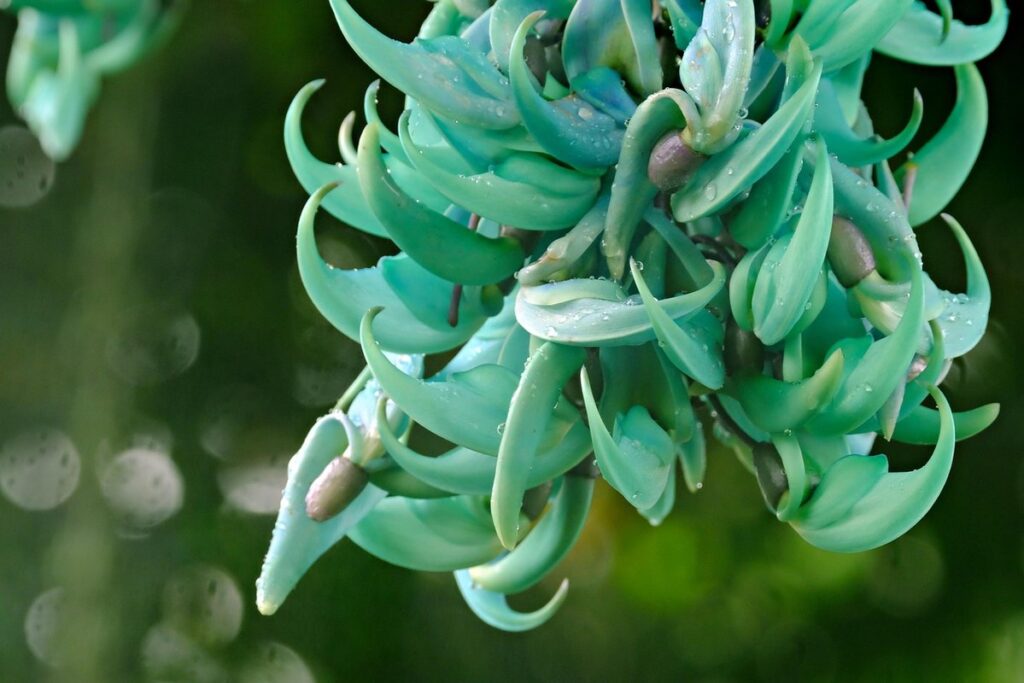
What are Flowering Jade Plants?
You’re probably wondering what all the fuss is about when it comes to flowering jade plants, and whether they’re actually different from their non-blooming counterparts. Let’s dive into what makes them so special!
Introduction to Crassula Ovata
When it comes to flowering jade plants, one species that often gets overlooked is Crassula Ovata. Also known as the Jade Plant or Money Tree, this plant has been a staple in many homes for its low-maintenance requirements and ability to thrive in indoor conditions. However, what’s fascinating is that Crassula Ovata is often mistaken for a succulent due to its thick, fleshy leaves.
In reality, Crassula Ovata belongs to the family Crassulaceae, which also includes other plants like Aloe and Echeveria. This family is characterized by their ability to store water in their leaves, stems, or roots, making them drought-tolerant. While succulents are a type of plant that stores water in their leaves, not all plants with thick leaves are succulents.
To differentiate between the two, look for signs like the presence of taproots, which are characteristic of Crassula Ovata and other members of the Crassulaceae family. Succulents, on the other hand, tend to have shallow root systems. With a little knowledge, you can tell these plants apart and give them the care they need to thrive.
History and Origins
Flowering jade plants have a rich history that spans thousands of years. Their origins can be traced back to the tropical regions of Central and South America, where they grew wild and free. The plant’s ancestors, the Crassula ovata species, were highly valued by indigenous cultures for their medicinal properties and ornamental value.
As civilizations evolved, so did the popularity of these plants. Spanish conquistadors brought them back to Europe in the 16th century, where they quickly gained a following among the aristocracy. The French later adopted the plant as one of their national treasures, cultivating it extensively in their botanical gardens.
Today, flowering jade plants are enjoyed by gardeners and houseplant enthusiasts worldwide. They have adapted to thrive in various climates and environments, becoming a staple in many modern households. With proper care, they can bloom year-round, filling rooms with fragrance and beauty. Their ability to flower indoors has made them a sought-after prize among plant collectors and enthusiasts.
Identifying Flowering Jade Plants
To ensure you’re growing a healthy flowering jade plant, it’s crucial to accurately identify its characteristics and needs. Let’s dive into what sets these plants apart from their non-flowering counterparts.
Physical Characteristics
Flowering jade plants are easily recognizable by their unique physical characteristics. One of the most distinctive features is their leaves, which are typically a deep green color and have pointed tips. They can grow up to 1-2 inches long and have a leathery texture. The leaves are also arranged oppositely on the stem, with each leaf emerging from the node in a opposite direction.
The stems of flowering jade plants are relatively thin and wiry, often growing quite long as the plant matures. They can be slightly woody at the base but remain flexible throughout their length. When it comes to flowers, you’ll notice they grow in clusters on the end of long stalks, typically reaching up to 6-8 inches above the leaf growth.
It’s worth noting that flowering jade plants with more prominent stems and leaves will produce more flowers. To encourage a bountiful bloom, make sure your plant is getting enough light – at least four hours of direct sunlight per day. Prune any weak or damaged growth regularly to promote healthy stem development.
Varieties and Hybrids
Flowering jade plants come in a wide range of varieties and hybrids, offering something for every taste and preference. If you’re short on space, look for compact forms like ‘Gold Nugget’ or ‘Dwarf Ruby’, which can thrive in pots as small as 6-8 inches deep.
For those who want to make a statement with their flowering jade plant, consider the ‘Mint to Be’ variety, known for its vibrant pink blooms and glossy leaves. On the other hand, if you prefer a more subtle display of color, ‘Pink Queen’ is a great option, featuring delicate pastel hues that complement any interior.
When selecting a variety or hybrid, keep in mind the specific growing conditions and care requirements for your flowering jade plant. Some varieties may be more sensitive to temperature fluctuations or humidity levels than others, so choose one that fits your climate and lifestyle.
How to Tell if Your Jade is Flowering
To confirm that your jade plant is flowering, look for signs of new growth and blooms. Check for delicate white flowers with five petals, which typically appear on the ends of branches. These flowers can range from small and compact to larger, showier varieties. If you’re still unsure, examine the leaves more closely – flowering jade plants often exhibit a slight change in leaf color or texture.
Inspect your plant’s leaves for any signs of damage or pests, as these can cause stress that leads to blooming. Flowering jade plants tend to bloom when they are under slightly stressed conditions, such as reduced watering or cooler temperatures. Keep an eye out for any changes in leaf size, shape, or color, as these can signal the onset of flowering.
Observe your plant regularly over a period of weeks to determine if it is indeed flowering. Note any changes in growth patterns, new branch formation, or flower production. With regular monitoring and care, you should be able to identify if your jade plant is flowering.
Care and Maintenance for a Blooming Jade Plant
Now that your flowering jade plant is blooming, it’s essential to keep it thriving by understanding how to properly care for and maintain its delicate flowers. Proper care will ensure repeat blooms year after year.
Lighting Requirements
When it comes to lighting requirements for flowering jade plants, it’s essential to strike the right balance between providing enough light and avoiding scorching temperatures. Direct sunlight is not always the best option, especially during peak hours when the sun can be intense.
In general, flowering jade plants prefer bright, indirect light. Placing them near an east- or west-facing window is ideal, as this will provide gentle warmth without causing any damage to the leaves. If you don’t have a suitable window, consider using grow lights specifically designed for indoor plants.
When choosing a lighting setup, keep in mind that flowering jade plants need around 12-14 hours of light per day to produce blooms. To encourage flowering, ensure your plant receives consistent light levels, especially during the growing season. You can also rotate your plant occasionally to maintain even growth and promote more blooms.
By providing the right amount of light, you’ll be well on your way to enjoying a lush display of vibrant flowers from your very own flowering jade plant.
Watering and Humidity
To encourage healthy growth and blooming, flowering jade plants require careful attention to watering and humidity levels. Watering is essential, but overwatering can be detrimental. Allow the top 1-2 inches of soil to dry out between waterings, as this will promote root development and prevent root rot. Use room temperature water that’s free from chemicals and chlorine, which can harm your plant.
Maintaining optimal humidity levels is also crucial for flowering jade plants. They thrive in humid environments, but they can adapt to average indoor humidity (around 40-50%). To maintain high humidity, you can place the pot on a tray filled with water and pebbles or use a humidifier nearby. However, be cautious not to overdo it, as excessive moisture can lead to fungal diseases.
By striking the right balance between watering and humidity, you’ll create an ideal environment for your flowering jade plant to grow and bloom. Observe your plant’s responses to different conditions and adjust accordingly. With proper care, these plants will reward you with beautiful blooms and lush foliage.
Fertilization and Pruning
When it comes to promoting blooming on your flowering jade plant, fertilization and pruning are crucial steps. Fertilize your jade plant with a balanced fertilizer during the growing season (spring-fall) to encourage healthy growth and blooms. Dilute the fertilizer to half the recommended strength to avoid burning the roots.
Pruning is essential for maintaining shape, encouraging new growth, and promoting blooming. Remove any dead or damaged leaves or stems, cutting them back to about an inch from the node. This will help direct energy towards producing new flowers and buds.
To promote blooming specifically, prune back the plant by one-third in late winter or early spring before new growth begins. This helps control the plant’s size while encouraging bushy growth and more blooms. Keep in mind that over-pruning can stress the plant, so it’s essential to balance pruning with fertilization for optimal results.
When pruning, use clean and sharp tools to prevent spreading diseases. Make cuts just above a node, as this will help promote healthy new growth. With regular fertilization and pruning, your flowering jade plant should reward you with vibrant blooms throughout the year.
Factors that Encourage Blooms in Jade Plants
To encourage blooms on your jade plant, you’ll want to focus on providing optimal growing conditions and making a few strategic changes to their care routine.
Temperature and Climate
When it comes to encouraging blooms in jade plants, temperature and climate play a significant role. Jade plants typically thrive in temperatures between 60°F to 75°F (15°C to 24°C), but when it comes to flowering, the ideal temperature is slightly warmer. For optimal blooming, keep your jade plant in an area with daytime temperatures around 70°F to 80°F (21°C to 27°C) and nighttime temperatures around 55°F to 65°F (13°C to 18°C).
If you live in a region with extreme temperatures, consider using a thermostat or moving the plant indoors during cold winter months. This will not only promote healthy growth but also increase the chances of blooming. For example, a study found that jade plants grown at higher temperatures (around 75°F) produced more flowers than those grown at lower temperatures.
To encourage blooming, maintain consistent temperatures and avoid exposing your jade plant to sudden temperature changes. By providing the right conditions, you’ll be well on your way to enjoying beautiful blooms from your jade plant.
Soil Quality and pH Levels
For flowering jade plants to thrive and produce those coveted blooms, it’s essential to focus on the basics – soil quality and pH levels. Healthy growth and blooming start with a solid foundation, which means providing your plant with nutrient-rich, well-draining soil that’s tailored to its needs.
The ideal pH range for most jade plants is slightly acidic to neutral, between 6.0 and 7.0. If your soil is too alkaline or too acidic, it can hinder the absorption of essential nutrients, leading to weak growth and reduced blooming potential. To check your soil’s pH levels, you can purchase a DIY testing kit or have it analyzed by a gardening expert.
When preparing your potting mix, look for a balanced blend that contains organic matter like peat moss, compost, or perlite. This will provide the necessary nutrients and support healthy root development, setting the stage for vibrant blooms. Remember to avoid using regular garden soil from your yard, as it may contain contaminants or compact too quickly.
By ensuring optimal soil quality and pH levels, you’ll create an environment that encourages your jade plant to flourish – a crucial step towards achieving those breathtaking blooms!
Other Environmental Factors
In addition to proper care and conditions, other environmental factors can also play a significant role in encouraging blooms in jade plants. For instance, temperature fluctuations can stimulate the plant’s reproductive cycle. A slight drop in temperature, especially at night, can trigger the jade plant to produce flowers. This is because many species of jade plants are sensitive to extreme temperatures and will only bloom when they experience a moderate cooling.
Another environmental factor to consider is humidity levels. Jade plants thrive in dry conditions but may require more moisture during the flowering season. Aim for a humidity level between 40-50% to encourage blooming. Avoid overwatering, as this can lead to root rot and prevent flowers from forming.
Even light exposure can impact flower production. While jade plants generally prefer bright indirect light, direct sunlight can cause them to become stressed and reduce the likelihood of blooms. East- or west-facing windows are ideal for jade plants, providing gentle morning or afternoon sunlight without causing stress. By balancing these environmental factors, you can create an optimal environment that encourages your jade plant to bloom.
Common Issues with Flowering Jade Plants
As you’ve fallen in love with your flowering jade plant, you may encounter some common issues that can be frustrating to deal with, such as overwatering and pests. Let’s address these problems together.
Pests and Diseases
As you enjoy the beauty and fragrance of your flowering jade plant, it’s essential to be aware of common pests and diseases that can affect these lovely plants. Mealybugs, spider mites, and scale are some common pests that feed on the sap of your jade plant, causing curled or distorted leaves. To get rid of them, use a gentle insecticidal soap or neem oil spray on the infested areas.
Fungal diseases like root rot and leaf spot can also affect flowering jade plants, often caused by overwatering or poor air circulation. To prevent these issues, ensure your plant has good drainage holes in its pot and maintain a humid environment without excessive moisture. If you notice any fungal growth, treat it with a fungicide specifically designed for indoor plants.
Prevention is key to keeping pests and diseases at bay. Regularly inspect your plant’s leaves and stems for signs of infestation or disease, and take action promptly if you spot any issues. By staying vigilant and taking prompt action, you can enjoy the beauty and fragrance of your flowering jade plant for years to come.
Nutrient Deficiencies
When it comes to flowering jade plants, nutrient deficiencies can be a common issue that affects their overall health and beauty. As a plant parent, being able to recognize the signs of nutrient deficiencies is crucial to providing your plant with the right care.
One of the most noticeable signs of nutrient deficiency in flowering jade plants is yellowing leaves or stunted growth. If your plant’s leaves are turning yellow or pale green, it may be a sign that they’re not getting enough nitrogen. Nitrogen is essential for leaf growth and development, so if your plant is lacking this vital nutrient, its leaves will suffer as a result. Stunted growth can also indicate a lack of nutrients such as phosphorus, potassium, or magnesium.
To address these issues, make sure to fertilize your flowering jade plant regularly with a balanced fertilizer that contains all the necessary nutrients. A good rule of thumb is to fertilize your plant during the growing season (spring and summer) when it’s producing new growth. Avoid over-fertilizing, as this can cause more harm than good.
If you’re not sure what type of fertilizer to use or how often to fertilize, start by researching the specific needs of flowering jade plants in your area. You can also consult with a local nursery or gardening expert for personalized advice. By recognizing the signs of nutrient deficiencies and taking proactive steps to address them, you can help your flowering jade plant thrive and bloom beautifully all season long.
Propagating Flowering Jade Plants
To successfully propagate flowering jade plants, you’ll need to learn how to create new plants from cuttings and divisions of mature plants. Let’s dive into the process step by step.
Leaf Cuttings
Propagating flowering jade plants using leaf cuttings is a simple and effective method to multiply these beautiful plants. To start, select healthy leaves with a small stem attached, as they have a higher chance of rooting successfully. Choose leaves that are about 2-3 inches long and have at least two nodes.
Next, cut the selected leaves from the mother plant, making sure each cutting has at least one node. Remove lower leaves, leaving only the top two or three sets. This will help prevent moisture loss and promote healthy growth.
Place the leaf cuttings in a well-draining potting mix, firming it gently around the base of the stem. Water thoroughly and maintain high humidity by covering the pot with a clear plastic bag. Roots should develop within 1-3 weeks, after which you can remove the bag and start fertilizing the new plant.
It’s essential to keep the soil consistently moist but not waterlogged during this process. Once roots have developed, transfer the new plant into individual pots or continue growing it in its original pot. With proper care, your newly propagated flowering jade plant will thrive and bloom beautifully within a few months.
Stem Cuttings and Division
Propagating flowering jade plants using stem cuttings is a simple and effective method to create new plants. To start, choose healthy stems with at least two nodes, which are the small joints on the stem where leaves meet. Cut the stem just below a node, making sure each cutting has at least one node. Remove lower leaves, leaving only two or three at the top. Dip the cut end in rooting hormone powder to enhance root growth. Plant the cutting in well-draining soil and water thoroughly. Keep the soil consistently moist but not waterlogged, as this can lead to root rot.
Division is another method for propagating flowering jade plants, especially when the plant has outgrown its pot or become too dense. Choose a healthy, mature plant with multiple stems and gently remove it from its container. Gently separate the roots using a blunt instrument, such as a spoon or chopstick, being careful not to damage the roots. Replant the separated sections in well-draining soil and water thoroughly.
Seeds
When it comes to propagating flowering jade plants, seeds are an excellent option for dedicated growers. However, they can be a bit more challenging compared to stem cuttings. To increase the chances of successful germination, use fresh seeds from a mature plant with vibrant flowers.
Start by sowing the seeds about 1/4 inch deep in well-draining seed starting mix. Water gently but thoroughly, and maintain a consistent temperature between 70-80°F (21-27°C) to promote germination. Keep the soil slightly moist during this period, as overwatering can lead to fungal growth.
It’s essential to note that flowering jade plants produce very few seeds in their lifetime, so it’s crucial to have multiple mature plants with blooming flowers to collect sufficient seeds for propagation. You’ll also need to be patient, as germination rates are relatively low compared to other methods. With proper care and patience, you can successfully grow new flowering jade plants from seed.
In a study by the University of California, Los Angeles (UCLA), researchers found that seeds from flowering jade plants took an average of 14 days to germinate in optimal conditions. While this method requires more time and effort, it offers a unique opportunity for growers to experiment with their plants’ genetic diversity.
Tips for Encouraging Repeat Blooms in Jade Plants
To get those beautiful flowers to bloom again, you’ll want to make sure your jade plant is getting the right balance of light and watering. Adjusting these conditions can encourage repeat blooms.
Consistency is Key
When it comes to encouraging repeat blooms on your jade plant, consistency is crucial. To achieve this, you need to maintain a consistent care routine that includes regular watering, fertilization, and pruning. Aim to water your jade plant at the same time every week, making sure the soil isn’t too dry or waterlogged.
Fertilizing during the growing season (spring and summer) will also promote healthy growth and flowering. A balanced, water-soluble fertilizer is ideal for indoor plants like jade. For example, dilute a 20-20-20 fertilizer to half the recommended strength to avoid burning your plant’s roots.
Pruning is another essential aspect of maintaining consistency. Remove any dead or dying leaves and stems regularly to prevent the spread of disease and encourage new growth. You can also prune back overgrown branches to maintain your jade plant’s desired shape.
By sticking to a consistent care routine, you’ll be able to enjoy repeat blooms on your jade plant year after year. Remember, consistency is key in creating an environment that promotes flowering, so make it a habit to tend to your plant regularly.
Provide Additional Support
As your flowering jade plant begins to grow and produce stems, it’s essential to provide additional support to prevent damage from its own weight. When a stem reaches about 4-6 inches tall, consider using stakes or trellises to keep it upright and promote healthy growth.
You can use bamboo stakes or wooden dowels, making sure they’re not too close to the plant’s base to avoid causing any damage. Simply insert the stake into the soil near the stem, and tie the stem gently with a soft material like twine or rubber band. This will help keep the stem upright and encourage it to produce more blooms.
Trellises can also be used to provide support for flowering jade plants, especially if you have limited space in your home. You can use a freestanding trellis or attach one to a wall or screen. Place the plant near the trellis and gently weave the stems through its bars. This will not only keep the plant upright but also add visual interest to your space.
Remember, it’s crucial to provide support when the plant is young and the stems are still flexible, as this will make it easier for them to adjust to their new position. Be gentle when tying the stems to avoid causing any damage or constriction that might affect the plant’s growth.
Frequently Asked Questions
Can I propagate my flowering jade plant by leaf cuttings even if it’s not currently blooming?
Yes, you can still propagate your flowering jade plant using leaf cuttings, even if it’s not currently blooming. This method is a great way to multiply your plant and share with friends or family. However, keep in mind that the resulting plants may take longer to bloom than your original plant.
How do I encourage repeat blooms in my flowering jade plant?
Consistency is key when it comes to encouraging repeat blooms in your flowering jade plant. Provide your plant with regular fertilization, prune it regularly to maintain its shape and promote new growth, and ensure it’s receiving the right amount of light and water. Additionally, consider providing additional support for your plant to help it reach its full potential.
Can I grow a flowering jade plant indoors if my home has low humidity levels?
While flowering jade plants typically prefer well-ventilated areas with moderate humidity, you can still grow them indoors if your home has low humidity levels. To ensure optimal growth and blooming, make sure to water your plant more frequently and provide it with plenty of light.
Will fertilizing my flowering jade plant with a balanced fertilizer affect its bloom production?
Fertilizing your flowering jade plant with a balanced fertilizer can actually promote healthy growth and potentially encourage more blooms. However, be cautious not to over-fertilize, as this can lead to an abundance of foliage at the expense of flowers.
Can I grow multiple flowering jade plants in close proximity without affecting their blooming habits?
While it’s technically possible to grow multiple flowering jade plants together, overcrowding can affect their individual growth and blooming habits. Make sure to provide each plant with enough space for optimal air circulation and light penetration to promote healthy growth and blooming.