
The Mimosa pudica, commonly known as the sensitive plant, is a fascinating species that has been captivating botanists and gardeners alike for centuries. Its unique properties and characteristics make it an intriguing addition to any home or greenhouse. But did you know that this remarkable plant is not only beautiful to look at, but also boasts a range of practical uses? From its impressive growth habits to its potential medicinal applications, the sensitive plant is a true marvel of nature. In this comprehensive guide, we’ll delve into the world of Mimosa pudica, covering everything from cultivation and care to its various uses and benefits. Whether you’re a seasoned horticulturist or just starting out, our expert tips and advice will help you grow and thrive with your very own sensitive plant.
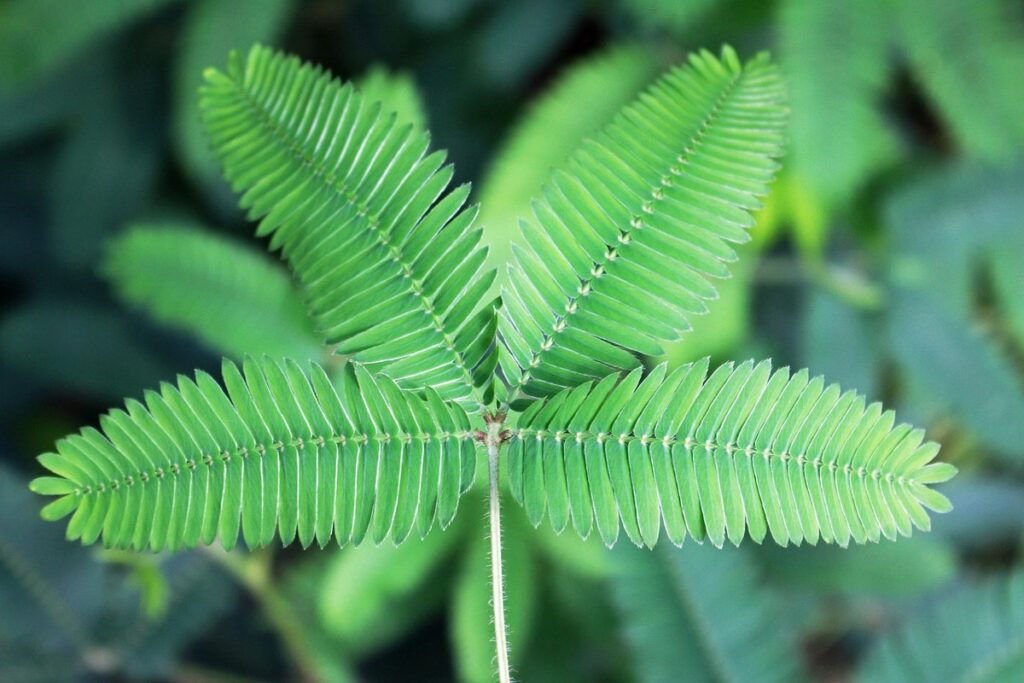
What is a Sensitive Plant?
So, you’re wondering what all the fuss is about when it comes to the sensitive plant – let’s start at the beginning and explore its unique characteristics.
Scientific Classification and History
The sensitive plant, Mimosa pudica, is a member of the Fabaceae family and has been classified as a sensitive species due to its unique properties. From a botanical standpoint, it is a perennial herb that belongs to the genus Mimosa, which comprises around 400 species. However, M. pudica stands out from its counterparts due to its extraordinary sensitivity to touch, temperature changes, and even vibrations.
This unusual behavior has intrigued botanists for centuries, and the plant’s classification reflects its distinct characteristics. In traditional medicine, Mimosa pudica has been used in various cultures to treat ailments such as fever, rheumatism, and digestive issues. The leaves of the plant contain compounds like isoflavones and flavonoids, which are believed to possess anti-inflammatory properties.
It’s worth noting that the sensitive plant is native to tropical regions of South America and was first introduced to Europe in the 18th century. Since then, it has gained popularity as an ornamental plant due to its striking foliage and unique behavior.
Identification and Description
The sensitive plant’s physical characteristics are quite unique and set it apart from other plants. One of its most distinctive features is its compound leaves, which are made up of several pairs of leaflets that are attached to a central stem. These leaflets can fold up when touched or disturbed, giving the plant its “sensitive” reputation. The leaves themselves are typically green in color and have a soft, velvety texture.
The sensitive plant’s stem is relatively thin and slender, often growing up to 1-2 feet in length. It has a distinctive drooping habit, with the stems arching downwards as they grow. This can make the plant appear quite delicate and fragile at first glance. However, it’s actually quite hardy and adaptable, able to thrive in a variety of environments.
In terms of flowers, the sensitive plant produces small, white blooms that are usually quite inconspicuous. These flowers are arranged in clusters along the stems and have a slightly fragrant scent. While they may not be particularly showy, the flowers are an important part of the plant’s life cycle and play a key role in its reproduction.
When identifying the sensitive plant, look for these distinctive physical characteristics. Pay attention to the folding leaves and drooping stems, as well as the small white flowers that are often hidden among the foliage.
Properties and Characteristics
Let’s take a closer look at some of the fascinating properties and characteristics that make the sensitive plant so unique, from its distinctive leaves to its exceptional adaptability.
Rapid Movement and Sensitivity
One of the most captivating aspects of the sensitive plant is its remarkable ability to move rapidly and respond sensitively to various stimuli. This unique characteristic is a result of specialized cells called pulvini that contain contractile fibers, enabling the leaves to fold or unfold quickly.
When touched, the sensitive plant’s leaves will rapidly close, often within seconds, as if trying to shield itself from potential harm. This response is so swift and precise that it can be observed with the naked eye. It’s not just touch that triggers this reaction; changes in light intensity also trigger a similar movement. For instance, when placed under direct sunlight, the leaves will fold up to minimize exposure to intense light.
To witness this phenomenon firsthand, simply place your hand near the plant or adjust its lighting environment. You’ll be amazed by how quickly the leaves respond to these stimuli. This sensitivity serves as an adaptation mechanism, helping the sensitive plant conserve energy and protect itself from excessive light, heat, or touch.
Photosynthesis and Growth Habits
When it comes to photosynthesis and growth habits, the sensitive plant (Mimosa pudica) is quite unique. It has adapted to thrive in environments with limited resources, making it an intriguing subject for study.
Photosynthetically, the sensitive plant is capable of producing its own food through a process that involves capturing sunlight, water, and carbon dioxide. However, due to its compound leaves, it requires more energy to photosynthesize compared to other plants. This might lead you to wonder how it manages to survive in environments with limited light.
In terms of growth habits, the sensitive plant is characterized by its ability to fold its leaves when touched or disturbed, a behavior known as nyctropism. This unique habit allows it to conserve energy and protect itself from predators. The plant also exhibits rapid growth, producing new shoots and roots quickly in response to favorable conditions.
When growing your own sensitive plant, make sure to provide it with bright indirect light, as direct sunlight can be too intense for its compound leaves. Also, ensure that the soil is well-draining and rich in nutrients to promote healthy growth.
Cultivation and Care
To keep your sensitive plant thriving, it’s essential to understand its unique needs for cultivation and care. This includes choosing the right environment and providing regular maintenance.
Soil Requirements and pH Levels
When it comes to growing sensitive plants, understanding their specific soil requirements is crucial for optimal health and growth. These plants thrive in well-draining soil with a slightly acidic to neutral pH level, ranging from 6.0 to 7.0 on the pH scale.
The ideal nutrient profile for sensitive plants includes high levels of organic matter, moderate potassium, and low nitrogen content. Avoid using regular potting mixes, as they can retain too much water, causing root rot in sensitive plants. Instead, mix a balanced fertilizer with compost or peat moss to create a customized blend.
A pH level that’s too far off the optimal range can cause nutrient deficiencies, affecting your plant’s overall health and vibrancy. For example, if the soil is too alkaline (pH 8.0 or higher), phosphorus becomes less available, stunting root development. Regularly test your soil to ensure it’s within the ideal pH range for sensitive plants.
To create an optimal growing environment, incorporate a mixture of perlite and vermiculite into your potting mix. This blend helps maintain moisture levels while preventing waterlogged conditions that can lead to root rot.
Lighting and Temperature Needs
When it comes to providing optimal conditions for your sensitive plant, understanding its lighting and temperature needs is crucial. This delicate species requires precise attention to thrive.
In terms of lighting, the sensitive plant prefers bright, indirect light but can tolerate low light conditions. Direct sunlight can be too intense and may cause scorching, so an east- or west-facing window is ideal. If you’re growing indoors, consider using sheer curtains or shades to filter the sun’s rays. For a south-facing window, keep in mind that it may require more frequent pruning to maintain shape.
Temperature-wise, the sensitive plant thrives in temperatures between 65°F (18°C) and 75°F (24°C). Avoid placing your plant near heating vents, fireplaces, or drafty areas, as sudden temperature fluctuations can cause stress. During the winter months, keep it away from cold windows to prevent damage.
To ensure your sensitive plant stays healthy, monitor its response to different lighting and temperature conditions. If you notice any signs of stress, such as yellowing leaves or droopy stems, adjust the environment accordingly. With proper care, your sensitive plant will flourish in a variety of settings.
Uses and Benefits
The sensitive plant, also known as Mimosa pudica, offers a range of practical uses and benefits for gardeners and indoor plant enthusiasts alike. Let’s explore its most valuable advantages.
Medicinal Properties and Traditional Use
In traditional medicine, sensitive plant has been used for centuries to treat various ailments. The plant’s potential medicinal properties have been explored through its chemical composition, which includes glycosides, flavonoids, and alkaloids. These compounds are believed to exhibit anti-inflammatory, antimicrobial, and antioxidant activities.
In Ayurvedic medicine, sensitive plant is used to treat digestive issues, such as diarrhea and stomach ulcers. In traditional Chinese medicine, it’s used to treat fever, rheumatism, and skin conditions like eczema. Modern research has also explored the plant’s potential in treating conditions like hypertension, diabetes, and cancer.
While there is limited scientific evidence to support these uses, some studies have demonstrated the plant’s efficacy in reducing inflammation and oxidative stress. For example, a 2018 study published in the Journal of Ethnopharmacology found that sensitive plant extracts inhibited the growth of certain cancer cells.
If you’re interested in trying sensitive plant for medicinal purposes, be sure to consult with a healthcare professional first. Additionally, use high-quality, organic sources and follow proper preparation methods to ensure safe and effective use.
Ornamental Value and Potential Uses
As we’ve discussed the sensitive plant’s unique characteristics and needs, let’s now explore its ornamental value and potential uses. This striking houseplant is not only low-maintenance but also visually appealing, making it a great addition to any indoor space or landscape design.
In interior design, the sensitive plant’s delicate white flowers and intricate foliage make it an attractive centerpiece for a room. Its slender stems and trailing habit allow for creative arrangements in hanging baskets or suspended planters, adding a touch of whimsy to modern decor. By placing multiple plants together, you can create a stunning display that adds texture and visual interest to any space.
Beyond indoor use, the sensitive plant also has potential in landscaping, particularly in warm climates where it thrives outdoors. Its tolerance for heat and drought makes it an ideal choice for xeriscaping or water-conserving designs. With proper care, it can thrive in containers or directly in the ground, providing a unique, low-maintenance ornamental feature that’s sure to impress.
Challenges and Considerations
Growing sensitive plants can come with its own set of unique challenges, from sensitivity to touch to specific care requirements that need attention. Let’s dive into these common hurdles together.
Pests and Diseases
As you nurture your sensitive plant, it’s essential to be aware of common pests and diseases that can affect its delicate health. Pests like spider mites, mealybugs, and scale insects can infest the plant, causing damage to its leaves and stems. These tiny creatures feed on the sap, weakening the plant and making it more susceptible to disease.
To prevent pest infestations, ensure your sensitive plant is kept in a clean environment with good air circulation. Regularly inspect the undersides of leaves and stems for any signs of pests. If you notice any, treat the plant promptly with insecticidal soap or neem oil.
Diseases like powdery mildew, root rot, and leaf spot can also affect sensitive plants. These conditions are often caused by overwatering or poor air circulation. To prevent disease, water your plant carefully, allowing excess moisture to drain from the pot. Keep an eye out for yellowing leaves, black spots, or a white powdery coating on the leaves – these are signs of disease.
If you do encounter pests or diseases, act quickly and treat the affected areas with appropriate remedies. With proper care and attention, your sensitive plant can thrive and remain healthy.
Conservation Status and Sustainability
The sensitive plant’s conservation status is a pressing concern due to its limited geographical range and vulnerability to human activities. The species is listed as Near Threatened on the IUCN Red List, primarily due to habitat destruction and over-collection for ornamental purposes. In fact, studies have shown that the sensitivity of the plant makes it particularly susceptible to damage during harvesting and transportation.
To promote sustainability in cultivation and trade, it’s essential to adopt responsible practices. This includes selecting nurseries or suppliers that adhere to sustainable protocols and sourcing plants from regions with minimal environmental impact. Additionally, gardeners can contribute by planting sensitive plants from seed or propagation material, reducing the demand for wild-collected specimens.
By adopting these measures, we can help mitigate the risks associated with over-collection and habitat destruction. Moreover, supporting conservation efforts through organizations like the Sensitive Plant Conservation Initiative can make a significant difference in protecting this unique species. By working together, we can ensure the long-term survival of the sensitive plant for future generations to appreciate its beauty and uniqueness.
Frequently Asked Questions
Can I grow a sensitive plant indoors year-round?
Yes, with proper care, you can grow a sensitive plant indoors year-round. Ensure it receives bright, indirect light and maintain temperatures between 65°F to 75°F (18°C to 24°C). Keep the soil consistently moist but not waterlogged, and fertilize sparingly during the growing season.
How do I propagate new plants from my existing sensitive plant?
You can propagate new sensitive plants through stem cuttings or seed germination. Take 2-3 inch stem cuttings with at least two sets of leaves, remove lower leaves, and plant them in well-draining soil. Water thoroughly and maintain high humidity until roots develop.
Can I use the medicinal properties of the sensitive plant for human consumption?
No, while the sensitive plant has potential medicinal applications, it is not recommended for human consumption without proper guidance from a healthcare professional or a qualified botanist. Some parts of the plant may be toxic in large quantities or interact with medications.
How often should I water my sensitive plant during its dormant period?
During dormancy (winter months), reduce watering to once every 4-6 weeks, as the plant is less active and requires minimal moisture. Resume regular watering when new growth appears in spring.
Can I expose my sensitive plant to direct sunlight without any damage?
No, while some direct sunlight may be beneficial for photosynthesis, excessive exposure can cause leaf scorch or damage to the plant’s delicate foliage. Provide filtered or dappled light during peak sun hours to prevent harm.