
If you’re looking to elevate your cooking game with a refreshing twist, let me introduce you to the Persian cucumber. This slender, sweet variety has been delighting palates for centuries in its native Middle Eastern region, and it’s finally gaining popularity worldwide. What makes Persian cucumbers so special? They offer an unbeatable combination of crunch, flavor, and nutrition. With only 16 calories per slice, they’re a guilt-free snack or addition to your favorite dishes. In this article, we’ll dive into the origins of these versatile gems, explore their impressive nutritional profile, and share creative ways to incorporate them into traditional recipes and modern creations. Whether you’re a seasoned chef or just starting out in the kitchen, get ready to discover the many wonders of the Persian cucumber!
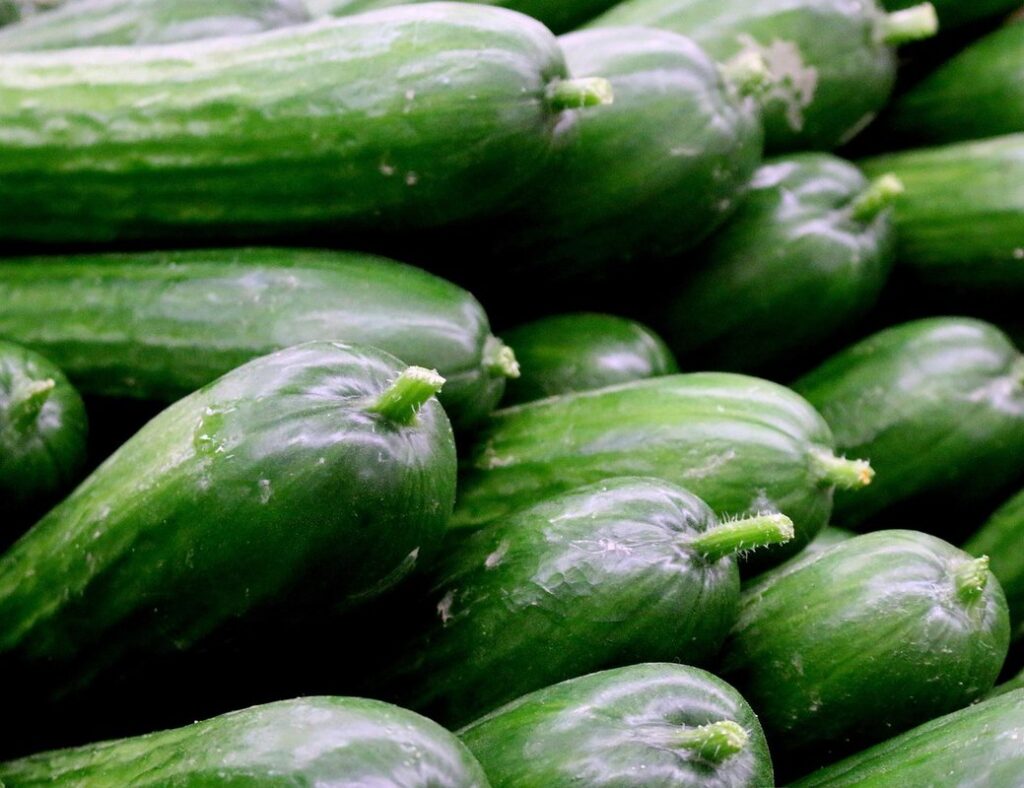
Origins and History of the Persian Cucumber
The Persian cucumber has a rich history that dates back thousands of years, originating from ancient Persia where it was prized for its unique flavor and numerous health benefits. Let’s delve into its fascinating past.
Early Cultivation in Persia (Modern-Day Iran)
The Persian cucumber’s rich history dates back thousands of years to ancient Persia, now modern-day Iran. This region is often credited with cultivating some of the world’s most prized cucumbers, and it was here that the Persian cucumber first gained popularity for its unique flavor profile and crunchy texture.
Early cultivation in Persia involved careful selection of seeds from the finest cucumbers grown on the land. These seeds were then planted in well-drained soil with full sun exposure, allowing the plants to thrive under optimal conditions. As a result, the Persian cucumber quickly became a staple in Persian cuisine, prized for its refreshing qualities and versatility.
In ancient Persia, cucumber was often used as an ingredient in salads, stews, and even desserts. Its unique flavor was also valued for its medicinal properties, with some cultures believing it could aid digestion and promote overall health. As we’ll explore further in our guide to the Persian cucumber, this vegetable has been cherished across various cultures for centuries – not only for its taste but also for its nutritional value and potential health benefits.
Spread to Other Regions Through Trade and Migration
As the Persian cucumber spread throughout the Middle East, it traveled along ancient trade routes that connected civilizations. Merchants and traders would carry seeds of this versatile vegetable to new regions, where they would be cultivated and adapted to local climates. The fertile soil and favorable weather conditions of Mediterranean countries made them ideal for growing Persian cucumbers, which quickly became a staple in many cuisines.
Through migration, the Persian cucumber also reached Europe, where it was adopted by French and Italian cooks who prized its unique flavor and crunchy texture. As trade routes expanded, Persian cucumbers made their way to Asia Minor, India, and even China, where they were incorporated into local dishes. In fact, the Chinese have developed a long, thin variety of Persian cucumber that’s particularly well-suited to stir-frying.
Today, you can grow your own Persian cucumbers in a container or in a garden bed with suitable soil and sunlight. By learning from these historical patterns of migration and trade, you too can spread the joy of Persian cucumbers throughout your community!
Nutrition Facts and Health Benefits
Now that you know a bit about the history of Persian cucumbers, let’s dive into what makes them nutritious and beneficial for our health. We’ll explore their key vitamins and minerals, as well as any potential health benefits associated with regular consumption.
High Water Content and Low Calorie Count
One of the most impressive aspects of the Persian cucumber is its nutritional profile. With its high water content and low calorie count, it’s an excellent addition to a weight loss diet or for individuals looking to stay hydrated throughout the day. In fact, a single cup of sliced Persian cucumbers contains approximately 96% water, making them one of the most hydrating vegetables you can eat.
To put this into perspective, consider that other popular low-calorie vegetables like lettuce and spinach contain around 90-95% water. While these veggies are nutritious in their own right, the Persian cucumber takes the cake when it comes to sheer hydration potential. With only 16 calories per cup, you can enjoy as many slices as you like without worrying about consuming excessive calories.
To get the most out of your Persian cucumbers, be sure to consume them raw or lightly cooked. Overcooking can lead to a loss of nutrients and flavor. Try incorporating sliced Persian cucumbers into salads, smoothies, or using them as a crunchy snack on their own.
Rich in Vitamins and Minerals Essential for Healthy Digestion
Persian cucumbers are a nutrient-dense addition to your diet, providing essential vitamins and minerals that promote healthy digestion. One of the key players is vitamin K, which plays a crucial role in regulating blood clotting and bone health. A single serving of Persian cucumber contains up to 10% of your daily recommended intake of vitamin K.
Potassium is another vital mineral present in Persian cucumbers, making them an excellent choice for supporting digestive health. This electrolyte helps maintain fluid balance and supports muscle contractions in the digestive tract, ensuring smooth bowel movements. With a serving size of just one cucumber, you’ll meet nearly 10% of your daily potassium needs.
Magnesium is also present in Persian cucumbers, contributing to their impressive nutritional profile. As an essential mineral for digestive health, magnesium helps regulate gut function and prevent symptoms like constipation and bloating. To reap the benefits, enjoy Persian cucumbers raw or lightly steamed – overcooking can destroy some of these delicate nutrients.
Aim to consume a variety of colorful vegetables daily, including Persian cucumbers, to maximize your nutrient intake. Try adding sliced cucumbers to salads, sandwiches, or using them as a snack on their own for a boost of vitamins and minerals that support healthy digestion.
Preparing and Cooking with Persian Cucumbers
To bring out the best flavor and texture of your Persian cucumbers, learn how to properly prepare them for various dishes, including salads, sandwiches, and more. We’ll walk you through it all in this next part.
Tips for Selecting the Freshest Cucumbers
When selecting the freshest Persian cucumbers, texture is one of the primary factors to consider. Gently press the skin of the cucumber; if it feels soft and yielding, it’s likely past its prime. Ideally, a fresh Persian cucumber should have a firm but slightly springy texture.
The color of the cucumber can also indicate freshness. Look for cucumbers with a vibrant green color, avoiding those with yellow or white spots, which may be signs of age. A slight sheen to the skin is another indicator of high quality.
Smell is another crucial factor in determining freshness. Fresh Persian cucumbers should have a refreshing, slightly sweet aroma. Avoid those with a strong, unpleasant smell, as this can be a sign of spoilage.
When selecting Persian cucumbers, choose ones that are heavy for their size, as these will typically be more flavorful and have better texture. By considering these factors, you’ll be able to select the freshest, most flavorful Persian cucumbers for your recipes.
Delicious Recipes Using Fresh and Pickled Persian Cucumbers
When it comes to using Persian cucumbers in your cooking, the possibilities are endless. One of the best things about this versatile ingredient is that it can be enjoyed both fresh and pickled. Here are some delicious recipe ideas to get you started:
To showcase the freshness of Persian cucumbers, try making a simple Greek-style salad with sliced cucumbers, juicy tomatoes, crumbled feta cheese, and a drizzle of extra-virgin olive oil. You can also add them to sandwiches or wraps for a refreshing crunch.
For pickled Persian cucumbers, slice them thinly and soak them in a mixture of vinegar, sugar, salt, and spices. Let it sit in the refrigerator for at least 30 minutes before serving as a tangy side dish or topping for tacos and grilled meats.
Some other ideas include adding pickled cucumbers to your favorite Middle Eastern dishes like kebabs and falafel, or using them as a topping for sushi rolls or burgers. The possibilities are endless, so feel free to experiment and come up with your own creations!
Cultural Significance and Uses in Cuisine
In Persian cuisine, cucumbers play a significant role beyond being a refreshing snack, often used as an ingredient in various traditional dishes. Let’s explore how they’re valued culturally and used creatively in cooking.
Traditional Iranian and Middle Eastern Dishes
In traditional Iranian and Middle Eastern cuisine, the Persian cucumber holds a special place. It’s often used in iconic dishes that not only highlight its refreshing flavor but also showcase the rich cultural heritage of the region. One such dish is mast-o-khiar, a popular yogurt and cucumber salad that’s a staple at Iranian gatherings and celebrations. The combination may seem simple, but it’s a masterclass in balancing flavors – the coolness of the cucumber pairs perfectly with the tanginess of the yogurt.
Another beloved dish featuring the Persian cucumber is torshi, a pickled vegetable medley that’s both flavorful and visually appealing. Torshi is often served as an appetizer or side dish, adding a burst of freshness to any meal. To make torshi at home, start by selecting a variety of colorful vegetables such as cucumbers, carrots, and turnips. Slice them thinly and soak them in a mixture of vinegar, salt, and spices for several hours. The result is a tangy and crunchy accompaniment that’s perfect for accompanying grilled meats or flatbreads.
Innovative Applications in Modern Cooking
Modern chefs are taking the Persian cucumber to new heights with their creative and innovative recipes. One of the most popular ways to incorporate this ingredient is in salads, where its crunchy texture and refreshing flavor add a unique twist to classic combinations. For instance, a simple salad composed of thinly sliced Persian cucumbers, juicy tomatoes, and fragrant mint leaves, dressed with a zesty lemon-tahini dressing, makes for an unforgettable summer side dish.
Beyond salads, the Persian cucumber is also being used in sauces and marinades, where its cooling properties help to balance out rich and spicy flavors. A popular example is the use of Persian cucumbers as a key ingredient in yogurt-based sauces, such as raita or tzatziki, which provide a refreshing contrast to grilled meats and vegetables. To incorporate this technique at home, simply peel and grate a few Persian cucumbers, then mix them with plain yogurt, garlic, dill, and a pinch of salt. This cool and creamy sauce is perfect for hot summer days.
The versatility of the Persian cucumber also extends to its use in pickling, where it can be preserved in vinegar or oil to make a tangy condiment.
Growing Your Own Persian Cucumbers
To grow delicious and crunchy Persian cucumbers, you’ll need to choose a sunny spot, prepare the soil, and learn how to train these vining plants. With proper care, you can enjoy fresh pickles all summer long!
Climate Requirements and Soil Conditions
When it comes to growing Persian cucumbers, understanding their climate requirements and soil conditions is crucial for a bountiful harvest. These cucumbers thrive in warm weather, typically between 65°F and 85°F (18°C and 30°C), making them an ideal choice for gardeners in USDA zones 4-10.
Persian cucumbers prefer well-draining, rich soil with a pH between 6.0 and 7.0. To replicate this condition in your garden, mix compost or well-rotted manure into the soil to improve its fertility and drainage. Make sure the area receives full sun (at least six hours of direct sunlight) and has good air circulation.
Regular pruning is essential for promoting healthy growth and preventing fungal diseases. Remove any weak or spindly growth, and trim the vine tips to encourage bushy development. This will also help control the spread of pests like aphids and whiteflies.
By following these guidelines, you’ll be well on your way to growing delicious, crunchy Persian cucumbers in no time!
Tips for Prolonging Freshness and Reducing Waste
When growing your own Persian cucumbers, it’s essential to prolong their freshness and reduce waste. This can be achieved by selecting the right storage conditions and handling techniques. Store the cucumbers in a cool, dry place with good air circulation. Avoid placing them near heat sources or direct sunlight.
To maintain optimal moisture levels, cover the container with a breathable cloth or mesh bag. Check on the cucumbers daily to remove any that have gone bad. This will prevent spoilage and keep the remaining ones fresh for longer.
Another crucial aspect is harvesting techniques. Cut the cucumber instead of pulling it from the plant to avoid damaging the stem. This method also helps to minimize waste by reducing the amount of trimmings discarded during harvest.
For longer-term storage, consider pickling or preserving your Persian cucumbers using a brine solution. Not only will this help extend their shelf life but also provide you with a delicious and versatile condiment for various dishes throughout the year.
Conclusion: The Versatility of the Persian Cucumber
Now that we’ve explored the history and nutritional benefits of the Persian cucumber, let’s dive into its many uses in cooking and beyond.
Recap of Key Points
In conclusion, we’ve explored the fascinating world of the Persian cucumber. Let’s recap the key points that make this vegetable so versatile and valuable. The Persian cucumber has a rich history dating back to ancient Persia, where it was cultivated for its unique flavor and texture.
When it comes to nutrition, the Persian cucumber is an excellent source of vitamin K, potassium, and antioxidants. It’s also low in calories and high in water content, making it a great addition to any healthy diet. In terms of preparation methods, we discussed how to store, slice, and use the Persian cucumber in various dishes.
The cultural significance of the Persian cucumber is undeniable, with its presence being felt in Middle Eastern cuisine and beyond. To grow your own Persian cucumbers, remember to provide them with plenty of sunlight and water, and harvest regularly to encourage continued production. Whether you’re a seasoned chef or a beginner gardener, the Persian cucumber is sure to delight and inspire you in the kitchen and garden.
Final Thoughts on Incorporating This Delightful Vegetable into Your Diet
Now that you’ve learned about the Persian cucumber’s history, nutritional benefits, and versatile uses, it’s time to incorporate this delightful vegetable into your diet. As you explore new recipes and applications, keep in mind a few key takeaways.
Firstly, experiment with different preparation methods to unlock the full flavor potential of the Persian cucumber. Slice or dice it thinly for salads, add it to sandwiches or wraps, or use as a crunchy garnish for soups and sauces. Its unique texture also lends itself well to pickling or preserving, allowing you to enjoy its flavor year-round.
When shopping for Persian cucumbers, look for fresh, firm specimens with a vibrant green color. If you can’t find them in local stores, consider growing your own at home using seeds specifically bred for their mild flavor and crunchy texture. By making the Persian cucumber a regular part of your diet, you’ll not only reap its numerous health benefits but also discover new flavors to enhance your meals.
Frequently Asked Questions
Can I grow Persian cucumbers indoors if I don’t have a suitable climate?
Yes, you can grow Persian cucumbers indoors using containers or hydroponics, which allows for better temperature control and protection from pests. Make sure to provide adequate light, preferably with LED grow lights, and maintain optimal temperatures between 65-75°F (18-24°C).
How do I store Persian cucumbers to prolong their freshness?
To keep Persian cucumbers fresh for a longer period, store them in the refrigerator at a consistent temperature below 40°F (4°C). Remove any excess moisture from the container and wrap the cucumbers individually in plastic wrap or aluminum foil. You can also store them in a cool, dry place away from direct sunlight.
Can I use Persian cucumbers as a substitute for regular cucumbers in all recipes?
While Persian cucumbers share similarities with regular cucumbers, their unique flavor and texture make them more suitable for certain dishes. In general, you can substitute Persian cucumbers for regular cucumbers in most salads and sandwiches, but they may not work as well in pickling or as a snack on their own due to their higher water content.
How do I select the freshest Persian cucumbers at the market?
When selecting fresh Persian cucumbers, choose ones with dark green skin, firm texture, and no signs of wilting. Check for any soft spots, blemishes, or discoloration, which can indicate a lower quality cucumber. You can also gently squeeze them to ensure they are not too ripe.
Can I pickle Persian cucumbers using the same recipe as regular cucumbers?
While you can use the same pickling recipes for both types of cucumbers, Persian cucumbers tend to have a higher water content and may require adjustments in brine strength or time. Start with smaller batches to ensure the desired level of tanginess and crunch, and be prepared to make minor adjustments based on your taste preferences.