
If you’re like many gardeners, you’ve likely heard of trench composting but may not know exactly how to implement this sustainable practice in your own vegetable bed. Trench composting is a game-changer for soil health, structure, and fertility – allowing your veggies to grow strong and healthy with minimal fuss.
The process itself is straightforward: creating a trench pit where you layer food scraps and other organic materials, letting them break down naturally over time. But it’s the benefits that make this practice truly special. By incorporating composted “black gold” into your soil, you can expect improved water retention, increased nutrient availability, and even better pest resistance.
In this article, we’ll walk you through the step-by-step process of creating a trench compost pit in your vegetable bed, covering everything from planning to maintenance. With these simple steps, you’ll be on your way to healthier, more productive soil – and a more sustainable gardening routine overall.
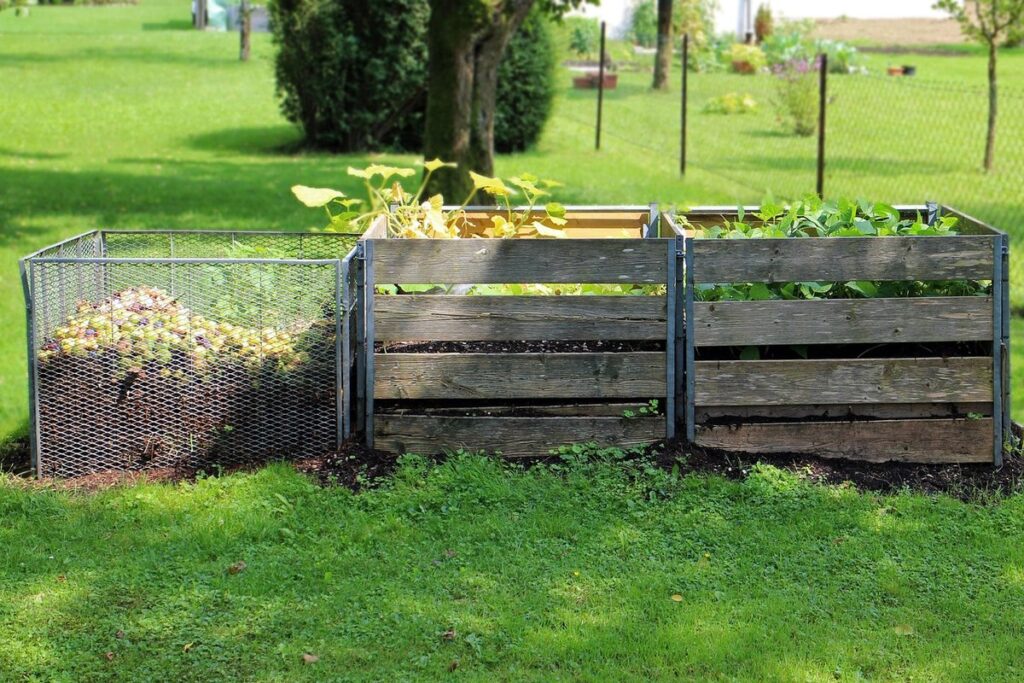
Understanding Trench Composting
Trench composting is a game-changer for vegetable gardeners, allowing you to turn food scraps and yard waste into nutrient-rich soil. Let’s dive into how this process works.
Benefits of Trench Composting for Vegetable Gardens
When done correctly, trench composting can have a profound impact on the health and fertility of your vegetable garden’s soil. By incorporating kitchen scraps, leaves, and other organic matter into trenches dug throughout your bed, you’re creating an environment that encourages beneficial microorganisms to thrive. These tiny microbes work tirelessly behind the scenes to break down complex nutrients, making them available to your plants.
As a result, trench composting improves soil structure by increasing its water-holding capacity and overall tilth. This means that roots grow deeper, anchoring plants firmly in place, while excess moisture is retained, reducing the need for frequent watering. Moreover, as microorganisms feed on organic matter, they release essential nutrients like nitrogen, phosphorus, and potassium – exactly what your vegetables need to grow strong and healthy.
In practical terms, this translates into more robust yields, increased resistance to disease, and a decrease in pests. By regularly replenishing trenches with fresh compost materials and allowing them time to mature, you’ll be creating a self-sustaining ecosystem that will continue to provide benefits season after season.
Basic Principles of Trench Composting
At its core, trench composting relies on several fundamental principles that, when followed, can unlock its full potential. One of the most crucial aspects is maintaining an optimal carbon-to-nitrogen (C:N) ratio within each layer. This balance ensures microbes have sufficient energy to break down organic matter without producing excess ammonia, which can harm plants.
A general rule of thumb is to aim for a mix containing 2/3 “brown” materials (high in carbon: e.g., dried leaves, shredded newspaper) and 1/3 “green” materials (rich in nitrogen: e.g., kitchen scraps, grass clippings). However, specific needs may vary depending on factors like climate, soil type, and desired composting rate. For instance, hot climates or high-nitrogen materials might require a more balanced C:N ratio to avoid over-fermentation.
Proper layering is also essential for efficient decomposition. Begin by adding 4-6 inches of brown material at the bottom of the trench, followed by alternating layers of green and brown materials. Avoid compacting layers, as this can lead to anaerobic conditions hindering microbial activity. Regular aeration through turning or poking holes helps maintain a healthy balance between moisture, oxygen, and carbon-nitrogen ratios.
Preparing Your Soil and Vegetables for Trench Composting
Before digging into your trench composting project, let’s get your soil and vegetables ready to reap the benefits of this sustainable approach to soil fertility. This section will cover essential preparation steps for a thriving system.
Selecting the Right Location for Trenches
When it comes to trench composting in vegetable beds, selecting the right location is crucial for its success. You’ll want to consider a few key factors before digging in – literally. First and foremost, think about soil depth. Trenches should be placed where the soil is at least 12-18 inches deep to allow for adequate decomposition space. This will also help prevent roots from growing into the compost pile.
Next, drainage is essential. You don’t want your trenches sitting in waterlogged areas, which can lead to anaerobic conditions and unpleasant odors. Choose a spot with good soil structure and natural drainage. Accessibility is another consideration – you’ll need easy access for filling and turning the trenches.
Additionally, consider the proximity of nearby plants and their root systems. It’s best to place trenches far enough away from vegetables to avoid damaging roots or attracting pests. With these factors in mind, you can confidently select a location that sets your trench composting system up for success.
Preparing Vegetable Plants for Trench Composting
When it comes to preparing your vegetable plants for trench composting, selecting the right varieties is crucial. Choose vegetables that thrive in slightly acidic to neutral soil pH and are not prone to root rot. These include leafy greens like lettuce, kale, and spinach, as well as broccoli, cauliflower, and cabbage.
Avoid over-watered or waterlogged conditions by monitoring your plants’ moisture levels carefully. Water stress can weaken plant roots, making them more susceptible to disease and reducing their ability to absorb nutrients. Before trench composting, ensure that your soil drains well and that you have a balanced watering schedule in place.
Some vegetables, such as tomatoes, peppers, and eggplants, are less suitable for trench composting due to their large root systems and high water requirements. These plants will do better with separate compost applications or mulching. By choosing the right varieties and managing your soil’s moisture levels, you’ll set yourself up for success with trench composting and enjoy a healthier, more fertile vegetable bed.
Creating a Trench Compost Pit: Step-by-Step Guide
To get started, let’s dive into creating a trench compost pit by following these simple steps to enrich your vegetable bed soil naturally. This step-by-step guide will lead you through the process.
Planning Your Trench Design
When planning your trench design, it’s essential to consider the size, shape, and depth of the trench. The ideal size will depend on the space available and the amount of compost you want to generate. As a general rule, a 3-foot wide by 10-foot long trench is a good starting point for most vegetable beds.
Consider the slope of your garden bed when determining the length and direction of your trench. A gentle slope will make it easier to fill the trench with materials, while a steeper slope can lead to erosion. Aim for a depth of at least 2-3 feet to allow for adequate decomposition and nutrient cycling.
Keep in mind that the shape of your trench can also impact its effectiveness. A straight trench is often preferred as it allows for easy access and filling, but curved or L-shaped trenches can be beneficial for spaces with limited width. Remember to position the bottom of the trench slightly higher than the surrounding soil level to facilitate water drainage and prevent erosion.
When determining the number of trenches needed, consider the size of your garden bed and the amount of compost you want to generate. For smaller beds, a single trench may suffice, while larger spaces may require multiple trenches to achieve optimal composting results.
Layering Materials in Your Trench Compost Pit
When layering materials in your trench compost pit, it’s essential to create a balance between green and brown materials. Green materials, such as food scraps, grass clippings, and manure, are rich in nitrogen but can be too wet and smelly if not balanced correctly. Brown materials like dry leaves, straw, or shredded newspaper provide carbon and help absorb excess moisture.
To start, add a 4-6 inch layer of brown materials at the bottom of the trench. This will act as a base and help with drainage. Next, add a 2-3 inch layer of green materials on top. Repeat this process, alternating between brown and green layers, until you reach the desired depth. Keep in mind that your trench should be about one-third green materials for optimal decomposition.
Maintain moisture levels by adding water when necessary to prevent dryness or excessive wetness. Adequate aeration is also crucial; ensure the top layer doesn’t get too compacted by gently mixing it with a fork every few days. This will help speed up the composting process and prevent any unpleasant odors.
Adding Green and Brown Materials to Your Trench Compost
Now that you have your trench compost pile established, let’s talk about incorporating green and brown materials to balance out its nutrient levels.
Choosing Green Materials for Composting
When it comes to trench composting, incorporating fresh plant material is crucial for promoting microbial activity. Green materials like leaves, grass clippings, and vegetable scraps play a significant role in kick-starting the decomposition process. These materials are rich in nutrients and moisture, making them an ideal addition to your compost pile.
Leaves, in particular, are an excellent choice due to their high carbon content. They help balance out the nitrogen levels in brown materials like dried leaves or straw, creating an optimal environment for microbes to thrive. Grass clippings, on the other hand, add a boost of nitrogen to the mix, while vegetable scraps provide essential micronutrients.
When selecting green materials, it’s essential to choose items that are free from contaminants like pesticides or heavy metals. Aim for a mix of 2/3 brown materials and 1/3 green materials to maintain a healthy balance. Be sure to shred or chop green materials before adding them to your trench compost to ensure they break down evenly.
Selecting Brown Materials for Carbon-Rich Layers
When selecting brown materials for carbon-rich layers in your trench compost, consider what will provide a stable foundation for the nutrient-dense green matter. Shredded newspaper is an excellent choice due to its high carbon content and ability to absorb excess moisture, reducing odors and fly infestations.
Cardboard boxes are another option, but they should be torn into smaller pieces before adding them to your trench compost pile. Avoid using wax-coated or glossy cardboard as these can hinder the decomposition process. Wood chips or shavings from untreated wood sources can also add carbon-rich material to your pile. However, it’s essential to note that cedar and cypress wood contain oils that can inhibit microbial growth.
When mixing brown materials with green matter, aim for a 2:1 ratio of carbon-to-nitrogen (C:N) to ensure stable decomposition and prevent the growth of anaerobic microorganisms. This balance will also help control odor production and minimize pests.
Monitoring and Maintaining Your Trench Compost Pit
Now that your trench compost pit is established, let’s dive into the next crucial steps: monitoring its progress and maintaining its health to ensure optimal soil fertility. Regular checks will keep your system running smoothly.
Regularly Inspecting the Compost Pit for Moisture and Aeration
Monitoring moisture levels and ensuring adequate aeration is crucial for maintaining optimal conditions within your trench compost pit. Check the pit regularly to prevent waterlogged soil, which can lead to anaerobic conditions that inhibit decomposition and potentially harm plants.
To monitor moisture levels, stick your hand into the pit, feeling for dampness but not saturation. If the soil feels dry to the touch, it’s likely time for watering. Conversely, if it’s soaking wet, allow it to dry out a bit before adding more water. A good rule of thumb is to maintain a mix that’s slightly damp but not soggy.
When inspecting the pit, also check for adequate aeration by looking for signs of airflow or oxygen movement within the trench. If you notice a lack of airflow, you can create pathways by gently tilling in small, shallow trenches or using a fork to aerate the soil. This helps ensure that microorganisms have access to oxygen, facilitating efficient decomposition and nutrient cycling. By regularly inspecting and adjusting these factors, you’ll be able to maintain a healthy balance within your trench compost pit, ultimately benefiting your vegetable beds’ fertility and overall health.
Turning or Stirring the Compost
When turning or stirring your trench compost pile, it’s essential to strike the right balance between not disturbing it too much and ensuring adequate oxygen flow. If you don’t aerate the compost regularly, anaerobic conditions can develop, leading to unpleasant odors, pests, and pathogens.
As a general rule of thumb, turn or stir your trench compost every 7-10 days during the initial decomposition phase. This frequency will help speed up the process by increasing oxygen levels, reducing odor production, and promoting uniform breakdown of organic matter.
However, if you’ve added too much green material, such as kitchen scraps or grass clippings, the pile might require more frequent stirring. Aim to stir in a way that breaks down these materials and mixes them with the existing compost. By doing so, you’ll prevent matting and promote healthy microbial activity.
Harvesting Finished Trench Compost: Timing and Benefits
When your trench compost is mature, timing plays a crucial role in harvesting it for optimal benefits, as described below. This section will guide you through the process of successfully collecting and using your finished trench compost.
Determining When Your Compost is Ready for Use
To ensure your trench compost is ready for use, you’ll want to keep an eye out for several key signs. The first indicator of finished compost is its aroma – it should have a rich, earthy smell that’s similar to damp soil. This scent will be most pronounced when you dig into the trench or turn over the compost pile.
Another sign is the color: finished compost tends to be dark and uniform, with a range from dark brown to almost black. Avoid using compost that has any significant amount of green material still visible, as this can indicate it’s not yet broken down enough.
When you dig into the trench, check its texture – it should be crumbly and feel like dry soil, rather than being wet or soggy. If your compost looks or feels like a mixture of different textures (e.g., some clumps, some loose materials), it’s likely not ready yet.
Using Finished Trench Compost in Vegetable Beds
When it’s time to harvest finished trench compost, you can incorporate it into your vegetable beds for optimal soil health. To do this, start by digging the compost into the top 8-10 inches of soil. This will allow it to mix with existing soil and create a nutrient-rich profile.
As the compost breaks down further, it improves soil structure by increasing water-holding capacity and aeration. This is especially beneficial for vegetable beds that require consistent moisture levels. The increased fertility from the finished compost also promotes healthy root growth and development, leading to more robust plant growth.
To maximize the benefits of trench compost in your vegetable bed, mix it in at a rate of 10-20% compost per square foot of soil. This will give you the optimal balance between nutrient release and soil aeration. For example, if you’re working with a 4×4 bed, use about 1-2 cubic feet of finished compost per bed.
The added fertility from the trench compost can also help to suppress pests and diseases in your vegetable beds. By promoting healthy microbial activity and beneficial insect populations, you’ll create a balanced ecosystem that supports overall soil health.
Overcoming Common Challenges with Trench Composting
When trench composting, you’ll inevitably face some common challenges that can make or break your soil’s fertility. Let’s tackle these issues head-on and explore solutions to overcome them successfully.
Addressing Issues Related to Pests or Diseases
When trench composting in vegetable beds, it’s not uncommon for pests and diseases to arise. Rodents, ants, and unwanted weeds can be particularly troublesome if left unchecked. To manage these issues effectively, start by understanding their causes. For example, rodents may be attracted to the abundance of food waste in your trenches, while ants might be drawn to moisture or sweet-smelling compost.
To deter rodents, bury meat scraps deeper within the trench, where they’ll eventually break down but remain out of reach for small creatures. Consider using ant traps or physical barriers to keep these pests at bay. As for weeds, identify and remove them regularly before they set seed. This will prevent their spread and minimize competition for resources.
Additionally, ensure good airflow and adequate drainage within your trenches to create an environment less conducive to disease growth. By taking proactive steps to manage pests and diseases, you can maintain the health and fertility of your soil while minimizing potential disruptions to your trench composting process.
Troubleshooting Moisture-Related Problems
Moisture is a critical factor in trench composting, as it affects not only the decomposition process but also the overall health of your vegetable bed. Over-drying can lead to reduced microbial activity, causing the compost pile to stagnate and release unpleasant odors, while waterlogging can create anaerobic conditions that promote pathogen growth.
To address over-drying issues, ensure you’re maintaining adequate moisture levels in your trench compost pile by adding sufficient green materials (such as fresh grass clippings or manure) during construction. Regularly inspect the pile and water it gently but thoroughly when necessary to maintain a moist consistency similar to that of a damp sponge.
Conversely, if your trench is experiencing waterlogging, stop adding more moisture-rich materials and aerate the pile by digging in or turning it over to introduce oxygen and improve airflow. This will help balance the microbe populations within the composting process.
When constructing your trench compost, consider incorporating materials with high water-holding capacities, such as coconut coir or shredded newspaper, to mitigate both over-drying and waterlogging issues. By implementing these strategies, you can maintain a stable moisture environment that supports optimal decomposition in your vegetable bed’s trench compost pile.
Frequently Asked Questions
What’s the ideal depth for trench composting trenches?
A good rule of thumb is to create trenches that are at least 12-18 inches deep, but no deeper than 24 inches. This allows for adequate room for layers of green and brown materials without compromising soil structure or causing moisture-related issues.
Can I use weeds with seeds in them as green materials in my trench compost pit?
No, it’s best to avoid using weeds with viable seeds as they can sprout new plants within the compost, potentially creating unwanted growth in your vegetable bed. Opt for weed-free green materials like kitchen scraps or grass clippings instead.
How do I determine if my trench compost is finished and ready for use?
To check if your compost is finished, look for a dark brown color, earthy aroma, and crumbly texture. It should also be free of recognizable pieces of organic matter. If it passes these tests, you can start incorporating it into your vegetable beds.
Can I trench compost in areas with poor drainage or compacted soil?
While it’s technically possible to trench compost in challenging conditions, it may not yield optimal results. In areas with poor drainage or compacted soil, consider creating a separate compost area with better soil conditions. This will help ensure successful breakdown and nutrient-rich output.
How often should I turn or stir the contents of my trench compost pit?
As a general guideline, aim to turn or stir your compost every 2-3 weeks during the active decomposition phase (usually the first few months). This helps maintain adequate oxygen flow, prevents anaerobic conditions, and ensures efficient breakdown.