
Gooseberry bushes can be a bit finicky when it comes to maintenance, but with the right pruning techniques, you can optimize their growth and fruit yield. Pruning is an essential aspect of gooseberry care that’s often overlooked by home gardeners. However, understanding how to prune your gooseberry bushes correctly can make all the difference in their health and productivity. In this comprehensive guide, we’ll walk you through the best practices for pruning gooseberries, covering techniques such as when to prune, which branches to cut, and how to shape your bush for maximum fruit production. By following our expert advice, you’ll be able to coax the most out of your gooseberry plants and enjoy a bountiful harvest.
Understanding the Importance of Pruning
Pruning your gooseberry bush might seem like a daunting task, but understanding its importance is crucial for optimal fruit production and overall plant health. Let’s dive into why pruning matters for your gooseberries.
Why Prune Your Gooseberries?
Pruning is an essential gardening task that benefits gooseberry plants in numerous ways. Not only does it promote healthy growth and prevent disease, but it also increases fruit yield, making pruning a vital part of maintaining a productive and thriving plant.
Regular pruning encourages the bush to produce new stems and branches, which in turn promotes vigorous growth and development. This increased growth allows for more flowers to form, resulting in an abundance of delicious gooseberries. By removing dead or diseased wood, you’re also reducing the risk of pests and diseases taking hold, which can quickly spread throughout the plant.
In addition to promoting growth and preventing disease, pruning helps control the overall size and shape of your gooseberry bush. This is particularly important for compact varieties, as it prevents them from becoming too leggy or unmanageable. By regularly pruning your gooseberries, you’ll be rewarded with a healthy, productive plant that provides an abundance of delicious fruit year after year.
Benefits of Regular Pruning
Regular pruning of your gooseberry bushes offers numerous benefits that can greatly impact their health and productivity. One significant advantage is improved air circulation around the plant. When branches are pruned regularly, they allow for better airflow, which helps to prevent fungal diseases from taking hold. This is especially important for gooseberries, as they are prone to powdery mildew and other fungal infections.
Another benefit of regular pruning is enhanced sunlight penetration into the plant’s interior. By removing crossing or damaged branches, you create an open structure that allows more sunlight to reach the fruiting areas. This, in turn, promotes healthy growth, increased yields, and better-quality fruit.
Regular pruning also increases accessibility for harvesting your gooseberries. When bushes are pruned back to maintain a manageable size, it’s much easier to pick those delicious berries right from the plant. You’ll save time and effort, and get to enjoy your fresh produce sooner. By incorporating regular pruning into your gardening routine, you’ll be rewarded with healthier, more productive plants that thrive throughout the growing season.
Choosing the Right Time to Prune
Before you start pruning, it’s essential to consider when is the best time to do so, and whether your gooseberry bush needs a spring, summer, or autumn prune. Timing is crucial for healthy growth.
Determining the Best Season for Pruning
When to prune gooseberries is a crucial decision that depends on several factors. Climate plays a significant role, as harsh winters can make pruning in late winter or early spring challenging for young plants. In colder regions, it’s best to delay pruning until the threat of frost has passed, typically around late March to early April.
For established plants, consider the age of your gooseberry bushes. Younger plants benefit from a more extensive prune to promote healthy growth and fruiting. Aim for a 1/3 reduction in height and width during the first few years after planting.
Different varieties also have specific pruning requirements. Some popular cultivars like ‘Hinnomaki Red’ and ‘Invicta’ require minimal pruning, while others like ‘Pixwell’ and ‘Poorman’ benefit from regular shaping to maintain their compact size. As a general rule of thumb, prune your gooseberry bushes when they are dormant, typically in late winter or early spring. This allows the plant to focus its energy on new growth rather than healing wounds.
Preparing Your Tools and Equipment
When it comes to pruning gooseberries, having the right tools and equipment is crucial for efficiency and effectiveness. To get started, you’ll need a few essential items in your toolkit.
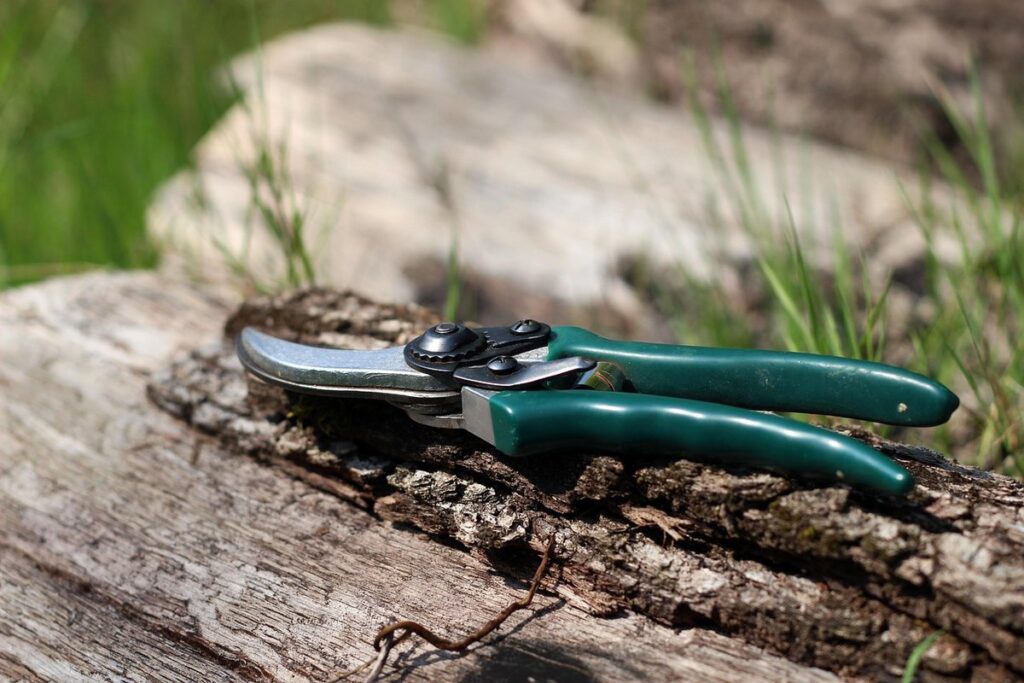
First and foremost, hand pruners are an absolute must-have. Look for ones with long handles and sharp blades that can tackle thicker stems. You’ll also want to invest in a good pair of loppers, which come in handy when dealing with thicker branches (up to 2-3 inches in diameter). These extendable pruning tools make quick work of cutting through larger limbs.
A pruning saw is another vital tool for more extensive cuts or for removing deadwood. Choose one with a curved blade and a comfortable handle grip. This will allow you to navigate tight spaces with ease. Make sure to keep all your tools clean, sharp, and well-maintained throughout the pruning process.
Don’t forget to have some spare blades on hand in case of accidents, as dull or damaged blades can lead to unnecessary stress and fatigue. With these basics covered, you’ll be well-equipped to tackle even the most challenging gooseberry pruning jobs.
Techniques for Pruning Gooseberry Bushes
When pruning gooseberry bushes, it’s essential to remove damaged branches and encourage new growth by cutting back overgrown stems. This technique is crucial for maintaining a healthy and productive plant.
Cutting Back Canes
When cutting back canes on your gooseberry bushes, it’s essential to strike a balance between promoting healthy growth and encouraging fruiting. To achieve this, you’ll want to focus on removing the oldest, most woody stems while leaving some of the newer growth intact.
Begin by identifying the canes that are at least 3-4 years old, as these tend to be the most productive and vigorous. Use sharp, clean pruning shears or loppers to cut these canes back to a height of around 2-3 feet from the ground. Make your cuts just above a bud eye, which is the small swelling on the stem from where new growth emerges.
By cutting back older canes, you’re allowing younger, more vigorous stems to grow and take over. This process promotes air circulation within the bush, reducing the risk of disease and promoting healthy fruiting. Be sure to remove any weak or diseased growth throughout the plant, as this will also help prevent the spread of disease and pests.
Removing Dead, Diseased, or Damaged Wood
When pruning gooseberry bushes, it’s crucial to remove dead, diseased, or damaged wood. This may seem like a minor detail, but neglecting this task can have severe consequences for the overall health of your plant.
Start by examining your bush carefully, looking for signs of damage or disease. Dead branches will be brittle and dry to the touch, while diseased wood may appear discolored, twisted, or covered in fungal growths. Damaged wood can result from storms, pests, or poor pruning techniques. If you notice any of these issues, make a note of which branches need attention.
To remove dead or damaged wood, use clean, sharp pruning tools to cut the branch back to a healthy section. Cut at an angle, just above a bud or growth node, to promote new growth and prevent water from collecting on the cut end. Remove any diseased tissue entirely, making sure to disinfect your tools between cuts to prevent the spread of disease.
By removing dead, diseased, or damaged wood, you’ll not only maintain the health of your gooseberry bush but also reduce the risk of disease spreading throughout the plant.
Pruning Varieties with Different Growth Habits
When pruning gooseberries, understanding their unique growth habits is crucial for optimal results. This section will cover how to prune different varieties, from compact bushes to vigorous climbers.
Pruning Upright Gooseberries
Upright gooseberries, with their slender growth habit, require a more deliberate approach to pruning. When it comes to these varieties, you’ll want to focus on maintaining a strong central leader and removing crossing branches that can compromise the plant’s structure.
To prune an upright gooseberry, start by selecting one main stem or leader from the center of the bush. Cut any weaker growths back to this point, encouraging all new shoots to grow out from it. This will help maintain a balanced shape and promote healthy growth.
Remove any crossing branches that rub against each other or obstruct light penetration. Use pruning shears or loppers to cut these branches off at the point where they meet the main stem. Make clean cuts just above a bud, leaving about 1/4 inch of stem intact. This will help prevent disease and encourage new growth.
By following this approach, you’ll be able to maintain your upright gooseberry’s natural shape while promoting a robust and productive plant. With regular pruning, these varieties can thrive in containers or against walls, providing an abundance of delicious fruit for years to come.
Pruning Semi-Erect and Spreading Gooseberries
Pruning semi-erect and spreading gooseberries requires attention to their unique growth habits. These varieties tend to produce more vigorous growth than upright types, making them more prone to overcrowding and reduced fruiting. To maintain an open center structure, prune these bushes by removing any weak or crossing branches in the center of the plant.
When pruning semi-erect gooseberries, focus on selecting 3-4 main stems that are spaced evenly apart. Remove any shoots growing from below 2 feet off the ground to encourage new growth and fruiting higher up. Thin out the center branches by cutting back some of these main stems to just a few inches above the base. This will allow air to circulate through the plant and promote healthy growth.
For spreading varieties, prune in the same way as upright types, but also remove some of the longer, more vigorous shoots that are growing beyond the canopy’s edge. This will help maintain an open center structure and prevent overcrowding. Regular pruning will not only improve fruiting but also enhance the overall appearance of your semi-erect or spreading gooseberry bushes.
Tips for Pruning Young Plants and After Harvest
Now that you know the basics of pruning, let’s dive into some specific tips for young plants and after harvest to keep your gooseberry bushes thriving. This is where things can get a bit nuanced!
Pruning Young Gooseberry Plants
When it comes to pruning young gooseberry plants, it’s essential to strike the right balance between promoting healthy growth and establishing a strong root system. During the first year after planting, it’s best to prune your gooseberries lightly to encourage bushy growth and prevent legginess.
Prune new plants in late winter or early spring, removing any weak or damaged branches down to the base. This will help the plant direct its energy towards developing a robust root system. Avoid over-pruning, as this can weaken the plant and make it more susceptible to disease.
As your gooseberry bush grows, focus on pruning out crossing branches and promoting an open center structure. Remove any weak growth or shoots that are growing inwards towards the center of the plant, and encourage horizontal growth by pruning at a 45-degree angle.
By following these simple tips, you’ll be able to establish healthy, productive gooseberry plants that will reward you with bountiful harvests for years to come.
Pruning After Harvest
Pruning after harvest is crucial for maintaining the health and productivity of your gooseberry plants. After the harvest season, it’s essential to assess your plant’s stress levels. If your gooseberries have been subjected to disease, pests, or harsh weather conditions, they may require extra care.
Begin by removing any diseased or damaged branches to prevent further spread and promote healthy growth. Cut these branches at a 45-degree angle just above a bud eye, making sure not to leave any stubs that can become entry points for pathogens. For healthy but overgrown branches, thin out the center of the plant to allow air circulation and sunlight penetration.
Consider your fruit yield when pruning after harvest. If you want to increase production, focus on removing weak or spindly growth, which will direct more energy towards fruiting. Conversely, if you’re looking for a more compact shape, remove select branches to encourage bushy growth.
Pruning at the right time also prepares your plant for the next growing season. Cut back any dead or diseased wood in late winter or early spring to stimulate new growth. This will give your plants a head start on producing a healthy crop come harvest time.
Common Mistakes to Avoid
To ensure a healthy and thriving gooseberry bush, it’s essential to avoid common mistakes that can lead to reduced yields, disease, or even plant death. Be aware of these pitfalls to prune your gooseberries like a pro.
Incorrect Cutting Techniques
When pruning gooseberries, it’s essential to avoid common mistakes that can harm the plant and hinder its growth. One critical error is making tearing or crushing cuts, which can leave the tree vulnerable to disease and pests. Tearing branches creates open wounds that are more susceptible to fungal infections, while crushing branches can damage the delicate tissue beneath the bark.
To make proper pruning cuts, use a sharp, clean tool and cut at a 45-degree angle just above a bud or growth node. Make sure your tool is sterile by dipping it in rubbing alcohol between cuts, especially when dealing with diseased or infected wood. Cut just outside of any visible buds to allow for new growth, but avoid cutting too far back as this can stress the plant.
Remember, pruning is not just about removing unwanted branches – it’s also an opportunity to promote healthy growth and encourage fruiting. By making clean, precise cuts, you’ll be giving your gooseberry bush the best chance to thrive and produce a bountiful harvest.
Over-Pruning and Under-Pruning
When it comes to pruning gooseberries, finding that delicate balance is crucial. Over-pruning and under-pruning are two common mistakes gardeners make, which can have severe consequences for the health of your plant.
Over-pruning involves removing too much of the plant’s growth, either in terms of foliage or fruiting branches. This can leave your gooseberry vulnerable to disease and pests, as the remaining areas become more susceptible to damage. For example, if you’re trying to control a particularly vigorous branch, remember that every cut you make should be intentional – aim for removing about one-third of the growth at most in a single session.
Under-pruning, on the other hand, can lead to a buildup of dead or diseased wood within the plant’s structure. This can create an ideal environment for disease and pests to spread, ultimately weakening the overall health of your gooseberry bush. Aim instead for regular, light pruning sessions throughout the growing season – this will help keep your plant balanced and promote healthy growth.
Frequently Asked Questions
What’s the best time to prune my gooseberry bush after a harsh winter?
If your gooseberry bushes were damaged or killed back by extreme cold, wait until new growth appears before pruning. This will help you identify which branches are still viable and promote healthy regrowth.
Can I prune my gooseberries in the fall instead of spring?
While it’s technically possible to prune in the fall, it’s generally recommended to prune in late winter or early spring when the plant is dormant. Pruning in the fall can stimulate new growth that may not have time to harden off before frost, making your bush more susceptible to damage.
How often should I inspect my gooseberry bushes for dead or diseased wood?
Regular inspections are crucial to maintaining healthy plants. Set aside time every 2-3 weeks during the growing season to check for any signs of disease or pests. Remove any affected branches promptly to prevent the issue from spreading.
What’s a good rule of thumb for pruning semi-erect gooseberry varieties?
When pruning semi-erect gooseberries, aim to maintain a central leader and remove weak or crossing branches. This will help promote an open structure that allows air to circulate and sunlight to penetrate, reducing disease risk and promoting fruiting.
Can I use the same pruning techniques for both upright and spreading gooseberry varieties?
While some principles apply across different types of gooseberries, each variety has its unique growth habits and requirements. Be sure to research specific guidance for your plant’s type to ensure you’re using the most effective pruning strategies.