
Creating a personalized hedge trimming schedule can be a daunting task for many gardeners, but it’s essential to maintain a beautiful and safe outdoor space. Not only does overgrown hedging detract from your home’s curb appeal, but it can also create hazards and obstruct windows and doors. To avoid these problems, you need to trim your hedges regularly. However, figuring out when and how to do this can be overwhelming. In our comprehensive guide, we’ll walk you through the process of creating a hedge trimming calendar that suits your needs. We’ll cover essential techniques, share tips on how to maintain your garden’s aesthetic appeal, and provide guidance on ensuring your hedges remain safe and healthy throughout the year. By following our expert advice, you’ll be able to keep your garden looking its best while avoiding any potential hazards.
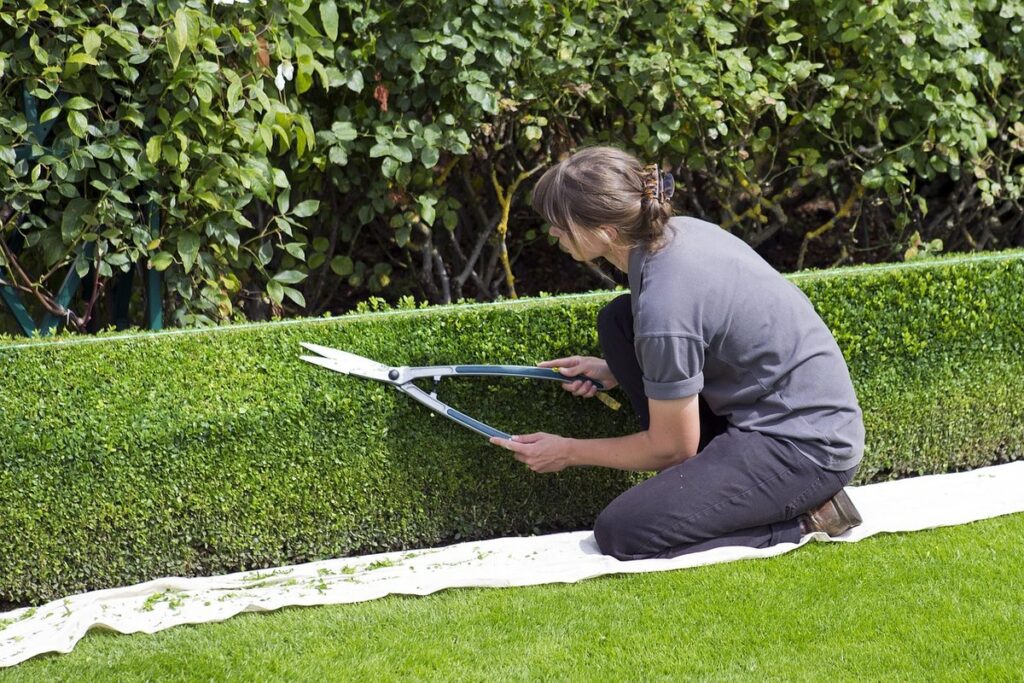
Understanding the Importance of a Hedge Trimming Calendar
To maintain a beautiful and healthy garden, it’s essential to stay on top of hedge trimming throughout the year. This calendar will help you plan and prioritize your pruning tasks for optimal results.
Benefits of Regular Hedge Maintenance
Regular hedge maintenance is not just about keeping your garden looking neat; it has numerous benefits that can impact various aspects of your property. One of the most significant advantages is that regular trimming promotes healthy growth by removing dead and diseased branches, which can hinder the overall health of your plants. This process also helps to maintain the shape and structure of your hedge, ensuring it continues to thrive.
Beyond aesthetics, regular maintenance can increase your property value significantly. A well-manicured hedge can make a great first impression on potential buyers or renters, making it an attractive feature when selling or renting out your home. Additionally, by keeping your hedge trimmed regularly, you reduce the risk of accidents caused by overgrown branches that may obstruct paths or windows.
To reap these benefits, aim to trim your hedge at least twice a year, depending on growth rates and climate conditions. Make sure to schedule regular check-ups to monitor for any signs of disease or pests, taking prompt action if necessary. By prioritizing regular maintenance, you’ll not only enjoy the visual appeal but also ensure your hedge remains healthy, safe, and valuable.
Common Mistakes Homeowners Make with Hedge Trimming
When it comes to maintaining a beautifully manicured garden, hedge trimming is an essential aspect that’s often overlooked. However, neglecting regular maintenance, using improper techniques, or waiting too long between trims can lead to overgrown hedges that are not only unappealing but also pose a risk to the surrounding area.
One common mistake homeowners make is ignoring regular maintenance altogether. This allows the hedge to grow unchecked, leading to an unruly mess that’s difficult to manage. A well-maintained hedge should be trimmed every 4-6 weeks during the growing season, depending on its growth rate and type. Neglecting this can lead to damage to nearby plants, structures, or even power lines.
Using improper techniques is another common error. For example, cutting too much of the foliage at once can cause stress to the plant, leading to disease or pest issues. Instead, it’s essential to maintain a clean cut, using sharp blades and cutting at a 45-degree angle to promote healthy growth.
Waiting too long between trims is also a mistake. This can lead to overgrown hedges that require extensive pruning, which not only wastes time but also causes unnecessary damage to the plant. Regular maintenance ensures your hedge stays healthy, looks great, and doesn’t become a safety hazard.
Choosing the Right Time for Hedge Trimming
When it comes to pruning your hedges, timing is everything – in this section, we’ll help you determine the perfect moment to trim. Understanding seasonal cycles will keep your hedge healthy and looking its best.
Factors Influencing Hedge Growth Patterns
When determining the best time for hedge trimming, several key factors come into play. Climate is one of the most significant influencers on hedge growth patterns. For instance, hedges in regions with high humidity and warm temperatures tend to grow more rapidly than those in areas with cold winters and dry summers. As a result, you may need to trim your hedges more frequently in tropical or subtropical climates.
Soil type is another crucial factor to consider. Hedges growing in well-draining soil tend to thrive and require less frequent pruning, whereas those in waterlogged or heavy clay soils may benefit from more regular trimming. The plant species itself also plays a significant role – evergreen hedges like boxwood or yew typically need more maintenance than deciduous varieties.
In terms of seasonal fluctuations, it’s generally recommended to trim your hedge after the active growth period, which is usually during spring and summer months. This allows for new growth and helps maintain the desired shape and size of your hedge.
Understanding Seasonal Variations in Hedge Maintenance
When it comes to hedge maintenance, understanding seasonal variations is crucial for optimal growth and health. As the seasons change, so do the needs of your hedges. In spring, new growth emerges, and it’s essential to prune carefully to promote healthy development. Remove any dead or damaged branches, but avoid heavy pruning, as this can stress the plant.
Summer months bring warm weather and rapid growth. Regular trimming is necessary to maintain shape and control height. Consider using a hedge trimmer with adjustable blade settings to achieve a uniform cut. For autumn, slow down your maintenance routine, focusing on tidying up loose ends rather than extensive pruning. This allows the hedge to conserve energy for winter.
Winter months are characterized by dormancy, but don’t assume this means no care is needed. Remove any dead or damaged branches, and protect your hedge from harsh weather conditions with a layer of mulch or bark chips. Regularly inspect your hedge for signs of disease or pests, addressing issues promptly to prevent further damage. By adapting your maintenance routine to the changing seasons, you’ll keep your hedges looking their best throughout the year.
Creating a Personalized Hedge Trimming Schedule
To create a personalized hedge trimming schedule, consider your specific garden needs and climate, taking into account factors like growth rates and seasonal changes. This will ensure you’re always ahead of pruning deadlines.
Assessing Your Garden’s Specific Needs
When it comes to creating a personalized hedge trimming schedule, it’s essential to assess your garden’s specific needs. This involves evaluating various factors that impact the health and appearance of your hedges.
First, consider the type of plants you have in your garden. Different species require varying levels of maintenance, so understanding their specific needs is crucial. For example, coniferous trees like cypresses and pines tend to grow more slowly than deciduous trees, which means they may not need to be trimmed as frequently.
Next, think about the size of your hedges. Larger hedges will require more regular trimming to maintain shape and prevent overgrowth, while smaller ones can usually go longer between trims. Additionally, assess the growth rate of your hedges, taking into account factors like climate, soil quality, and sunlight exposure. This will help you determine how often to prune.
Environmental factors also play a significant role in shaping your trimming schedule. Weather conditions such as extreme temperatures or heavy rainfall can impact hedge health, while nearby structures like buildings or power lines may require special considerations when pruning. By considering these elements, you’ll be able to create a tailored schedule that meets the unique needs of your garden.
Setting Realistic Goals and Priorities
When creating your personalized hedge trimming schedule, it’s essential to set realistic goals and priorities. This will ensure that you’re tackling the most critical tasks first and avoiding burnout. Start by assessing your garden’s unique needs, including the type of hedges you have, their growth rate, and any specific maintenance requirements.
Consider setting aside dedicated time each week or month for hedge trimming, depending on the scope of your project. Be realistic about how much can be accomplished in a single session – overestimating your capabilities can lead to frustration and wasted effort. Prioritize tasks based on urgency and importance: tackle critical areas like corners and edges first, followed by more accessible sections.
To prioritize effectively, use the Eisenhower Matrix: categorize tasks as urgent and important (Do First), important but not urgent (Schedule), urgent but not important (Delegate), or not urgent or important (Delete). This framework will help you focus on what really matters, ensuring your hedge trimming schedule is both manageable and effective. By setting achievable goals and prioritizing wisely, you’ll maintain a healthy, well-manicured garden with minimal stress.
Basic Hedge Trimming Techniques
To trim your hedges effectively, you’ll need to learn some fundamental techniques that will make a big difference in their appearance and health. Let’s dive into the basics of hedge trimming.
Essential Tools and Equipment
To tackle hedge trimming tasks efficiently, you’ll need the right tools and equipment. Let’s begin with essential items like pruning shears, loppers, and pole saws. Pruning shears are perfect for delicate work, cutting small branches up to 1 inch thick. Use them to shape and maintain hedges with precision.
Loppers are ideal for thicker branches, typically up to 2-3 inches in diameter. They offer more leverage than pruning shears and are great for cutting larger stems. When using loppers, ensure your feet are shoulder-width apart for balance, and keep your back straight. This will prevent strain on your back muscles.
Pole saws provide the necessary reach for hard-to-access areas without a ladder. With extension lengths of up to 10 feet or more, they allow you to trim high hedges from the ground. Regularly clean and sharpen your pruning tools after each use to maintain their effectiveness. This simple habit will extend the life of your equipment and make hedge trimming tasks much easier in the long run.
Step-by-Step Guide to Pruning Different Types of Hedges
When it comes to pruning different types of hedges, having a basic understanding of their specific needs is essential. Let’s dive into some step-by-step guidelines for common hedge varieties.
For topiary hedges, which are shaped and maintained to create intricate designs, regular pruning is crucial to maintain their shape and encourage new growth. Start by removing any dead or damaged branches, then use a pair of sharp, curved scissors or clippers to trim the hedge into its desired shape. Be sure to work from the bottom up to avoid damaging the top sections.
Coniferous hedges, such as those made up of spruce or fir trees, require a more subtle approach. These hedges can be pruned in the winter months when they’re dormant, but it’s essential to make clean cuts just above a growth node to encourage healthy growth. Remove any dead or diseased branches, then use loppers or pruning saws to trim back overgrown sections.
For flowering hedges, such as those made up of roses or hydrangeas, prune in the late winter or early spring before new growth begins. Remove about one-third of the oldest stems to encourage new blooms and prevent the hedge from becoming leggy. Use loppers or pruning saws for thicker branches, and thinning shears for more delicate stems.
Remember, regular maintenance is key to keeping your hedges looking their best throughout the year. By following these basic guidelines and adapting them to your specific hedge type, you’ll be well on your way to becoming a hedge-trimming pro!
Advanced Hedge Trimming Strategies
Now that you’ve mastered the basics of hedge trimming, it’s time to take your skills to the next level and learn advanced techniques for perfect pruning. We’ll dive into expert methods for optimal results.
Shaping and Renovation Techniques
When it comes to advanced hedge trimming techniques, shaping and renovation are essential skills for creating a stunning garden feature. Mature hedges often require rejuvenation to maintain their health and appearance.
One technique is renovation by reduction, where you cut back the entire hedge to encourage new growth. This can be particularly effective when dealing with overgrown or neglected hedges. To do this safely, work in sections, cutting no more than one-third of the total height at a time. This prevents shock to the plant and encourages even regrowth.
Regular renovation is also essential for maintaining shape. Cutting back long stems (called “canes”) helps maintain a neat silhouette. Identify the strongest canes and trim the weaker ones back by about two-thirds, promoting healthier growth and encouraging more blooms.
Integrating New Growth with Established Hedges
When integrating new growth or additions with existing hedges, it’s essential to ensure a seamless transition and maintain the overall aesthetic appeal. This can be achieved by following a few simple steps.
Firstly, assess the size and shape of the new growth in relation to the established hedge. Consider whether it will overwhelm or complement the existing structure. If the new addition is significantly larger, consider thinning out some of the older stems to create space for the new growth. This will help maintain balance and prevent overcrowding.
Next, examine the color, texture, and density of the new growth compared to the existing hedge. For example, if you’re introducing a new evergreen species with dense foliage, it may be necessary to prune the surrounding established hedge more frequently to maintain visual harmony. Conversely, if you’ve added a flowering shrub, consider pruning its branches after blooming to promote healthy regrowth and prevent seed production.
By carefully considering these factors and making informed decisions about pruning and maintenance, you can create a cohesive look that showcases your garden’s unique character.
Safety Precautions and Best Practices
To ensure a safe and successful pruning experience, please follow these essential guidelines for preventing accidents and maintaining healthy hedges throughout the year. Be mindful of your surroundings at all times.
Protective Gear and Equipment
When engaging in hedge trimming activities, safety should always be your top priority. It’s essential to wear protective gear not only to prevent injuries but also to minimize the risk of accidents. Start with a pair of gloves that provide excellent grip and protection for your hands. Look for ones made from durable materials like leather or synthetic fabrics.
Safety glasses are another crucial item, as they shield your eyes from flying debris and branches. Make sure they have protective lenses that can withstand impact. Don’t underestimate the importance of dust masks – they help prevent inhalation of pollen, mold, and other allergens that may be present in the air while trimming.
When choosing your gear, consider the specific tasks you’ll be performing. For example, if you’re working with thorny plants or using power equipment, opt for heavier-duty gloves and safety glasses. Always check the condition of your gear before each use and replace it as needed to ensure optimal protection.
Hazard Identification and Risk Management
When it comes to pruning and maintaining your garden, safety should always be your top priority. This is especially true when dealing with potential hazards such as power lines, slopes, or uneven terrain.
Before starting your hedge trimming project, take the time to assess the risk levels of your yard. Look for any obstacles that could pose a threat to you while working. Are there any low-hanging branches or overhanging trees near power lines? Are there any steep slopes or drop-offs where you may lose balance?
To ensure a safe working environment, always follow these guidelines:
* Clear the area around your work zone of any debris or obstacles.
* Mark power lines and other hazards with flags or cones to prevent accidents.
* Wear proper gear such as gloves, safety glasses, and sturdy shoes to protect yourself from injuries.
By taking these simple precautions, you can minimize risks and maintain a safe working environment for yourself while pruning and maintaining your garden.
Conclusion: Putting Your Hedge Trimming Calendar into Action
Now that you’ve created your hedge trimming calendar, it’s time to put it into action and start enjoying a perfectly manicured garden all year round. Let’s review what to do next!
Implementing Long-Term Strategies for Success
As you’ve made it through this comprehensive guide on creating a hedge trimming calendar, it’s time to focus on implementing long-term strategies for success. Remember, regular maintenance is key to achieving the desired shape and health of your garden hedges.
Incorporating regular pruning into your routine will not only save you money in the long run but also contribute significantly to the overall aesthetic appeal of your outdoor space. To make this a habit, consider scheduling hedge trimming sessions every 6-8 weeks during peak growing seasons. You can also mark important dates on your calendar for tasks like spring and autumn pruning.
Don’t forget to plan for seasonal adjustments as well. For instance, you may need to adjust the frequency of hedge trimming during periods with intense weather conditions or after significant growth spurts. By being mindful of these factors and incorporating regular maintenance into your garden management plans, you’ll be well on your way to enjoying a lush, thriving landscape that requires minimal effort in the long run.
Encouraging Continuous Improvement and Learning
As you start implementing your hedge trimming calendar, it’s essential to remember that pruning and maintenance are ongoing processes. Don’t be satisfied with just creating a schedule and sticking to it – continually evaluate and adapt to changing conditions.
Monitor the growth patterns of your hedges and adjust your pruning frequency accordingly. For example, if a certain area is prone to disease or pests, you may need to increase the trimming frequency for that section only. Stay informed about new best practices in hedge maintenance by attending workshops, seminars, or online courses. Follow reputable gardening blogs and social media platforms to stay up-to-date on the latest techniques.
Make time each year to review your hedge trimming calendar and make adjustments as needed. Consider factors such as seasonal changes, weather patterns, and soil conditions when making these decisions. By staying proactive and committed to ongoing learning, you’ll be able to refine your pruning schedule and achieve optimal results for your garden’s health and appearance.
Frequently Asked Questions
What if I don’t know the type of hedge I have?
If you’re unsure about the type of hedge you have, start by observing its growth patterns, leaf shape, and color. Research common types of hedges in your region or consult with a local nursery for guidance. This will help you choose the right pruning techniques and tools.
Can I trim my hedges during extreme weather conditions?
Yes, it’s generally recommended to avoid trimming hedges during strong winds, heavy rain, or intense sunlight. These conditions can make it difficult to work safely and may cause damage to your plants. Wait for a calm, overcast day when the soil is moist.
How often should I check my hedge trimming schedule?
Regularly review your hedge trimming calendar at least once a month to ensure you’re on track with your planned pruning tasks. Make adjustments as needed to accommodate seasonal variations or changes in plant growth patterns.
What if I miss a scheduled trim, what’s the impact?
Missing a scheduled trim can lead to overgrown hedges that become hazardous and detract from your garden’s appearance. If this happens, prioritize trimming the affected areas as soon as possible. Be mindful of any potential damage caused by prolonged neglect.
How do I store my hedge trimming tools and equipment?
Proper storage is essential for maintaining your hedge trimming tools and equipment. Keep them in a dry, secure location away from direct sunlight and children’s reach. Clean and sharpen blades regularly to ensure optimal performance.