
As a homeowner with beautiful hedges, you want them to look their best all year round. But when is the right time to trim your hedges? A well-maintained hedge not only adds curb appeal to your property but also helps keep your garden healthy and pest-free. To achieve this, it’s essential to follow a regular trimming schedule. In this article, we’ll provide you with a comprehensive hedge trimming calendar that covers spring, summer, autumn, and winter months. This calendar will guide you on when to trim your hedges, how often to do so, and what type of maintenance is required for each season. By following our calendar, you can keep your hedges looking their best while also ensuring they remain healthy and well-maintained throughout the year.
Understanding Your Hedge’s Growth Cycle
As you plan your hedge trimming schedule, it’s essential to understand how different species grow and respond to pruning at various times of the year. This affects when they need maintenance and trimming for optimal health.
Factors Influencing Hedge Growth
The growth of your hedge is influenced by several factors that you should be aware of to ensure it thrives. Climate plays a significant role in determining the rate at which your hedge grows. For example, if you live in a region with mild winters and cool summers, your hedge will likely grow faster than one in an area with extreme temperatures.
Soil type is another essential factor that affects hedge growth. Different plants prefer different soil types, so it’s crucial to choose a hedge species that thrives in the soil conditions present in your garden. For instance, if you have acidic soil, you’ll want to plant hedges like rhododendrons or azaleas that tolerate acidity.
The plant species itself also influences growth patterns. Some plants, such as boxwood and privet, are fast-growing and require regular maintenance, while others, like yew and laurel, are slower-growing and more forgiving. Understanding these factors will help you create a hedge trimming schedule tailored to your specific climate, soil type, and plant species, ensuring your hedge looks its best throughout the year.
Identifying the Right Time for Trimming Based on Growth Cycles
Understanding your hedge’s growth cycle is crucial for determining the right time to trim. By observing and identifying the different stages of growth, you can optimize your trimming schedule to promote healthy growth, prevent damage, and maintain a visually appealing shape.
In general, most hedges experience two main growth cycles: the vegetative phase and the reproductive phase. During the vegetative phase, the hedge grows rapidly, producing new leaves and shoots. This is usually the best time for pruning, as you can remove excess growth to maintain shape and promote air circulation. In contrast, during the reproductive phase, the hedge focuses on producing flowers or seeds, making it more susceptible to damage from excessive trimming.
Keep in mind that different types of hedges have varying growth cycles. For example, evergreen hedges like boxwood tend to grow year-round, while deciduous hedges like oak may only produce new growth during spring and summer. By monitoring your hedge’s specific growth patterns, you can adjust your trimming schedule accordingly, ensuring a balanced and thriving plant.
Spring Trimming (March to May)
Now that we’ve covered the basics of hedge trimming, let’s dive into the specific needs of your hedges during the spring months. This is when most deciduous and evergreen hedges require a thorough trim.
Why Spring is an Ideal Time for Hedge Trimming
When it comes to maintaining your hedges, spring is undoubtedly an ideal time for trimming. Not only does it provide a refreshing new look for your garden, but it also offers several benefits over the other seasons.
One of the primary advantages of trimming in the spring is the reduced risk of pest and disease spread. During this season, the cooler temperatures and gentle rainfall help to slow down the growth of pests and diseases that can thrive in warmer conditions. By pruning your hedges before new growth begins, you minimize the chances of these unwanted visitors taking hold.
This season also allows for easier identification and removal of dead or damaged branches, which are often a haven for pests and diseases. As new growth emerges after trimming, it’s simpler to spot any potential issues and address them promptly.
By timing your trim with the spring season, you’ll be rewarded with healthier, more resilient hedges that require less maintenance throughout the year.
Tools and Techniques for Spring Trimming
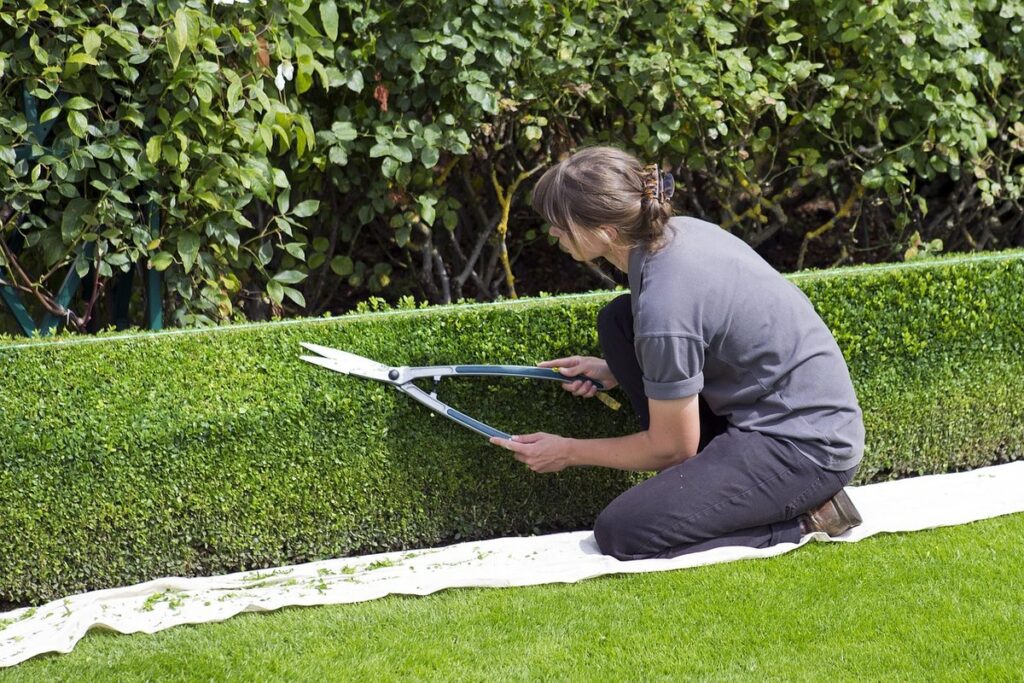
When it comes to spring trimming, having the right tools and techniques is crucial for effective pruning. You’ll want to start with a sturdy pair of hedge shears, preferably with long handles to reduce strain on your back and shoulders. Additionally, a good quality hedge trimmer can make quick work of thicker branches, but be sure to follow safety guidelines when using power equipment.
To get the best results from your trimming efforts, it’s essential to understand how different techniques affect various types of hedges. For example, topiary hedges require more precision and regular maintenance than informal or flowering hedges. You’ll want to familiarize yourself with the specific needs of your hedge type before embarking on a spring trim.
As you begin trimming, consider working from the bottom up to maintain even growth and prevent straggly tops. Also, remember to make clean cuts just above a leaf node to promote healthy regrowth. Practice makes perfect, so take your time and be patient – with the right tools and techniques, you’ll be well on your way to achieving a beautiful, thriving hedge all season long.
Summer Trimming (June to August)
During the summer months, your hedge will continue to grow and require regular maintenance to keep it looking its best. Trim every 4-6 weeks from June to August for optimal results.
Managing Summer Growth with Regular Maintenance
When summer growth kicks into high gear, it can be overwhelming to keep up with regular maintenance. However, neglecting pruning and trimming tasks during this period can lead to an out-of-control hedge situation by the end of August. To prevent this, you must stay on top of your trimming schedule.
One key aspect of managing summer growth is understanding that hedges grow faster in warmer weather due to longer daylight hours and increased water absorption. On average, a well-maintained hedge can gain up to 6-8 inches per month during the peak growing season. To combat this rapid growth, it’s essential to trim your hedge every 4-6 weeks.
Here are some practical tips for maintaining your hedge during the summer months:
• Regularly inspect your hedge for overgrown areas and address them promptly.
• Keep an eye out for signs of disease or pests and treat them immediately.
• Maintain a consistent trimming schedule to prevent overgrowth and encourage healthy growth patterns.
By implementing these maintenance strategies, you’ll be able to keep your hedge looking its best throughout the summer months and set it up for success in the upcoming seasons.
How to Trim Overgrown Hedges During the Summer Months
When dealing with overgrown hedges during the summer months, it’s essential to trim them properly to maintain their shape and promote healthy growth. Start by gathering the necessary tools: pruning shears, loppers, a hedge trimmer, and gloves for protection.
Begin by inspecting the hedge for any signs of disease or pests. Remove any dead or diseased branches as you work your way through the hedge. Next, use your hedge trimmer to cut back overgrown sections, working from the top down to maintain an even shape. Be careful not to cut too much at once, as this can cause stress to the plant.
For more detailed work, use pruning shears or loppers to remove individual branches and shape the hedge to your desired form. Regularly check your work as you go, making adjustments as needed. If you’re unsure about how much to trim, consider consulting a gardening professional for guidance. By following these steps, you can effectively trim overgrown hedges during the summer months and maintain their beauty throughout the year.
Autumn Trimming (September to November)
As we transition into autumn, it’s essential to trim your hedge to maintain its shape and promote healthy growth during the cooler months ahead. Learn how to prune perfectly from September to November.
Preparing Your Hedge for Winter with Fall Trimming
Preparing your hedge for winter with fall trimming is crucial, as it helps maintain its shape and promotes healthy growth. By trimming your hedge during the fall season, typically from September to November, you can prevent damage caused by harsh winter weather.
During this time, trees and plants are preparing for dormancy, making them more responsive to pruning. Fall trimming allows you to assess your hedge’s overall health and address any issues before the cold sets in. This is especially important if you live in areas with extreme winters or have hedges that are prone to disease.
When trimming your hedge in the fall, focus on removing dead, diseased, or damaged branches. Cut back overgrown sections and maintain a balanced shape. Regular maintenance like this will help prevent pest and disease issues, ensuring your hedge stays healthy and robust throughout the winter months. By incorporating fall trimming into your regular schedule, you’ll be well-prepared for whatever winter brings.
Best Practices for Trimming in Cooler Weather
When trimming hedges during cooler weather, it’s essential to be mindful of the tools and equipment you’re using. Cold temperatures can cause metal blades to become brittle and prone to cracking, so make sure to check your trimmers and pruning saws regularly for any signs of damage.
To prevent this, store your tools in a dry place during the winter months or apply a rust-inhibiting coating before putting them away. When trimming, use a gentle touch to avoid applying too much pressure on the blades, which can cause them to snap or break.
Additionally, be aware that cool weather can make the wood of the hedge stems become more brittle and prone to cracking. To minimize damage, trim in small sections, working from the bottom up, and use a sharp blade to make clean cuts. This will help reduce the risk of split ends and promote healthy growth for next year’s trimming season.
Remember to wear warm gloves to maintain grip on your tools, even when using ergonomic handles.
Winter Trimming (December to February)
During these colder months, it’s essential to maintain your hedge’s shape and health by trimming back any damaged or overgrown branches that may have resulted from winter weather conditions. Regular maintenance is crucial now.
Special Considerations for Trimming in Cold Weather
When trimming hedges during the cold winter months, there are several special considerations to keep in mind. Firstly, the cold temperatures and potential frost can make the trimmings more prone to drying out, which can lead to a higher risk of disease or pests.
To minimize this risk, it’s essential to avoid cutting back too much of the hedge at once. This can put additional stress on the plant, making it even more vulnerable to damage. Instead, try to remove only what is necessary to maintain the desired shape and size, leaving enough foliage to protect the stems from harsh weather conditions.
In addition, be sure to use clean and sharp pruning tools to prevent the spread of disease. Regularly disinfect your shears with a solution of one part bleach to nine parts water between cuts to prevent any potential contamination.
It’s also crucial to choose the right time for trimming, avoiding periods when frost is likely or temperatures are consistently below 32°F (0°C). If possible, schedule trimmings during milder winter days to reduce stress on the plant. By taking these precautions, you can help your hedges stay healthy and thrive throughout the cold winter months.
Tips for Trimming Frozen or Damaged Hedges
Trimming frozen or damaged hedges requires special care to prevent further damage. When dealing with frost-damaged branches, remove only the affected areas, taking care not to cut too much wood at once. Cut just above a growth node, where new growth emerges from the stem.
For severely damaged hedges, consider removing sections of dead or damaged foliage to maintain appearance and promote healthy regrowth. This can be done as part of your regular maintenance schedule in spring.
If you’re working with frozen or brittle branches, avoid using sharp tools that may cause more damage. Instead, use a pruning saw or loppers for more control over the cut. When cutting through frozen material, make a small incision first to break the ice, then proceed carefully to minimize shock to the plant.
Timing is crucial when trimming frozen hedges; wait until new growth appears before making significant cuts to prevent further stress on the plant. Remember to monitor your plants regularly for signs of damage and adjust your trimming schedule accordingly.
Troubleshooting Common Hedge Issues
We all encounter problems with our hedges, whether it’s uneven growth, pest infestations, or damage from harsh weather. This section will help you identify and resolve common hedge issues quickly and effectively.
Identifying and Addressing Pest and Disease Problems
As you maintain your hedge, it’s essential to keep an eye out for common pests and diseases that can damage its health. Identifying these issues early on is crucial to preventing further damage and ensuring the longevity of your hedge.
Common pests like aphids, scale insects, and spider mites can cause significant harm if left unchecked. These tiny creatures feed on sap, weakening the plant’s defenses and potentially leading to disease. Look for signs such as distorted leaves, white powdery patches, or fine webbing on stems. If you notice any of these symptoms, treat your hedge with insecticidal soap or neem oil.
Fungal diseases like root rot and leaf spot are also prevalent in hedges. These conditions thrive in moist environments, so ensure good air circulation and reduce watering to prevent overhydration. Regularly inspect your hedge for signs of fungal growth, such as black spots or powdery mildew. If you’re unsure about the severity of the issue, consult with a gardening expert for guidance.
Keep in mind that prevention is key when it comes to pests and diseases. Regular pruning, proper watering, and fertilization can go a long way in maintaining your hedge’s overall health.
Repairing and Replanting Damaged Sections of Your Hedge
If you notice that a section of your hedge has been damaged due to harsh weather conditions, animal infestation, or disease, it’s essential to take immediate action to prevent the issue from spreading. Repairing and replanting damaged sections is crucial to maintaining the overall health and appearance of your hedge.
To repair damaged sections, start by removing any dead or diseased branches using sharp pruning shears or loppers. Cut just above a growth node to encourage new growth. For more extensive damage, consider thinning out overgrown areas to promote air circulation and prevent further decay. Apply a fungicide to affected areas to combat fungal infections.
When replanting, choose new plants that are similar in size and type to the existing hedge. Dig a hole slightly larger than the root ball, and gently spread the roots before planting. Water thoroughly and mulch around the base to retain moisture. Keep the newly planted area consistently watered during its first growing season, and monitor for signs of disease or pests.
By taking prompt action and following these steps, you can repair damaged sections of your hedge and prevent further damage.
Equipment and Safety Considerations for Hedge Trimming
When it comes to hedge trimming, having the right equipment is essential, and ensuring your safety while pruning is crucial too. We’ll cover both aspects in this section.
Choosing the Right Tools for Your Hedge Size and Type
When it comes to hedge trimming, having the right tools can make all the difference. But with so many options available, it’s easy to get overwhelmed and end up with a collection of tools that don’t quite fit the bill.
To choose the right tools for your specific hedge size and type, consider the following:
For small to medium-sized hedges (less than 6 feet tall), you’ll likely need basic trimmers such as handheld shears or electric hedge clippers. For larger hedges, a gas-powered hedge trimmer will provide more power and efficiency.
The type of hedge also plays a role in tool selection. For example, if you have a dense shrub with thick branches, you may want to invest in pruning shears specifically designed for heavy-duty cutting.
In addition to the actual trimming tools, don’t forget about safety equipment like gloves, safety glasses, and a dust mask. These may seem like minor details, but they can make all the difference in preventing injuries and ensuring a smooth trimming process.
Ultimately, investing in high-quality tools that fit your specific needs will save you time, effort, and frustration in the long run.
Safety Precautions to Take When Using Hedge Trimmers
When using hedge trimmers, safety should always be your top priority. It’s easy to get caught up in the task at hand and overlook potential hazards, but a few simple precautions can make all the difference.
First and foremost, ensure you’re wearing the right protective gear. This includes long sleeves, gloves, safety glasses, and sturdy boots that won’t slip on uneven terrain. You should also tie back any loose clothing that might get caught in the trimmers’ blades.
It’s equally important to maintain your hedge trimmers regularly. Regularly check for damage or wear and tear, and replace worn-out parts promptly. A dull blade can be more hazardous than a sharp one, as it may cause more vibration and loss of control.
When trimming hedges, always keep the blades at least 6 inches away from your body. Never trim overhead branches without proper support, and avoid using hedge trimmers in wet or slippery conditions. By following these simple safety guidelines, you’ll be well on your way to a safe and successful hedge trimming experience.
Frequently Asked Questions
What happens if I miss a trimming session, and my hedge becomes overgrown?
Missing a trimming session can lead to significant overgrowth, making it more challenging to maintain your hedge’s shape and health. Start by assessing the extent of overgrowth and prioritize trimming areas that are most visible or prone to pest issues. Regular maintenance is key; aim to trim your hedge every 4-6 weeks during peak growth periods.
Can I still trim my hedge in extreme weather conditions, like heavy rain or intense heat?
Yes, it’s essential to proceed with caution when trimming in extreme weather. Heavy rain can make the ground slippery, increasing the risk of accidents, while intense heat can cause dehydration and fatigue. If possible, reschedule trimming for milder weather. When unavoidable, ensure you’re wearing protective gear and take regular breaks to stay hydrated.
How do I determine the ideal trimming frequency for my specific hedge species?
The ideal trimming frequency depends on your hedge’s growth rate, which is influenced by factors like climate, soil type, and sunlight exposure. Research your hedge species’ specific needs or consult with a local nursery expert to determine the optimal trimming schedule for your area.
What are some common mistakes people make when trimming their hedges, and how can I avoid them?
Common mistakes include trimming too much at once, which can stress the plant; not using sharp tools, leading to torn leaves and damaged bark; and neglecting regular maintenance, resulting in overgrowth. To avoid these errors, use sharp, clean tools, trim gradually, and establish a consistent trimming schedule based on your hedge’s growth cycle.
Can I prune my hedge during its dormant season, or will this harm the plant?
No, pruning during dormancy can be detrimental to your hedge’s health. Dormant plants are more susceptible to disease and stress, making them more vulnerable to damage from pruning. Wait until your hedge is actively growing before trimming or pruning, ensuring a healthy recovery period.