
As a gardener, you know how challenging it can be to choose tree species that won’t damage your garden or surrounding structures. Non-invasive tree roots are a game-changer for gardeners looking to create a balanced ecosystem without worrying about pipe bursts or expensive repairs. These trees have evolved to thrive in tight spaces, making them perfect for small gardens, urban areas, and homes with existing infrastructure.
In this article, we’ll explore popular tree species that are known for their non-invasive roots, including deciduous and evergreen options. From compact fruit trees to shade-providing oaks, we’ll cover the best choices for gardeners who want a beautiful, low-maintenance landscape without the risks associated with invasive root systems.
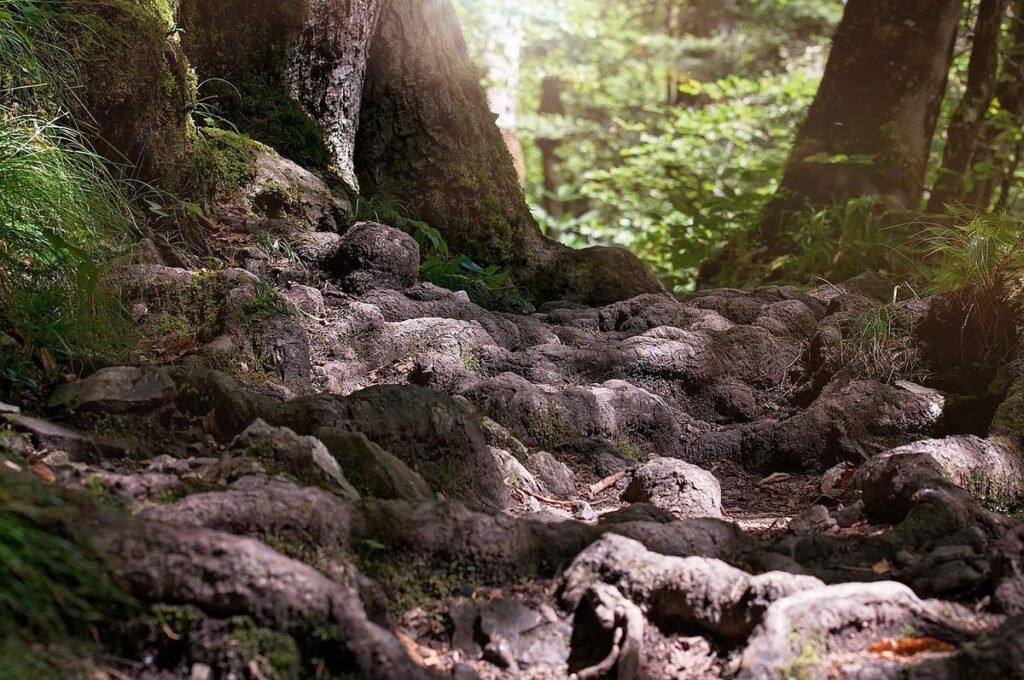
Understanding Non-Invasive Tree Roots
When it comes to trees with non-invasive roots, understanding their behavior is crucial for gardeners who want to avoid costly repairs and property damage. Let’s dive into how these roots grow and interact with surrounding structures.
What are Non-Invasive Tree Roots?
Non-invasive tree roots are a vital consideration when selecting trees for garden settings. These trees have root systems that can thrive without damaging surrounding structures, pipes, and foundations. Unlike invasive tree roots, which can cause significant harm to infrastructure, non-invasive roots grow in a controlled manner, minimizing potential damage.
The importance of non-invasive tree roots lies in their ability to prevent costly repairs and replacements. For instance, a single invasive tree root can compromise the integrity of a foundation or septic system, leading to expensive fixes. Non-invasive trees, on the other hand, provide a safe and worry-free solution for gardeners.
To identify non-invasive tree species, look for trees with shallow root systems or those that naturally occur in areas with limited soil depth. Some examples include the Japanese Maple, Redbud, and Dogwood. These trees are well-suited for small gardens and can thrive without causing damage to surrounding structures. By choosing trees with non-invasive roots, gardeners can enjoy beautiful landscaping while protecting their investments.
Benefits of Non-Invasive Tree Roots in Gardens
When you choose to plant trees with non-invasive roots in your garden, you’re not only creating a beautiful and serene environment but also reaping numerous benefits that can enhance the value of your property. One significant advantage is reduced maintenance costs. Unlike invasive tree species that require frequent pruning or removal due to their aggressive root systems, non-invasive trees are relatively low-maintenance.
They don’t disrupt nearby pipes, foundations, or other underground structures, saving you from costly repairs and potential damage to your home. Additionally, these trees contribute to improved property value by adding aesthetic appeal and creating a sense of tranquility in your outdoor space.
Moreover, trees with non-invasive roots can significantly improve safety around your garden. Their gentle root systems reduce the risk of damaging nearby water pipes or other underground infrastructure, which can lead to costly leaks or even flooding issues. This peace of mind is invaluable, allowing you to enjoy your garden without worrying about potential hazards. By incorporating non-invasive trees into your landscaping, you’re making a smart decision for both your property’s value and safety.
Selecting the Right Non-Invasive Trees for Your Garden
When selecting non-invasive trees for your garden, it’s essential to consider factors beyond just their beauty and shade-providing abilities. Let’s take a closer look at what to keep in mind when making this important decision.
Factors to Consider When Choosing a Non-Invasive Tree
When choosing a non-invasive tree species, it’s essential to consider several key factors that will ensure it thrives in your garden without causing harm. Climate is the first factor to take into account. Some trees are better suited for specific climate zones and can tolerate extreme temperatures or weather conditions. For instance, if you live in an area with hot summers, a tree like the Crape Myrtle (Lagerstroemia indica) would be an excellent choice due to its drought tolerance.
The type of soil your garden has is also crucial when selecting a non-invasive tree species. Some trees prefer well-drained soils and can become waterlogged if planted in areas with heavy clay or sand. For example, the Redbud (Cercis canadensis) prefers moist, fertile soils but can tolerate some drought.
Finally, consider the mature size of the tree when selecting a non-invasive species. Planting a small tree that will eventually grow too large for your garden can lead to problems like root invasion or branch damage. Choose trees with compact growth habits like the Katsura Tree (Cercidiphyllum japonicum) to avoid these issues.
When evaluating non-invasive tree species, it’s also essential to research their specific needs and preferences. This will help you create an environment where your tree can thrive without causing harm to your garden or neighboring properties.
Popular Non-Invasive Tree Species for Gardens
When it comes to choosing non-invasive tree species for your garden, you’ll want to consider popular options that are known for their shallow and wide-spreading root systems. One such option is the oak tree (Quercus spp.). With over 600 species to choose from, oaks are a great choice for gardens, as they tend to have a relatively small root zone. This makes them an excellent option for smaller spaces or areas with existing underground infrastructure.
Maple trees (Acer spp.) are another popular non-invasive tree species that thrive in many climates. They have a deep taproot but a relatively shallow root system, making them suitable for gardens. In fact, the sugar maple is one of the most common non-invasive tree species found in North American gardens. Another option to consider is the elm tree (Ulmus spp.), which has a non-aggressive root system and can tolerate a range of soils.
These trees are just a few examples of popular non-invasive tree species that you may want to consider for your garden. By choosing a tree with a shallow or wide-spreading root system, you’ll be able to enjoy the benefits of having trees in your yard without worrying about damage to nearby structures or infrastructure.
Tips for Planting and Caring for Non-Invasive Trees
When planting non-invasive trees, it’s essential to follow specific guidelines to ensure their roots don’t cause harm to surrounding structures. This section provides tips on proper planting and care techniques for these beneficial trees.
Pre-Planting Considerations
Before planting a non-invasive tree, it’s essential to prepare the soil and site properly. This will ensure optimal growth conditions for the tree and minimize the risk of damage to surrounding structures. Start by choosing a location with well-draining soil that is suitable for the tree’s root depth. Non-invasive trees like red maple or paperbark maple prefer moist but not waterlogged soils.
Test your soil pH level to determine if it needs adjustment. Most non-invasive trees thrive in slightly acidic to neutral soil pH (5.5-7). If your soil is too alkaline, add organic matter like compost to lower the pH. Next, evaluate the site’s sunlight and wind exposure. Non-invasive trees generally prefer full sun to partial shade.
Consider installing a root barrier to protect nearby structures from potential root growth. This is especially crucial if you’re planting near pipes, foundations, or other underground infrastructure. For example, if you’re planting a river birch near a septic system, install a root barrier at least 12 inches deep and 2 feet wide.
Finally, ensure the site has adequate space for the tree’s mature size. Non-invasive trees can still grow into large specimens, so leave enough room for them to spread out without crowding nearby plants or structures.
Post-Planting Care and Maintenance
Proper watering is crucial for non-invasive trees, especially during their first year after planting. Water them regularly, but avoid overwatering, which can lead to root rot and other problems. A general rule of thumb is to provide about 1 inch of water per week through rainfall or irrigation. Mulching around the base helps retain moisture, suppress weeds, and regulate soil temperature.
Pruning non-invasive trees is essential for maintaining their health and shape. Prune them annually, removing any dead, diseased, or damaged branches. This not only improves their appearance but also prevents the spread of diseases. Timing is crucial; prune during the dormant season to minimize stress on the tree.
Monitoring your non-invasive tree’s health involves regular checks for signs of pests, diseases, and nutrient deficiencies. Look out for unusual growth patterns, discoloration, or pest infestations. Keep the area around the tree free from debris and weeds, which can harbor pests and diseases. Regularly inspect the trunk for cracks, splits, or other damage that could compromise its integrity. By following these simple steps, you’ll be able to keep your non-invasive trees thriving and healthy.
Common Misconceptions about Non-Invasive Tree Roots
When it comes to non-invasive tree roots, there’s often confusion about which trees are truly safe for your garden. Let’s tackle some common misconceptions head-on.
Debunking Myths About Non-Invasive Trees
One of the most common misconceptions about non-invasive tree roots is that they require more maintenance. This couldn’t be further from the truth. Non-invasive trees are designed to thrive in a variety of environments without causing harm to surrounding structures or ecosystems.
Another myth is that non-invasive trees are less aesthetically pleasing than their invasive counterparts. However, this simply isn’t true. Many popular garden trees have been bred specifically for their attractive foliage and flowers, while minimizing the risk of root damage. For example, the ‘Redbud’ tree (Cercis canadensis) is a stunning option for gardens with non-invasive roots.
In reality, non-invasive trees are often easier to care for than invasive ones. They tend to have smaller root systems, which means less pruning and maintenance over time. With proper selection and planting, non-invasive trees can be a low-maintenance addition to your garden, providing beauty and shade without the risk of damaging your home or neighborhood.
In fact, many non-invasive tree varieties are specifically designed for use in urban gardens, where space is limited and root damage is a concern. These trees have been carefully selected for their ability to thrive in compact environments while minimizing their impact on surrounding structures.
The Role of Tree Root Systems in Soil Health
Tree root systems play a vital role in maintaining soil health and fertility. Contrary to popular misconceptions, non-invasive tree roots are not detrimental to garden ecosystems; instead, they work in tandem with microorganisms and other organisms to create a balanced environment.
As tree roots break down organic matter, they release nutrients that enrich the surrounding soil. This process also creates pathways for water and air to penetrate, allowing beneficial microbes to thrive. The complex network of fine root hairs and mycorrhizal associations within non-invasive tree roots facilitate nutrient uptake from the soil, supporting plant growth.
In reality, a healthy tree root system can improve soil structure by increasing its porosity and water-holding capacity. This enhances the overall fertility of the garden ecosystem, making it less reliant on external fertilizers or amendments. By selecting trees with well-behaved root systems, gardeners can reap these benefits while minimizing potential damage to surrounding plants and infrastructure.
Integrating Non-Invasive Trees into Your Landscape Design
When incorporating non-invasive trees into your garden, consider the space where their roots can grow freely without causing damage to nearby structures. This will help you choose the perfect spot for a thriving tree.
Incorporating Non-Invasive Trees into Garden Layouts
When incorporating non-invasive trees into an existing garden design, it’s essential to consider their selection, placement, and pruning. Start by choosing a tree that is specifically bred for its non-invasive roots, such as the ‘Redbud’ or ‘Crape Myrtle’. These varieties are less likely to cause damage to nearby plants and infrastructure.
When placing the new tree, think about the mature size of the tree and how it will interact with other garden features. Plant the tree in a location where its root system can grow freely without encroaching on nearby gardens or water pipes. Consider planting companion trees that have similar growing habits and space requirements to create a cohesive look.
Regular pruning is also crucial to maintaining the health and appearance of your non-invasive trees. Prune the tree regularly to maintain its desired shape, promote healthy growth, and remove any dead or diseased branches. This will help keep the roots from becoming overgrown and causing damage to surrounding areas. By following these simple tips, you can successfully integrate non-invasive trees into your garden design while minimizing potential issues.
Creating a Balanced Ecosystem with Non-Invasive Trees
When planting non-invasive trees in your garden, it’s essential to create a balanced ecosystem that considers companion plants and wildlife habitats. This means thinking about the types of plants that will thrive alongside your new tree and how they’ll interact with each other.
To start, consider the mature size of your tree and choose companion plants that are compatible with its root system. For example, if you’re planting a non-invasive oak tree, pair it with native wildflowers or grasses that can tolerate shade and competition for resources. Avoid placing water-loving plants near the base of the tree, as this can create an environment conducive to root growth.
Think about wildlife habitats too – consider what types of animals will benefit from the tree’s presence, such as birds nesting in its branches or insects pollinating its flowers. By creating a balanced ecosystem, you’ll not only ensure the long-term health of your tree but also attract beneficial wildlife and create a thriving garden environment. Research local native plants and incorporate them into your design to support biodiversity and minimize maintenance.
Frequently Asked Questions
Can I plant a non-invasive tree in a small garden with existing underground infrastructure?
Yes, you can still enjoy the benefits of non-invasive trees even in confined spaces like small gardens. Before planting, assess your soil and surrounding structures to ensure the selected species will thrive without causing damage.
How do I determine if a specific tree species is truly non-invasive?
Research reputable sources, consult with local arborists or gardening experts, and inspect the root growth patterns of the tree you’re interested in. Some trees may have invasive tendencies even within their own species, so it’s crucial to verify this information before planting.
What are some common mistakes gardeners make when introducing non-invasive trees into their landscapes?
Some common pitfalls include not considering soil type or pH levels, underestimating root growth potential, and neglecting regular maintenance. By understanding these risks, you can take proactive steps to ensure the health and stability of both your trees and surrounding infrastructure.
Can I combine multiple non-invasive tree species in a single garden bed?
Yes, with careful planning and selection, it’s possible to create diverse and thriving landscapes using multiple non-invasive tree species. Consider factors like mature size, growth habits, and root depth when choosing companion plants to minimize potential conflicts.
How often should I water newly planted non-invasive trees during their first year of growth?
Newly planted trees require consistent moisture, especially in their initial stages of development. Aim for about 1 inch of water per week through either rainfall or irrigation, adjusting as necessary based on climate and soil conditions.