
As we settle into the chilly months of winter, our gardens can often seem barren and lifeless. But did you know that with the right selection of plants, your garden can still bring joy and interest to your outdoor space? Winter interest plants are a game-changer for gardeners who want to create a beautiful and thriving garden year-round. These plants come in many forms, from evergreen shrubs that provide structure and texture, to winter-blooming perennials that add vibrant color, to ornamental grasses with attractive foliage or structural support. In this article, we’ll explore how to choose the perfect winter interest plants for your climate and create a stunning winter garden that will keep your outdoor space looking great even in the coldest months.
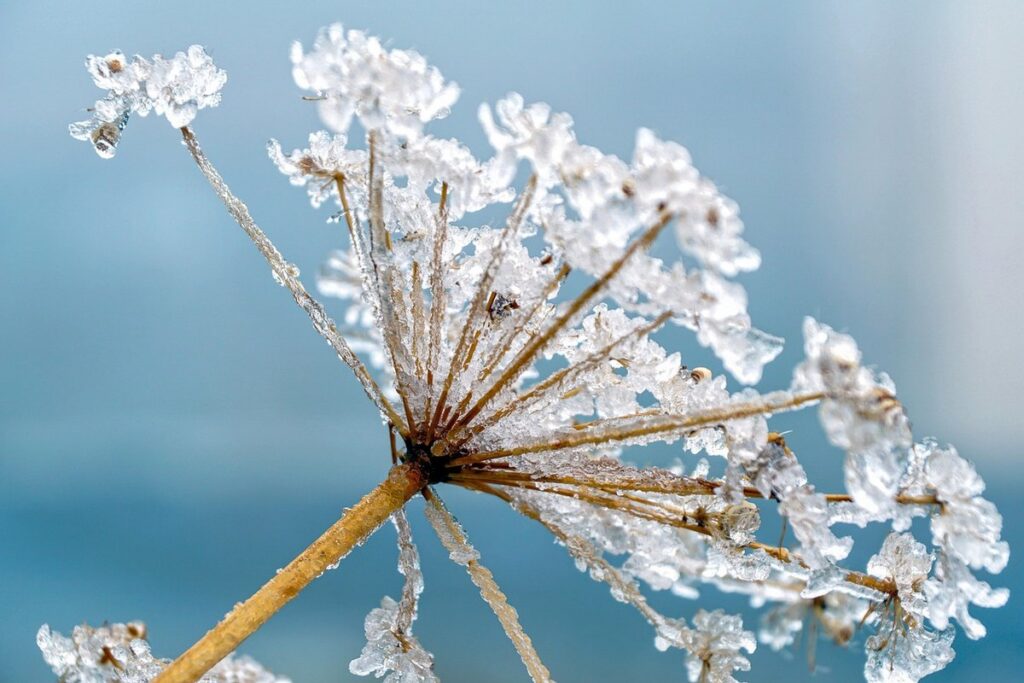
Choosing the Right Winter Interests
When selecting winter interest plants, it’s essential to consider your garden’s climate, space constraints, and personal preferences. This will help you choose the perfect specimens for a stunning winter display.
Understanding Garden Purpose
When it comes to creating a beautiful and engaging winter garden, understanding its purpose is essential. This involves determining what type of winter interest you want to achieve in your specific garden setting.
Start by considering the structural elements that will provide interest during the winter months. Do you want a statement piece like a large evergreen tree or shrub? Or perhaps a series of smaller ornamental grasses that add movement and texture to the landscape? Think about how these plants will be used as frames for other garden features, such as hedges or walls.
Next, consider seasonal color. What types of winter blooms are you looking to incorporate into your design? This could include snowdrops (Galanthus), winter aconite (Eranthis), or even evergreen perennials like holly and conifers. These plants will add pops of color to the garden when most other flowers have gone dormant.
Finally, don’t forget about wildlife support. Consider incorporating plants that provide berries for birds, seeds for finches, or shelter from harsh winds. This can be achieved with shrubs like pyracantha (Pyracantha coccinea) or winter-flowering heather (Erica carnea). By understanding your garden’s purpose and needs, you can create a beautiful and functional space that provides interest and enjoyment throughout the winter months.
Identifying Plant Zones
When choosing winter interest plants for your garden, it’s essential to consider the plant hardiness zones in your area. This is crucial because different regions have varying temperature and climate conditions that can affect a plant’s survival and performance. Plant hardiness zones are divided into 11 categories, each representing a specific range of average annual extreme minimum temperatures.
To identify your local plant hardiness zone, you can visit the USDA Plant Hardiness Zone Map or consult with your local nursery or extension office. Once you know your zone, look for plants that are rated for your area and have a winter interest trait such as interesting foliage, berries, or bark texture. For example, if you’re in Zone 5, consider planting shrubs like Wintergreen (Gaultheria procumbens) or Boxwood (Buxus sempervirens), which thrive in cold temperatures and provide year-round interest.
Keep in mind that even within the same zone, microclimates can vary significantly. Consider factors like soil type, moisture levels, and sun exposure when selecting plants for your garden. By choosing winter interest plants suitable for your local climate, you’ll enjoy a beautiful and thriving garden throughout the colder months.
Evergreen Shrubs and Trees
Evergreen shrubs and trees bring a welcome splash of color and texture to winter gardens, providing structure and beauty even on the chilliest days. Discover our top picks for year-round interest in this section.
Buxus and Boxwood Varieties
When it comes to winter interest plants, boxwood and buxus are often overlooked, but they offer a wealth of options for adding structure, texture, and color to your garden during the chilliest months. There are numerous species to choose from, each with its unique characteristics that make them perfect for different design styles and purposes.
Some popular varieties include ‘Suffruticosa’, which produces small, rounded leaves on a compact shrub ideal for topiaries or hedges; ‘Green Gem’, with its vibrant green foliage and conical shape suitable for formal gardens; and ‘Villosa’, featuring delicate, lacy leaves on a more relaxed, spreading habit. Consider using ‘Faulkner’ boxwood in winter containers or window boxes to add a pop of greenery to your exterior spaces.
When selecting boxwood varieties for winter interest, consider factors like growth rate, foliage density, and mature size to ensure they fit seamlessly into your garden design. For example, if you’re looking to create a dramatic hedge or topiary, choose a slower-growing variety that can be pruned regularly to maintain its desired shape.
Ornamental Conifers and Spruces
Ornamental conifers and spruces are some of the most versatile and low-maintenance winter interest plants you can add to your garden. These evergreen trees offer year-round interest with their striking foliage, intricate branch patterns, and vibrant colors. They provide structural support to the garden, adding height and depth to the landscape.
Some popular ornamental conifers include the Dwarf Japanese Black Pine (Pinus thunbergii ‘Nana’), which has a unique, twisted shape and dark green needles; the Golden Hinoki Cypress (Chamaecyparis obtusa ‘Golden’), with its bright yellow foliage that glows in winter; and the Globe Blue Spruce (Picea pungens ‘Globosa’), featuring dense, blue-gray needles.
When selecting ornamental conifers and spruces for your garden, consider their mature size to ensure they fit within your landscape. Also, choose varieties with interesting bark or branch patterns to add visual interest in winter when other plants may be dormant. With proper care, these trees can thrive for decades, providing a stunning backdrop for the changing seasons.
Winter-Blooming Perennials
When it comes to adding some much-needed color and vibrancy to your winter garden, winter-blooming perennials are a great place to start. Look for plants that produce gorgeous blooms from as early as December through March.
Camellias and Hollies
Camellias and hollies are two of the most popular winter-blooming perennials that can add a burst of color to your garden during the cold months. These plants are perfect for regions with mild winters, but they can still thrive in areas with colder climates if given proper protection.
Camellias produce showy flowers in shades of pink, white, and red, often with delicate petals and a sweet fragrance. They prefer well-drained soil and partial shade to full sun, making them an excellent choice for woodland gardens or under trees. One of the advantages of camellias is their low maintenance requirements – they need only occasional watering and fertilization.
Hollies, on the other hand, offer year-round interest with their glossy leaves and berries that persist throughout winter. Some holly varieties produce white or pink flowers in late fall to early spring, adding an extra layer of visual appeal. Both camellias and hollies can tolerate a range of soil types, but they do prefer slightly acidic conditions. When selecting either plant for your garden, choose a variety that suits your specific climate and sun exposure needs.
To encourage optimal growth and flowering, make sure to mulch around the base of both plants in winter and avoid overwatering during their dormant periods. By incorporating camellias and hollies into your winter garden design, you’ll be rewarded with vibrant blooms and attractive foliage throughout the coldest months.
Snowdrops and Cyclamen
Snowdrops and cyclamen are two popular winter-blooming perennials that bring much-needed color to the garden when little else is in bloom. Snowdrops (Galanthus nivalis) are some of the earliest signs of spring, often poking through snow-covered ground as early as January or February. These delicate white flowers with yellow centers are a harbinger of warmer weather to come.
Cyclamen (Cyclamen persicum), on the other hand, bloom from late winter to early spring, producing heart-shaped leaves and showy pink, white, or purple flowers that nod slightly in the breeze. Both snowdrops and cyclamen are relatively low-maintenance plants that prefer well-drained soil and partial shade.
To ensure these perennials thrive in your garden, plant them in areas with reliable moisture, but not so wet that they rot. Also, avoid over-fertilizing, as this can lead to weak and leggy growth. By incorporating snowdrops and cyclamen into your winter garden, you’ll add a welcome splash of color when it’s needed most.
Ornamental Grasses
Ornamental grasses bring a soft, gentle beauty to winter gardens, providing delicate texture and movement to the landscape when other plants are dormant. Let’s explore some popular varieties perfect for adding interest during the colder months.
Ornamental Grass Types
Ornamental grasses bring a unique charm to the winter garden with their delicate movement and varied textures. When selecting ornamental grass species, consider those with attractive foliage, flowers, or seedheads that provide interest during this season.
Some popular types of ornamental grasses include Pampas Grass (Cortaderia selloana), Fountain Grass (Pennisetum setaceum), and Blue Oat Grass (Helictotrichon sempervirens). These species offer varying levels of winter interest, from the feathery plumes of Pampas Grass to the delicate seedheads of Fountain Grass.
To create a visually appealing winter garden, choose ornamental grasses that provide movement and texture. For example, use tall varieties like Pampas Grass or Giant Fescue (Festuca gigantea) to add height and drama to the landscape. Alternatively, shorter species like Blue Oat Grass or Little Bluestem (Schizachyrium scoparium) can add a delicate touch.
Remember to choose ornamental grasses that thrive in your local climate, as some species may be more sensitive to cold temperatures than others. With careful selection and maintenance, these plants will provide year-round interest and create a stunning winter garden.
Winter Care for Ornamental Grasses
As winter approaches, ornamental grasses can be vulnerable to harsh weather conditions. To keep them healthy and thriving throughout the season, it’s essential to provide them with proper care.
Firstly, allow the foliage of ornamental grasses to stand tall throughout the winter months, rather than cutting it back immediately after flowering. This helps to protect the crown from cold temperatures and prevents damage to new growth in spring. You can also apply a layer of mulch or straw around the base of the plants to insulate the soil and retain moisture.
In areas prone to frost or extreme cold, consider using burlap wraps or protective covers to shield your ornamental grasses from wind and ice. This will help prevent damage to the foliage and ensure the plant’s survival until spring arrives. Regularly check on your plants for any signs of damage or disease and prune them back in early spring when new growth begins.
By following these simple tips, you can enjoy the beauty and interest that ornamental grasses provide throughout the winter months.
Winter Foliage Plants
When winter’s chill sets in, some plants come into their own, displaying vibrant colors and textures that add depth to your garden. Discover our top picks for winter foliage plants here.
Holly and Ivy Varieties
When it comes to winter interest plants, holly and ivy species are excellent choices for adding year-round beauty to your garden. Not only do they provide a burst of color during the cold months, but their attractive foliage, berries, or winter flowers can also attract wildlife to your garden.
Some popular varieties of holly include ‘Winter Red’ and ‘Blue Prince’, both of which boast bright red berries that persist well into winter. These shrubs are also relatively low-maintenance and can tolerate a range of soil conditions. For those with more acidic soils, consider ‘Red Twig’ holly, which features vibrant red stems against a backdrop of evergreen leaves.
Ivy species like English ivy (Hedera helix) and Algerian ivy (Hedera canariensis) are also great options for winter interest. They can be trained to climb walls or trellises, or used as groundcover in shaded areas. Both species produce white flowers in late winter, which provide a welcome splash of color against the snow.
When choosing holly and ivy varieties, consider factors like sunlight requirements, soil pH, and mature size to ensure they thrive in your garden conditions.
Winter Succulents and Cacti
If you’re looking to add some low-maintenance winter interest to your garden, consider incorporating succulents and cacti. These plants are perfect for withstanding cold temperatures and can thrive even when water is scarce. Some popular species that exhibit striking winter foliage include the Echeveria, with its powdery blue leaves, and the Crassula, boasting vibrant red tips.
For a dramatic winter display, opt for succulents like the Kalanchoe blossfeldiana or the Sedum, which produce stunning white blooms. To ensure your succulents and cacti survive the winter months, make sure to water them sparingly during this period – a general rule of thumb is to stop watering in autumn to prevent root rot.
One of the benefits of these plants is their adaptability to indoor conditions. Bring them inside during harsh winters or extreme temperature fluctuations for continued care with minimal maintenance. By integrating succulents and cacti into your winter garden, you can enjoy a visually striking display with the added bonus of reduced upkeep requirements.
Some notable examples include the Prickly Pear (Opuntia) and the Christmas Cactus (Schlumbergera bridgesii), both prized for their vibrant winter blooms.
Frequently Asked Questions
How can I ensure my winter interest plants are suitable for extreme weather conditions?
Winter interest plants come in various forms, but it’s crucial to select specimens that can withstand harsh weather conditions such as frost, snow, and strong winds. Research the specific plant’s hardiness zone and consult with local nurseries or gardening experts to determine which varieties will thrive in your climate.
What if I have limited space for a winter garden – are there any compact options?
Don’t worry about limited space! Many winter interest plants come in compact forms, such as dwarf shrubs and grasses. These smaller versions can add significant visual appeal without overwhelming the space. Consider choosing species like ‘Blue Spruce’ or ‘Little Gem’ boxwood for a beautiful and manageable display.
How do I maintain the health of my ornamental grasses during winter?
Winter care for ornamental grasses involves regular pruning to remove dead foliage, which can help prevent disease and promote new growth in spring. Cut back the grasses to about 2-3 inches above ground level after they’ve turned brown, and apply a layer of mulch or straw around the base to protect from extreme cold.
Can I grow winter interest plants in containers?
Yes, many winter interest plants can thrive in containers, provided you choose varieties with a suitable growth habit for container gardens. Consider using large pots (at least 14-16 inches deep) and well-draining potting mix to support healthy root development. Regular watering and fertilization will also be essential.
How do I combine different types of winter interest plants for a cohesive look?
To create a visually appealing winter garden, consider combining plants with varying textures, heights, and foliage colors. For example, pair evergreen shrubs like ‘Blue Spruce’ boxwood with ornamental grasses or flowering perennials that bloom in shades of white, pink, or purple during the winter months.